wastewater treatment equipment
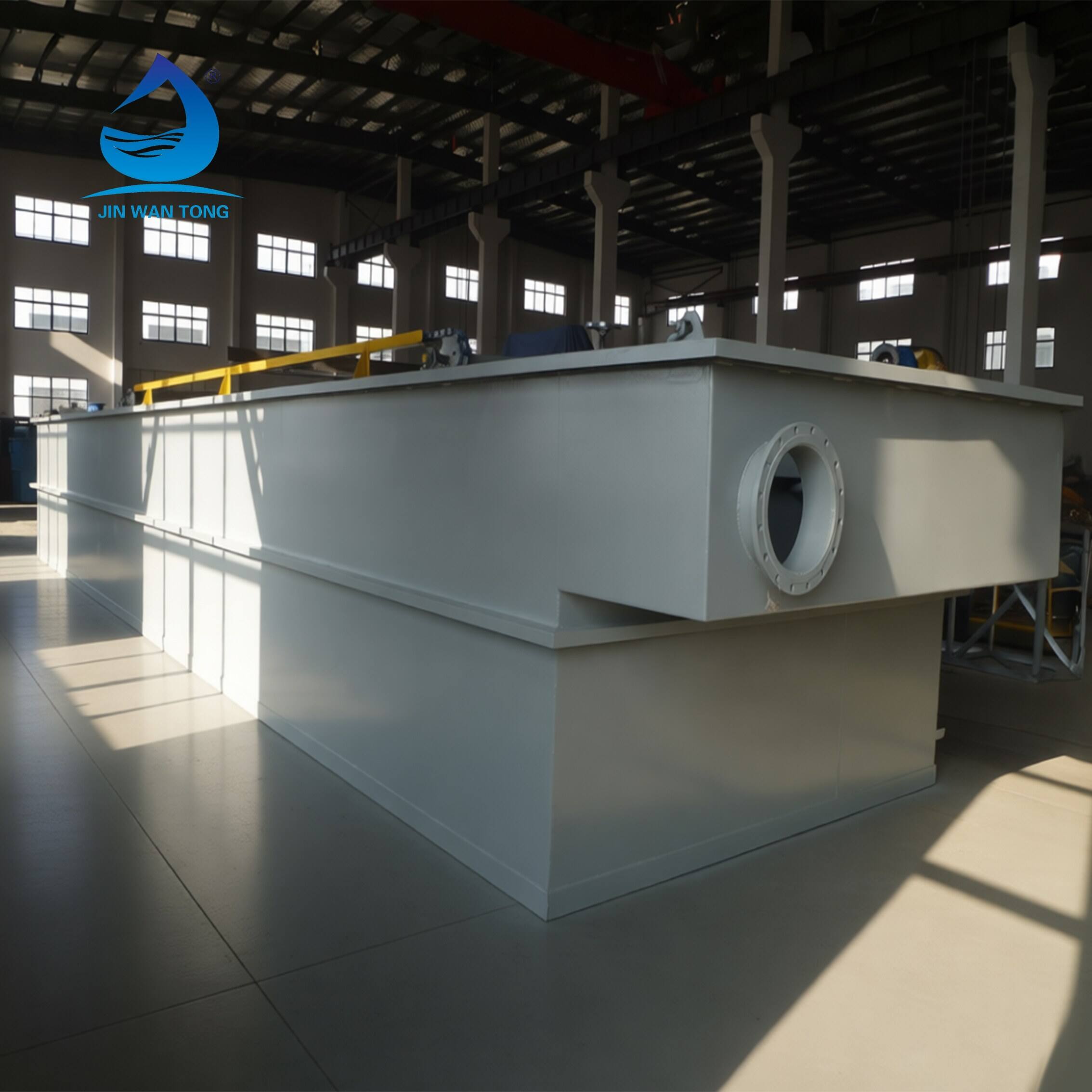
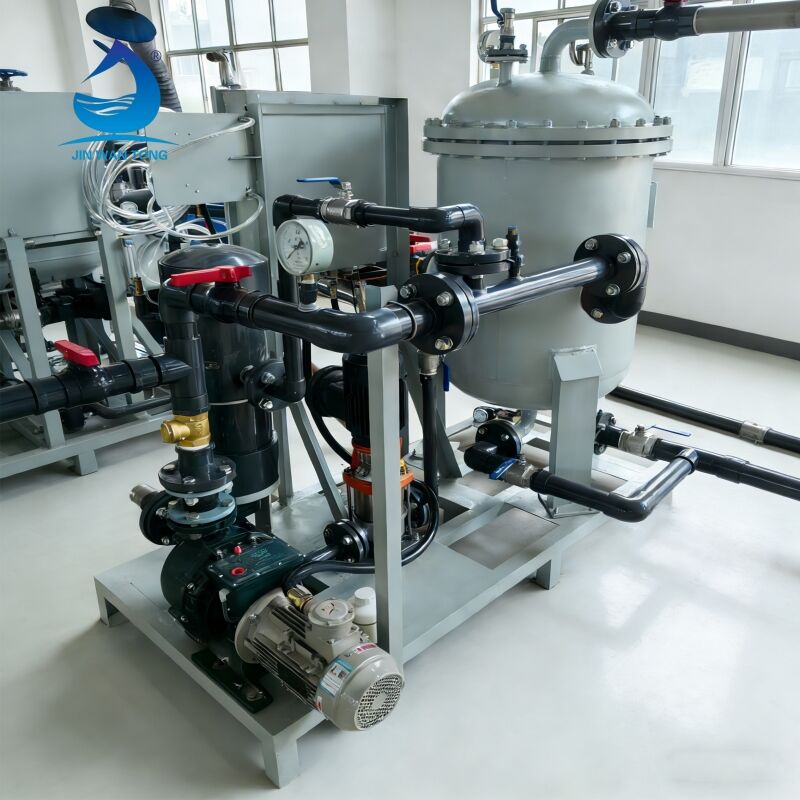
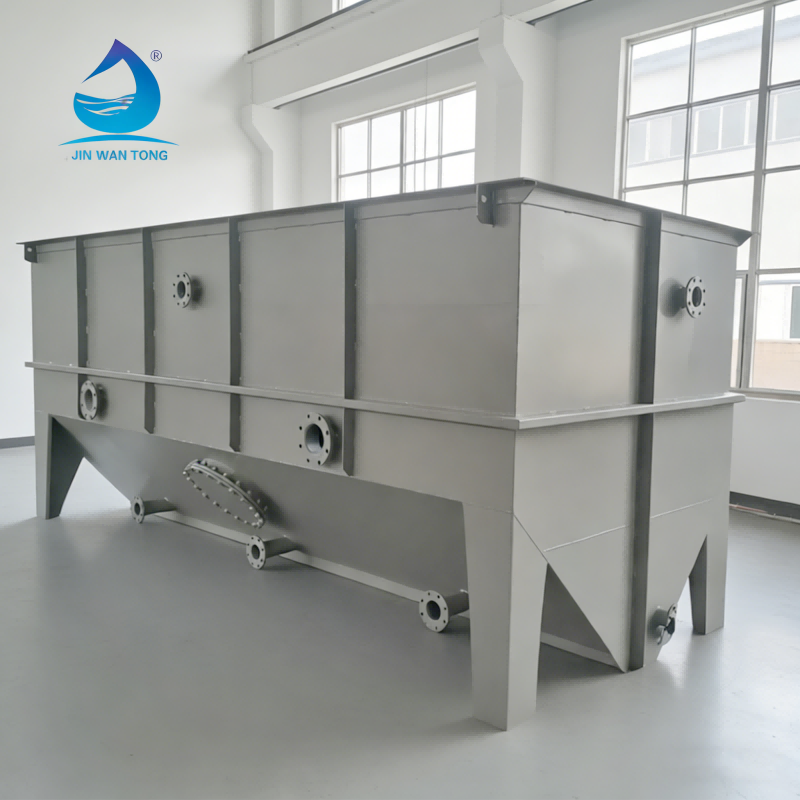
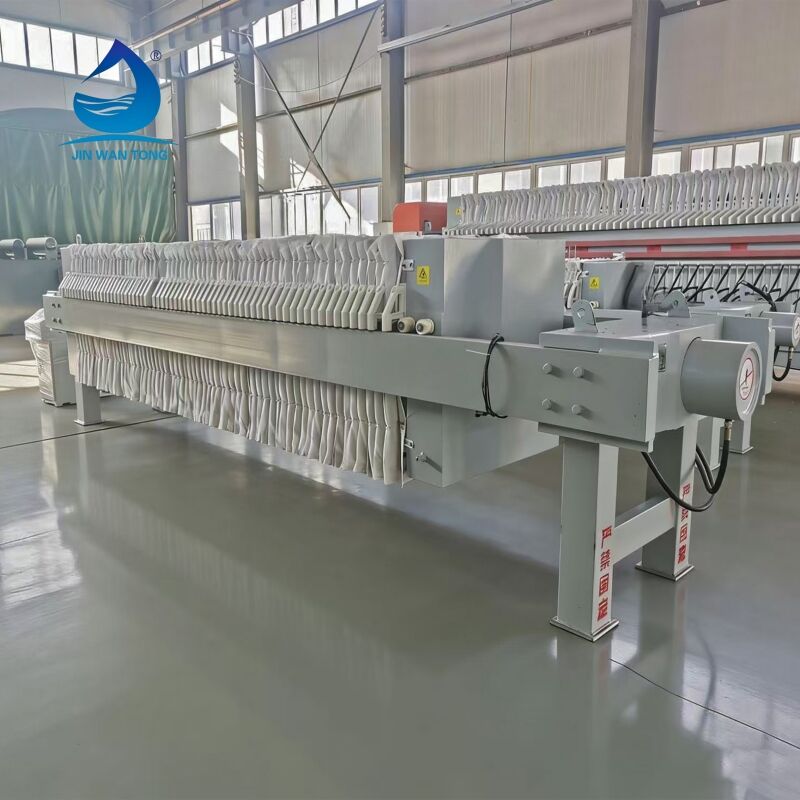
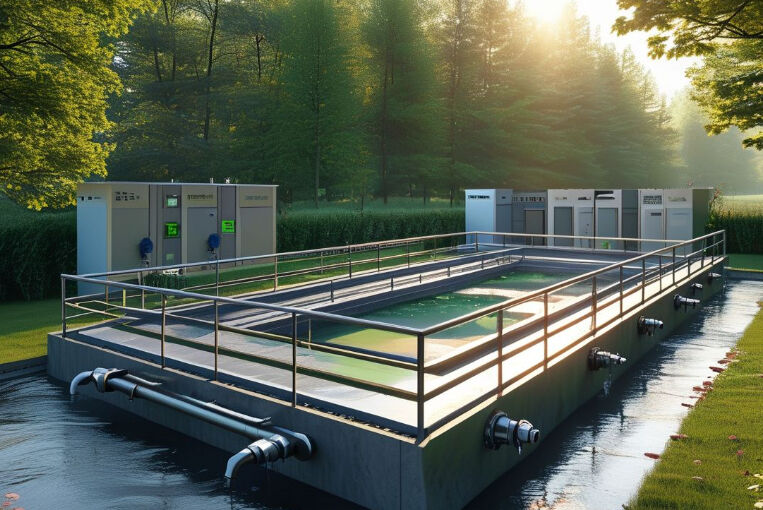
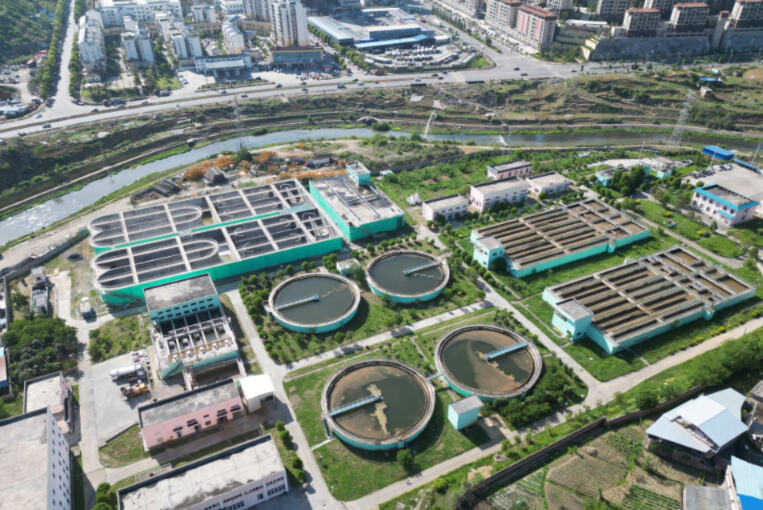
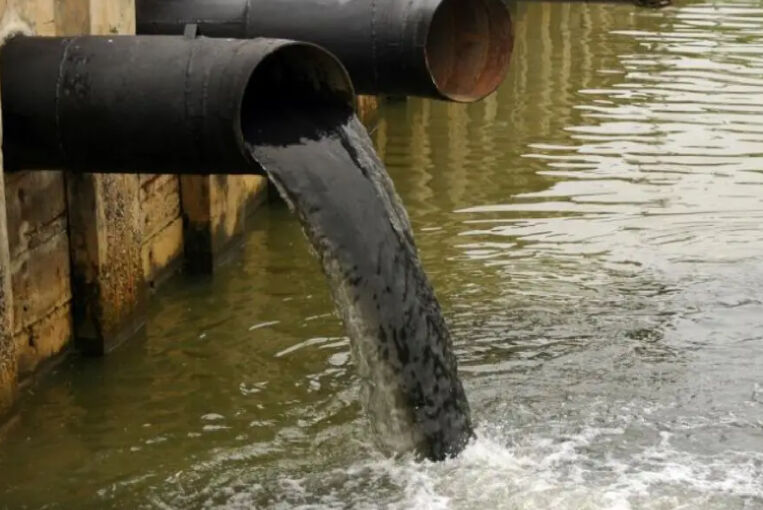
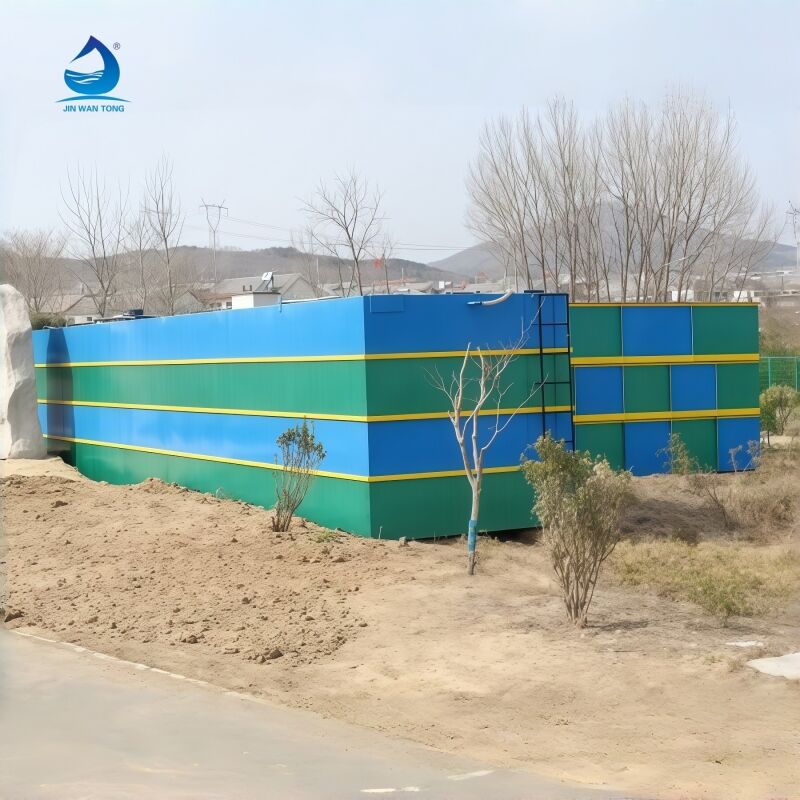
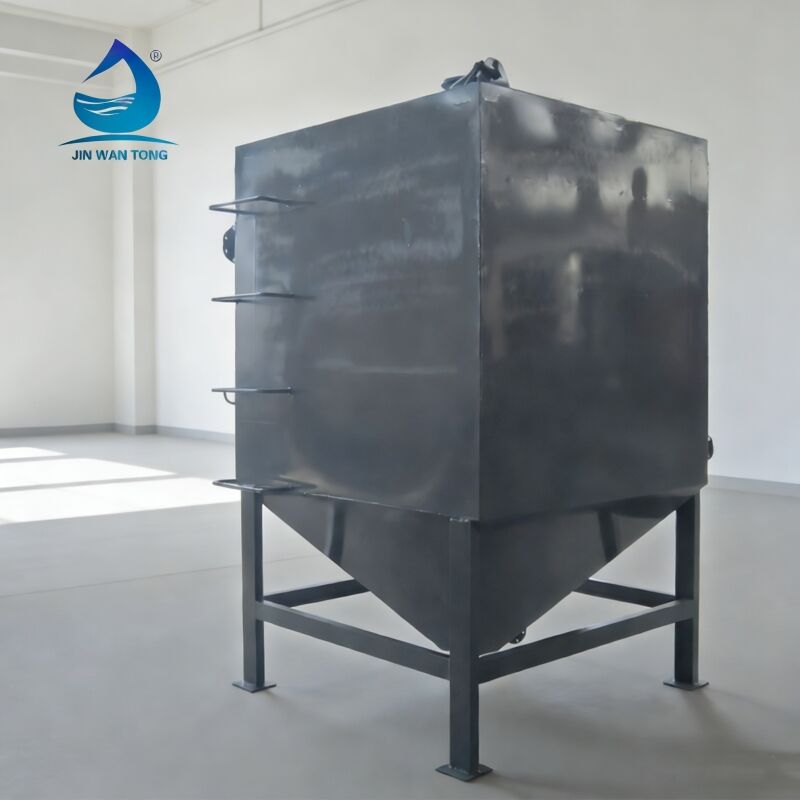
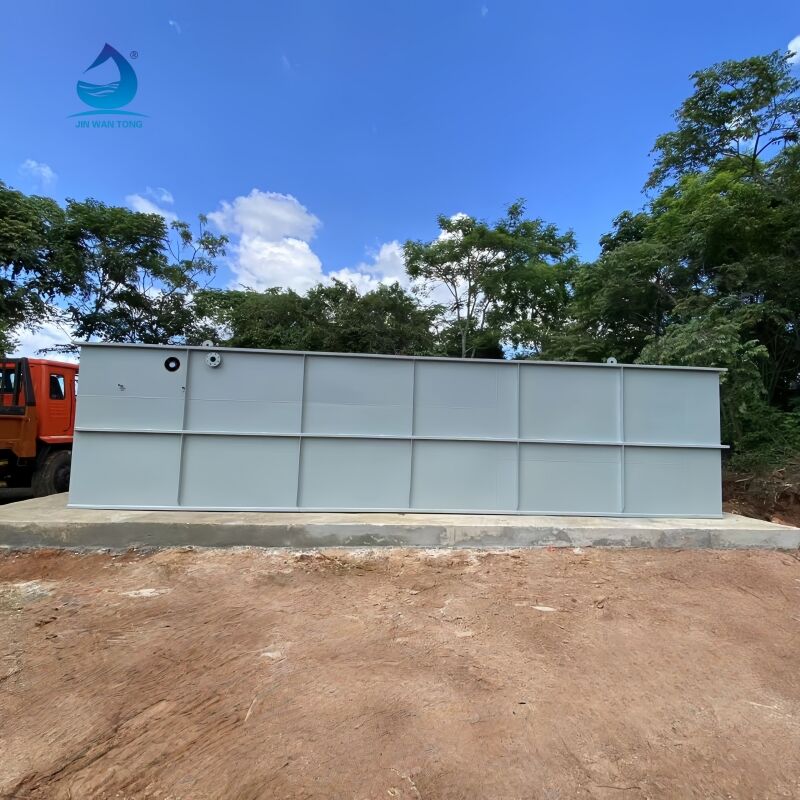
Wastewater treatment equipment represents a comprehensive solution for processing contaminated water from industrial, municipal, and commercial sources. This sophisticated technology transforms polluted water into clean, reusable resources while protecting environmental health and ensuring regulatory compliance. Modern wastewater treatment equipment incorporates multiple treatment stages, including primary screening, secondary biological treatment, and tertiary filtration processes. The main functions encompass removing suspended solids, eliminating harmful bacteria and pathogens, reducing chemical oxygen demand, and neutralizing toxic substances. These systems utilize advanced membrane bioreactors, activated sludge processes, and chemical precipitation methods to achieve optimal purification results. Technological features include automated control systems that monitor pH levels, dissolved oxygen content, and turbidity measurements in real-time. Smart sensors continuously track treatment parameters, enabling operators to maintain consistent water quality standards throughout the entire process. The equipment incorporates energy-efficient pumps, aeration systems, and clarifiers designed for maximum operational reliability. Applications span across municipal sewage treatment plants, industrial manufacturing facilities, food processing operations, pharmaceutical companies, and residential complexes. Healthcare facilities utilize specialized wastewater treatment equipment to handle medical waste and pharmaceutical residues safely. The technology proves essential for textile mills, chemical plants, and oil refineries where complex contaminants require specialized treatment protocols. Agricultural operations benefit from these systems when managing livestock waste and irrigation runoff. Environmental remediation projects deploy portable wastewater treatment equipment for emergency response situations and temporary installations. The versatility of modern treatment systems allows customization for specific contamination challenges while maintaining cost-effectiveness and operational simplicity.
 EN
EN