
 EN
EN
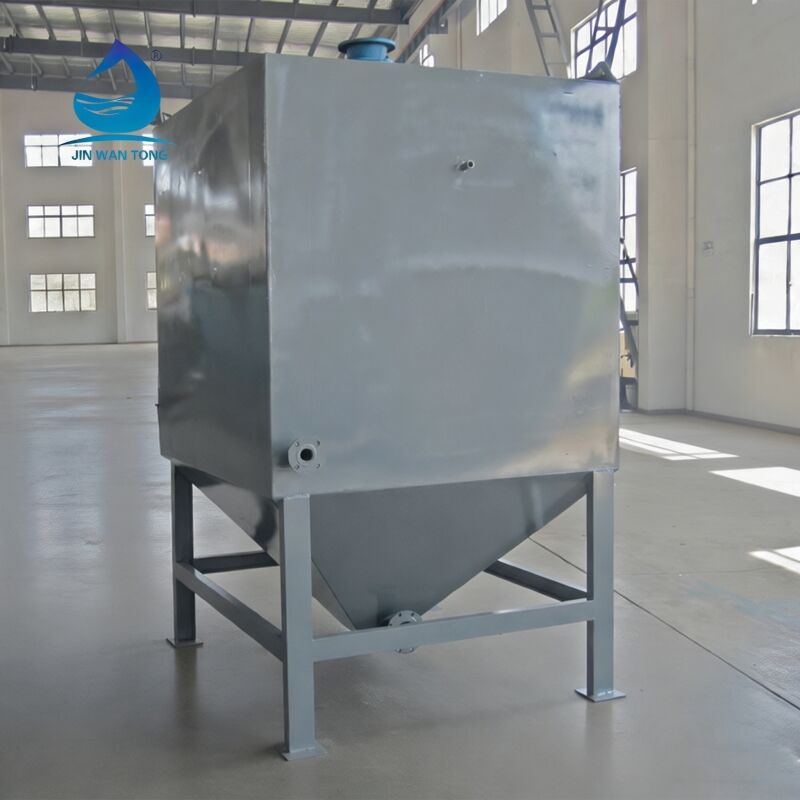
A grease trap is one of the most recognized devices in commercial and industrial wastewater management. It captures fats, oils, and grease before they enter the municipal sewer system, reducing the risk of blockages and regulatory violations. However, a grease trap rarely operates in isolation. In most real-world facilities, it functions as one component within a broader pretreatment system designed to handle complex wastewater streams efficiently.
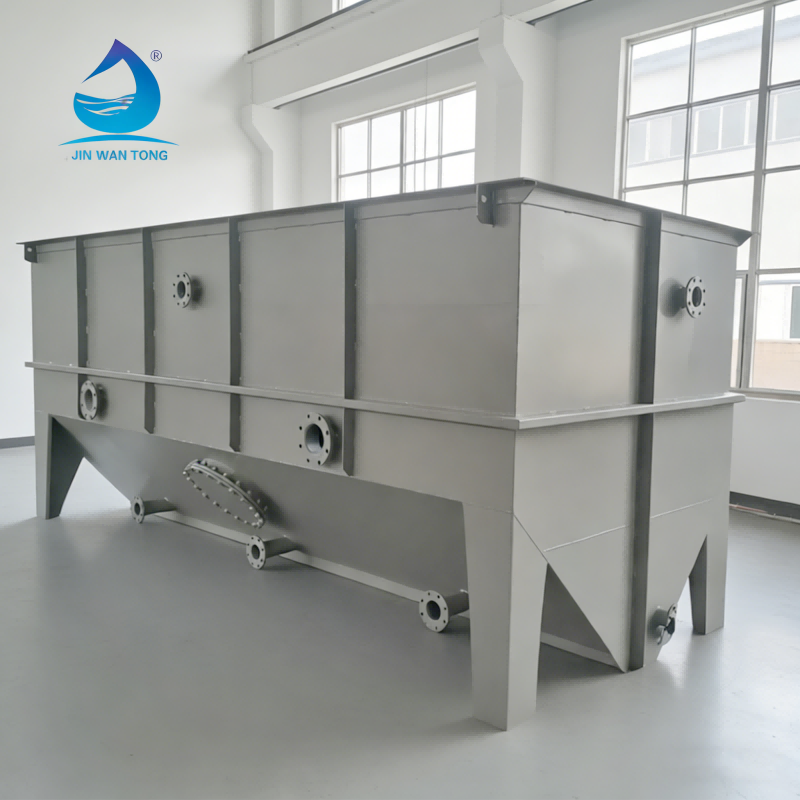
Understanding how a grease trap works alongside other pretreatment equipment helps facility managers design more effective systems, maintain compliance, and extend the service life of each unit. Whether you operate a food processing plant, a commercial kitchen, or an industrial facility, knowing how the grease trap integrates with upstream and downstream equipment is essential for achieving consistent treatment performance.
The Core Function of a Grease Trap in a Pretreatment Train
What a Grease Trap Captures and Why It Matters
A grease trap works by slowing down the flow of wastewater so that lighter fats and oils rise to the surface while heavier solids sink to the bottom. The clarified water layer in the middle then passes forward through the outlet. This separation process depends on retention time, temperature, and flow rate. A properly sized grease trap removes a significant portion of free-floating oils and grease before the wastewater moves to the next treatment stage.
Without an effective grease trap at the front of the pretreatment train, downstream equipment such as filters, separators, and biological treatment units can become fouled quickly. A grease trap protects the integrity of the entire system by intercepting the heaviest concentration of grease early in the process. This protective role makes the grease trap a foundational element rather than an optional add-on in most pretreatment designs.
How Flow Rate Affects Grease Trap Performance
The grease trap must be matched to the actual peak flow rate of the facility. Oversized units may allow grease to re-emulsify, while undersized units can allow grease to pass through before separation is complete. Calculating the correct grease trap capacity requires understanding the volume and timing of wastewater discharge from sinks, floor drains, and processing equipment. When the grease trap is correctly sized, it creates a stable separation zone that consistently delivers cleaner effluent to the next pretreatment stage.
Integration with Upstream and Downstream Pretreatment Equipment
Screens and Solids Removal Before the Grease Trap
Upstream of the grease trap, mechanical screens or fine filters are commonly used to remove large solid particles such as food scraps, fibrous materials, and debris. These screens protect the grease trap from accumulating solids too rapidly, which would reduce its effective grease-holding capacity and shorten cleaning intervals. A well-designed pretreatment system places the grease trap after the initial solids removal stage so that it can focus on its primary function of oil and grease separation.
When solids removal is handled upstream, the grease trap can maintain a cleaner separation chamber and deliver more predictable results. This sequential arrangement is standard practice in food service and food processing facilities where both solid waste and grease are present in high concentrations. Proper upstream management means the grease trap operates under less stress and requires less frequent maintenance.
Oil-Water Separators and CPI Units Downstream
After the grease trap, the partially treated wastewater often flows into an oil-water separator or a corrugated plate interceptor, commonly known as a CPI unit. While the grease trap handles bulk free-floating grease, a CPI separator targets finer dispersed oil droplets that pass through the grease trap. The CPI unit uses inclined plates to increase the effective separation surface area, capturing smaller droplets that would otherwise remain in the effluent. This two-stage arrangement, grease trap followed by CPI, is a proven configuration in demanding industrial environments.
The grease trap acts as a primary separator, and the CPI unit acts as a polishing stage. Together, they achieve oil and grease removal levels that neither unit could reach alone. Facilities that install only a grease trap without downstream polishing often find that effluent quality falls short of discharge limits, particularly when oil concentrations are highly variable. Adding a CPI or other secondary separator downstream of the grease trap significantly improves overall system reliability.
Maintenance Coordination Across Pretreatment Equipment
Grease Trap Pumping and System-Wide Scheduling
A grease trap requires regular pumping to remove accumulated grease and sludge. If the grease trap is not pumped on schedule, the accumulated grease layer can thicken and eventually carry over into downstream equipment, undoing the protection that the grease trap provides. Maintenance scheduling for the grease trap should be coordinated with inspection and cleaning of screens, separators, and any biological treatment units downstream. A grease trap that overflows or bypasses during peak operation creates a cascade failure across the entire pretreatment train.
Operators should log grease trap cleaning frequency and compare it with the performance data of downstream units. If the CPI or polishing filter shows increased oil loading, it is often a signal that the grease trap needs more frequent servicing. Treating the grease trap as part of a connected system rather than a standalone device leads to better maintenance decisions and fewer emergency interventions.
Monitoring and Control Integration
Modern pretreatment systems increasingly use automated monitoring to track the performance of each unit, including the grease trap. Flow sensors, level sensors, and oil-content analyzers can be integrated into a PLC-based control system that manages pumps, valves, and alarms across the entire pretreatment train. When the grease trap level approaches its capacity, the system can trigger an alert before overflow occurs. This real-time visibility allows operators to respond proactively and maintain consistent discharge quality at every stage.
FAQ
Can a grease trap replace a full oil-water separator in industrial settings?
A grease trap is designed for bulk free-floating grease removal and is most effective as the first stage in a pretreatment system. In industrial settings where oil concentrations and flow rates are high, a grease trap alone typically cannot meet strict discharge standards. A dedicated oil-water separator or CPI unit downstream of the grease trap is usually required to achieve compliant effluent quality.
How often should a grease trap be cleaned when used with other pretreatment equipment?
Cleaning frequency for a grease trap depends on the volume of grease generated, the size of the unit, and the performance requirements of downstream equipment. In commercial kitchens, monthly pumping is common, while high-volume food processing facilities may require more frequent service. Monitoring downstream equipment for increased oil loading is a reliable indicator that the grease trap needs servicing sooner than the standard schedule.
What happens if a grease trap is bypassed or fails within a pretreatment system?
If a grease trap is bypassed or fails, high concentrations of fats and oils flow directly into downstream equipment such as CPI separators, biotreatment units, or public sewer connections. This can clog pipes, foul separator plates, disrupt biological treatment processes, and trigger regulatory violations. Maintaining the grease trap in good working condition is critical to protecting the performance and longevity of every unit in the pretreatment train.