
 EN
EN
In the food processing industry, managing fats, oils, and grease is not simply a matter of operational cleanliness — it is a legal and environmental obligation. Grease traps are the frontline solution that facilities rely on to intercept FOG (fats, oils, and grease) before it enters municipal sewer systems or natural waterways. Without properly functioning grease traps, food processors face regulatory violations, blocked drainage infrastructure, and significant financial penalties that can disrupt operations entirely.
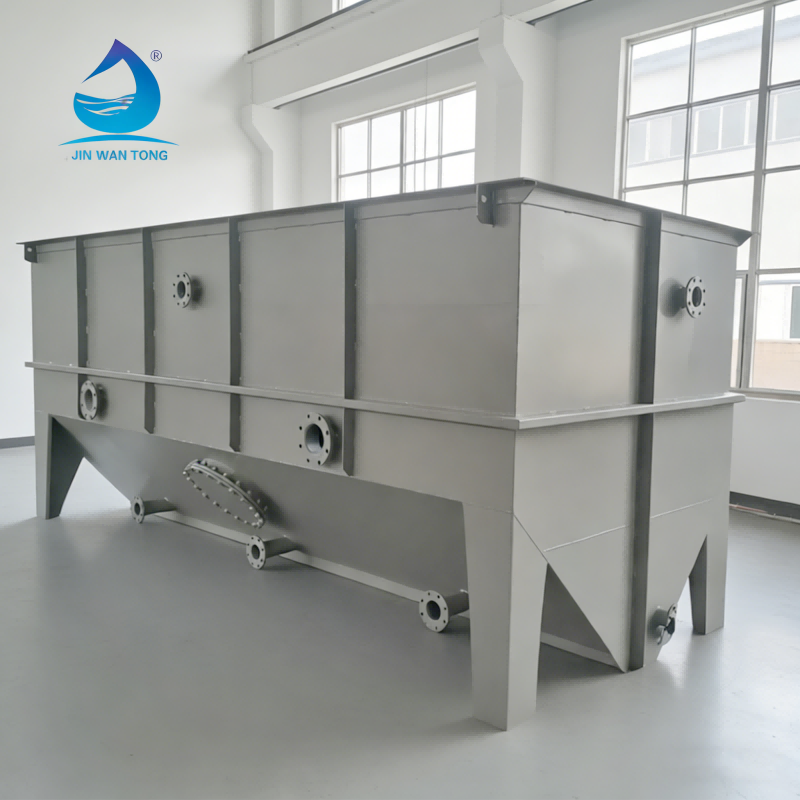
Understanding the role of grease traps in food processing compliance is critical for plant managers, environmental officers, and operations teams. Grease traps work by slowing the flow of warm, greasy wastewater so that grease rises to the surface and is separated from the water before it exits the facility. This separation process is essential for protecting downstream infrastructure and satisfying the discharge standards imposed by local authorities and environmental agencies. Modern food processing plants are now expected to deploy grease traps that meet increasingly strict performance benchmarks, making system selection and maintenance a strategic priority.
Regulatory Compliance and the Role of Grease Traps
How Grease Traps Support Environmental Standards
Food processing facilities are subject to rigorous discharge regulations that govern the concentration of grease and oil permitted in effluent water. Grease traps serve as the primary mechanical control for keeping FOG levels within the thresholds set by environmental protection bodies. Facilities that fail to maintain compliant grease traps risk receiving notices of violation, mandatory shutdowns, or costly remediation orders. The importance of grease traps in this context is not theoretical — regulators actively inspect discharge points and sewage connections to verify that grease traps are installed, operational, and serviced on schedule.
In many jurisdictions, food processing plants must submit regular maintenance records demonstrating that their grease traps have been cleaned and inspected at defined intervals. These records form part of the broader compliance documentation package that auditors review during facility inspections. Grease traps that are neglected or undersized will accumulate grease beyond their designed capacity, leading to bypass events where untreated wastewater escapes directly into the drainage system. This is one of the most common compliance failures in the industry and one that proper grease traps management can entirely prevent.
Legal Consequences of Inadequate Grease Trap Systems
When grease traps fail or are absent, the legal consequences for food processing operators can be severe. Regulatory agencies have the authority to issue fines on a per-day basis for ongoing violations, and in some cases, they can require facility closures until corrective measures are taken. Beyond direct penalties, facilities that discharge excessive grease into shared sewer systems may be held financially liable for the cost of clearing blocked pipes or repairing damaged infrastructure downstream. Installing and maintaining properly sized grease traps is therefore not only a compliance requirement but also a critical form of risk management for food processing businesses.
Operational Impact of Grease Traps on Facility Performance
Protecting Drainage Systems and Reducing Downtime
Beyond regulatory compliance, grease traps provide significant operational benefits inside food processing facilities. When grease accumulates in internal drainage systems without interception, it solidifies along pipe walls, gradually restricting flow and eventually causing blockages. Grease traps prevent this cycle by capturing FOG before it has the chance to enter and damage internal plumbing. Facilities that invest in properly scaled grease traps report lower frequency of emergency drain cleaning, reduced risk of production floor flooding, and longer service life for their wastewater infrastructure overall.
Grease traps also protect the biological processes used in downstream wastewater treatment. High concentrations of grease can overwhelm aerobic and anaerobic treatment systems, reducing their efficiency and increasing operating costs. By using grease traps as a pre-treatment step, food processors ensure that their effluent arrives at treatment systems with manageable FOG concentrations, allowing those systems to perform at their designed capacity. This integration between grease traps and broader wastewater management infrastructure is an important factor in achieving consistent regulatory compliance.
Choosing the Right Grease Traps for Food Processing Scale
The selection of grease traps must account for the specific volume and composition of wastewater generated by different food processing operations. A poultry processing plant, for example, will generate a very different grease load than a bakery or a vegetable canning facility. Grease traps are sized based on flow rate and grease retention capacity, and undersizing them is one of the most common errors facilities make when setting up their wastewater systems. Consulting with wastewater engineering professionals to determine the correct specifications for grease traps ensures that the system will handle peak production loads without exceeding its separation capacity.
Advanced grease traps systems used in large-scale food processing environments often incorporate grease traps technology alongside coalescing plate separators and automated pumping systems. These integrated solutions provide higher separation efficiency, real-time monitoring capabilities, and reduced manual maintenance demands. For operations that run continuously or process high volumes of animal-derived products, upgrading to automated grease traps with PLC control systems is a practical step toward both compliance assurance and operational efficiency.
Maintenance Practices That Keep Grease Traps Compliant
Scheduled Cleaning and Inspection Protocols
Grease traps require consistent maintenance to remain effective and compliant. The cleaning frequency for grease traps depends on the volume of wastewater processed and the grease concentration in the facility's discharge. Many food processing facilities clean their grease traps on a weekly or bi-weekly basis, though high-volume operations may require more frequent servicing. Maintenance teams must fully evacuate accumulated grease, inspect internal baffles for damage or corrosion, and verify that inlet and outlet pipes are unobstructed. Detailed service logs for grease traps must be retained and made available to inspectors on request.
Grease traps that are not cleaned regularly transition from an active separation device into a source of contamination. When grease traps reach capacity, the accumulated FOG begins to re-emulsify and pass through the outlet, defeating the purpose of the system entirely. Some facilities use biological additives to help break down grease within their grease traps between cleaning cycles, though this practice must be evaluated carefully to ensure it does not interfere with downstream treatment processes or violate local discharge standards.
Documentation and Audit Readiness for Grease Traps
A critical but often overlooked dimension of grease traps compliance is documentation. Food processing facilities must maintain clear records of installation specifications, maintenance dates, waste hauler receipts, and any corrective actions taken when grease traps performance fell below standard. These records demonstrate due diligence to regulators and can significantly reduce the severity of penalties if a violation does occur. Digital maintenance tracking systems designed for grease traps management make it easier to generate compliance reports quickly and accurately, supporting both internal audits and external regulatory reviews.
FAQ
How often should grease traps be serviced in a food processing facility?
The servicing frequency for grease traps depends on the facility's production volume and the grease load in its wastewater. Most food processing operations service their grease traps every one to four weeks. High-output facilities may require weekly cleaning to maintain compliance and prevent overflow. Always follow the schedule recommended by your local regulatory authority and document every service event for audit purposes.
What happens if grease traps are not installed in a food processing plant?
Without grease traps, untreated FOG-laden wastewater flows directly into sewer systems, causing blockages, environmental contamination, and regulatory violations. Facilities without grease traps face fines, legal liability for infrastructure damage, and potential operational shutdowns. Installing correctly sized grease traps is a mandatory requirement in most jurisdictions for any facility that processes food at commercial or industrial scale.
Can grease traps handle all types of food processing wastewater?
Grease traps are designed primarily to remove free-floating fats, oils, and grease from wastewater. They are effective across a wide range of food processing applications, including meat processing, dairy production, and commercial cooking operations. However, grease traps alone may not be sufficient for facilities generating wastewater with very high solid content or chemical contaminants. In such cases, grease traps are typically used as a pre-treatment stage within a broader wastewater treatment system.