
 EN
EN
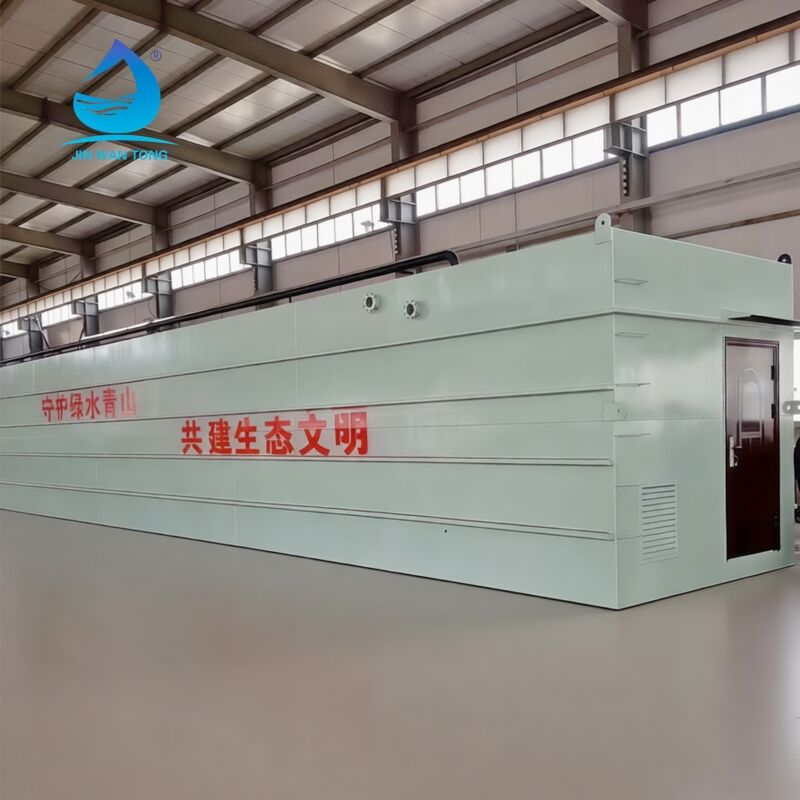
Grease trap maintenance is one of the most critical responsibilities for any commercial kitchen, food processing facility, or industrial operation that handles fats, oils, and grease on a daily basis. When grease trap maintenance is neglected, the consequences are immediate and severe — blocked drains, foul odors, regulatory violations, and costly emergency repairs. Understanding what proper grease trap maintenance involves and why it must be performed consistently is the first step toward protecting your operation and your plumbing infrastructure.
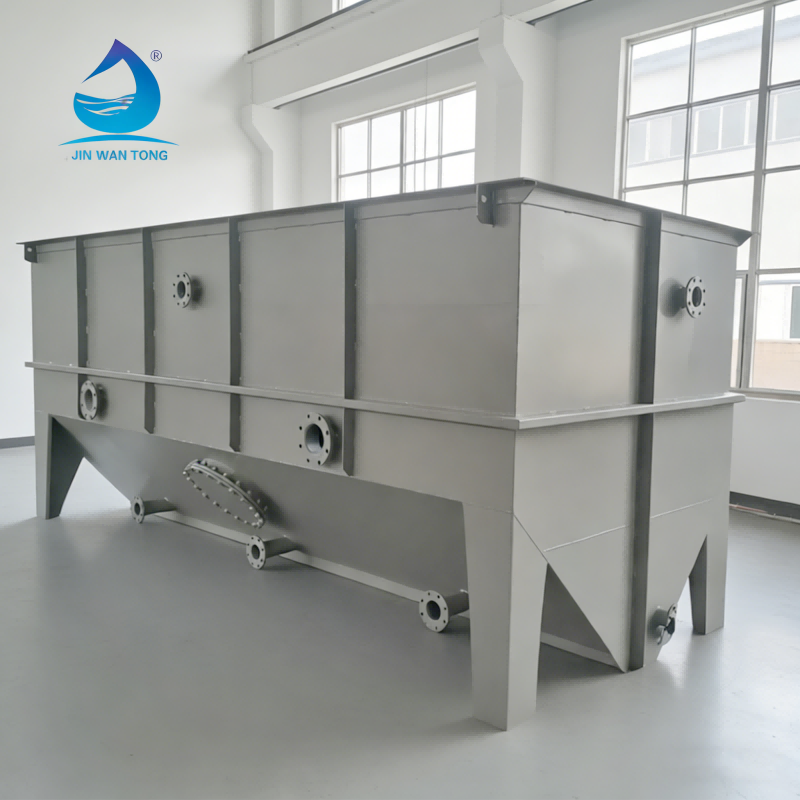
Effective grease trap maintenance is not a one-time task. It is a structured, ongoing process that requires scheduled inspections, routine cleaning, accurate record-keeping, and an understanding of how grease accumulates over time. Whether you manage a single restaurant or a large food production plant, grease trap maintenance must be integrated into your standard operating procedures to remain compliant, avoid disruptions, and maintain a hygienic working environment.
Understanding How Grease Traps Work and Why They Fail
The Basic Mechanism Behind Grease Traps
A grease trap is a plumbing device designed to intercept fats, oils, and grease before they enter the main wastewater system. Grease trap maintenance begins with understanding this mechanism. As wastewater flows through the trap, grease floats to the surface while heavier solids sink to the bottom. The clarified water in the middle exits into the sewer. When grease trap maintenance is not performed regularly, the accumulated grease layer thickens, reducing the trap's capacity and allowing grease to pass through into drain lines.
Common Causes of Grease Trap Failure
Poor grease trap maintenance is the leading cause of trap failure. Overflow, blockages, and odor problems all trace back to infrequent cleaning or improper procedures. Biological activity inside a neglected trap produces hydrogen sulfide gas, which creates the characteristic rotten-egg smell. Grease trap maintenance schedules that are too infrequent allow solids and grease to reach levels that clog baffles and outlet pipes. Understanding these failure modes reinforces why consistent grease trap maintenance is non-negotiable in any commercial facility.
Building a Proper Grease Trap Maintenance Schedule
Determining the Right Cleaning Frequency
The foundation of effective grease trap maintenance is a well-defined cleaning schedule. Most regulatory bodies recommend the 'one-quarter rule' — when the combined depth of floating grease and settled solids reaches 25% of the trap's total liquid depth, cleaning is required. For high-volume kitchens, grease trap maintenance may be needed weekly. Lower-volume facilities may perform grease trap maintenance monthly. The correct frequency depends on food volume, menu type, and trap size. Documenting your grease trap maintenance history helps identify patterns and refine the schedule over time.
Key Steps in a Thorough Grease Trap Cleaning
Proper grease trap maintenance involves several structured steps. First, remove the trap lid carefully and measure the grease and solids depth before pumping. This measurement is essential for grease trap maintenance records and regulatory compliance. Next, use a vacuum pump to remove all contents, including the floating grease layer, the water column, and the settled sludge. After pumping, scrape and clean all interior walls, baffles, and the inlet and outlet pipes. Rinse the trap thoroughly with warm water. Inspect all components for damage during each grease trap maintenance session. Replace any cracked baffles or broken lids immediately. Finally, restore the trap, confirm the water seal is intact, and record the grease trap maintenance details including date, volume removed, and condition observed.
Preventing Odors and Blockages Through Ongoing Grease Trap Care
Managing Odors Between Cleaning Cycles
Odor control is a vital dimension of grease trap maintenance. Even between scheduled cleanings, odors can develop if organic matter builds up near inlet pipes or if the water seal is compromised. Grease trap maintenance best practice includes checking the trap lid gasket regularly to ensure no gas escapes. Biological additives — specifically enzyme-based or bacterial products approved for use in grease traps — can be applied as part of grease trap maintenance to accelerate the breakdown of organic matter and reduce sulfide gas production. However, these additives supplement but do not replace mechanical grease trap maintenance. Keeping the area around the trap clean and well-ventilated also reduces ambient odors between grease trap maintenance visits.
Preventing Blockages Downstream
Blockages in drain lines connected to the trap are a direct sign of inadequate grease trap maintenance. When grease escapes the trap and enters drain lines, it cools and solidifies, gradually narrowing the pipe bore until a complete blockage occurs. Consistent grease trap maintenance prevents this by keeping the trap operating at full capacity. Staff training is also part of grease trap maintenance — kitchen employees should understand which substances must never enter the drain, including large volumes of hot oil, solid food waste, and cleaning chemicals that can disrupt the biological balance inside the trap. For facilities managing high-volume effluent, pairing grease trap maintenance with a dedicated grease trap maintenance support system such as a CPI oil-water separator can significantly improve overall wastewater quality and reduce downstream blockage risk.
FAQ
How often should grease trap maintenance be performed in a commercial kitchen?
Grease trap maintenance frequency depends on usage volume. High-volume kitchens typically require grease trap maintenance every one to two weeks. Lower-volume operations may schedule grease trap maintenance monthly. Applying the one-quarter rule — cleaning when grease and solids fill 25% of trap capacity — ensures grease trap maintenance happens at the right interval regardless of operation size.
Can enzyme products replace professional grease trap maintenance?
No. Enzyme or bacterial additives used during grease trap maintenance can help slow organic buildup between cleanings, but they cannot substitute for physical pumping and scraping. Full grease trap maintenance requires mechanical removal of accumulated grease and solids. Biological products work best as a supplement to scheduled grease trap maintenance, not as a replacement.
What records should be kept as part of grease trap maintenance?
Grease trap maintenance records should include the date of each service, the volume of grease and solids removed, the condition of all internal components, and the name of the technician. Many municipalities require grease trap maintenance logs as proof of compliance. Accurate records also help optimize grease trap maintenance schedules and support inspections by health or environmental authorities.