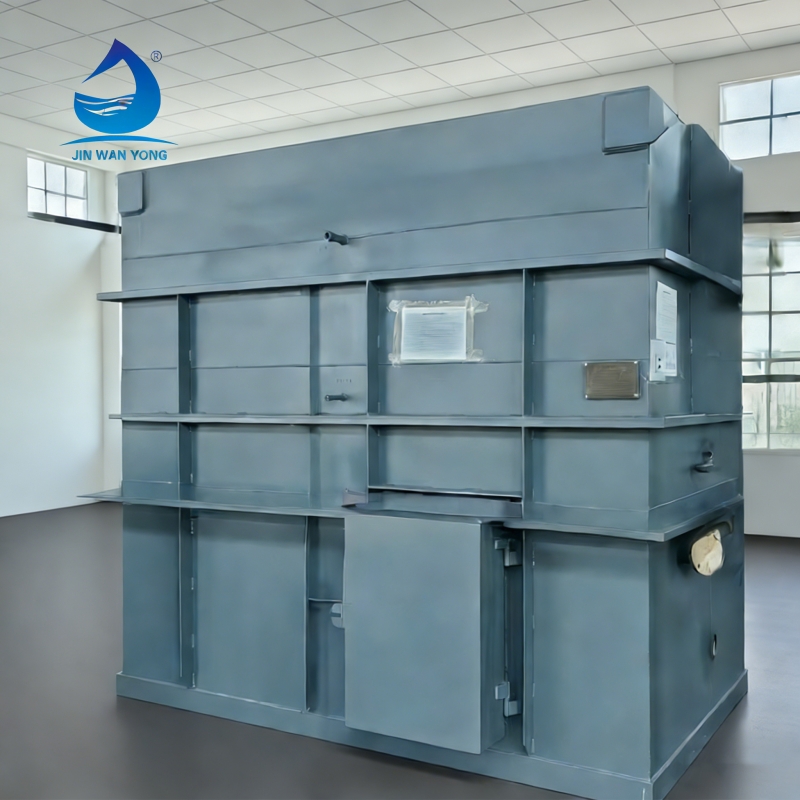
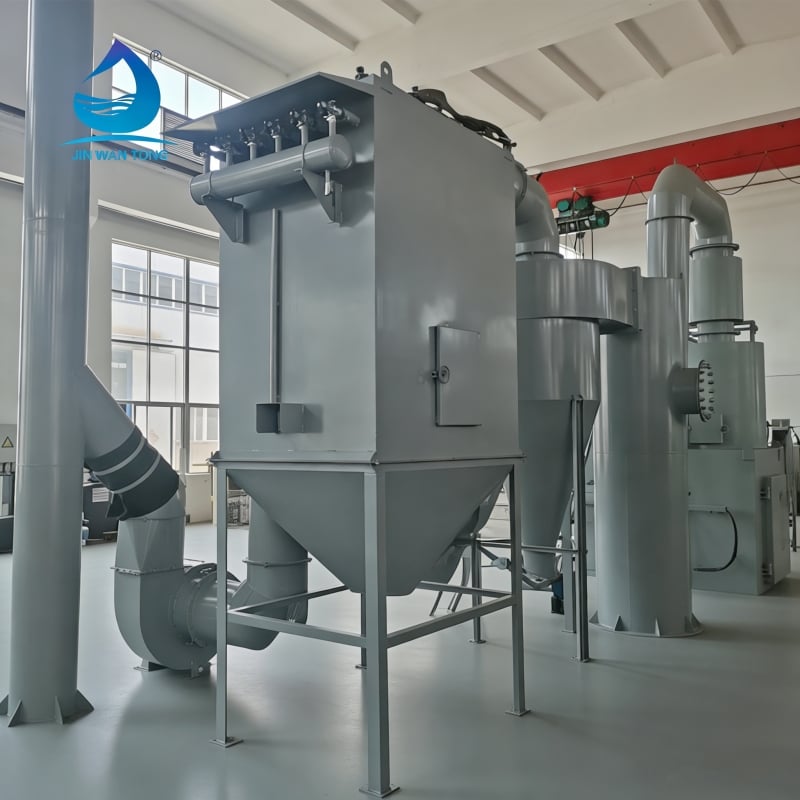
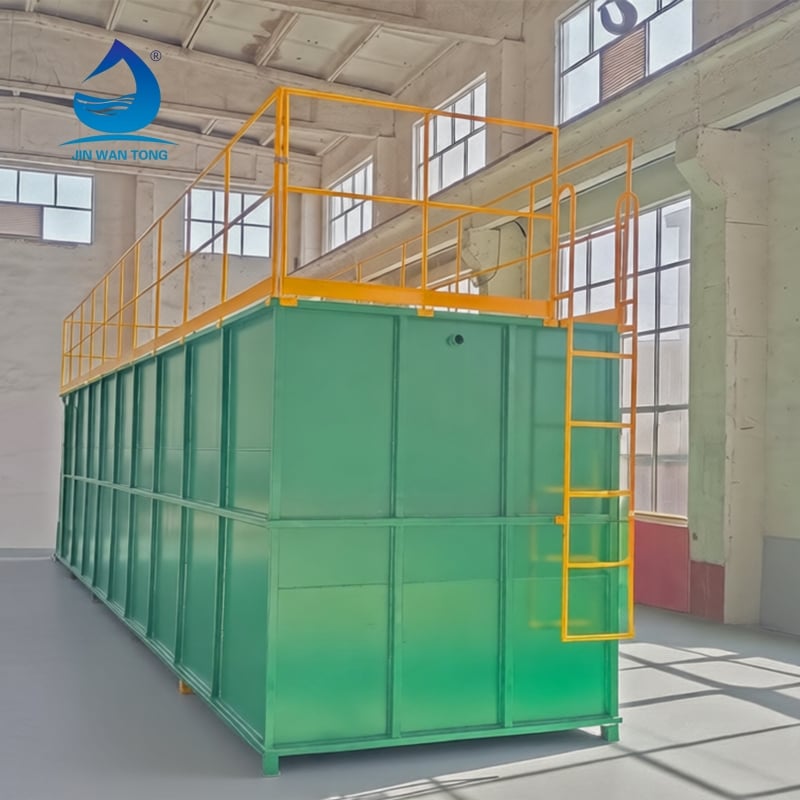
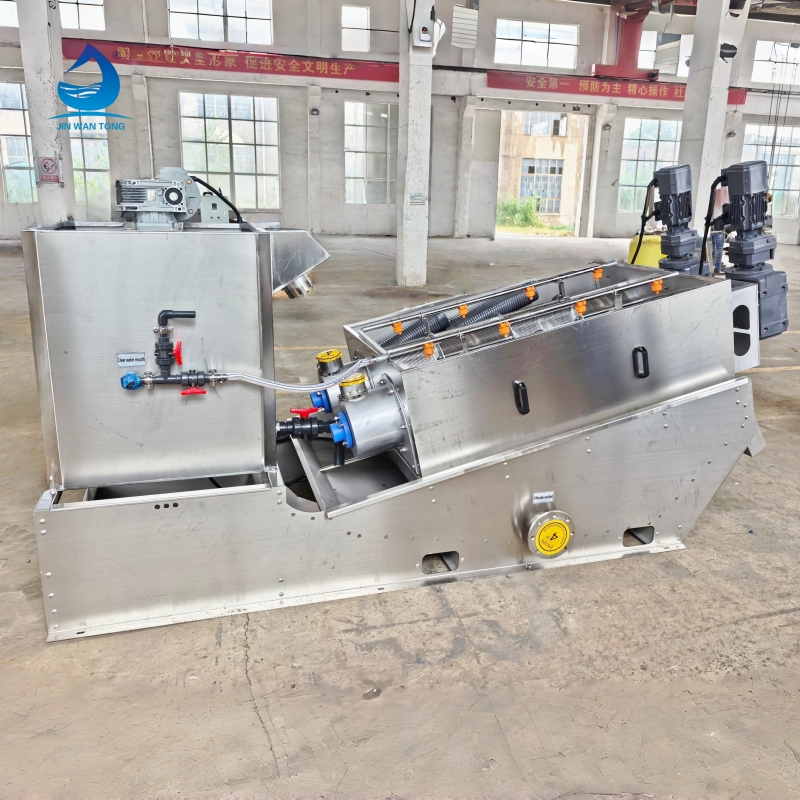
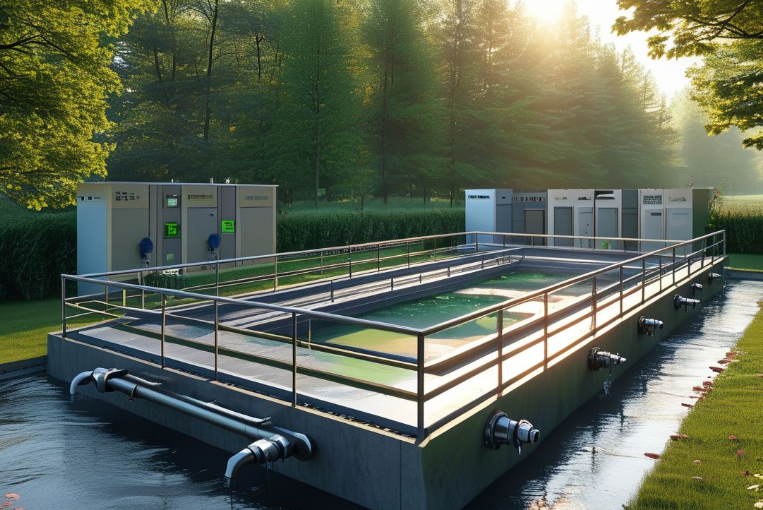
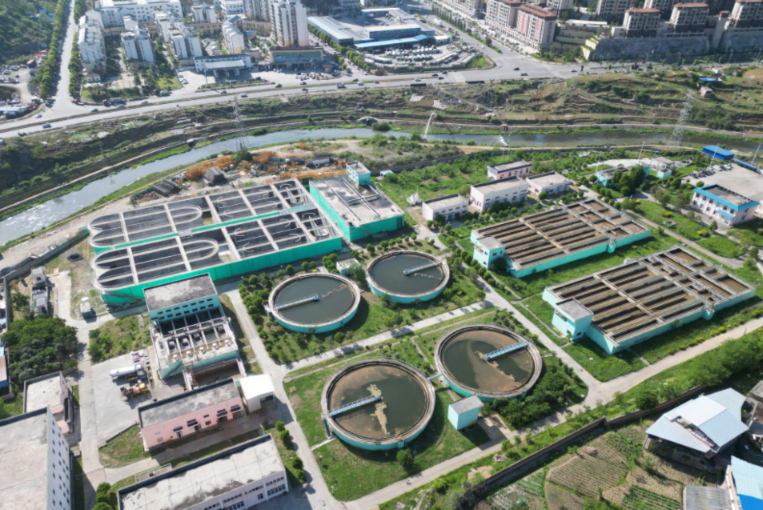
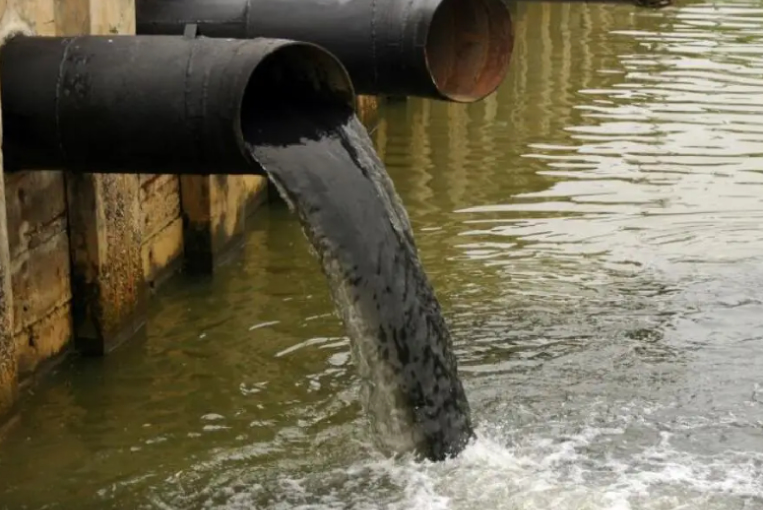
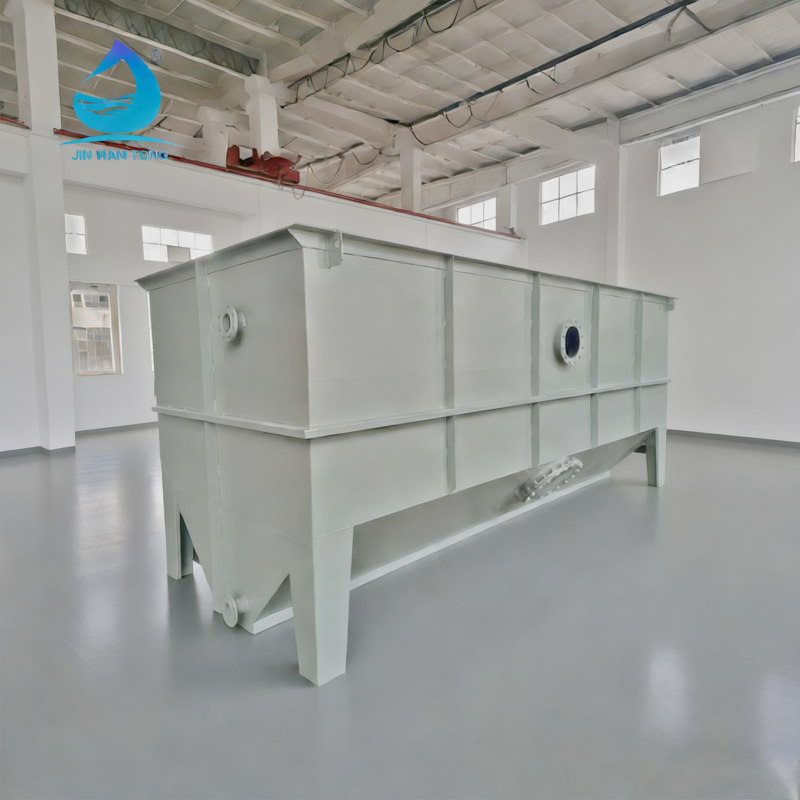
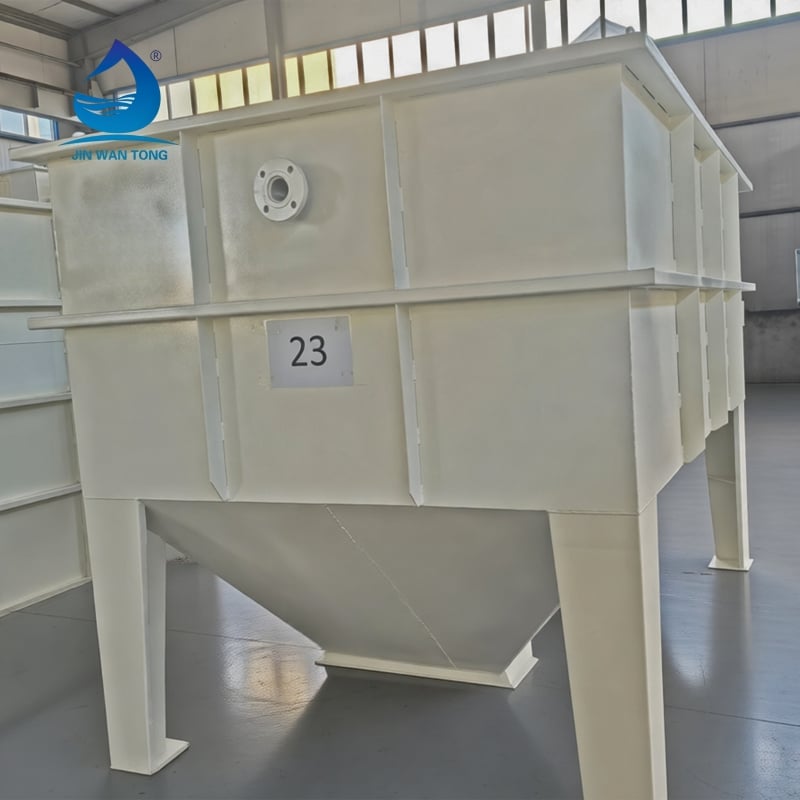
As a CPI filter manufacturer, Qingdao Jinwantong provides corrugated plate interceptor equipment for industrial oily wastewater pretreatment. A CPI filter, also called a CPI oil-water separator, is mainly used to remove free oil, floating oil, grease and part of settleable suspended solids from wastewater before further treatment.
CPI stands for Corrugated Plate Interceptor. Although many buyers use the word “filter,” CPI equipment does not work like a fine mechanical filter. Its core function is gravity-based oil-water separation. The system uses inclined corrugated plates to increase the effective separation area and shorten the rising distance of oil droplets. This helps oil droplets coalesce into larger droplets and float to the surface more easily.
The typical working process is:
Oily Wastewater → Inlet Distribution → Corrugated Plate Separation → Oil Collection → Sludge Discharge → Treated Water OutletWastewater first enters the inlet distribution chamber, where flow is slowed and evenly distributed. As the water passes through the corrugated plate pack, oil droplets rise because oil is lighter than water. Small droplets collide and merge into larger droplets, then move upward to the oil collection zone. Heavier solids settle to the bottom and are discharged through the sludge outlet. The separated water then flows to downstream treatment processes such as DAF, filtration, biological treatment or membrane treatment.
A complete CPI filter system may include an inlet chamber, flow distribution device, corrugated plate pack, separation tank, oil collection zone, oil skimmer or oil discharge pipe, sludge hopper, sludge discharge valve, outlet chamber, access cover, pipelines, valves and optional control components. Depending on wastewater composition and site requirements, the equipment can be made from carbon steel with anti-corrosion coating, stainless steel, FRP or other suitable materials.
For B2B buyers, selecting a CPI filter should not be based only on flow capacity. Important design parameters include influent flow, peak flow, free oil concentration, oil droplet size, suspended solids concentration, wastewater temperature, pH range, viscosity, density difference between oil and water, corrosiveness, required outlet oil level, available footprint and downstream process requirements.
It is also important to understand the boundary of CPI separation. CPI filters are effective for free oil and separable oil droplets, but they cannot directly remove stable emulsified oil, dissolved organic pollutants or soluble chemicals. If wastewater contains surfactants, emulsified oil or complex chemical pollutants, the CPI system may need to work with demulsification, coagulation, DAF, filtration, biological treatment or membrane processes.
Qingdao Jinwantong supports customized CPI filter manufacturing and related wastewater equipment supply. Buyers can send flow rate, water quality data, oil content, TSS, pH, site layout, material preference and treatment target for model selection and quotation.
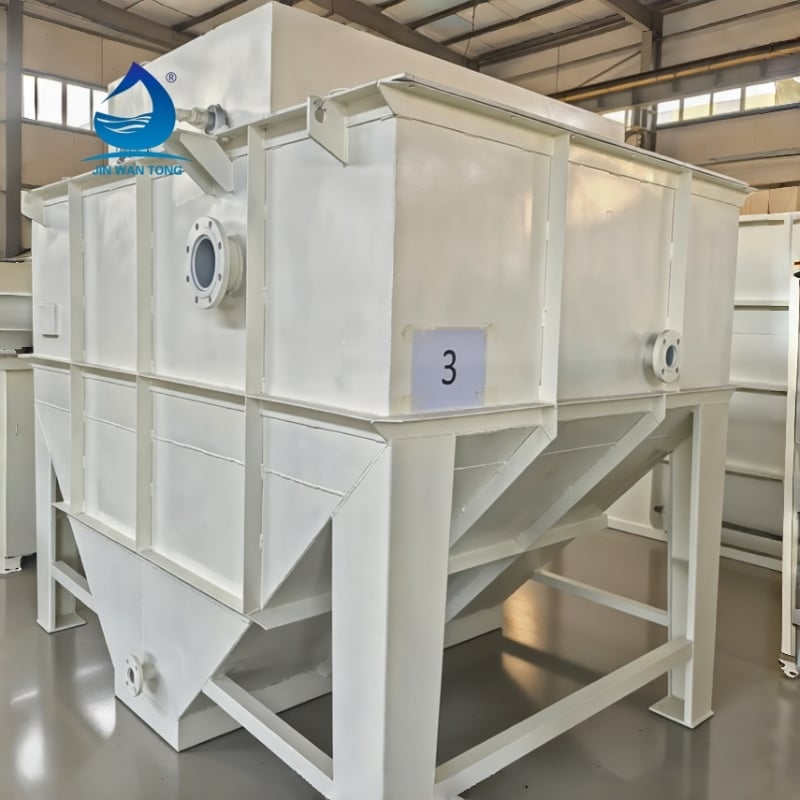
Qingdao Jinwantong provides industrial sewage treatment equipment for global clients. Our MBR, DAF, STP, and oil-water separation systems ensure compliance with national discharge standards. Trusted across 6 continents. Contact us today.
43,Cangnan Road, Cangma Town, Qingdao, Shandong, China
Copyright © 2026 Qingdao Jinwantong Environmental Science And Technology Co., Ltd. All rights reserved. Privacy Policy
 EN
EN