 EN
EN

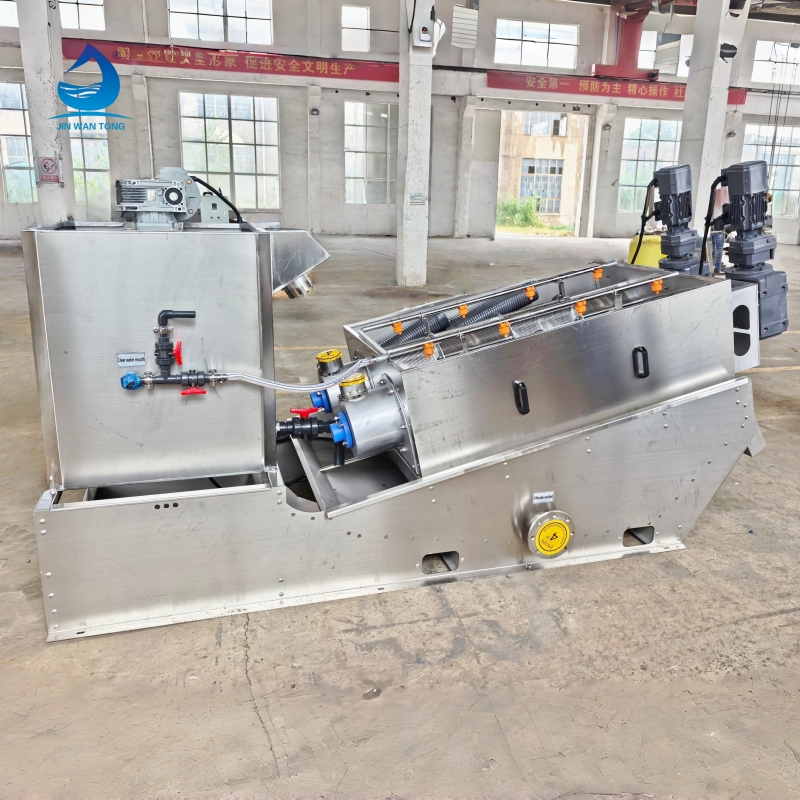
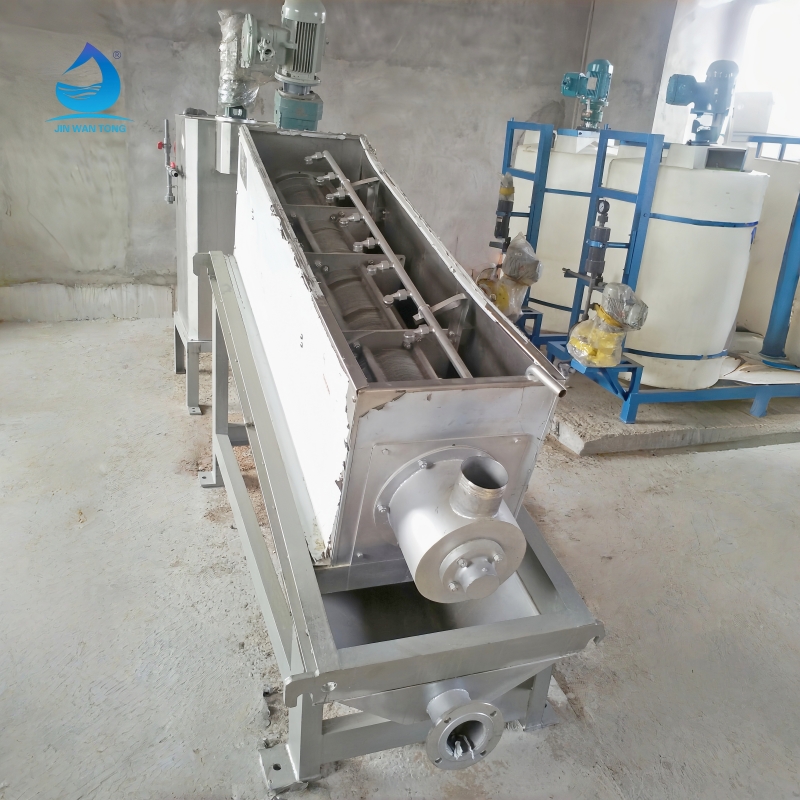
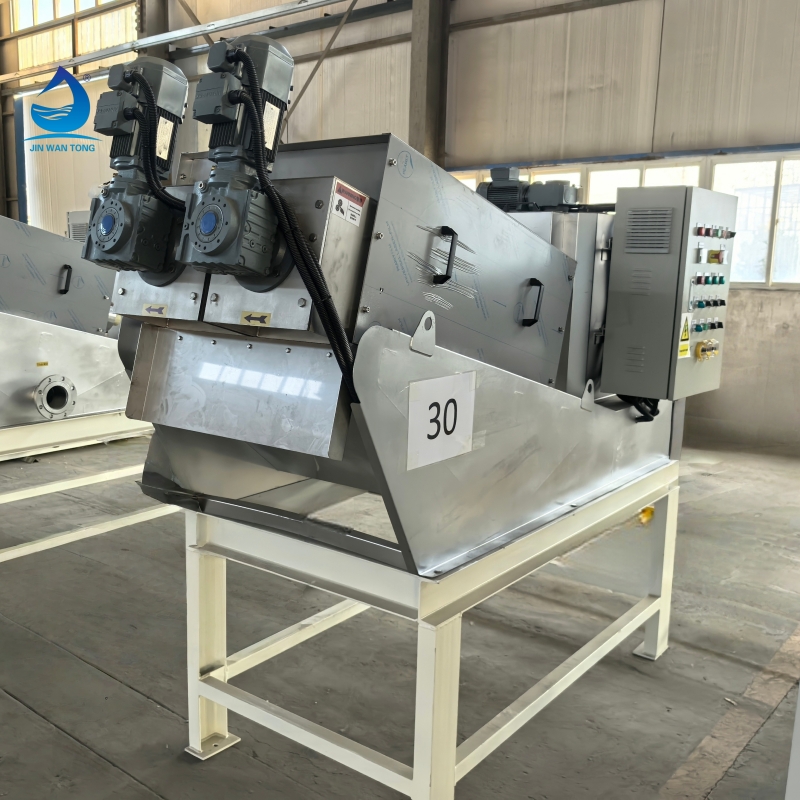
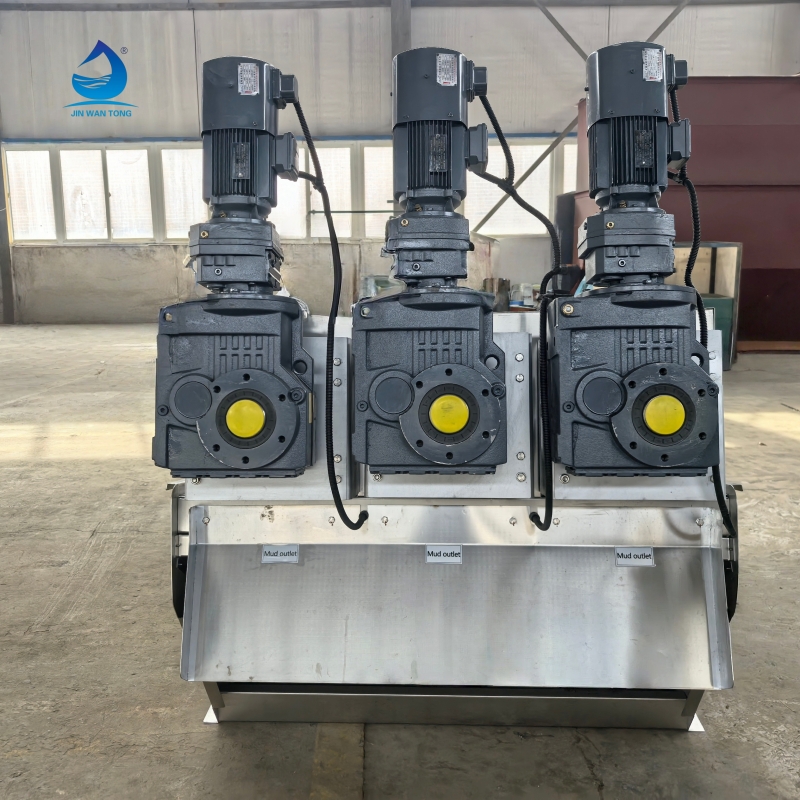
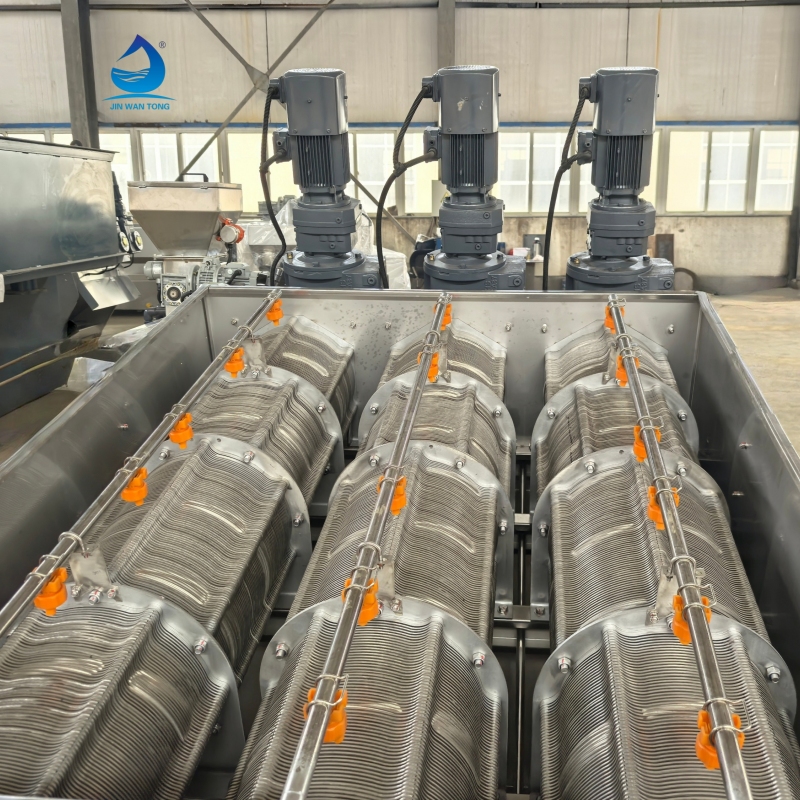
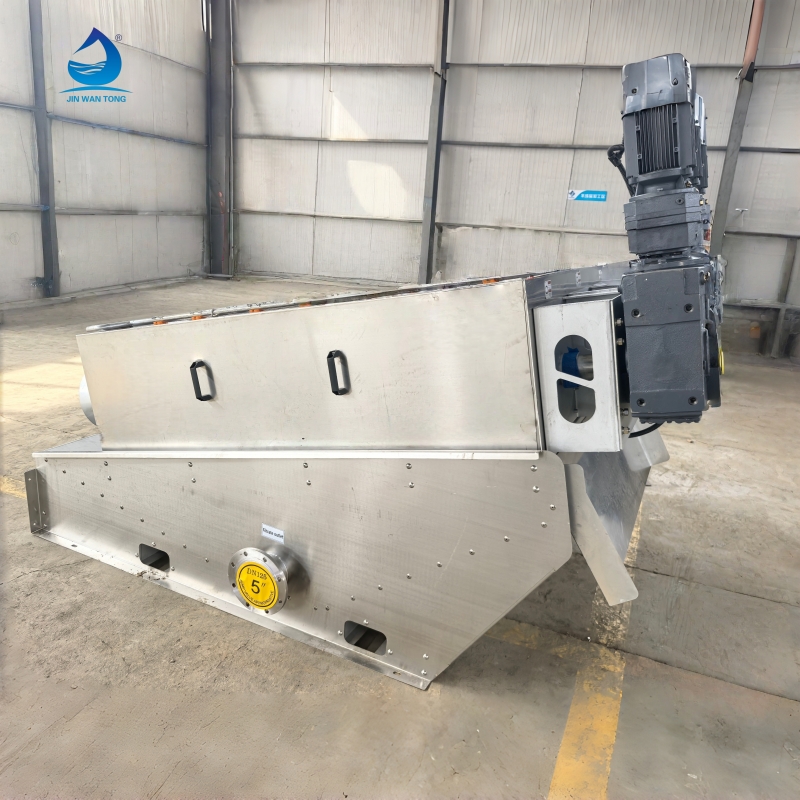
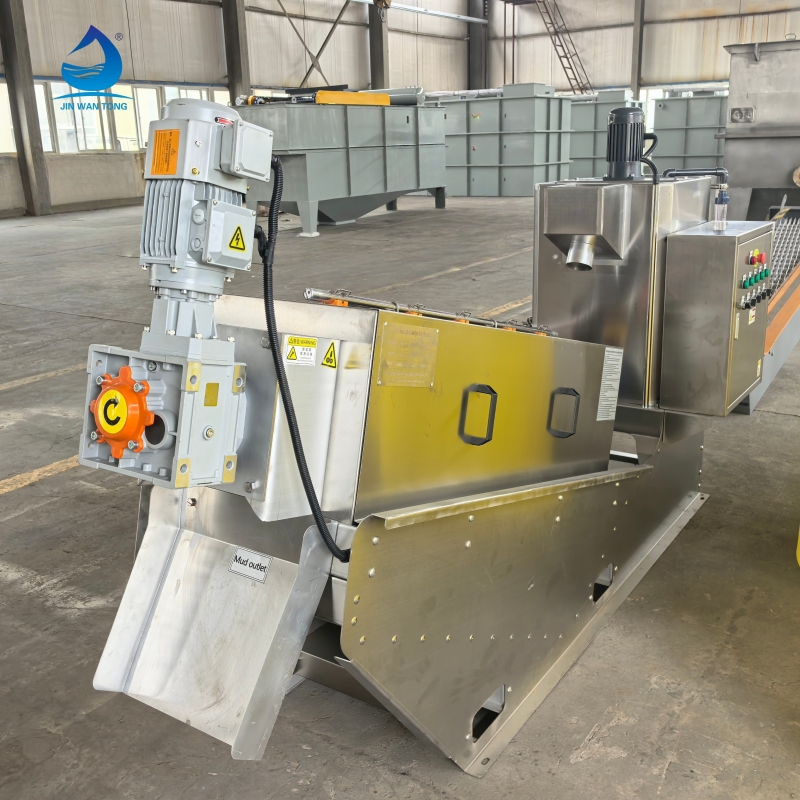
Stainless Steel Automatic Dewatering Multi Disc Screw Press Stacked Screw Sludge Dehydrator
Quick Detail:
Screw Dehydrator
- Overview
- Recommended Products
| Place of Origin: | Shandong,China |
| Brand Name: | JINWANTONG |
| Model Number: | JWT-STE |
| Certification: | CE/ISO |
| Minimum Order Quantity: | 1SET |
| Delivery Time: | 20DAYS |
| Payment Terms: | ALL |
Description:
WHAT IS SLUDGE SCREW PRESS DEWATERING?
Dewatering screw press separate liquids from solids. It is a slow-moving device that can dewater sludge by gravity. Screw presses are used for materials that are difficult to dewater, including materials that are stacked together. Screw presses use a filtration system to separate liquids from solid materials. The liquid is collected as it flows through a screen or filter and can be reused.
DAGYEE SCREW PRESS provides unique, cost effective solution for dewatering of Industrial and Municipal Process Equipment Packages. The device is designed to dewater the Primary Sludge and ƒor Secondary Sludge dewater sludge from a dry content of 0.8−4% to 15−20%.
HOW DOES SLUDGE SCREW DEWATERING WORK?
Sludge feeder via pump or inlet hopper into polymer addition is required for flocculation of the sludge and for best capture rate. And then via cylindrical microns wedge wire drum. A controlled variable speed shafted auger transports the solids towards the drum discharge. The auger shaft is tapered with a smaller diameter on the inlet side and a larger diameter on the discharge side. Consequently, the space between the shaft and drum reduces as the solids reach the discharge side. The counter pressure of the cone maximizes the dewatering effect.
General characteristics affecting dehydration performance:
Solid concentration
Biological characteristics of loading rate affecting dehydration performance
Type of sludge (main, activated waste, mixture)
Sludge treatment (digestion, heat, chemical)
Fibrous materials or filamentous bacteria Volatile Chemical properties of suspended solids affecting drainage performance
Nature of water in sludge (free, interstitial, combined)
Phosphorus (PO4-P)
Monovalent / divalent ion ratio
pH
Temperature
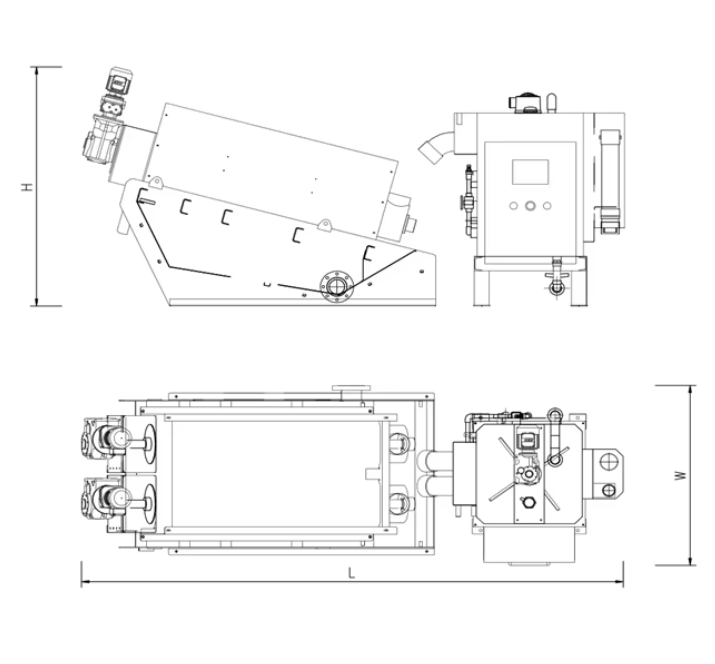
Applications:
Slaughtering plant, Potato plant, Rendering plant, Slaughtering plant, Tar Sands, Quarries, Airports, Biomass, gasification, Cement factory, Dairy Industry, Die Casting Industry , Flour Mill, Landfill and Municipal WWTP.
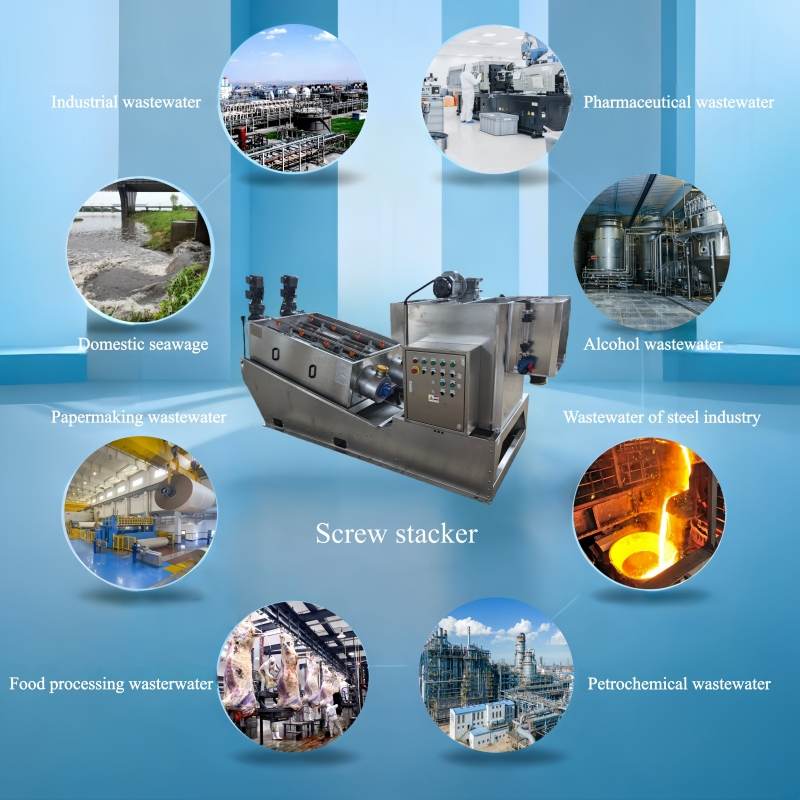
Specifications:
| Model number | Processing capacity(m3/h) | Specification dimensions | Desiccated mud processing capacity(kg) | Net weight(kg) | Spiral shaft (root) | Spiral shaft motor power | Power of the stirring deceleration motor | ||
| Long(mm) | Wide(mm) | High(mm) | |||||||
| DL171 | 0.5 | 1870 | 730 | 1070 | 5-10 | 250 | 1 | 0.18 | 0.18 |
| DL172 | 1 | 2000 | 960 | 1070 | 10-20 | 350 | 2 | 0.18 | 0.18 |
| DL221 | 1.5 | 2340 | 865 | 1260 | 15-30 | 400 | 1 | 0.25 | 0.37 |
| DL271 | 2 | 2690 | 880 | 1460 | 20-40 | 500 | 1 | 0.37 | 0.55 |
| DL301 | 3 | 2900 | 910 | 1550 | 30-60 | 650 | 1 | 0.75 | 0.55 |
| DL351 | 5 | 3300 | 1020 | 1750 | 50-100 | 1050 | 1 | 1.1 | 0.75 |
| DL302 | 6 | 3020 | 1160 | 1550 | 60-120 | 1100 | 2 | 0.75*2 | 0.55 |
| DL401 | 8 | 3820 | 1150 | 2020 | 80-160 | 1800 | 1 | 1.5 | 1.1 |
| DL303 | 9 | 3220 | 1530 | 1550 | 90-180 | 1700 | 3 | 0.75*3 | 0.75 |
| DL352 | 10 | 3500 | 1350 | 1750 | 100-200 | 1700 | 2 | 1.1*2 | 0.75 |
| DL353 | 15 | 3700 | 1760 | 1750 | 150-360 | 2300 | 3 | 1.1*3 | 1.1 |
| DL402 | 16 | 4050 | 1590 | 2020 | 160-320 | 2500 | 2 | 1.5*2 | 1.1 |
| DL521 | 20 | 4945 | 1610 | 2700 | 200-400 | 3500 | 1 | 2.2 | 2.2 |
| DL403 | 24 | 4330 | 2000 | 2020 | 240-480 | 4200 | 3 | 1.5*3 | 2.2 |
| DL404 | 32 | 4540 | 2530 | 2020 | 320-640 | 6000 | 4 | 1.5*4 | 2.2 |
| DL522 | 40 | 4945 | 2352 | 2700 | 400-800 | 6500 | 2 | 2.2*2 | 2.2*2 |
Competitive Advantage:
Automatic operation
High quality and Reliability
Continuous functioning Quick and easy installation Low energy consumption Innovative washing System Dewatering and discharge in one equipment
Manufactured in Stainless Steel AISI 304 and 316(L) Easy removable covers for hygienic inspection
Low and easy maintenance
FAQ:
1.How is the filtering effect of the equipment?
Generally speaking, it is effective in removing suspended solids in sewage. The COD and BOD indicators of the treated sewage can be greatly reduced to meet the national discharge standards or reuse standards, and the content of nutrients such as nitrogen and phosphorus in sewage can be reduced. Avoid eutrophication of water bodies.
2.What is the technical principle of the device?
Sewage treatment equipment is mainly based on sedimentation,filtration,flotation, adjusting the pH of sewage, adding coagulants to sewage, redox reactions, AO treatment processes, and MBBR/MBR treatment processes.
3.How long is the equipment warranty period?
The warranty period of our equipment is1 year. For the exported equipment, we will provide an extra set of vulnerable parts, which can be directly replaced if they are broken.
4.How to prevent equipment corrosion?
Our equipment is made of high-quality corrosion-resistant materials (such as 304 and 316 stainless steel), and anti-corrosion coatings are applied to the surface of the equipment. More importantly, we strictly follow standard procedures for painting.