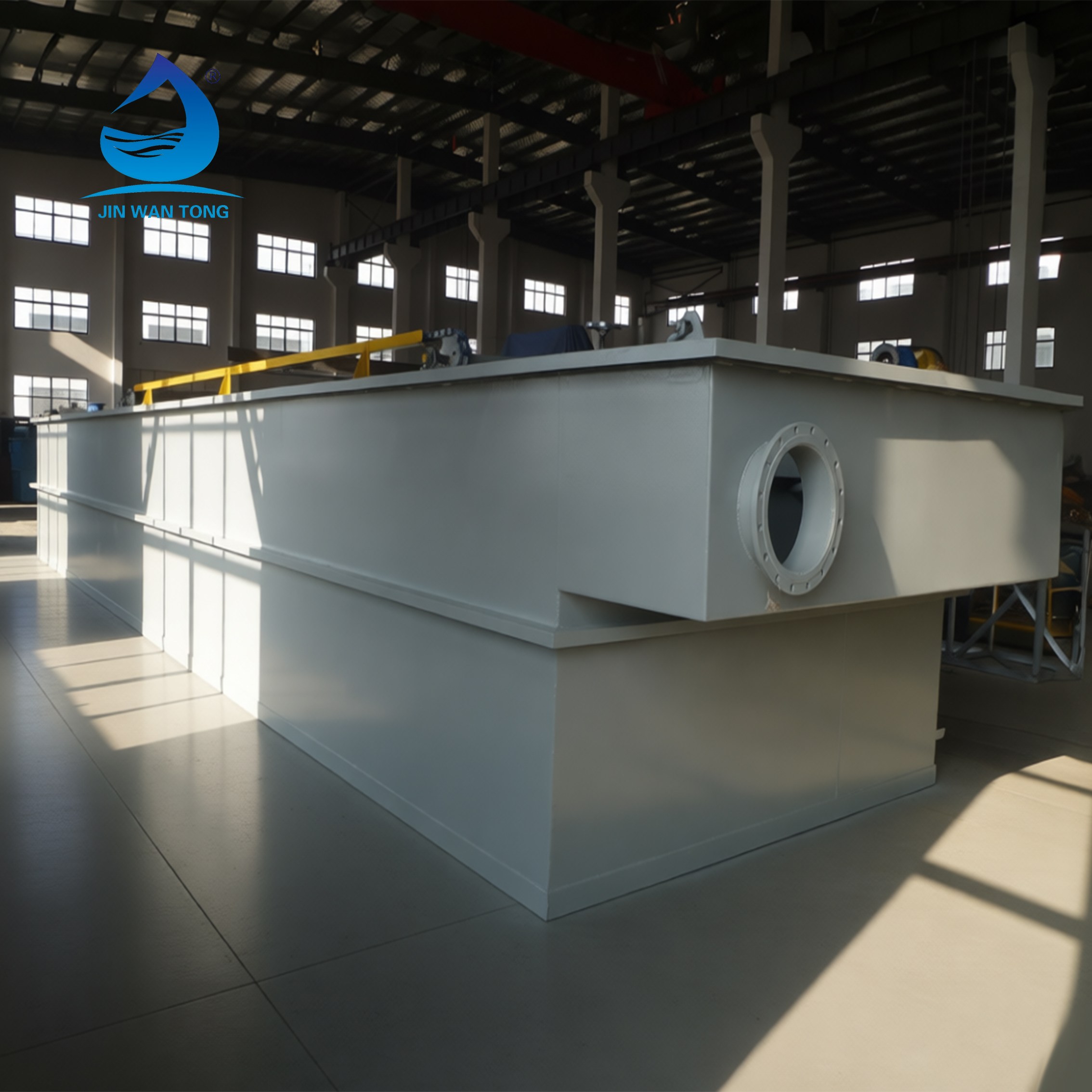
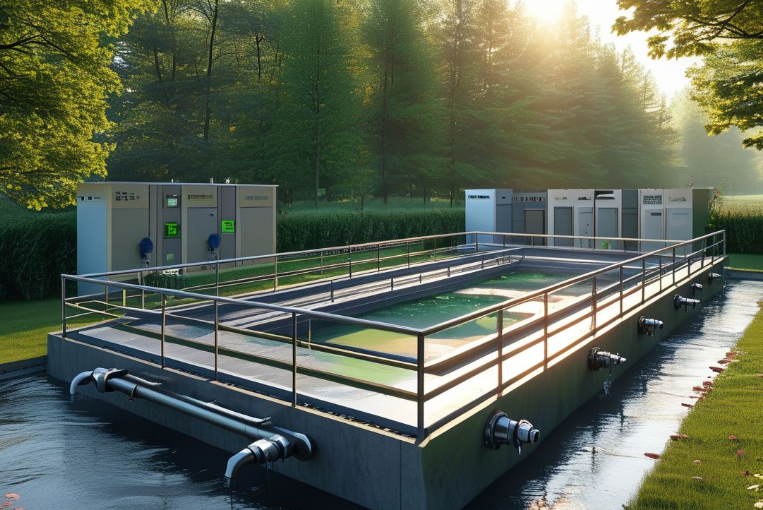
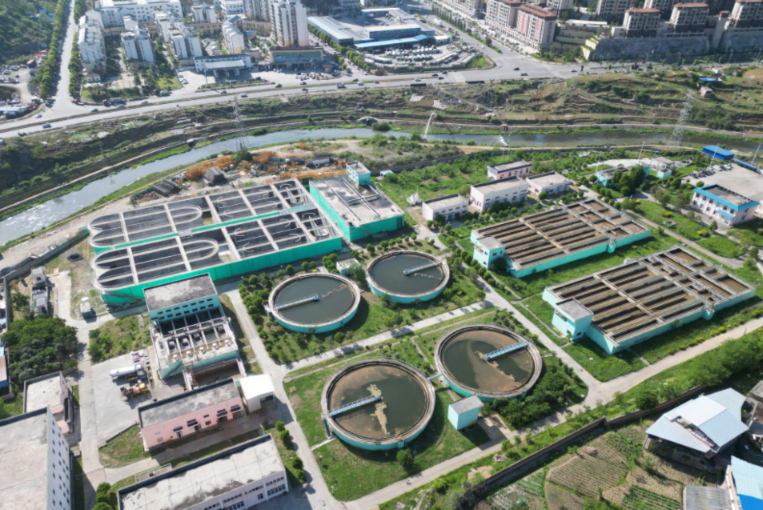
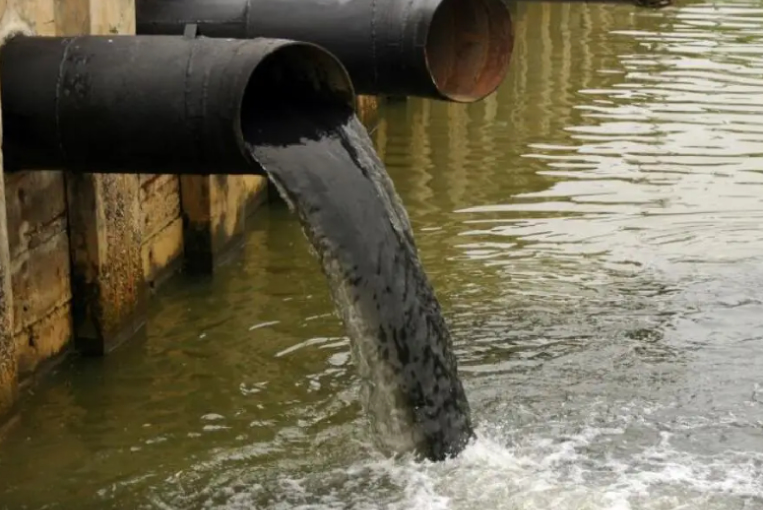
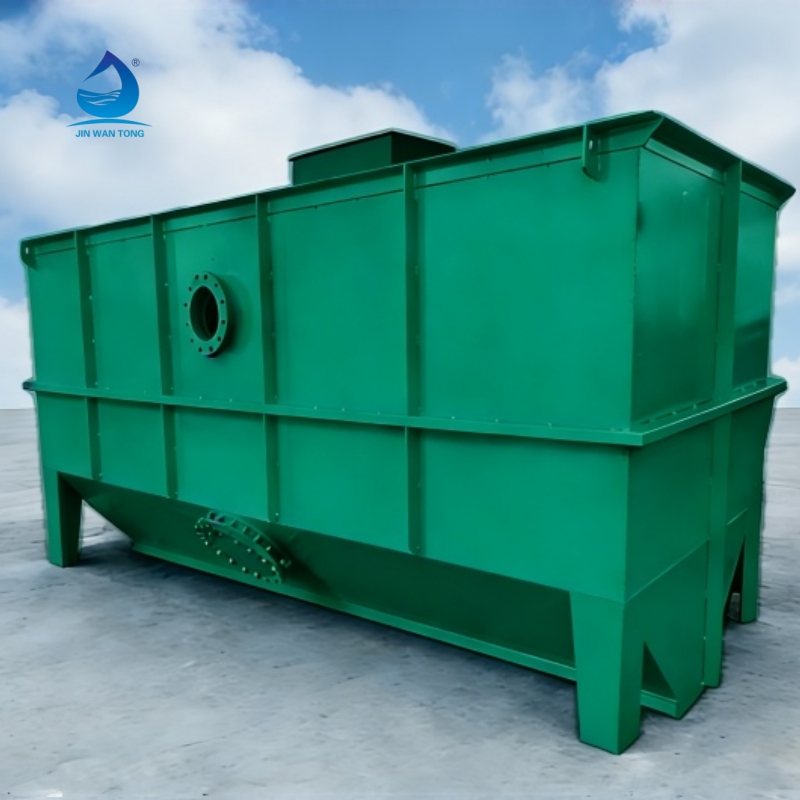
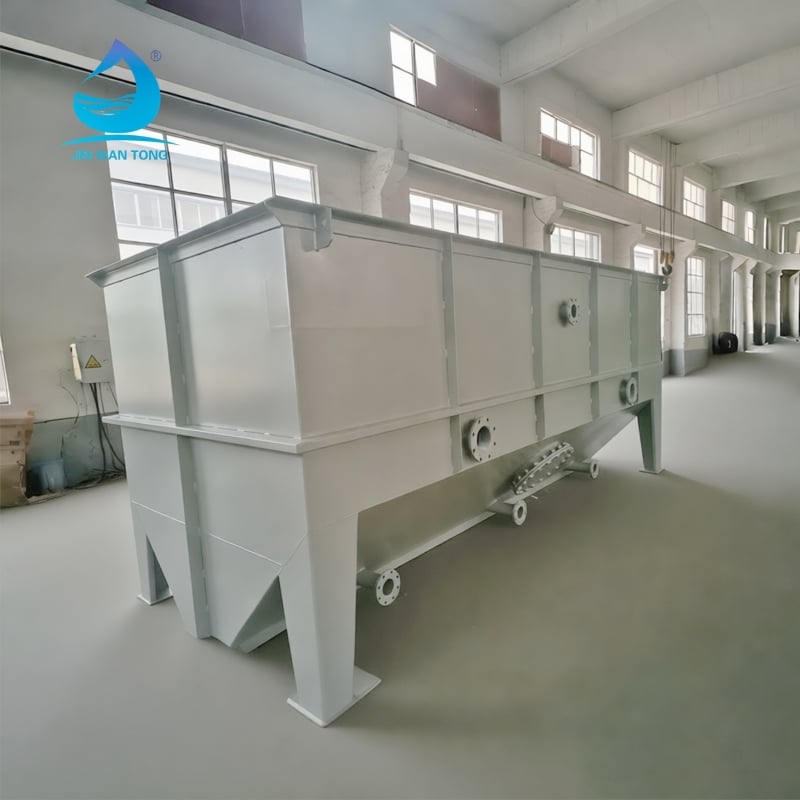
A CPI filter for chemical wastewater is a physical pretreatment device used to remove free oil, floating oil, grease and some settleable solids from chemical industrial wastewater. CPI stands for Corrugated Plate Interceptor. Although it is often called a “filter” in procurement searches, its main function is not fine filtration, but gravity-based oil-water separation using inclined corrugated plates.
Chemical wastewater may contain oil, solvents, acids, alkalis, salts, suspended solids, emulsified substances and organic pollutants. When free oil is present, it should usually be removed before downstream treatment. If oil enters DAF units, biological tanks, filters or membrane systems in high concentration, it may cause clogging, fouling, unstable treatment performance and higher maintenance cost.
The working principle of a CPI separator is based on density difference and coalescence. Wastewater enters the inlet distribution zone and flows slowly through corrugated plate packs. Because oil is lighter than water, oil droplets rise along the plate surfaces and combine into larger droplets. These droplets float to the oil collection zone and are discharged by an oil skimming or oil outlet system. Heavier solids settle at the bottom and are removed through the sludge discharge section. Clarified water flows out for further treatment.
A typical process is:
Chemical Oily Wastewater → Inlet Distribution → CPI Plate Separation → Oil Collection → Sludge Discharge → Further TreatmentA complete CPI filter system may include an inlet chamber, flow distribution device, corrugated plate pack, oil collection area, oil skimmer or oil discharge pipe, sludge hopper, sludge discharge valve, water outlet chamber, inspection cover, pipelines, valves and optional control system. For chemical wastewater, material selection is especially important. Depending on pH, salinity, corrosive chemicals and operating conditions, the equipment can be customized with carbon steel anti-corrosion coating, stainless steel, FRP or other suitable materials.
For equipment selection, buyers should provide more than flow rate. Key parameters include influent flow, peak flow, free oil concentration, oil droplet size, TSS, pH range, temperature, viscosity, density difference between oil and water, corrosiveness, required effluent oil level, installation space and downstream process. If the wastewater contains stable emulsified oil, dissolved organics or surfactants, CPI separation alone may not be enough. It may need to work with demulsification, coagulation, DAF, filtration, biological treatment or membrane treatment.
Regular maintenance is also necessary. Operators should remove collected oil, discharge sludge, inspect plate packs, clean blocked channels and check valves and pipelines. Poor oil removal or delayed sludge discharge can reduce separation efficiency and affect outlet water quality.
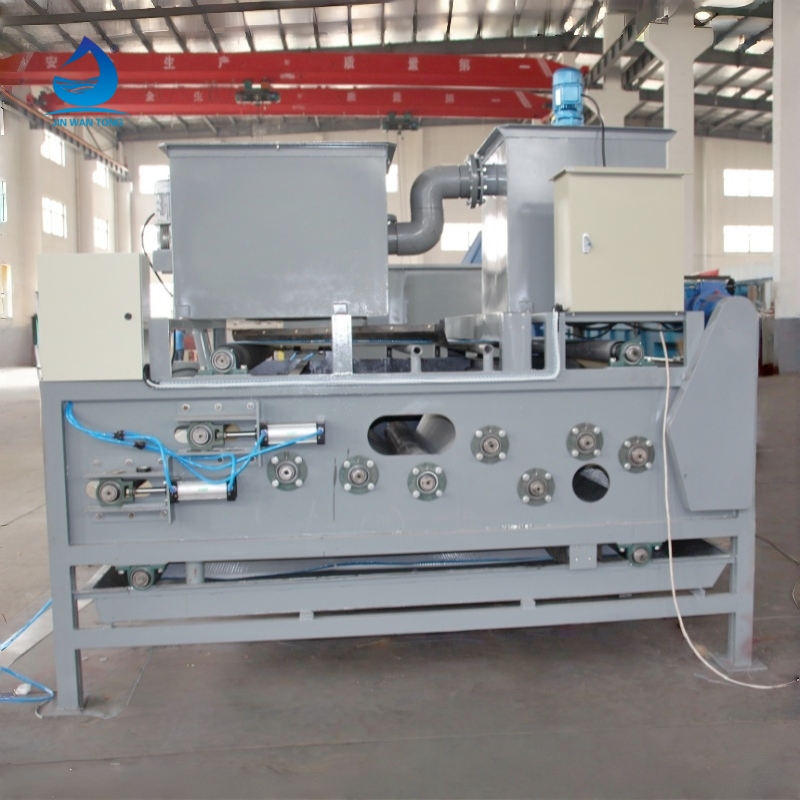
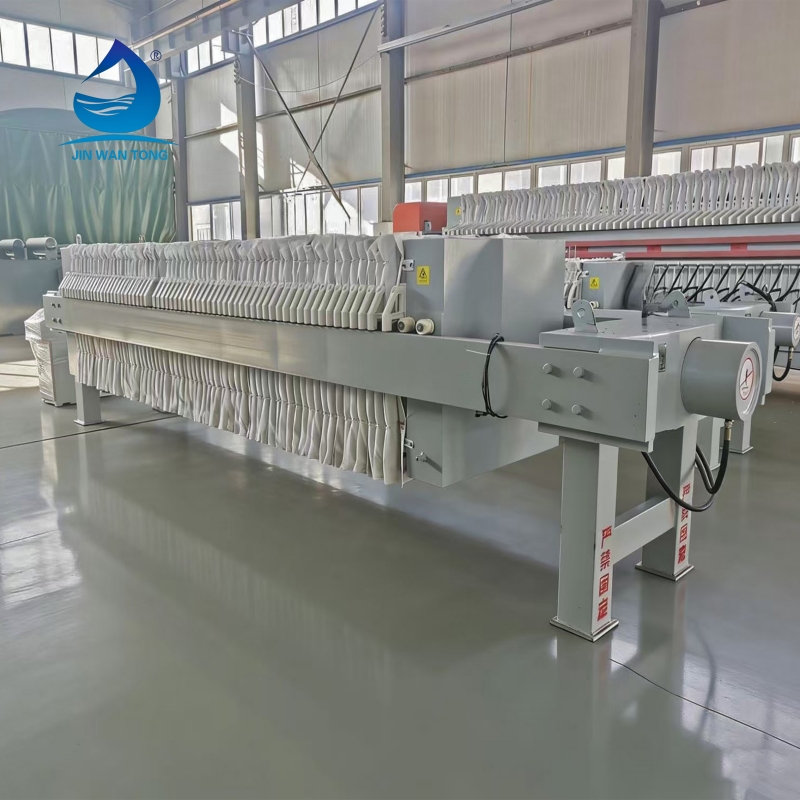
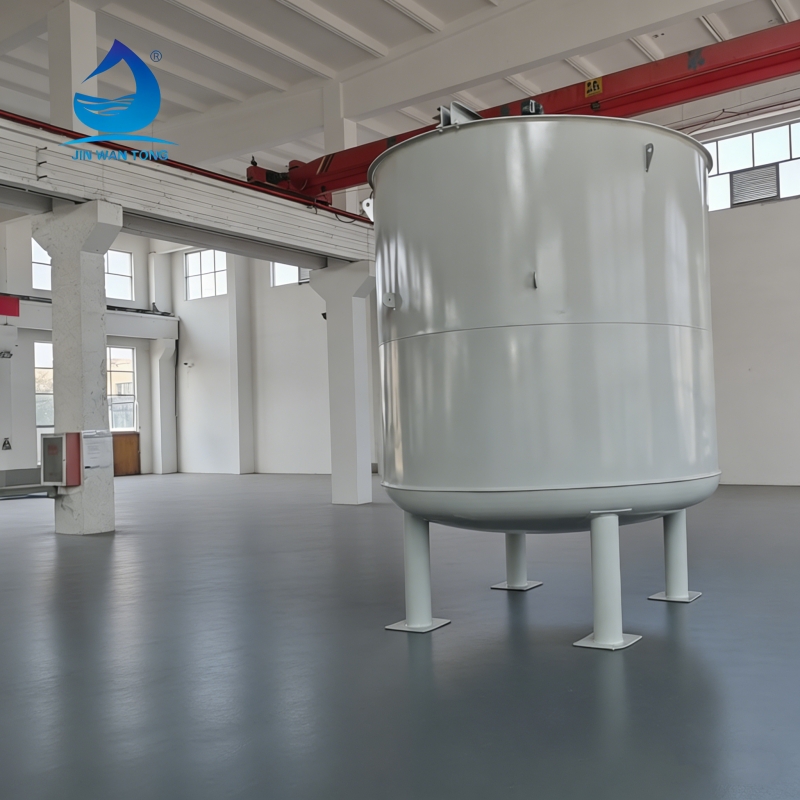
Qingdao Jinwantong provides customized CPI filters and supporting wastewater treatment equipment for chemical and industrial applications. Buyers can send water quality data, flow rate, oil concentration, TSS, pH, site layout and treatment target for technical selection and quotation.
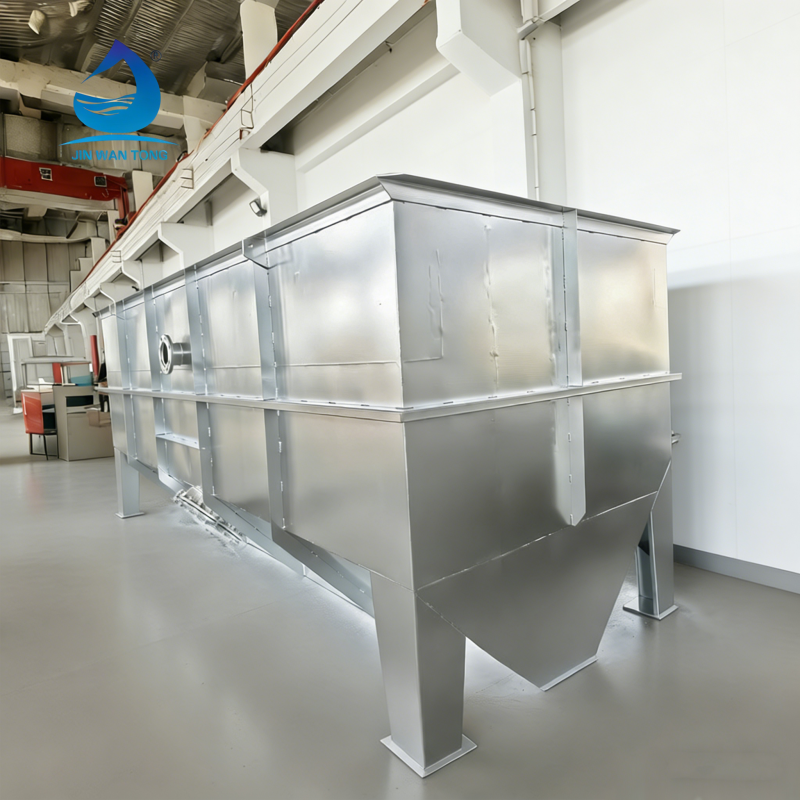
Qingdao Jinwantong provides industrial sewage treatment equipment for global clients. Our MBR, DAF, STP, and oil-water separation systems ensure compliance with national discharge standards. Trusted across 6 continents. Contact us today.
43,Cangnan Road, Cangma Town, Qingdao, Shandong, China
Copyright © 2026 Qingdao Jinwantong Environmental Science And Technology Co., Ltd. All rights reserved. Privacy Policy
 EN
EN