Low Operating Costs Through Minimal Maintenance Requirements
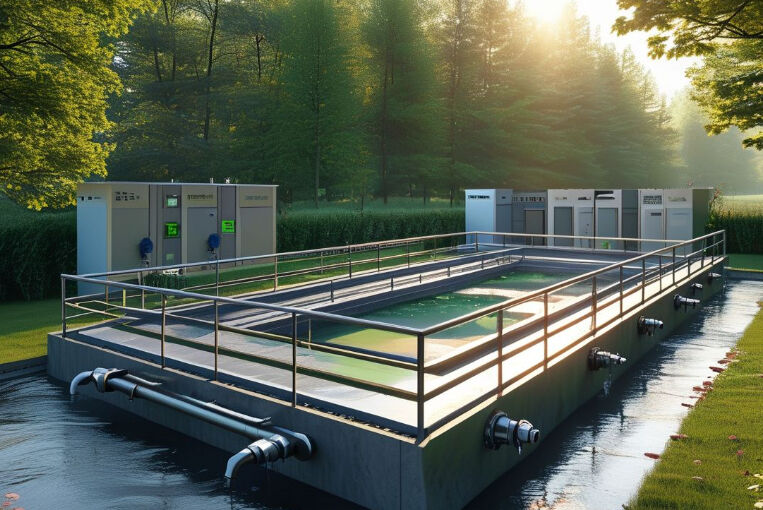
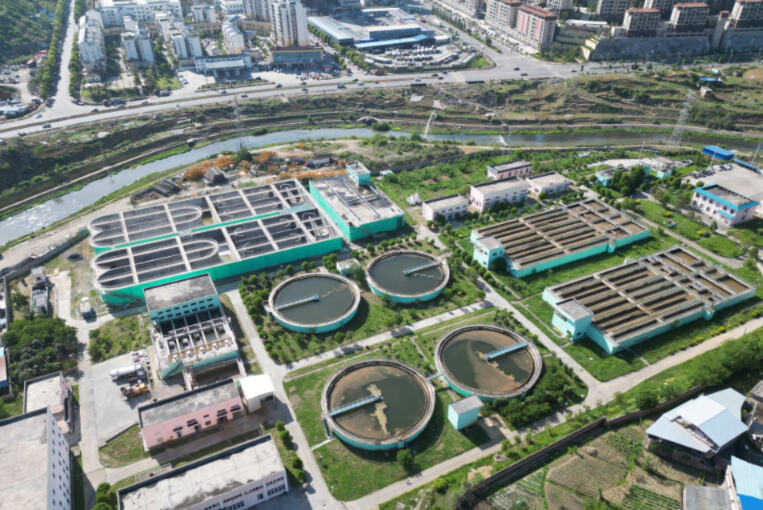
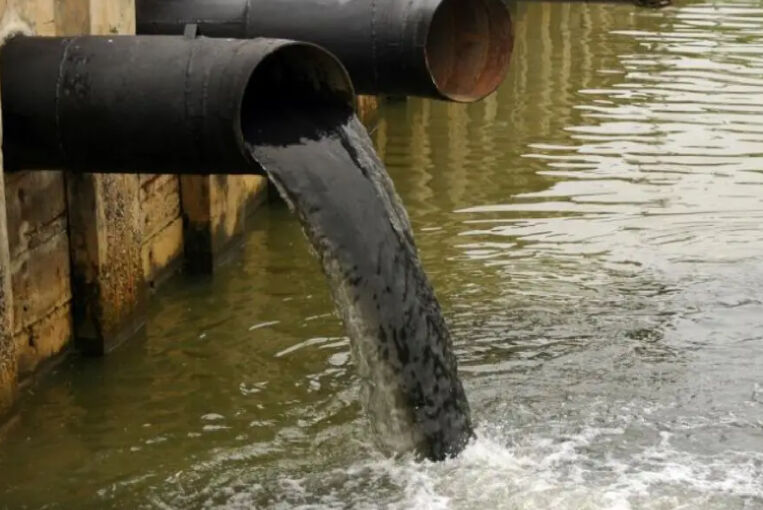
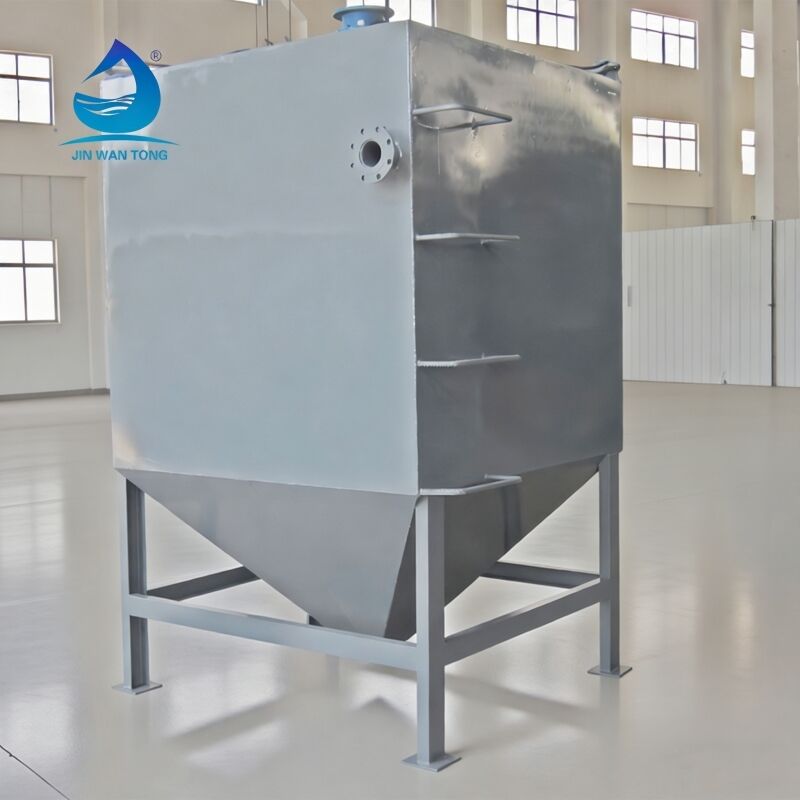
The CPI oil water separator achieves remarkable economic efficiency through its inherently low-maintenance design that minimizes operational costs while delivering consistent high-performance treatment results over extended service periods. The gravity-based separation process eliminates the need for energy-intensive mechanical components such as centrifugal pumps, air compressors, or flotation systems, resulting in significantly reduced utility costs and mechanical wear points that require regular maintenance attention. Self-cleaning corrugated plates prevent the accumulation of solids and biological growth that typically plague other separator technologies, extending maintenance intervals and reducing labor requirements for routine cleaning operations. The CPI oil water separator incorporates automatic sludge removal mechanisms that continuously transport separated oil to collection points, eliminating manual skimming operations and reducing operator intervention requirements to periodic inspections and system monitoring activities. Corrosion-resistant materials throughout the system construction ensure long service life even in aggressive industrial environments, with protective coatings and metallurgy selections that withstand exposure to petroleum products, acids, bases, and high-temperature conditions without degradation. The absence of moving parts in the separation zone eliminates bearing replacements, belt adjustments, and motor maintenance that characterize mechanical separation systems, resulting in predictable maintenance schedules and reduced spare parts inventory requirements. Monitoring systems provide early warning indicators for maintenance needs, allowing planned maintenance activities during scheduled downtime rather than emergency repairs that disrupt production operations and increase costs. The CPI oil water separator design facilitates easy access for inspection and maintenance activities, with removable covers and strategically located service connections that minimize maintenance time and labor costs. Quality construction materials and precision manufacturing ensure consistent performance over decades of operation, with many installations demonstrating reliable service for 20-30 years with only routine maintenance requirements. The economic benefits extend beyond direct maintenance savings to include reduced insurance costs due to improved environmental compliance, lower regulatory monitoring expenses, and decreased liability exposure from potential discharge violations that could result in significant financial penalties and remediation costs.
 EN
EN