Domestic sewage treatment plant prices are not determined by capacity alone. Two projects with the same daily flow may have very different costs if the sewage quality, discharge standard, installation type or automation level is different. For B2B buyers, the right question is not only “How much is the equipment?” but “What configuration can meet the required effluent standard with practical operating cost?”
A typical domestic sewage treatment process may include:
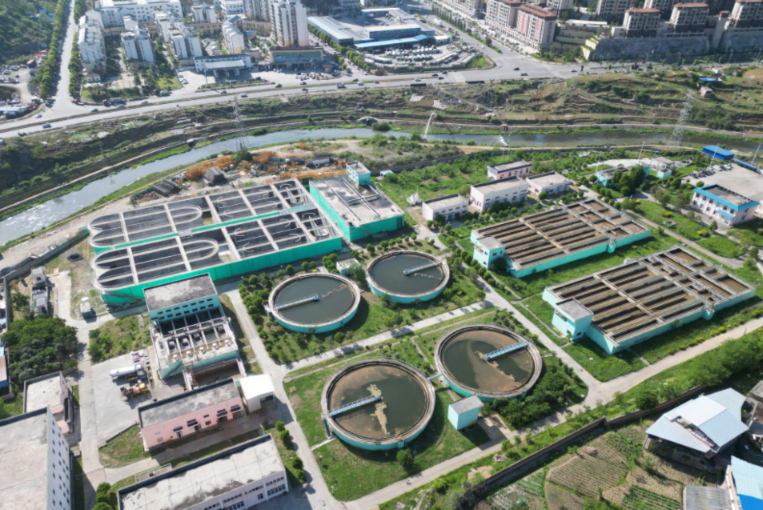
Domestic Sewage → Screening → Equalization → Biological Treatment → Clarification / Membrane → Disinfection → Discharge or ReuseThe first price factor is capacity. A small system for villas, camps or rural communities may require a compact packaged unit, while a larger system for residential compounds, hotels or schools needs bigger tanks, stronger pumps, larger blowers and more control components. Peak flow is also important because domestic sewage often fluctuates during morning, evening or seasonal periods.
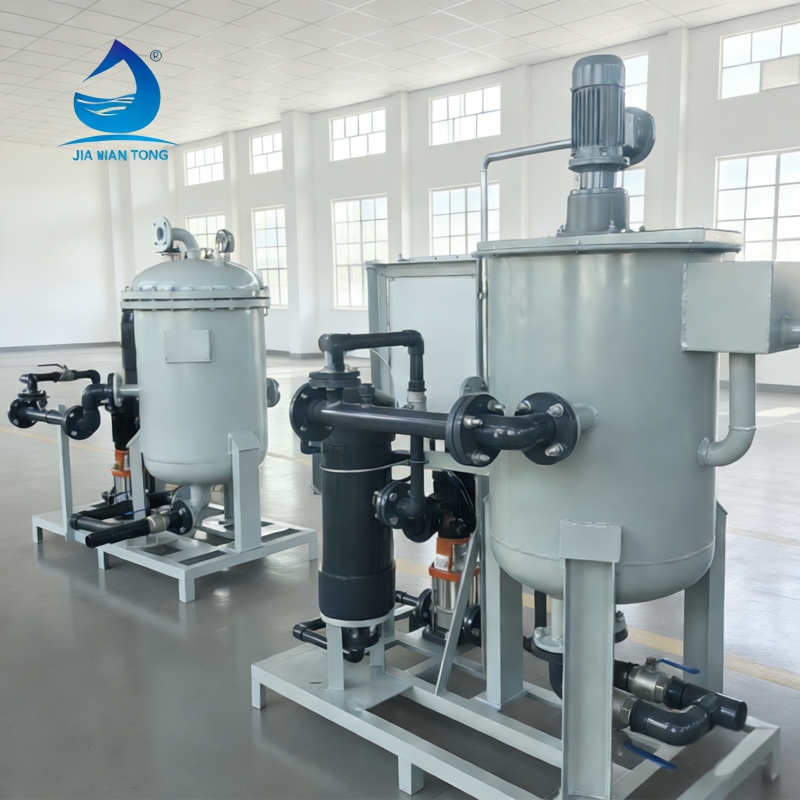
The second factor is treatment process. MBR systems usually have higher equipment cost because membranes and membrane cleaning systems are required, but they can offer better effluent quality and smaller footprint. MBBR systems use biofilm carriers and are often suitable for projects needing stable biological treatment and resistance to load fluctuation. SBR systems can be practical for variable-flow sewage projects because treatment steps occur in timed cycles.
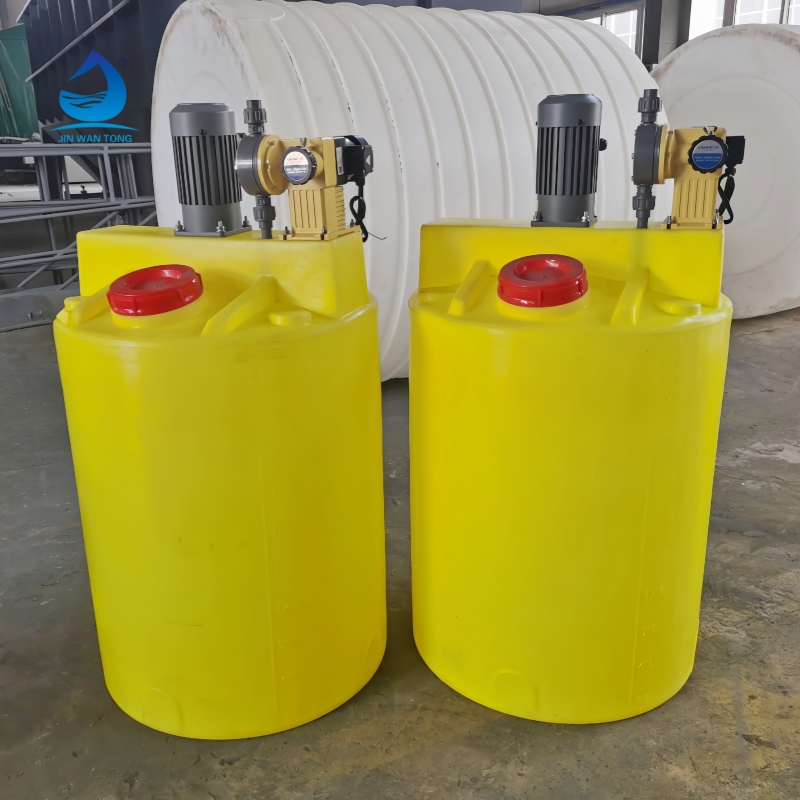
The third factor is effluent standard. Basic discharge may only require biological treatment and sedimentation, while stricter standards may need membrane separation, filtration, disinfection, nitrogen removal, phosphorus removal or additional dosing. If treated water is reused for irrigation, flushing or landscaping, polishing units may increase the total price.
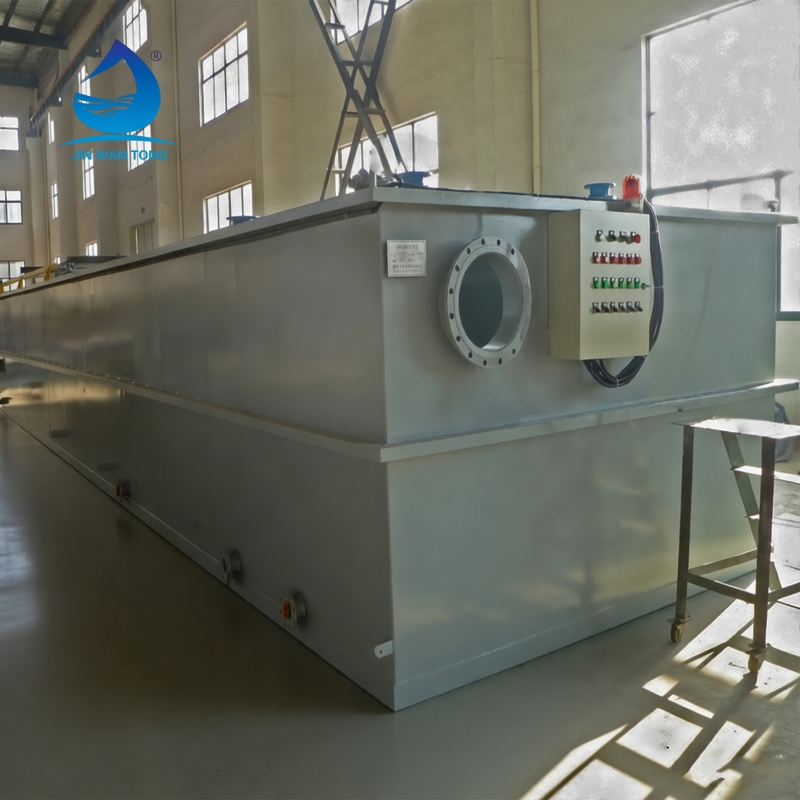
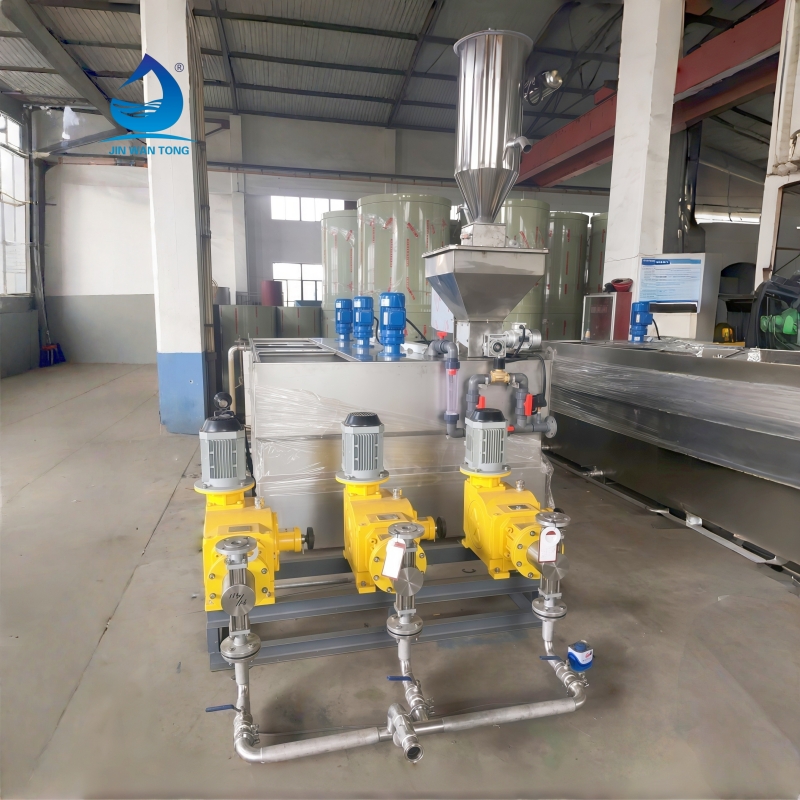
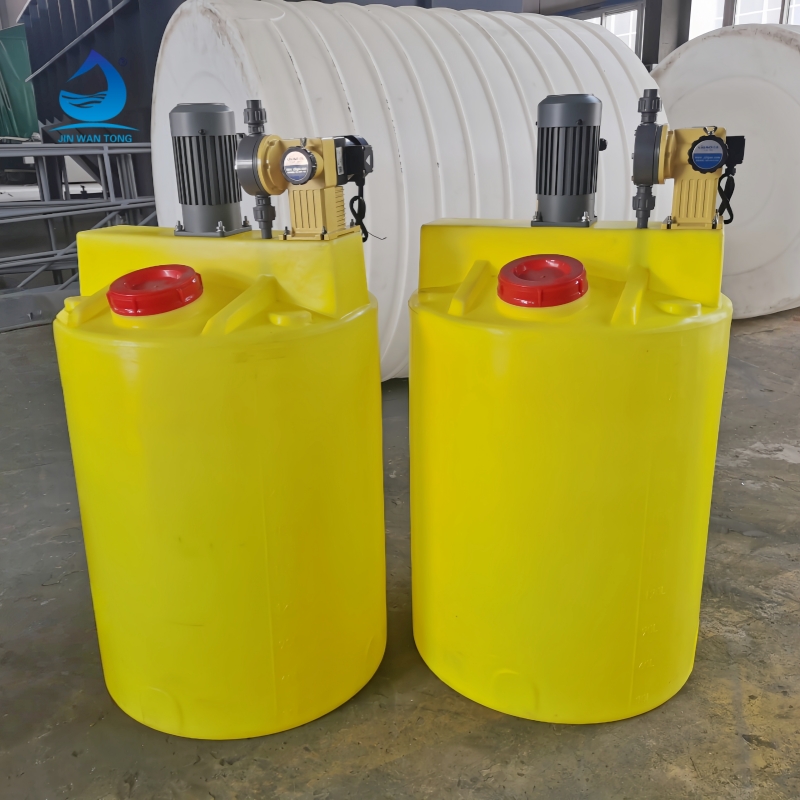
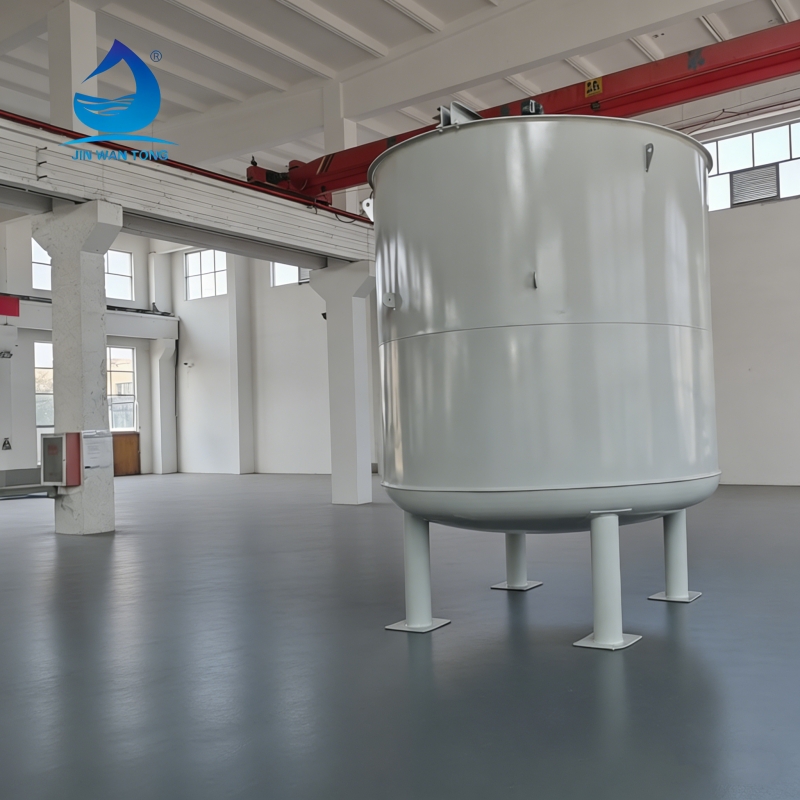
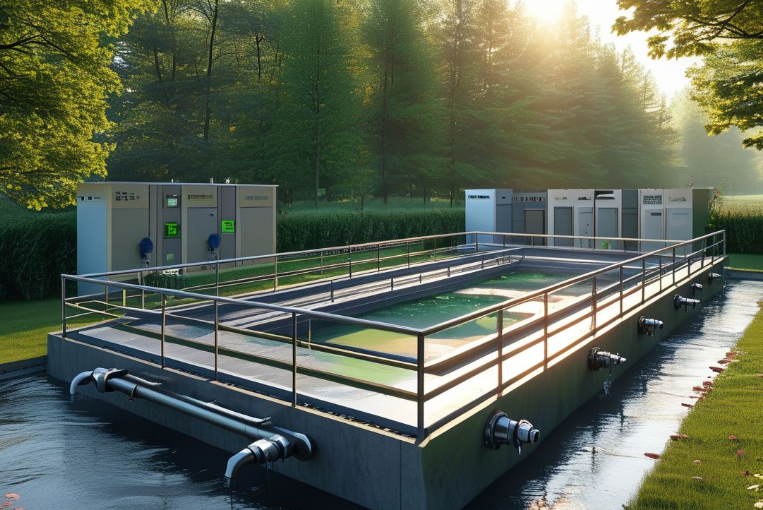
The fourth factor is installation and material requirements. Underground sewage treatment plants may need stronger tank structures, anti-corrosion design, access covers, ventilation and civil coordination. Containerized or skid-mounted systems may require different layouts for transport, lifting and commissioning. Tank material, control cabinet, automation level, pump brand, blower configuration and local electrical standards also affect the quotation.
Buyers should provide daily flow, peak flow, number of users, sewage source, COD, BOD, TSS, ammonia nitrogen, oil content, pH, discharge standard, site layout, installation type, power supply and project location. With this information, Qingdao Jinwantong can recommend a suitable packaged sewage treatment plant, MBR/MBBR/SBR system or customized biological treatment solution.
It is important to avoid choosing only the lowest price. Undersized tanks, weak aeration, poor pretreatment or inconvenient sludge removal may lead to unstable discharge and higher long-term cost. Send your project data to receive a practical configuration and quotation.
Qingdao Jinwantong provides industrial sewage treatment equipment for global clients. Our MBR, DAF, STP, and oil-water separation systems ensure compliance with national discharge standards. Trusted across 6 continents. Contact us today.
43,Cangnan Road, Cangma Town, Qingdao, Shandong, China
Copyright © 2026 Qingdao Jinwantong Environmental Science And Technology Co., Ltd. All rights reserved. Privacy Policy
 EN
EN
![Domestic Sewage Treatment Plant Prices: Custom Cost Guide [2024]](https://shopcdnalpha.grainajz.com/category/490644/4541/5e8e72605a051cebc5808f1507d28a6e/9e905524-b369-4129-aaeb-ad6fa9da8177.jpg.png)
![Domestic Sewage Treatment Plant Prices: Custom Cost Guide [2024]](https://shopcdnalpha.grainajz.com/category/490644/4541/7fa1eeb77169a66ca333621fc3adb24d/f703da74-1ba8-457d-b010-300a5a5b1b5d.jpg.png)