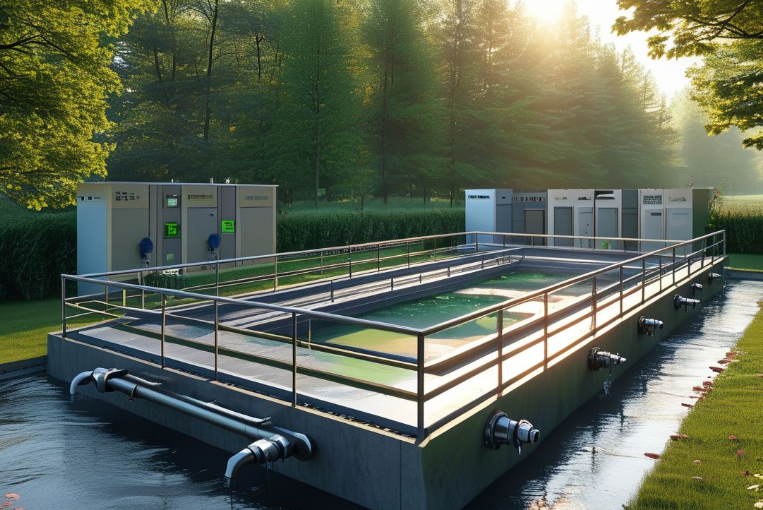
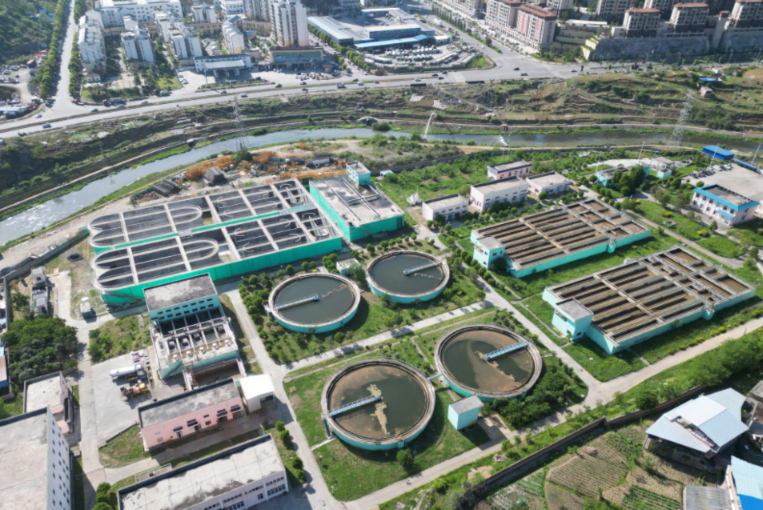
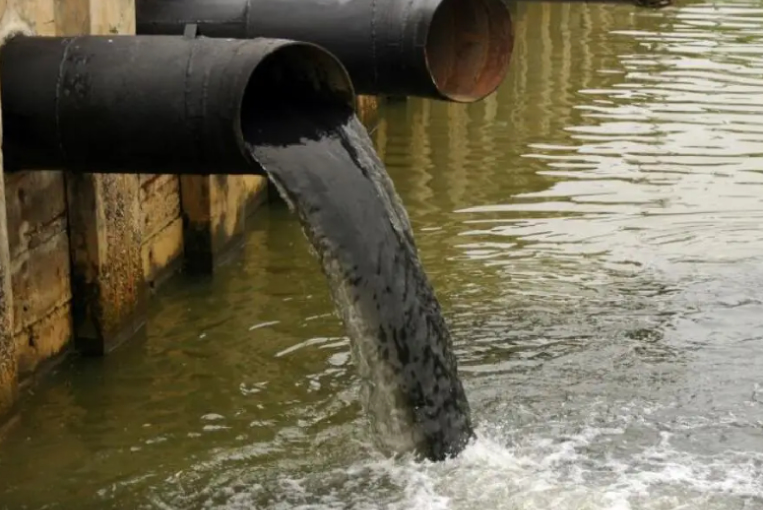
A mini sewage treatment plant is a small-capacity sewage treatment system used to treat domestic wastewater close to the source of generation. It is commonly selected for locations where municipal sewer connection is difficult, expensive or unavailable. Instead of building a large civil wastewater plant, buyers can use a packaged or modular system to treat sewage from toilets, bathrooms, kitchens, cleaning areas and living facilities.
A typical process may include:
Sewage → Screening → Equalization → Biological Treatment → Clarification / Membrane → Disinfection → Discharge or ReusePretreatment is the first step. A screen removes large solids such as tissues, plastics and food residues. An equalization tank balances flow and pollutant concentration, which is important for small systems because sewage discharge often changes sharply during the day. If the project includes kitchens or restaurants, grease traps or oil-water separators may be required before biological treatment.
Biological treatment is the core of most mini sewage systems. MBR technology combines activated sludge treatment with membrane separation, producing clearer effluent in a compact footprint. MBBR technology uses suspended biofilm carriers to increase microbial concentration and improve resistance to load fluctuation. SBR technology completes filling, aeration, settling and decanting in one reactor through timed cycles, making it suitable for variable-flow projects. The correct process depends on capacity, influent quality, discharge standard, available space, maintenance level and budget.
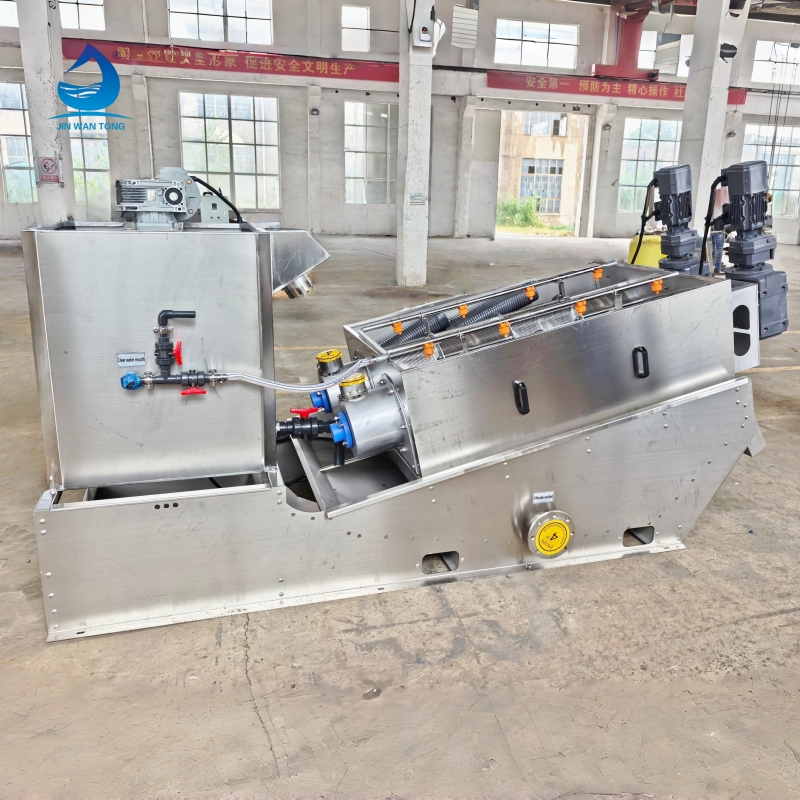
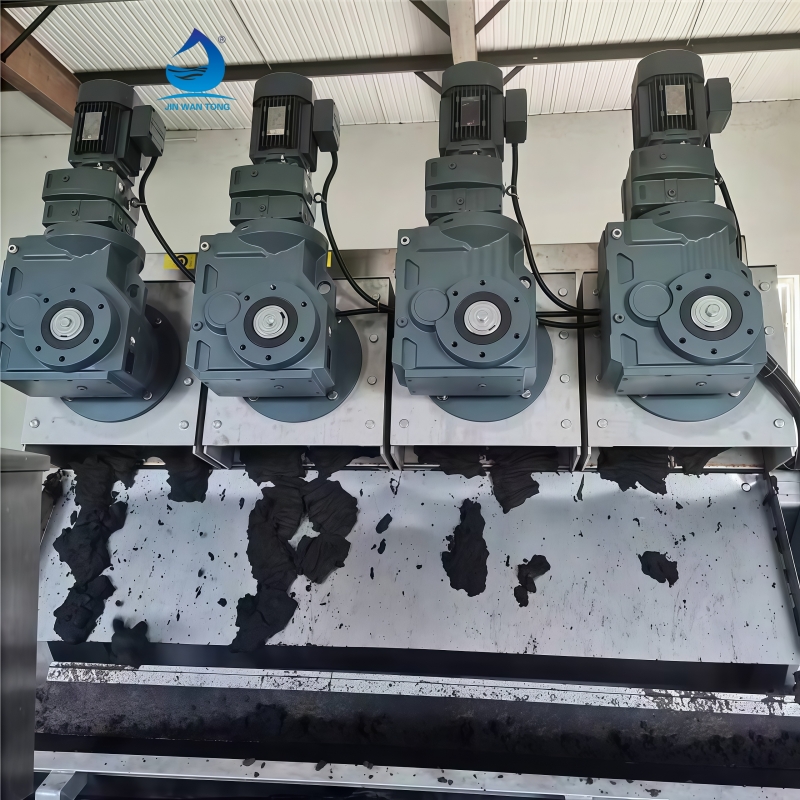
After biological treatment, sedimentation, filtration or disinfection may be added. Disinfection is recommended when treated water is discharged to sensitive areas or reused for irrigation, toilet flushing or landscaping. Sludge produced during treatment must be removed periodically. For small plants, simple sludge collection may be enough; for larger mini systems, sludge dewatering equipment may help reduce disposal volume.
For correct selection, buyers should provide daily flow, peak flow, number of users, sewage source, COD, BOD, TSS, ammonia nitrogen, oil content, pH, discharge standard, installation location, available space, power supply and automation requirements. These factors affect tank volume, blower size, membrane area, carrier filling ratio, pump selection and control logic.
It is important to avoid selecting a mini plant only by population. A campsite, hotel, school and office building with the same number of users may generate very different sewage loads and peak flows. Qingdao Jinwantong provides customized compact sewage treatment systems and related equipment. Buyers can send project data, site drawings and discharge targets for process selection and quotation support.
Qingdao Jinwantong provides industrial sewage treatment equipment for global clients. Our MBR, DAF, STP, and oil-water separation systems ensure compliance with national discharge standards. Trusted across 6 continents. Contact us today.
43,Cangnan Road, Cangma Town, Qingdao, Shandong, China
Copyright © 2026 Qingdao Jinwantong Environmental Science And Technology Co., Ltd. All rights reserved. Privacy Policy
 EN
EN