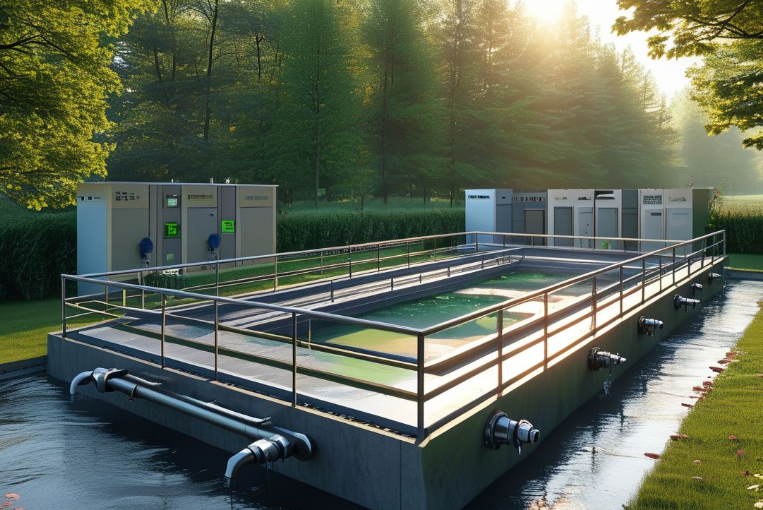
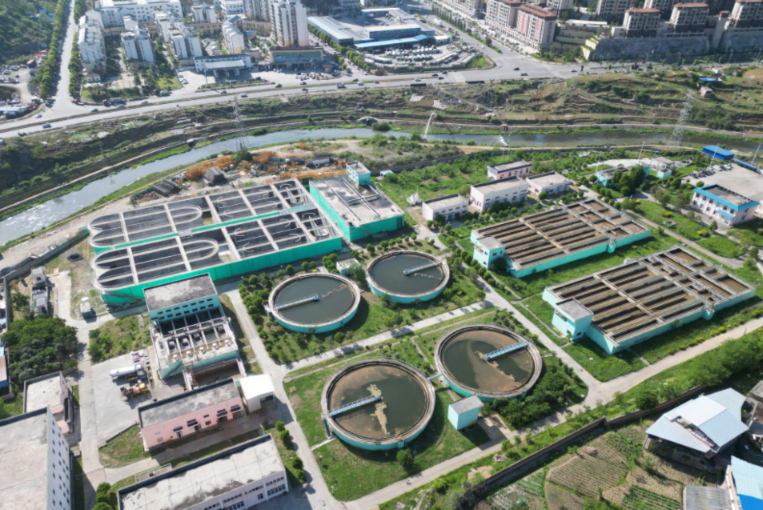
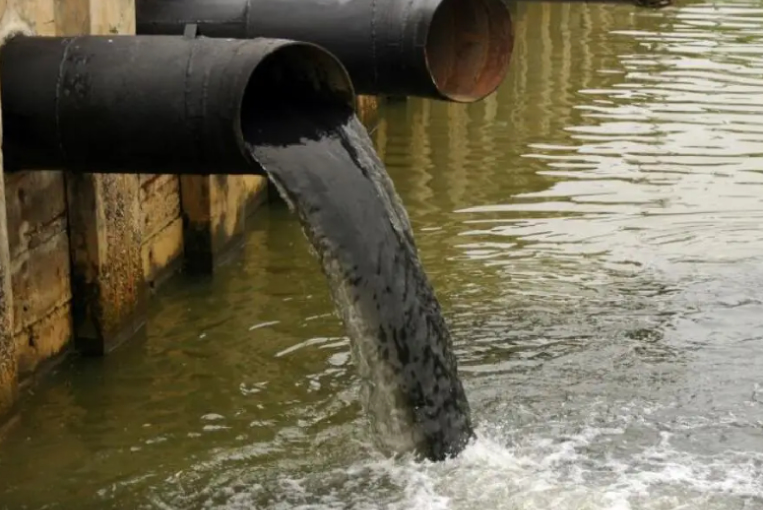
An effluent water treatment plant is a complete system used to remove pollutants from wastewater and produce treated effluent that meets discharge or reuse requirements. It can be applied to domestic sewage, commercial wastewater, municipal wastewater and biodegradable industrial effluent. For B2B buyers, the key is not only purchasing equipment, but selecting a process that can match influent conditions and outlet standards.
A typical process may include:
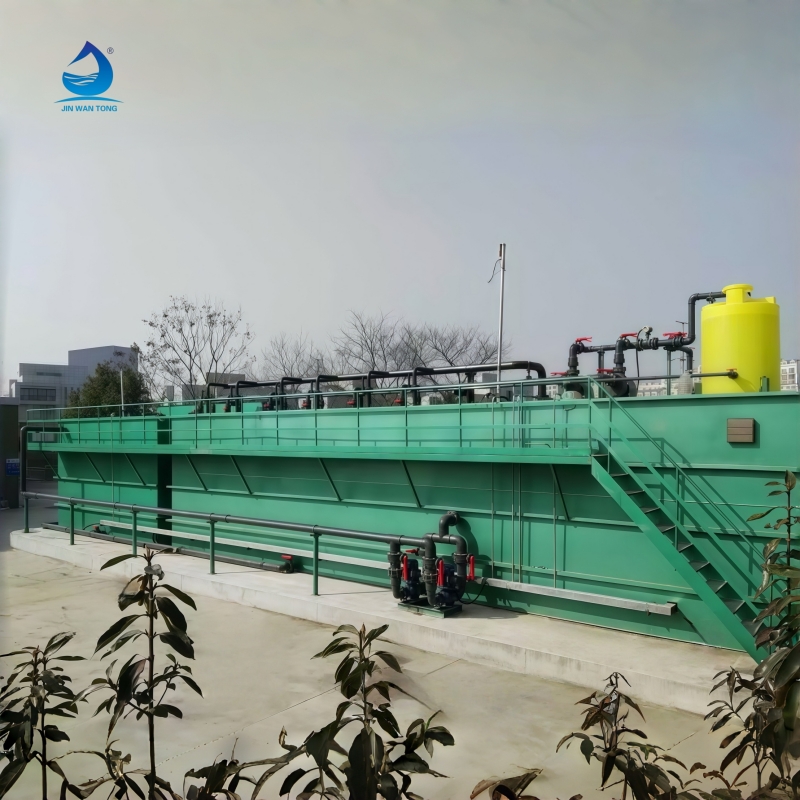
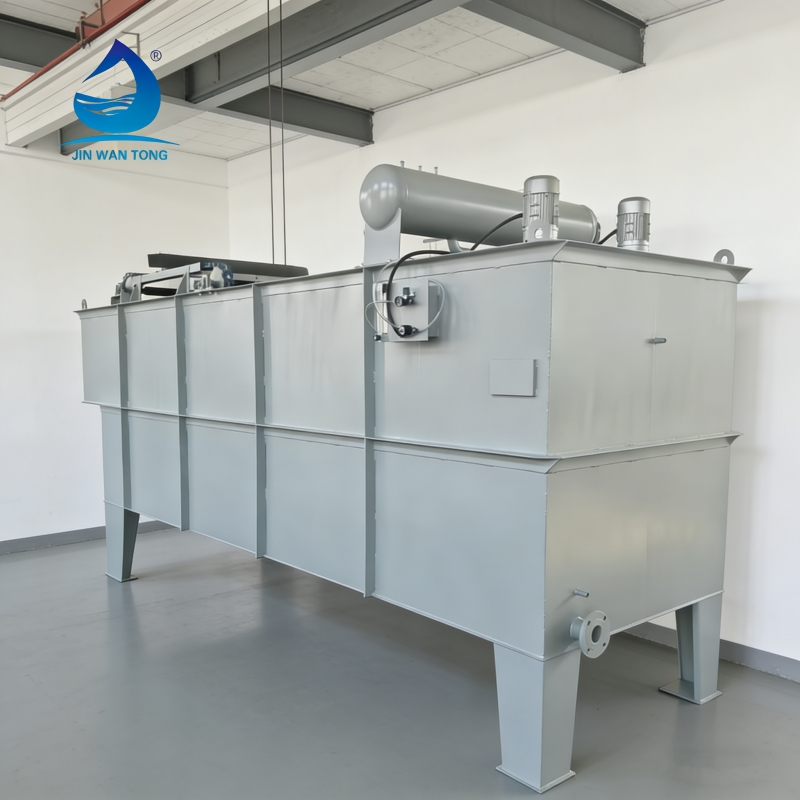
Wastewater → Screening → Equalization → Physical-Chemical Treatment → Biological Treatment → Clarification / Membrane → Filtration → Disinfection → Treated EffluentPretreatment is usually the first stage. Screens remove large solids, while equalization tanks balance flow and pollutant concentration. If the wastewater contains oil, grease, floating solids or emulsified pollutants, oil-water separators, chemical dosing or DAF dissolved air flotation may be required before biological treatment. Proper pretreatment protects downstream units and reduces operating problems.
Biological treatment is commonly used when the wastewater contains biodegradable organic matter. Activated sludge, MBR, MBBR and SBR processes can remove COD, BOD and ammonia nitrogen under controlled aeration conditions. MBR is suitable for compact sites and higher effluent clarity. MBBR provides good resistance to load fluctuation through biofilm carriers. SBR is practical for variable-flow projects because it completes treatment steps in timed cycles.
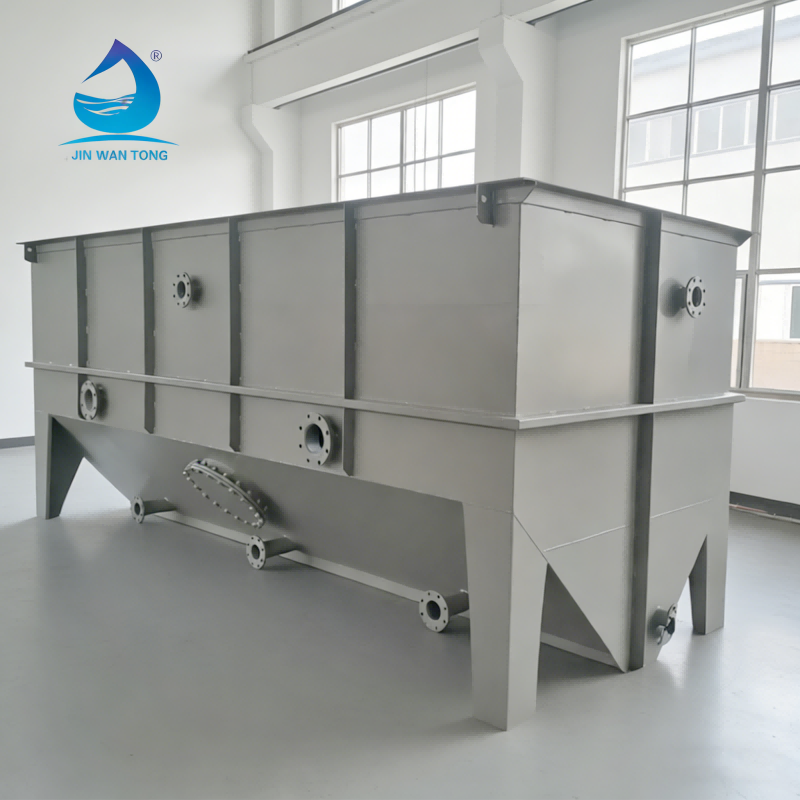
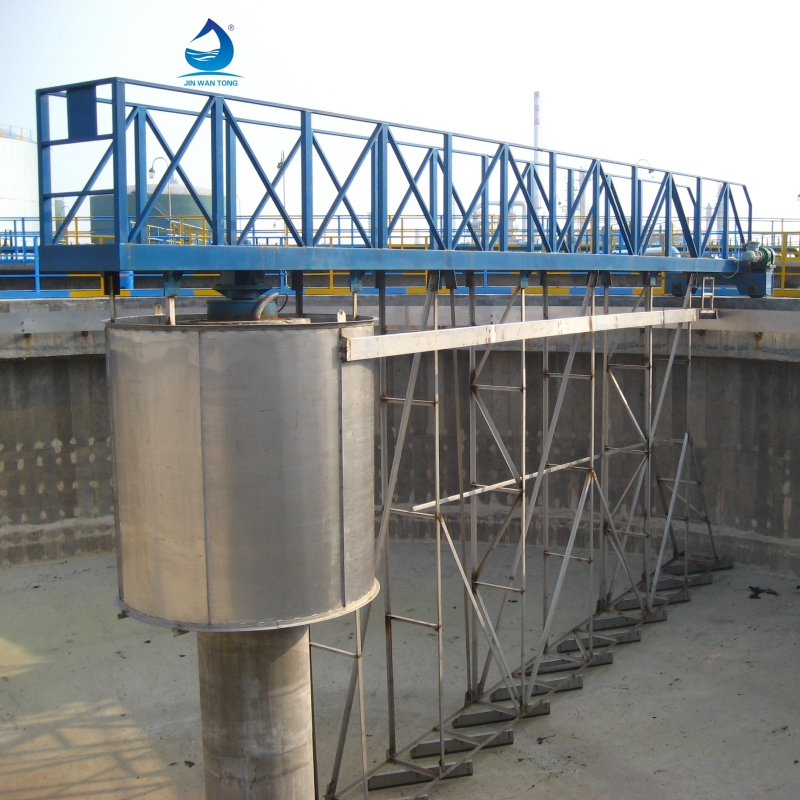
For stricter effluent requirements, polishing units may be added after biological treatment. Lamella clarifiers can improve solid-liquid separation. Sand filters, carbon filters or other filtration systems can reduce suspended solids, color or residual organic matter. Disinfection may be required before discharge to sensitive areas or reuse for irrigation, landscape water or flushing. Sludge generated from sedimentation, DAF or biological treatment should be collected, discharged and dewatered when necessary.
Correct selection depends on water quality and project conditions. Buyers should provide daily flow, peak flow, wastewater source, COD, BOD, TSS, ammonia nitrogen, total nitrogen, phosphorus, oil content, pH, temperature, salinity, color, discharge standard, site layout, available space, power supply, installation method and automation requirements. These parameters affect tank volume, aeration capacity, dosing system, membrane area, carrier filling ratio, sludge production and total cost.
It is important to understand the boundaries. Biological treatment is effective for biodegradable wastewater, but high toxicity, heavy metals, high salinity, strong acid or alkali, excessive oil and poor biodegradability may require physical-chemical pretreatment or special process testing. Qingdao Jinwantong provides customized effluent treatment equipment and process support. Send your water quality data, flow rate and discharge target to receive configuration advice and quotation.
Qingdao Jinwantong provides industrial sewage treatment equipment for global clients. Our MBR, DAF, STP, and oil-water separation systems ensure compliance with national discharge standards. Trusted across 6 continents. Contact us today.
43,Cangnan Road, Cangma Town, Qingdao, Shandong, China
Copyright © 2026 Qingdao Jinwantong Environmental Science And Technology Co., Ltd. All rights reserved. Privacy Policy
 EN
EN