High-Efficiency Wastewater Treatment Plant: Advanced Technology for Superior Water Quality and Cost Savings

All Categories

Get a Free Quote

Our representative will contact you soon.
Email
Name
Company Name
Message
0/1000

high-efficiency wastewater treatment plant

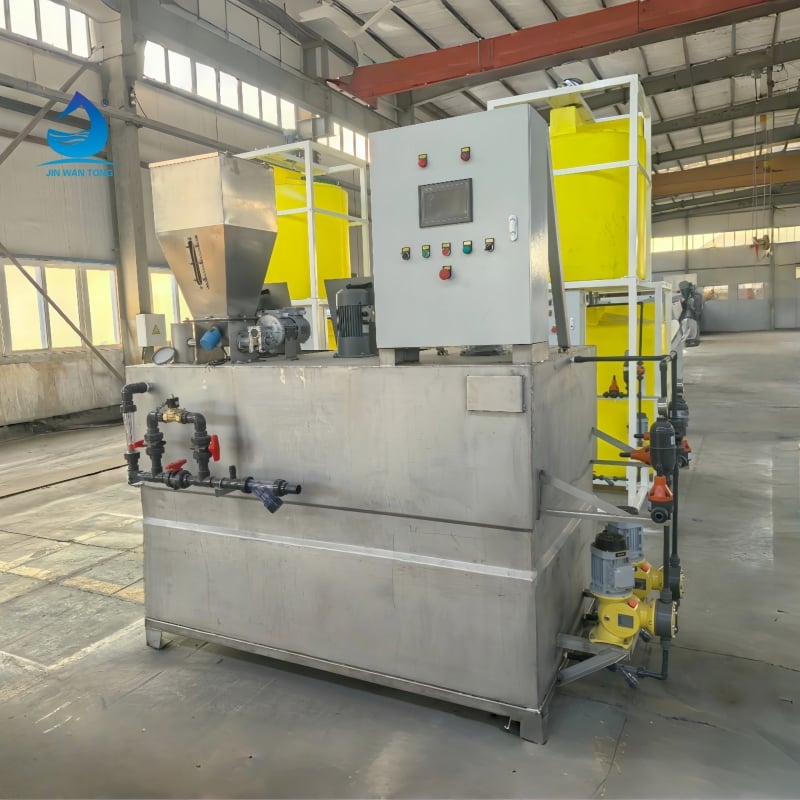
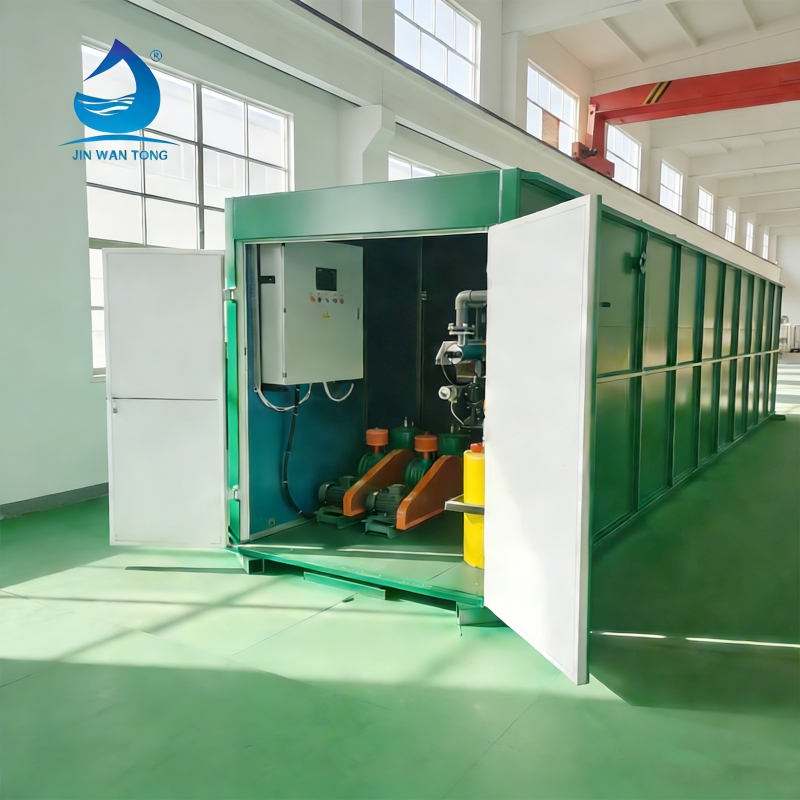
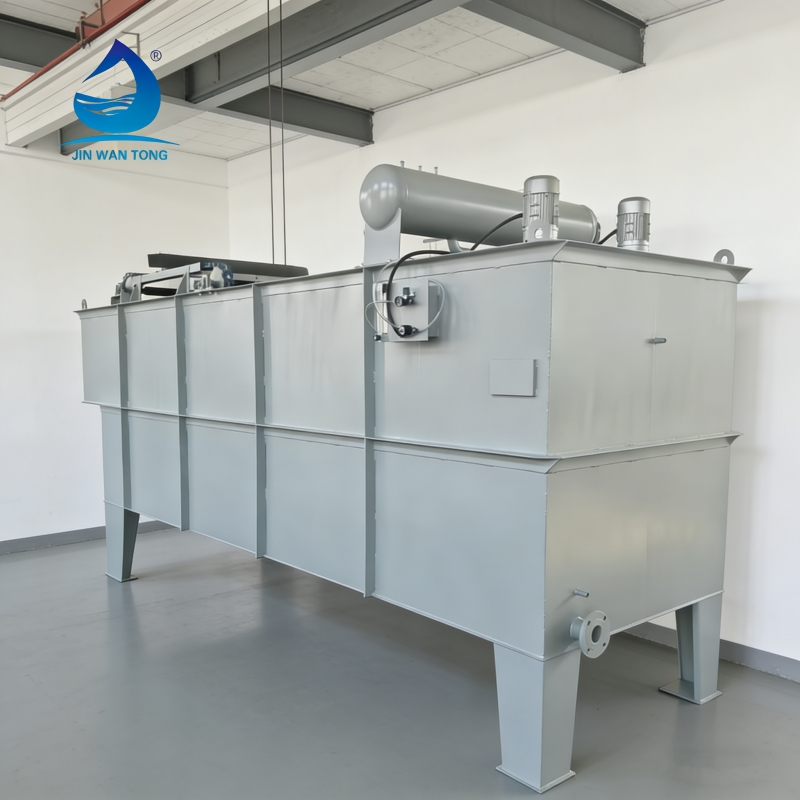
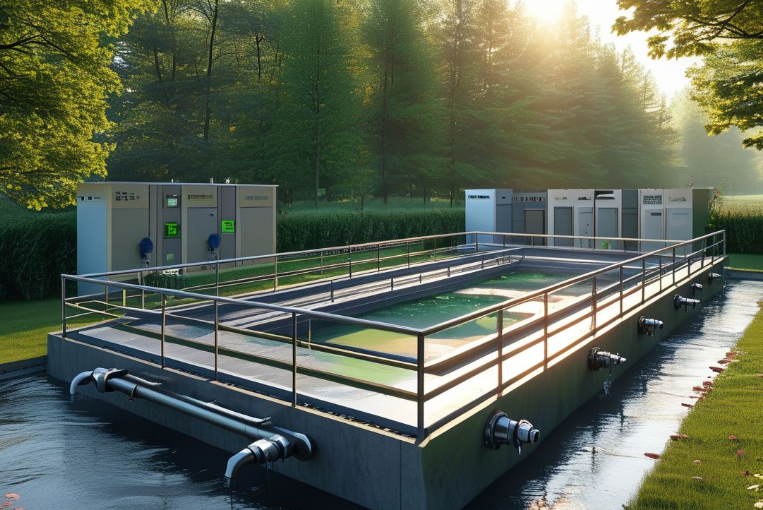
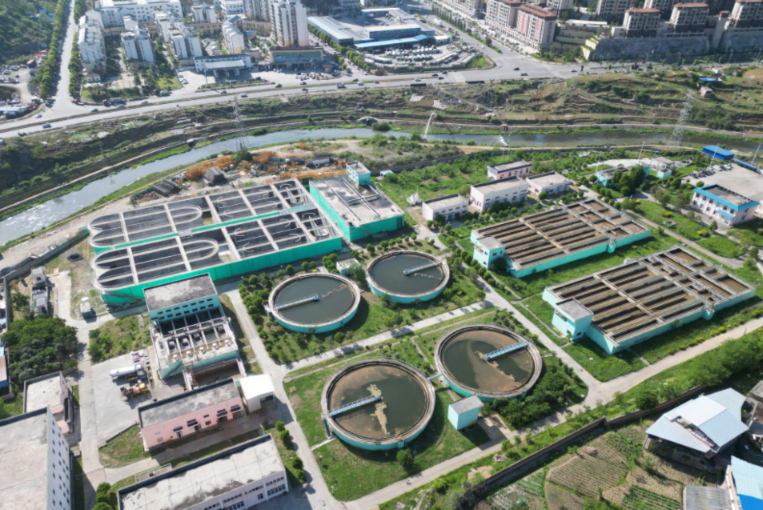
A high-efficiency wastewater treatment plant represents the pinnacle of modern environmental engineering, designed to process and purify contaminated water through advanced technological systems. These sophisticated facilities serve as crucial infrastructure components that protect public health and environmental integrity by transforming polluted water into clean, safe effluent suitable for discharge or reuse. The main functions of a high-efficiency wastewater treatment plant encompass multiple stages of water purification, including preliminary screening, primary sedimentation, secondary biological treatment, and tertiary polishing processes. Each stage systematically removes different contaminants, from large debris and suspended solids to dissolved organic matter and harmful pathogens. The technological features of modern high-efficiency wastewater treatment plants incorporate cutting-edge innovations such as membrane bioreactors, advanced oxidation processes, nutrient removal systems, and automated monitoring controls. These plants utilize biological treatment methods that harness beneficial microorganisms to break down organic pollutants naturally, while physical and chemical processes remove remaining contaminants through filtration, coagulation, and disinfection. Smart sensor technology continuously monitors water quality parameters, ensuring optimal performance and regulatory compliance throughout the treatment cycle. Applications for high-efficiency wastewater treatment plants span diverse sectors including municipal water management, industrial manufacturing, food processing, pharmaceutical production, and commercial developments. Municipal facilities handle domestic sewage from residential areas, while industrial applications address specialized wastewater streams containing unique contaminants. The versatility of these systems allows customization for specific requirements, whether treating high-strength industrial effluent or managing stormwater runoff in urban environments. Modern high-efficiency wastewater treatment plants also support water recycling initiatives, producing reclaimed water suitable for irrigation, industrial processes, and groundwater recharge, contributing significantly to sustainable water resource management strategies.

New Product Recommendations

High-efficiency wastewater treatment plants deliver substantial cost savings through reduced operational expenses and energy consumption compared to traditional treatment methods. These systems optimize chemical usage, minimize sludge production, and operate with lower power requirements, directly translating to decreased monthly utility bills and maintenance costs. Property owners and municipalities experience significant long-term financial benefits as these plants require fewer repairs, replacement parts, and system overhauls throughout their operational lifespan. The advanced automation features reduce labor requirements, eliminating the need for constant manual supervision while ensuring consistent treatment performance around the clock. Environmental benefits position high-efficiency wastewater treatment plants as essential tools for ecological preservation and regulatory compliance. These systems achieve superior removal rates for pollutants, nutrients, and harmful bacteria, protecting local waterways from contamination while supporting aquatic ecosystem health. The enhanced treatment capabilities help organizations meet stringent environmental regulations, avoiding costly fines and legal complications associated with discharge violations. Additionally, these plants contribute to water conservation efforts by producing high-quality reclaimed water suitable for various non-potable applications, reducing demand on freshwater resources. Operational reliability stands as another compelling advantage, as high-efficiency wastewater treatment plants incorporate redundant systems and fail-safe mechanisms that ensure continuous operation even during equipment maintenance or unexpected failures. The modular design allows for easy expansion or modification as treatment requirements change, providing flexibility for growing communities or evolving industrial needs. Advanced monitoring systems provide real-time data on treatment performance, enabling proactive maintenance scheduling and preventing system breakdowns before they occur. This predictive approach minimizes downtime and extends equipment lifespan while maintaining optimal treatment efficiency. Furthermore, these plants operate with minimal odor production and noise levels, making them suitable for installation in populated areas without causing community complaints or property value impacts. The compact footprint of modern high-efficiency wastewater treatment plants maximizes land use efficiency, requiring less space than conventional treatment facilities while delivering superior performance results. This space efficiency proves particularly valuable in urban environments where land costs are premium and available space is limited.

Latest News

Overview of the Agricultural Wastewater Treatment Market

17

Dec

Overview of the Agricultural Wastewater Treatment Market

View More
Global Real-Time Wastewater Treatment Update

17

Dec

Global Real-Time Wastewater Treatment Update

View More
Navigating the Waters: The Role of an Industrial Wastewater Treatment Plant

17

Dec

Navigating the Waters: The Role of an Industrial Wastewater Treatment Plant

View More

Get a Free Quote

Our representative will contact you soon.
Email
Name
Company Name
Message
0/1000

high-efficiency wastewater treatment plant

Advanced Membrane Technology Integration

Advanced Membrane Technology Integration

The integration of advanced membrane technology represents one of the most significant innovations in high-efficiency wastewater treatment plants, revolutionizing how facilities achieve exceptional water quality standards while maximizing operational efficiency. Membrane bioreactors combine biological treatment processes with ultrafiltration membranes, creating a powerful system that removes virtually all suspended solids, bacteria, and viruses from wastewater streams. This technology eliminates the need for secondary clarifiers and significantly reduces the plant footprint while producing consistently high-quality effluent that often exceeds regulatory requirements. The membrane filtration process operates at the molecular level, creating a physical barrier that prevents contaminants from passing through while allowing clean water to flow freely. This precision filtration capability enables facilities to achieve removal rates exceeding 99.9 percent for pathogens and suspended particles, making the treated water suitable for advanced reuse applications. The self-cleaning properties of modern membrane systems reduce maintenance requirements and extend operational periods between cleaning cycles, minimizing disruptions to treatment operations. Automated backwash systems maintain membrane performance by removing accumulated particles and preventing fouling, ensuring consistent filtration efficiency throughout the system's operational life. The modular design of membrane systems allows for easy capacity expansion by adding additional membrane modules as treatment demands increase, providing scalability that traditional treatment methods cannot match. Energy recovery systems integrated with membrane technology capture and reuse energy from the treatment process, further enhancing overall system efficiency and reducing operational costs. The precise control capabilities of membrane systems enable operators to fine-tune treatment parameters for specific water quality objectives, ensuring optimal performance for diverse applications ranging from industrial process water to irrigation supplies. Advanced monitoring sensors continuously track membrane performance, alerting operators to potential issues before they impact treatment effectiveness and enabling proactive maintenance scheduling that prevents costly system failures.
Intelligent Process Control and Automation

Intelligent Process Control and Automation

Intelligent process control and automation systems transform high-efficiency wastewater treatment plants into smart facilities that operate with minimal human intervention while maintaining optimal treatment performance across varying conditions. These sophisticated control systems utilize artificial intelligence algorithms and machine learning capabilities to analyze real-time data from hundreds of sensors throughout the treatment process, automatically adjusting operational parameters to achieve maximum efficiency and water quality standards. The centralized control architecture integrates all plant systems into a unified platform that monitors flow rates, chemical dosing, aeration levels, and effluent quality parameters continuously, providing operators with comprehensive visibility into plant performance through intuitive dashboard interfaces. Predictive analytics capabilities analyze historical performance data and current operating conditions to forecast potential issues before they occur, enabling proactive maintenance interventions that prevent system failures and costly downtime. The automation system optimizes energy consumption by dynamically adjusting pump speeds, aeration rates, and equipment operation schedules based on actual treatment requirements rather than fixed operational parameters, resulting in significant energy savings and reduced operational costs. Advanced alarm management systems prioritize critical alerts while filtering routine notifications, ensuring operators focus attention on situations requiring immediate intervention while maintaining awareness of overall system status. Remote monitoring capabilities enable plant managers to access real-time performance data and control critical systems from any location using secure internet connections, providing operational flexibility and emergency response capabilities. The self-diagnostic features continuously evaluate equipment performance and component health, automatically scheduling maintenance activities and ordering replacement parts before failures occur, minimizing inventory costs while ensuring equipment availability. Integration with laboratory information management systems automates sample tracking and results reporting, ensuring regulatory compliance documentation is accurate and complete while reducing administrative burdens on plant staff. The user-friendly interface design enables operators of varying technical backgrounds to effectively manage complex treatment processes, reducing training requirements and operational errors while maintaining consistent treatment performance standards.
Sustainable Resource Recovery and Circular Economy Integration

Sustainable Resource Recovery and Circular Economy Integration

Sustainable resource recovery capabilities embedded within high-efficiency wastewater treatment plants transform these facilities from waste disposal systems into resource generation centers that support circular economy principles while creating additional revenue streams for operators. Modern treatment technologies enable the extraction and recovery of valuable resources from wastewater streams, including nutrients, energy, and clean water, fundamentally changing the economic and environmental equation of wastewater management. Nutrient recovery systems capture phosphorus and nitrogen compounds that would otherwise require expensive removal processes, converting these materials into high-value fertilizer products suitable for agricultural applications. This resource recovery approach reduces operational costs by eliminating the need for chemical precipitation while generating marketable products that offset treatment expenses. Biogas recovery systems harness methane produced during anaerobic treatment processes, converting this renewable energy source into electricity or heating fuel that powers plant operations and reduces dependence on external energy supplies. Advanced anaerobic digestion technologies maximize biogas production while minimizing sludge generation, creating a more sustainable treatment process that reduces waste disposal costs and carbon footprint. Water reclamation capabilities produce high-quality reclaimed water suitable for diverse applications including irrigation, industrial cooling, groundwater recharge, and even potable water production through advanced treatment trains. This water recovery function creates valuable water resources in areas facing scarcity while reducing the environmental impact of treatment operations. Sludge processing technologies convert biosolids into valuable soil amendments and organic fertilizers, eliminating disposal costs while creating marketable products that support agricultural productivity. The circular economy integration extends to chemical recovery processes that capture and purify chemicals used in treatment operations, reducing chemical consumption costs while minimizing environmental impacts associated with chemical production and transportation. Carbon capture and utilization technologies in advanced facilities convert carbon dioxide generated during treatment processes into useful products, further enhancing the sustainability profile of treatment operations while creating additional revenue opportunities. These resource recovery capabilities position high-efficiency wastewater treatment plants as integral components of sustainable infrastructure networks that support environmental stewardship while delivering economic benefits to communities and industrial operators.
High-Efficiency Wastewater Treatment Plant: Advanced Technology for Superior Water Quality and Cost Savings

Get a Free Quote

Our representative will contact you soon.
Email
Name
Company Name
Message
0/1000