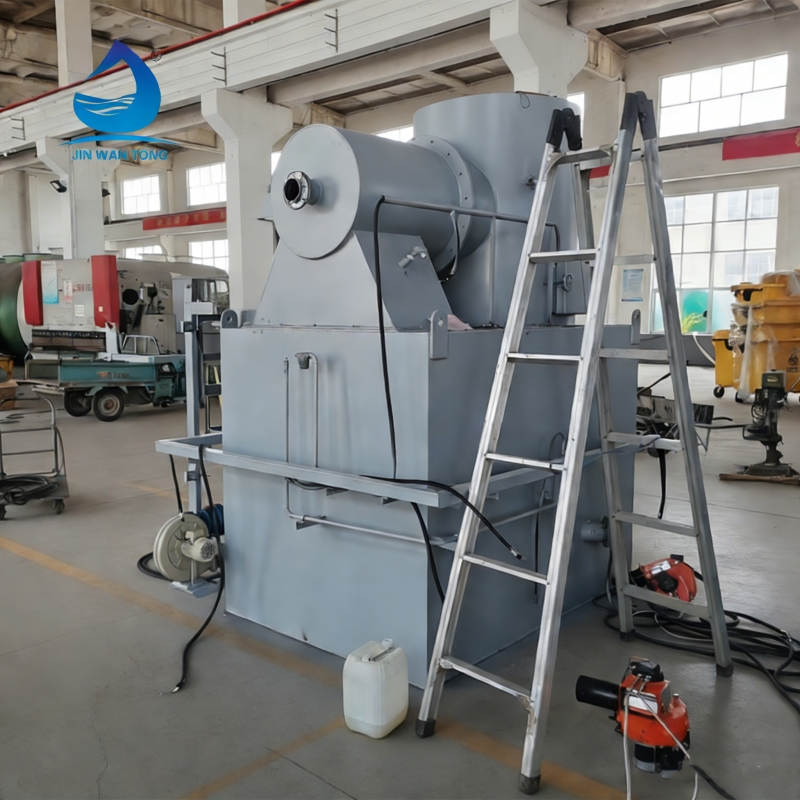
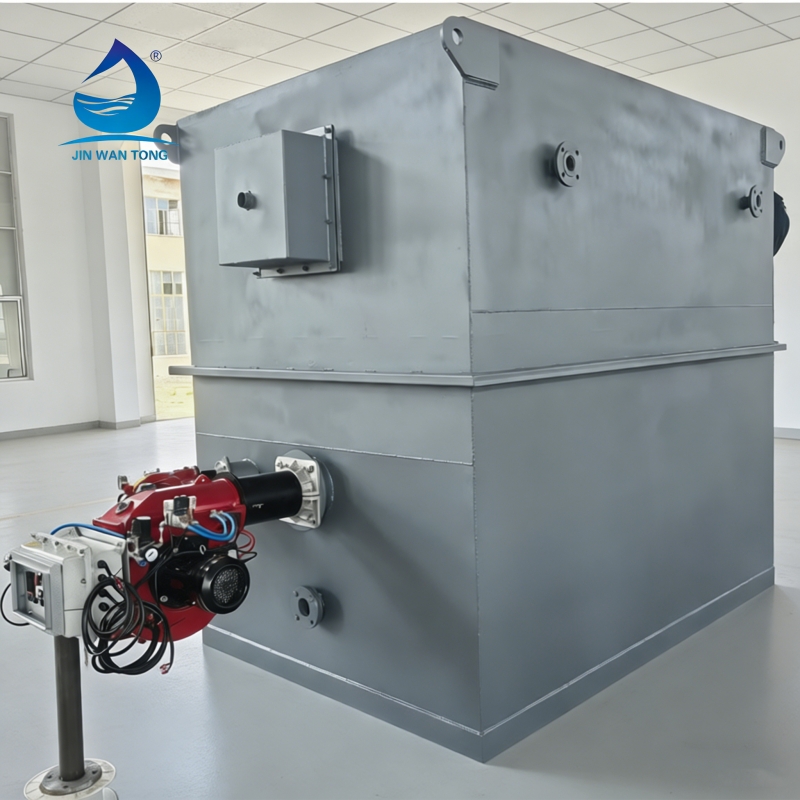
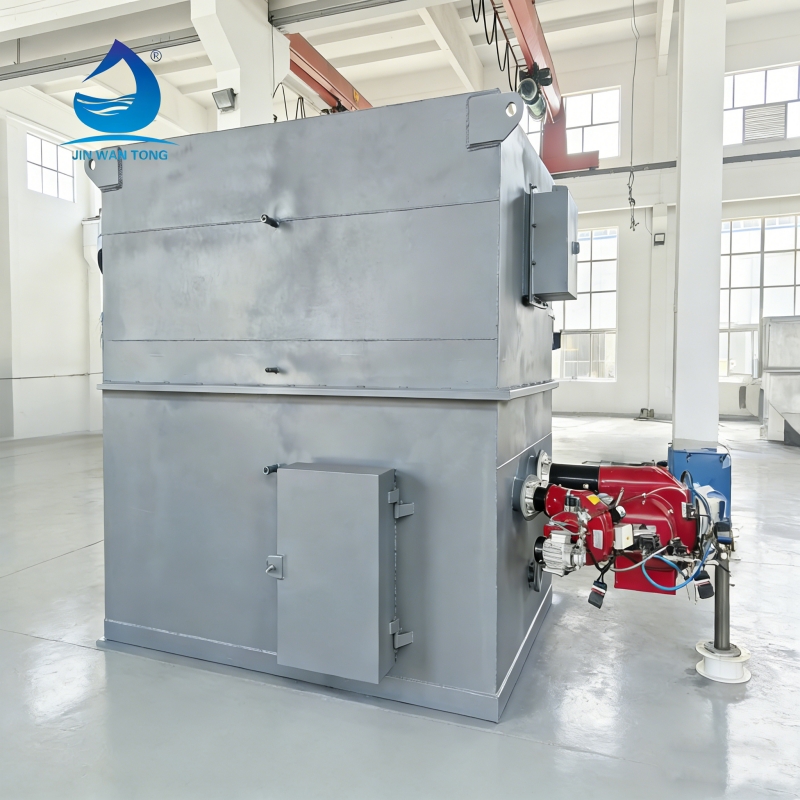
Leading Incinerator Supplier - Advanced Waste Management and Energy Recovery Solutions

All Categories

Get a Free Quote

Our representative will contact you soon.
Email
Name
Company Name
Message
0/1000

incinerator supplier

An incinerator supplier serves as a crucial partner for organizations seeking comprehensive waste management solutions through advanced thermal treatment technology. These specialized companies design, manufacture, and deliver state-of-the-art incineration systems that convert various types of waste materials into energy while significantly reducing waste volume. Modern incinerator supplier operations encompass multiple waste streams, including municipal solid waste, medical waste, industrial byproducts, and hazardous materials, providing customized solutions for diverse client requirements. The primary function of an incinerator supplier involves engineering sophisticated combustion chambers that operate at extremely high temperatures, typically ranging from 850 to 1200 degrees Celsius, ensuring complete destruction of organic compounds and pathogens. These systems incorporate advanced pollution control mechanisms, including electrostatic precipitators, fabric filters, and scrubbing technologies that minimize environmental impact while maintaining strict emission standards. Technological features of contemporary incinerator supplier systems include automated feeding mechanisms, real-time monitoring capabilities, and integrated energy recovery systems that convert waste heat into usable electricity or steam. Many suppliers now offer modular designs that allow for scalable installations, enabling facilities to expand capacity based on growing waste generation needs. Applications for incinerator supplier solutions span across healthcare facilities requiring medical waste disposal, manufacturing plants managing industrial waste streams, municipalities handling residential waste, and specialized facilities processing hazardous materials. The integration of digital monitoring systems enables remote operation capabilities, predictive maintenance scheduling, and comprehensive data analytics for optimizing operational efficiency. Environmental compliance remains paramount for any reputable incinerator supplier, with systems designed to exceed regulatory requirements while providing transparent reporting mechanisms for stakeholder confidence. Energy recovery capabilities distinguish modern incinerator supplier offerings, transforming waste disposal from a cost center into a potential revenue generator through electricity production or steam generation for industrial processes.

New Products

Choosing the right incinerator supplier delivers substantial operational benefits that transform waste management from a costly burden into an efficient, environmentally responsible process. Primary advantages include dramatic waste volume reduction, with modern incineration systems achieving up to 90 percent volume reduction compared to traditional landfill disposal methods. This significant reduction translates directly into lower transportation costs, reduced landfill fees, and minimized long-term environmental liability for organizations managing substantial waste streams. Energy recovery represents another compelling advantage, as contemporary incinerator supplier systems convert waste materials into valuable energy resources. Facilities can generate substantial electricity quantities or produce high-pressure steam for industrial applications, creating revenue streams that offset operational costs while reducing dependence on external energy suppliers. Environmental stewardship becomes achievable through advanced emission control technologies integrated into modern incinerator supplier systems. These sophisticated pollution control mechanisms ensure compliance with stringent environmental regulations while eliminating concerns about groundwater contamination or methane emissions associated with traditional landfill disposal. Operational reliability stands as a cornerstone benefit, with professional incinerator supplier companies providing comprehensive maintenance programs, spare parts availability, and technical support services that minimize downtime and ensure consistent performance. Regulatory compliance support represents another significant advantage, as experienced suppliers navigate complex permitting processes, environmental impact assessments, and ongoing regulatory reporting requirements. This expertise saves organizations considerable time and resources while ensuring full compliance with local, state, and federal regulations. Customization capabilities allow incinerator supplier partners to design systems specifically tailored to unique waste characteristics and facility requirements. Whether handling medical waste requiring specific temperature protocols or industrial waste with particular composition challenges, suppliers can engineer solutions that optimize efficiency while maintaining safety standards. Long-term cost predictability emerges through comprehensive service contracts and performance guarantees, enabling accurate budget forecasting and financial planning. Many incinerator supplier companies offer flexible financing options, including lease agreements and performance-based contracts that align costs with operational benefits. Technology advancement access ensures that clients benefit from continuous innovation in combustion efficiency, emission control, and energy recovery systems without requiring substantial capital investments for equipment upgrades.

Tips And Tricks

Overview of the Agricultural Wastewater Treatment Market

17

Dec

Overview of the Agricultural Wastewater Treatment Market

View More
Global Real-Time Wastewater Treatment Update

17

Dec

Global Real-Time Wastewater Treatment Update

View More
Navigating the Waters: The Role of an Industrial Wastewater Treatment Plant

17

Dec

Navigating the Waters: The Role of an Industrial Wastewater Treatment Plant

View More

Get a Free Quote

Our representative will contact you soon.
Email
Name
Company Name
Message
0/1000

incinerator supplier

Advanced Emission Control Technology and Environmental Compliance

Advanced Emission Control Technology and Environmental Compliance

The cornerstone of any reputable incinerator supplier lies in their commitment to delivering cutting-edge emission control technology that not only meets but exceeds environmental regulatory standards. Modern incineration systems incorporate multi-stage pollution control mechanisms that represent decades of engineering advancement and environmental stewardship. These sophisticated systems begin with primary combustion optimization, where precise temperature control and oxygen management ensure complete combustion of organic materials, minimizing the formation of harmful byproducts. Secondary treatment stages include advanced scrubbing technologies that neutralize acid gases, heavy metal capture systems utilizing activated carbon injection, and state-of-the-art particulate removal mechanisms such as fabric filters or electrostatic precipitators. The integration of continuous emissions monitoring systems provides real-time data on stack emissions, enabling immediate adjustments to maintain optimal performance and regulatory compliance. Leading incinerator supplier companies invest heavily in research and development to stay ahead of evolving environmental standards, ensuring their clients benefit from the most advanced pollution control technologies available. Dioxin and furan destruction represents a particular area of expertise, with specialized combustion chamber designs and temperature profiles that guarantee complete destruction of these persistent organic pollutants. Mercury control systems utilize specialized sorbent injection and removal technologies that capture heavy metals before they can enter the atmosphere. Nitrogen oxide reduction through selective non-catalytic reduction or selective catalytic reduction systems demonstrates the comprehensive approach taken by professional suppliers to address all potential emission concerns. The implementation of advanced process control systems ensures consistent operation within optimal parameters, preventing emission spikes and maintaining long-term environmental compliance. Regular stack testing and third-party verification provide transparent documentation of environmental performance, giving stakeholders confidence in the facility's environmental stewardship. Many incinerator supplier systems now achieve emission levels significantly below regulatory limits, demonstrating the effectiveness of modern pollution control technology and the commitment of suppliers to environmental protection.
Comprehensive Energy Recovery and Resource Optimization Systems

Comprehensive Energy Recovery and Resource Optimization Systems

Energy recovery capabilities represent one of the most compelling advantages offered by modern incinerator supplier systems, transforming waste disposal operations from cost centers into potential revenue generators. Contemporary incineration technology captures the thermal energy released during waste combustion and converts it into valuable resources such as electricity or industrial steam. The energy recovery process begins with sophisticated heat exchangers that capture thermal energy from combustion gases before they enter emission control systems. Steam generation systems produce high-pressure steam that can be utilized for electricity generation through turbine systems or supplied directly to industrial processes requiring process steam. Electricity generation capabilities vary based on system size and waste characteristics, with larger facilities capable of producing substantial quantities of power for grid distribution or on-site consumption. The integration of energy storage systems and grid-tie capabilities enables facilities to optimize energy sales based on market conditions and demand patterns. Modern incinerator supplier systems achieve impressive energy efficiency rates, typically recovering 20-30 percent of the energy content from waste materials, with some advanced systems achieving even higher recovery rates. Waste heat utilization extends beyond electricity generation, with many facilities using recovered thermal energy for building heating, district heating systems, or industrial drying processes. The economic benefits of energy recovery create compelling business cases for incineration projects, with energy sales often providing substantial revenue streams that offset operational costs. Environmental benefits complement economic advantages, as energy recovery from waste reduces dependence on fossil fuel-based power generation while simultaneously addressing waste disposal needs. Combined heat and power configurations maximize energy efficiency by simultaneously producing electricity and useful thermal energy, achieving overall system efficiencies exceeding 80 percent. Advanced control systems optimize energy recovery by monitoring waste characteristics and adjusting combustion parameters to maximize energy output while maintaining environmental compliance. Many incinerator supplier companies now offer performance guarantees for energy recovery systems, providing clients with confidence in projected energy production and revenue generation. The integration of renewable energy certificates and carbon credit opportunities creates additional revenue streams while supporting corporate sustainability goals and environmental stewardship initiatives.
Modular Design Flexibility and Scalable Capacity Solutions

Modular Design Flexibility and Scalable Capacity Solutions

The modular design approach adopted by leading incinerator supplier companies represents a revolutionary advancement in waste management infrastructure, providing unprecedented flexibility and scalability for organizations with evolving waste management needs. Modular incineration systems consist of standardized components that can be combined and configured to meet specific capacity requirements, waste characteristics, and site constraints. This innovative approach enables facilities to begin with smaller capacity installations and expand systematically as waste generation increases or additional waste streams require processing. The standardization of modular components reduces manufacturing costs, shortens delivery times, and simplifies maintenance requirements compared to traditional custom-built systems. Factory assembly of modular components ensures consistent quality control and reduces on-site construction time, minimizing disruption to ongoing operations during installation. The flexibility of modular designs accommodates diverse waste types and characteristics, with specialized modules available for different waste streams such as medical waste, industrial waste, or municipal solid waste. Capacity scaling becomes straightforward through the addition of parallel processing modules, enabling facilities to increase throughput without requiring complete system replacement or extensive facility modifications. Modular configurations also provide operational redundancy, allowing continued operation of remaining modules during maintenance or unexpected shutdowns of individual units. The standardized nature of modular components simplifies spare parts inventory management and reduces long-term maintenance costs through economies of scale. Technology upgrades become more manageable with modular systems, as individual modules can be upgraded or replaced without affecting entire system operations. Site adaptation capabilities enable modular systems to fit within existing facility constraints or accommodate unique geographical or regulatory requirements. The transportability of modular components facilitates deployment in remote locations or temporary applications where permanent infrastructure may not be feasible. Quality control benefits from factory assembly include comprehensive testing and commissioning before shipment, reducing startup time and ensuring optimal performance from initial operation. Many incinerator supplier companies offer lease or rental options for modular systems, providing flexible financing alternatives for organizations with specific project durations or budget constraints. The proven performance of standardized modular components reduces project risk and provides greater confidence in projected operational outcomes and financial performance.
Leading Incinerator Supplier - Advanced Waste Management and Energy Recovery Solutions

Get a Free Quote

Our representative will contact you soon.
Email
Name
Company Name
Message
0/1000