Advanced Waste Management Incinerator Solutions - Efficient Thermal Waste Treatment Technology

All Categories

Get a Free Quote

Our representative will contact you soon.
Email
Name
Company Name
Message
0/1000

waste management incinerator

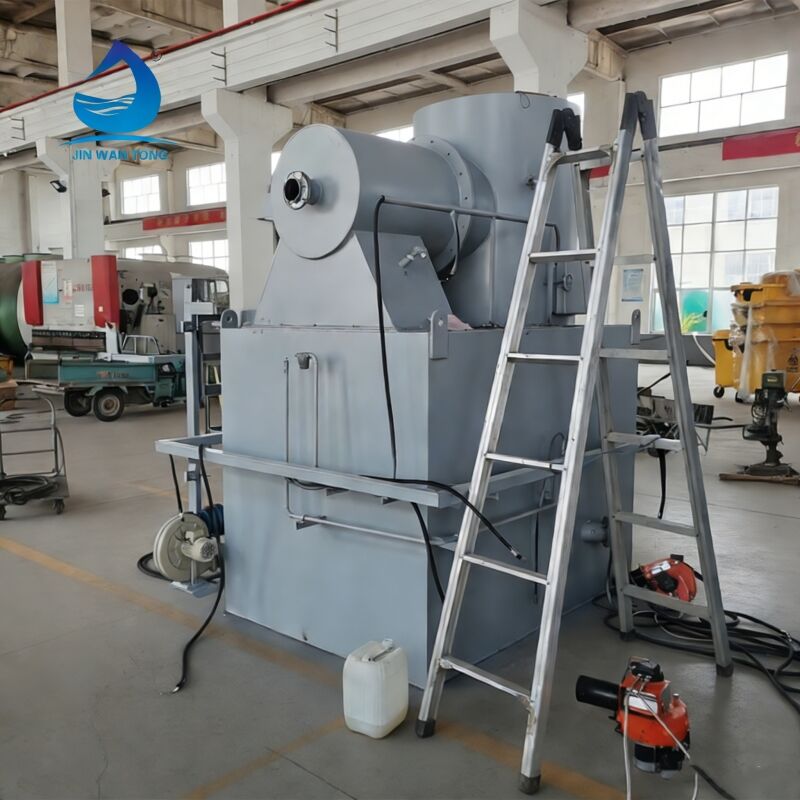
A waste management incinerator represents a sophisticated thermal treatment system designed to efficiently process various types of solid and hazardous waste materials through controlled high-temperature combustion. This advanced technology serves as a cornerstone solution for modern waste disposal challenges, converting organic and inorganic materials into ash, flue gas, and heat energy. The primary function of a waste management incinerator involves the systematic destruction of waste materials at temperatures ranging from 850°C to 1200°C, ensuring complete elimination of harmful pathogens, organic compounds, and reducing waste volume by up to 90 percent. These systems incorporate multiple technological features including automatic feeding mechanisms, advanced combustion control systems, sophisticated air pollution control equipment, and energy recovery capabilities. The combustion process occurs within specially designed furnaces equipped with refractory linings that withstand extreme temperatures while maintaining optimal burning conditions. Modern waste management incinerators utilize state-of-the-art emission control technologies such as fabric filters, scrubbers, and selective catalytic reduction systems to minimize environmental impact and comply with stringent regulatory standards. Applications span across municipal solid waste processing, medical waste treatment, industrial waste disposal, sewage sludge processing, and hazardous material destruction. Healthcare facilities rely on waste management incinerators to safely dispose of infectious materials, pharmaceutical waste, and pathological specimens. Industrial sectors utilize these systems for processing manufacturing byproducts, chemical waste, and contaminated materials that cannot be handled through conventional disposal methods. The integration of heat recovery systems allows facilities to capture thermal energy generated during combustion, converting it into steam or electricity for operational use or external distribution, enhancing overall system efficiency and providing economic benefits through energy production and waste volume reduction.

New Product Recommendations

The waste management incinerator offers exceptional volume reduction capabilities, dramatically decreasing waste quantities by up to 90 percent through efficient thermal processing. This significant reduction translates to substantial cost savings in transportation, landfill fees, and storage requirements for facilities managing large waste streams. The system eliminates the need for extensive waste storage areas, freeing up valuable space for productive operations while reducing pest attraction and odor issues commonly associated with waste accumulation. Facilities benefit from enhanced safety protocols as the waste management incinerator completely destroys pathogenic organisms, bacteria, viruses, and other harmful contaminants that pose health risks to workers and communities. This thermal destruction process ensures comprehensive sterilization without relying on chemical treatments that may leave residual contamination concerns. The technology provides immediate waste processing capabilities, eliminating dependency on external waste collection schedules and reducing operational disruptions caused by waste accumulation. Energy recovery features enable facilities to harness thermal energy generated during combustion, converting waste into a valuable resource that can offset utility costs and reduce overall operational expenses. The waste management incinerator operates with minimal manual intervention through automated control systems that monitor combustion parameters, adjust feeding rates, and maintain optimal burning conditions consistently. This automation reduces labor requirements and minimizes human exposure to potentially hazardous materials during processing operations. Environmental compliance becomes streamlined as modern systems incorporate advanced emission control technologies that meet or exceed regulatory standards for air quality protection. The closed-loop processing approach prevents waste leachate generation and groundwater contamination risks associated with traditional landfill disposal methods. Facilities gain operational flexibility through the ability to process diverse waste types including organic materials, plastics, paper products, and certain hazardous substances within a single system. The continuous operation capability allows for 24-hour waste processing schedules, accommodating high-volume generation facilities and emergency disposal requirements. Long-term reliability and durability of waste management incinerators provide decades of service life with proper maintenance, ensuring consistent waste processing capabilities and protecting facility investments through proven technology performance.

Latest News

Overview of the Agricultural Wastewater Treatment Market

17

Dec

Overview of the Agricultural Wastewater Treatment Market

View More
Global Real-Time Wastewater Treatment Update

17

Dec

Global Real-Time Wastewater Treatment Update

View More
Navigating the Waters: The Role of an Industrial Wastewater Treatment Plant

17

Dec

Navigating the Waters: The Role of an Industrial Wastewater Treatment Plant

View More

Get a Free Quote

Our representative will contact you soon.
Email
Name
Company Name
Message
0/1000

waste management incinerator

Advanced Emission Control Technology for Environmental Protection

Advanced Emission Control Technology for Environmental Protection

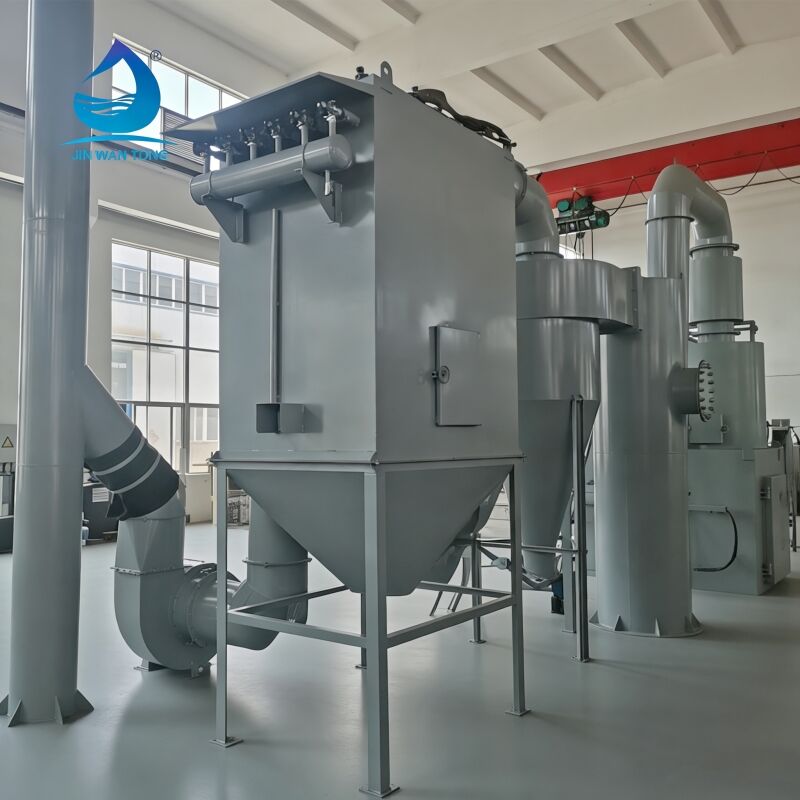
The waste management incinerator incorporates cutting-edge emission control technology that sets new standards for environmental protection and regulatory compliance in waste processing operations. This sophisticated system features multiple stages of pollution control equipment designed to capture and neutralize harmful emissions before they reach the atmosphere. The primary emission control components include high-efficiency particulate air filters, wet scrubbing systems, dry sorbent injection units, and selective catalytic reduction chambers that work synergistically to remove pollutants from flue gases. The particulate matter control system utilizes advanced fabric filter technology capable of capturing particles as small as 0.1 microns, ensuring that dust, ash, and other solid contaminants are effectively removed from exhaust streams. Acid gas control mechanisms employ limestone or sodium bicarbonate injection systems that neutralize sulfur dioxide, hydrogen chloride, and other corrosive compounds generated during combustion processes. The waste management incinerator features continuous emissions monitoring systems that provide real-time data on pollutant levels, enabling immediate adjustments to maintain compliance with environmental regulations. Dioxin and furan destruction capabilities exceed 99.99 percent efficiency through precise temperature control and residence time management within the combustion chamber. The system includes activated carbon injection for mercury removal and organic compound destruction, ensuring comprehensive treatment of trace contaminants that could pose environmental or health risks. Nitrogen oxide reduction technology incorporates selective non-catalytic reduction or selective catalytic reduction processes that minimize NOx emissions to acceptable levels. The integrated emission control approach eliminates the need for separate treatment systems, reducing capital costs and simplifying operations while maintaining superior environmental performance. Automated control systems continuously monitor and adjust emission control parameters, ensuring optimal performance under varying waste composition and operating conditions. This comprehensive emission control technology demonstrates the waste management incinerator commitment to environmental stewardship while providing facilities with confidence in regulatory compliance and community acceptance of their waste processing operations.
Energy Recovery and Resource Optimization Capabilities

Energy Recovery and Resource Optimization Capabilities

The waste management incinerator excels in energy recovery and resource optimization, transforming waste disposal from a cost center into a value-generating asset through innovative thermal energy capture and utilization systems. This advanced capability harnesses the significant thermal energy released during waste combustion, converting it into useful forms such as steam, hot water, or electricity that can offset facility energy costs and reduce dependence on external utility providers. The energy recovery system features high-efficiency heat exchangers and boiler technology designed to maximize thermal energy capture from hot flue gases, achieving energy recovery rates of up to 85 percent of the total heat content in processed waste materials. Steam generation capabilities enable facilities to meet process heating requirements, space conditioning needs, and industrial applications while reducing conventional fuel consumption and associated costs. Electricity generation through steam turbine systems provides opportunities for facilities to achieve energy independence or generate revenue through power sales to utility grids under favorable regulatory frameworks. The waste management incinerator incorporates sophisticated heat recovery steam generators that maintain optimal steam parameters for various applications while ensuring efficient energy conversion throughout the operating cycle. Thermal oil systems offer alternative energy recovery options for facilities requiring precise temperature control in manufacturing processes or specialized heating applications. The energy optimization features include automatic load balancing systems that adjust energy production to match facility demands, preventing waste of recovered energy and maximizing economic benefits. Combined heat and power applications enable simultaneous production of electricity and thermal energy, achieving overall system efficiencies exceeding conventional power generation methods. The resource optimization extends beyond energy recovery to include metal recovery systems that extract ferrous and non-ferrous materials from ash residues, creating additional revenue streams and reducing disposal costs for remaining materials. Ash processing capabilities convert combustion residues into useful construction materials or aggregate products, further enhancing the resource recovery potential of the waste management incinerator system. These comprehensive energy recovery and resource optimization capabilities transform waste processing from an operational expense into a strategic asset that contributes to facility sustainability goals and economic performance.
Automated Operation and Safety Management Systems

Automated Operation and Safety Management Systems

The waste management incinerator features state-of-the-art automated operation and safety management systems that ensure reliable, efficient, and secure waste processing while minimizing operational complexity and human intervention requirements. This comprehensive automation platform integrates advanced process control technology, safety monitoring systems, and predictive maintenance capabilities to deliver consistent performance and protect personnel, equipment, and environmental interests. The automated feeding system utilizes precision conveyor mechanisms, load cells, and flow control devices to regulate waste introduction rates based on combustion chamber conditions, ensuring optimal burning efficiency and preventing overloading situations that could compromise system performance. Combustion control automation continuously monitors temperature profiles, oxygen levels, and fuel mixing ratios to maintain ideal burning conditions while automatically adjusting air flow, waste feed rates, and auxiliary fuel inputs as needed to sustain stable operations. The waste management incinerator incorporates multiple safety interlock systems that immediately respond to abnormal operating conditions by implementing protective measures such as emergency shutdown procedures, fire suppression activation, and personnel evacuation protocols. Real-time monitoring capabilities provide operators with comprehensive visibility into system performance through intuitive human-machine interfaces that display critical parameters, trending data, and alarm notifications for proactive management decision-making. Predictive maintenance algorithms analyze equipment performance patterns and operational data to identify potential maintenance requirements before failures occur, reducing unplanned downtime and extending equipment service life. The safety management system includes gas detection networks that monitor for combustible gases, toxic compounds, and oxygen deficiency conditions in equipment areas and control rooms, providing early warning capabilities and automatic ventilation responses. Emergency response procedures are integrated into the automation system, enabling rapid implementation of containment measures, notification protocols, and coordination with emergency services when required. Remote monitoring capabilities allow qualified personnel to assess system status, adjust operating parameters, and troubleshoot issues from secure locations, enhancing operational flexibility and reducing on-site staffing requirements. The automated data logging and reporting features maintain comprehensive records of operational parameters, maintenance activities, and emissions data to support regulatory compliance documentation and continuous improvement initiatives. These sophisticated automated operation and safety management systems demonstrate the waste management incinerator commitment to operational excellence, personnel protection, and environmental responsibility while delivering superior waste processing capabilities.
Advanced Waste Management Incinerator Solutions - Efficient Thermal Waste Treatment Technology

Get a Free Quote

Our representative will contact you soon.
Email
Name
Company Name
Message
0/1000