Industrial Incinerator: Custom Waste Solutions & Compliance Support

All Categories

Get a Free Quote

Our representative will contact you soon.
Email
WhatsApp
Name
Company Name
Message
0/1000

Industrial Incinerator for Reliable Waste Disposal and High-Temperature Treatment Projects

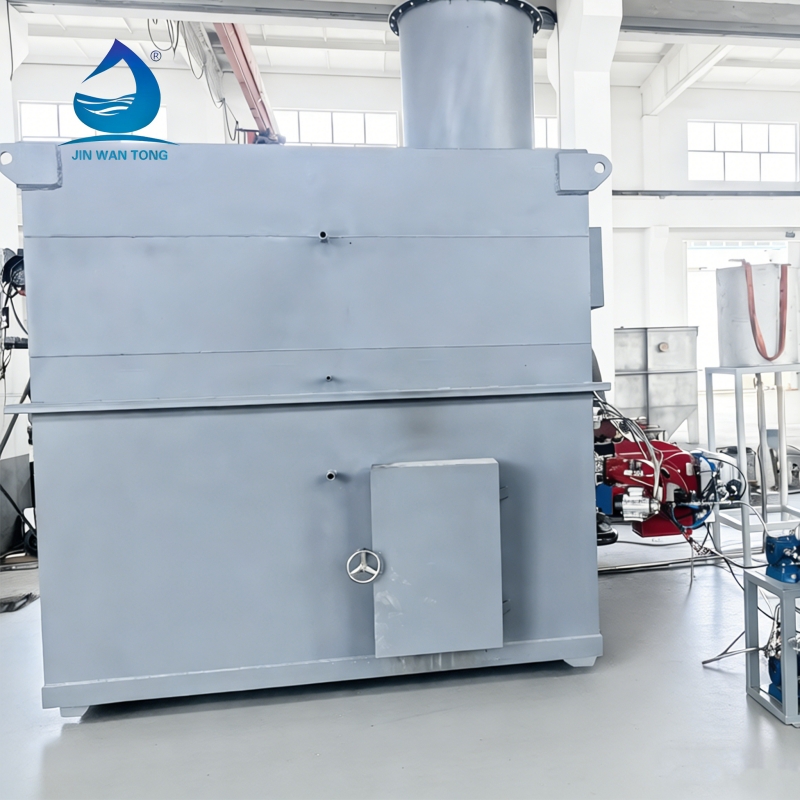
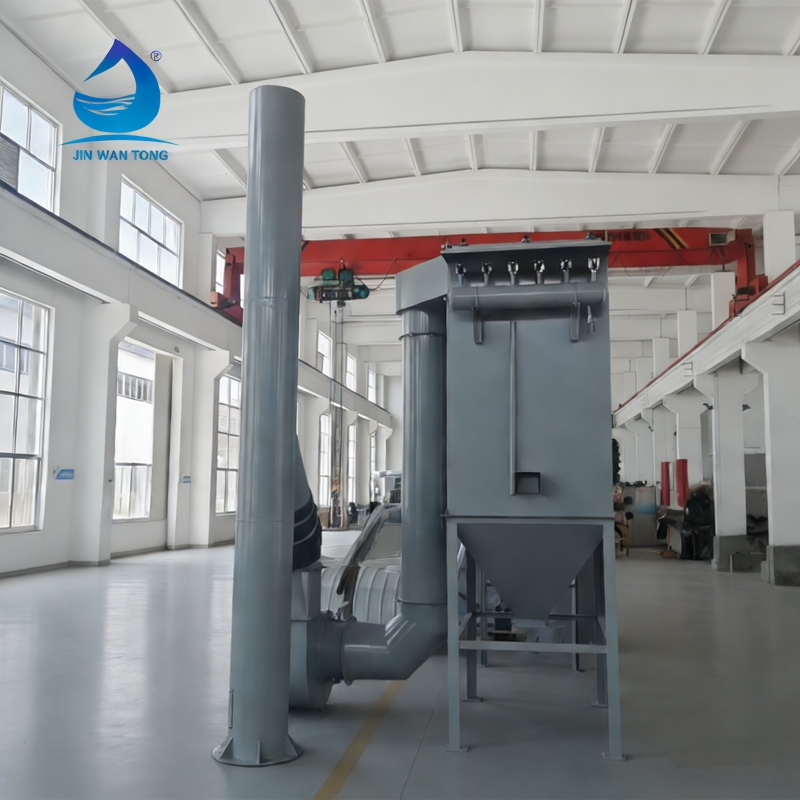
An industrial incinerator is designed to treat combustible industrial waste, production residues, sludge, packaging waste, oily waste, chemical-contaminated materials, animal waste, medical-related waste and other controlled waste streams through high-temperature combustion. A complete incineration system can include a primary combustion chamber, secondary combustion chamber, refractory lining, burners, air supply system, feeding device, ash discharge, PLC control panel, flue gas cooling and optional air pollution control equipment. We provide industrial waste incineration equipment with customized capacity, chamber size, fuel type, feeding method and emission treatment configuration based on waste composition, moisture content, calorific value, daily operating time, site layout and local environmental requirements. Send your waste type, hourly capacity and emission standard to receive a suitable technical proposal and quotation.
Why Choose Us

Customized Industrial Waste Solutions

We configure incinerators according to waste type, moisture content, calorific value, ash content, feeding method, treatment capacity and emission requirements.

Complete System Configuration

Available options include dual combustion chambers, burners, refractory lining, PLC control, ash removal, flue gas cooling and exhaust gas treatment units.

B2B Project Support

We support factories, contractors, distributors and project owners with technical communication, model selection, layout discussion and quotation preparation.

OEM/ODM Flexibility

Chamber size, material, structure, control cabinet, feeding system, fuel configuration and auxiliary devices can be customized for different project needs.

New Product Releases

Industrial incinerator systems deliver exceptional waste volume reduction capabilities that significantly decrease disposal costs and storage requirements for businesses across multiple industries. These advanced thermal treatment systems reduce waste volume by up to 90 percent, transforming bulky materials into manageable ash residues that require minimal landfill space. This dramatic volume reduction translates into substantial cost savings for companies managing large quantities of waste materials on a regular basis. The economic benefits extend beyond simple volume reduction, as industrial incinerator operations eliminate ongoing transportation costs associated with frequent waste hauling services. Companies operating their own industrial incinerator systems gain complete control over waste disposal schedules, avoiding delays and disruptions caused by external waste management contractors. The energy recovery potential of modern industrial incinerator technology provides additional financial advantages through heat generation and steam production capabilities. Many facilities integrate their industrial incinerator systems with existing heating systems or power generation equipment, capturing thermal energy that would otherwise be lost during the combustion process. This energy recovery feature reduces overall utility costs while maximizing the operational efficiency of waste disposal operations. Environmental compliance becomes significantly easier when businesses utilize properly designed industrial incinerator systems equipped with comprehensive pollution control technology. These systems eliminate the environmental risks associated with improper waste disposal practices, including groundwater contamination, soil pollution, and illegal dumping concerns. The controlled combustion process ensures complete destruction of hazardous materials, organic compounds, and pathogenic organisms that could pose serious health risks if not properly managed. Security benefits represent another crucial advantage of industrial incinerator systems, particularly for organizations handling confidential documents, proprietary materials, or sensitive information. Complete destruction through high-temperature combustion provides absolute security against data breaches, industrial espionage, and unauthorized access to confidential materials. This security feature proves especially valuable for financial institutions, government agencies, healthcare organizations, and research facilities that must comply with strict data protection regulations. Operational flexibility allows industrial incinerator systems to accommodate varying waste streams and processing requirements without significant modifications or downtime. Modern systems feature adjustable temperature controls, variable feed rates, and programmable combustion cycles that adapt to different waste characteristics and processing demands.

Frequently Asked Questions

What is an industrial incinerator used for?

An industrial incinerator is used to burn and reduce industrial waste, sludge, oily waste, production residues, packaging waste and other combustible controlled waste through high-temperature treatment.
Capacity should be selected based on hourly waste volume, daily operating time, waste density, moisture content, calorific value, loading method and required disposal schedule.
Yes. Chamber size, burner configuration, refractory lining, feeding method, ash discharge, control system and flue gas treatment equipment can be customized.
Please provide waste type, waste composition, moisture content, hourly or daily capacity, fuel preference, emission standard, project location and installation conditions.
Routine maintenance includes checking burners, refractory lining, doors, seals, fans, control panels, ash removal system, flue gas ducts and air pollution control units.

Latest News

Overview of the Agricultural Wastewater Treatment Market

17

Dec

Overview of the Agricultural Wastewater Treatment Market

View More
Global Real-Time Wastewater Treatment Update

17

Dec

Global Real-Time Wastewater Treatment Update

View More
Navigating the Waters: The Role of an Industrial Wastewater Treatment Plant

17

Dec

Navigating the Waters: The Role of an Industrial Wastewater Treatment Plant

View More

Applications

Manufacturing Waste Disposal

Suitable for factories handling combustible production residues, packaging waste, contaminated materials, rejected products and general industrial solid waste.

Sludge and Oily Waste Treatment

Applicable to sludge, oil-contaminated absorbents, oily rags, filters and other waste streams that require controlled high-temperature disposal.

Remote Industrial Sites and Camps

Used in mines, offshore bases, construction camps, islands or remote facilities where external waste transport is difficult or costly.

Get a Free Quote

Our representative will contact you soon.
Email
WhatsApp
Name
Company Name
Message
0/1000

industrial incinerator

Designed Around Waste Characteristics, Not Only Capacity

Designed Around Waste Characteristics, Not Only Capacity

A common purchasing risk is selecting an industrial incinerator only by chamber volume or hourly capacity. In real operation, waste composition has a major impact on combustion performance, fuel consumption, smoke generation and ash volume. Sludge with high moisture, oily waste with high calorific value, packaging waste with low density and chemically contaminated materials all require different configurations. We help buyers evaluate waste type, moisture content, calorific value, ash content, feeding frequency, operating hours and emission limits before recommending a model. This reduces the risk of incomplete burning, excessive auxiliary fuel use, unstable temperature or insufficient exhaust gas treatment. For factories, contractors and project owners, technical selection based on actual waste data is the key to safer operation and better long-term value.
Practical Configuration for Compliance and Daily Operation

Practical Configuration for Compliance and Daily Operation

Industrial waste disposal is not only about burning waste; buyers also need to consider local environmental rules, operator workload, ash handling, maintenance access and future operating cost. A practical incineration system may require a secondary combustion chamber, reliable refractory lining, suitable burners, air supply control, ash removal, flue gas cooling and optional dust removal or scrubbing equipment. We can discuss manual loading, semi-automatic feeding, PLC control, chimney requirements and exhaust gas treatment according to the project. This helps B2B buyers avoid under-configured equipment that may be difficult to operate or fail to meet site expectations. By matching the incinerator structure and auxiliary systems to real site conditions, the project becomes easier to install, maintain and manage over time.
Industrial Incinerator: Custom Waste Solutions & Compliance Support

Get a Free Quote

Our representative will contact you soon.
Email
WhatsApp
Name
Company Name
Message
0/1000