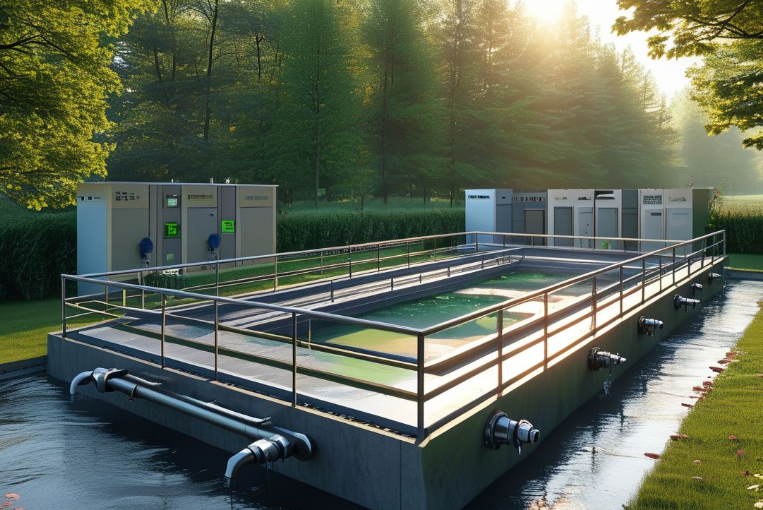
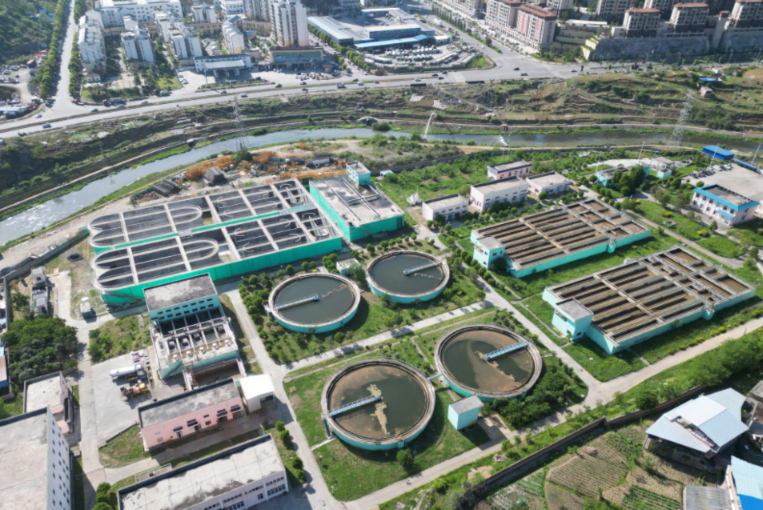
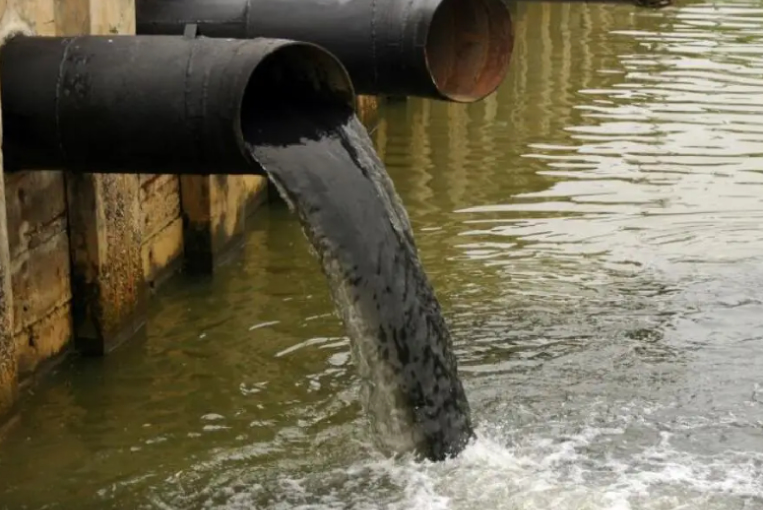
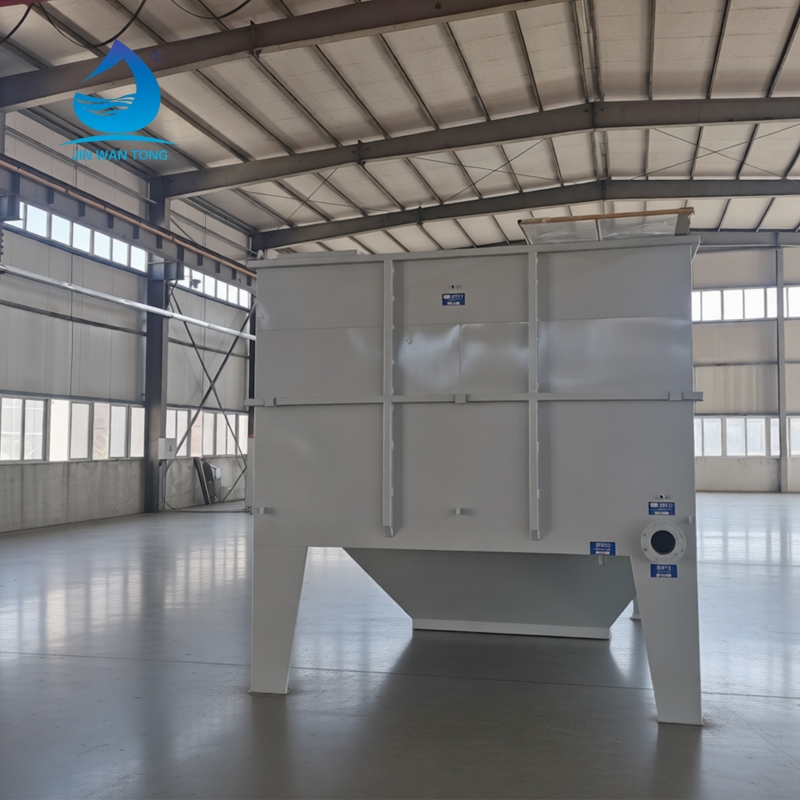
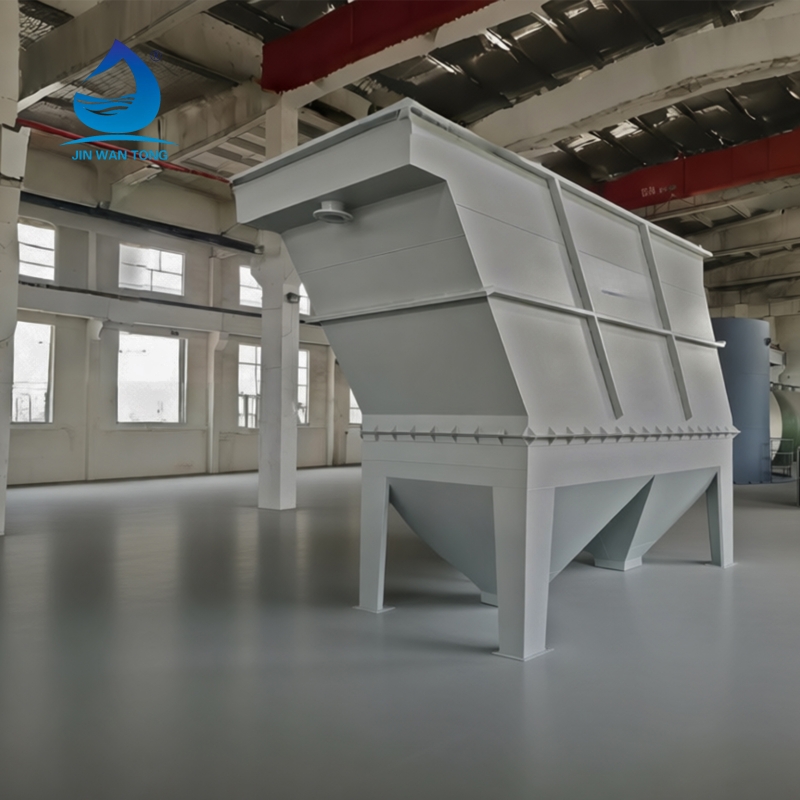
A lamella clarifier for chemical wastewater is a compact settling unit used to separate suspended solids, chemical flocs, precipitated metals and sludge from industrial wastewater. Chemical wastewater often contains acids, alkalis, salts, organic compounds, heavy metals, emulsified substances or fine suspended particles. After proper chemical conditioning, many pollutants can form settleable flocs or precipitates, which can then be removed by lamella clarification.
The working principle is gravity separation with enhanced settling area. Wastewater first enters a reaction stage, where pH adjustment, coagulation or flocculation may be applied. Chemicals such as coagulants, alkali, acid or polymer help convert fine particles and dissolved metal ions into larger flocs or precipitates. The conditioned water then flows into the inclined plate settling zone. Solids settle onto the plate surfaces and slide down into the sludge hopper, while clarified water rises and leaves through the outlet weir.
A typical treatment process is:
Chemical Wastewater → pH Adjustment → Coagulation / Flocculation → Lamella Clarification → Sludge Discharge → Further TreatmentCompared with a conventional sedimentation tank, a lamella clarifier uses inclined plates or tubes to provide a larger effective settling area within a smaller tank. This makes it suitable for chemical plants where installation space is limited, or where existing wastewater systems need capacity upgrading without large civil construction.
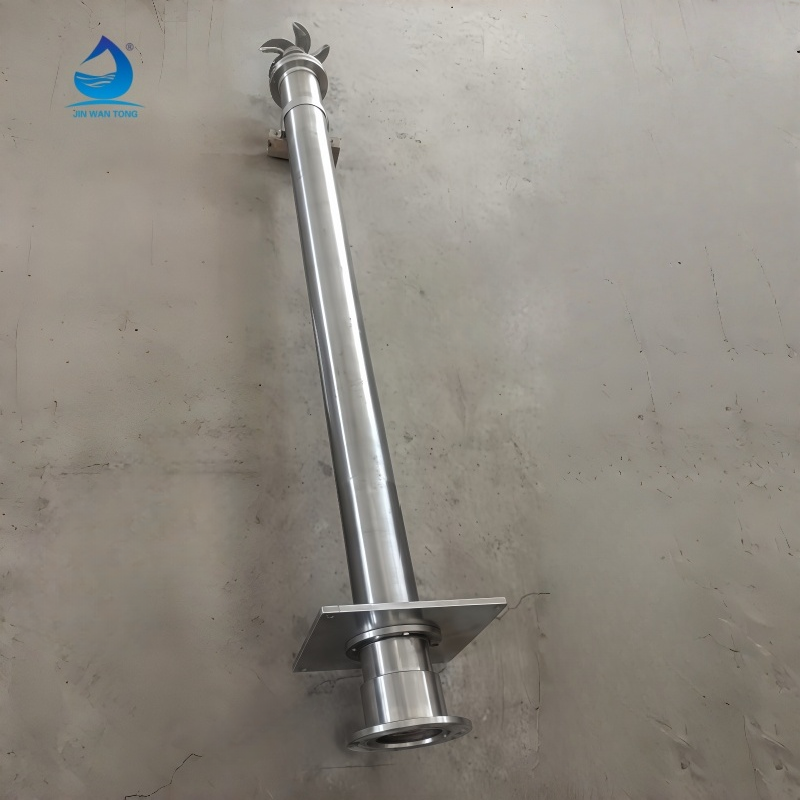
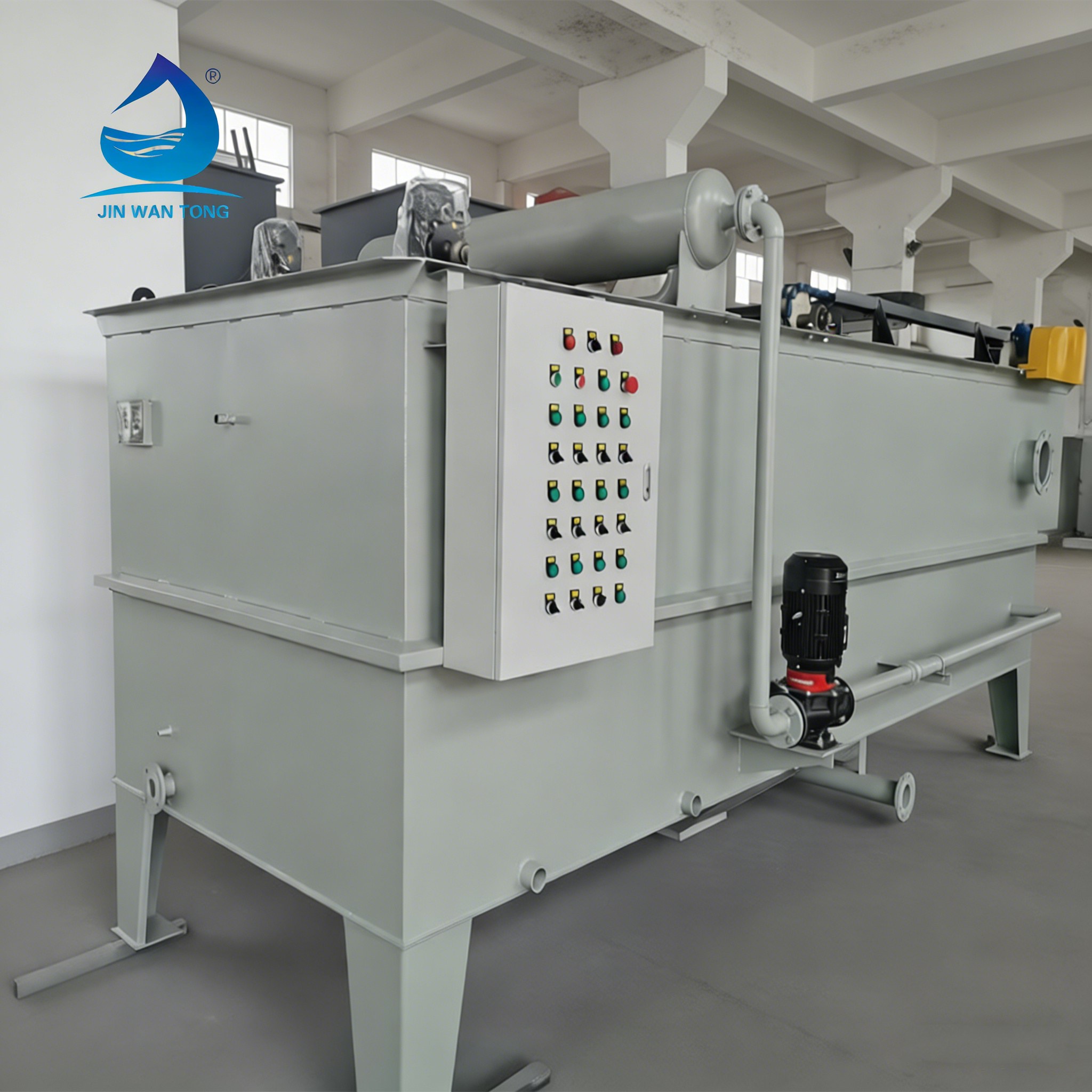
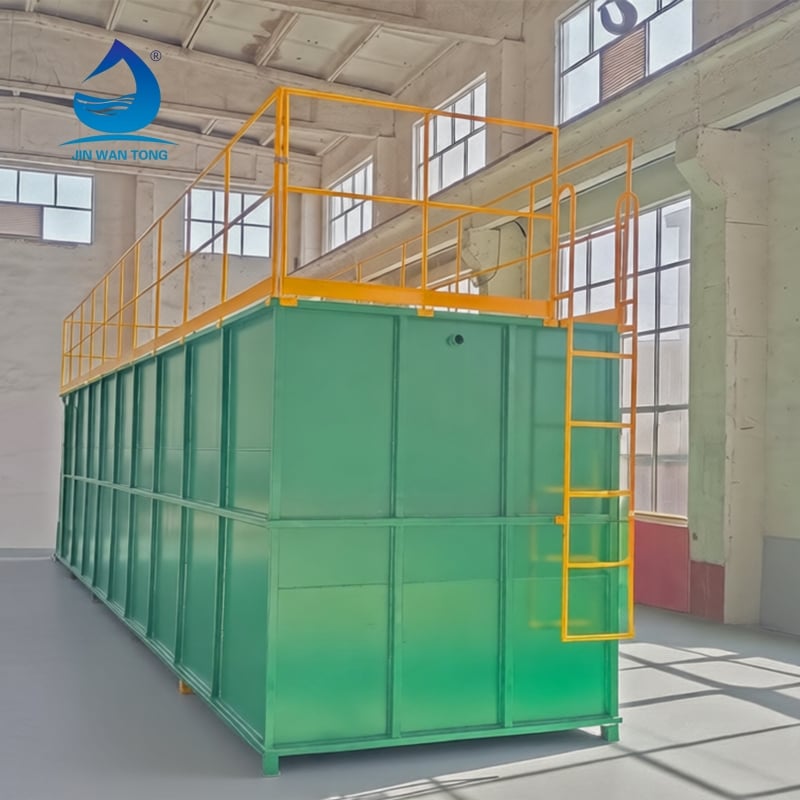
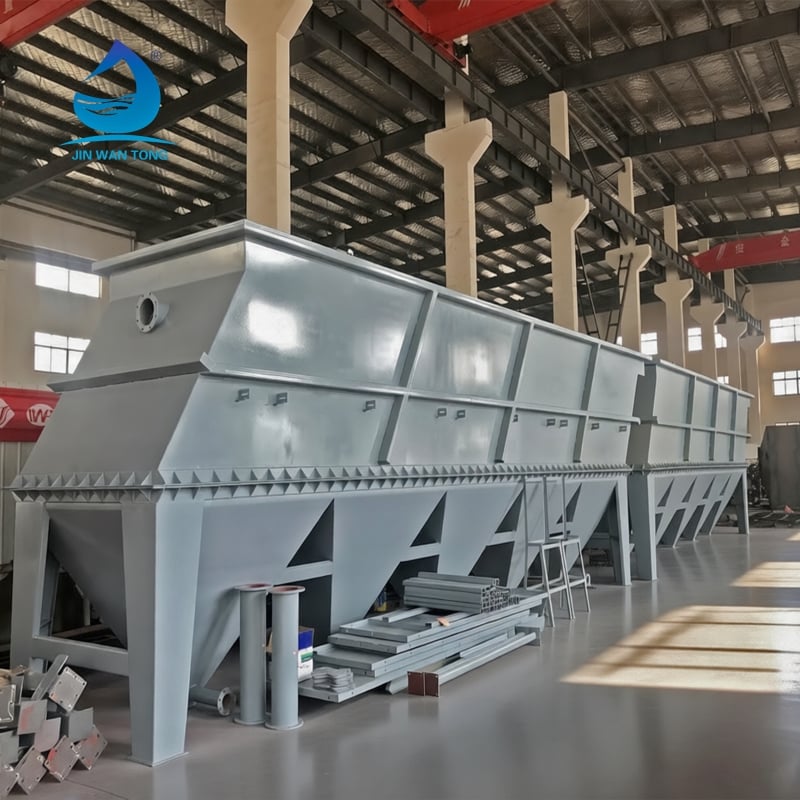
A complete lamella clarifier system for chemical wastewater may include an inlet distribution device, reaction tank, flocculation tank, inclined plate module, settling chamber, overflow weir, sludge hopper, sludge discharge pipeline, automatic dosing system, valves, pipelines, access platform and control cabinet. Depending on the wastewater characteristics, the tank can be made with suitable anti-corrosion material or protective coating. For wastewater with strong acidity, alkalinity, salts or corrosive chemicals, material selection should be discussed before manufacturing.
For equipment selection, B2B buyers should provide more than just flow rate. Important parameters include influent flow, peak flow, pH range, TSS concentration, COD level, heavy metal content if available, chemical precipitation demand, sludge production, target effluent quality, available space and downstream treatment process. If the wastewater contains dissolved organic pollutants, soluble salts or stable emulsified oil, lamella clarification alone may not be sufficient. It may need to work with chemical dosing, DAF, filtration, biological treatment, membrane treatment or advanced oxidation.
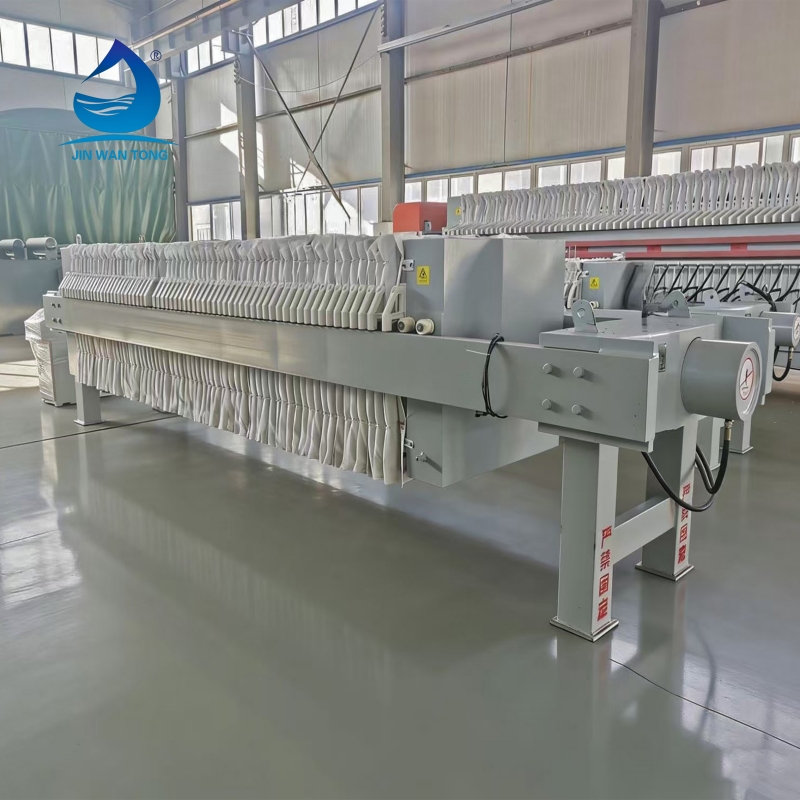
Sludge discharge is another key design point. Chemical wastewater may generate dense, sticky or corrosive sludge after precipitation. If sludge is not discharged regularly, it can accumulate in the hopper, reduce effective tank volume, block inclined plates or affect outlet water quality. Therefore, hopper design, discharge frequency, sludge pipe layout and downstream dewatering should be considered together.
Qingdao Jinwantong provides customized lamella clarifiers and supporting wastewater treatment equipment for chemical wastewater projects. Buyers can send flow rate, water quality report, pH, TSS, treatment target, site layout and project location for technical selection and quotation.
Qingdao Jinwantong provides industrial sewage treatment equipment for global clients. Our MBR, DAF, STP, and oil-water separation systems ensure compliance with national discharge standards. Trusted across 6 continents. Contact us today.
43,Cangnan Road, Cangma Town, Qingdao, Shandong, China
Copyright © 2026 Qingdao Jinwantong Environmental Science And Technology Co., Ltd. All rights reserved. Privacy Policy
 EN
EN