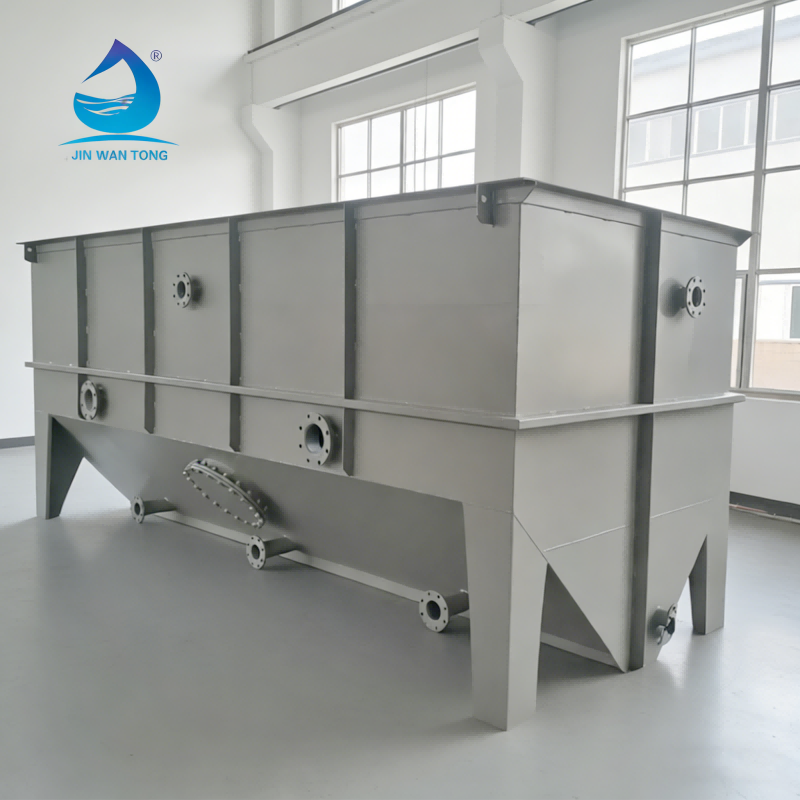
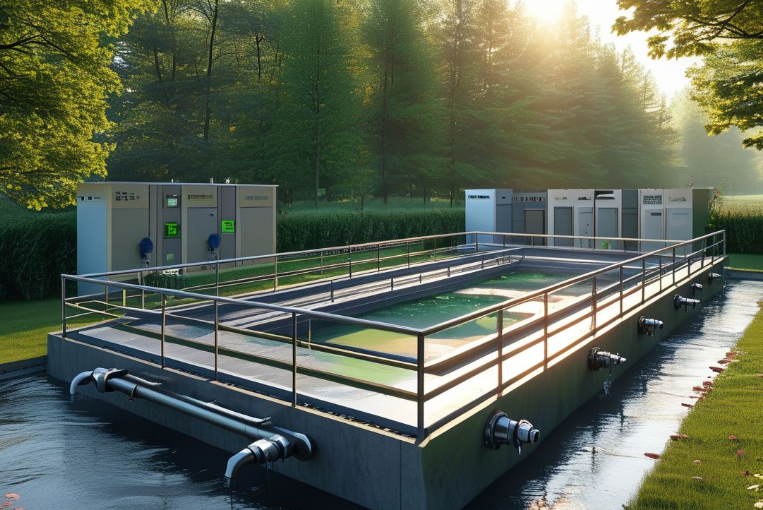
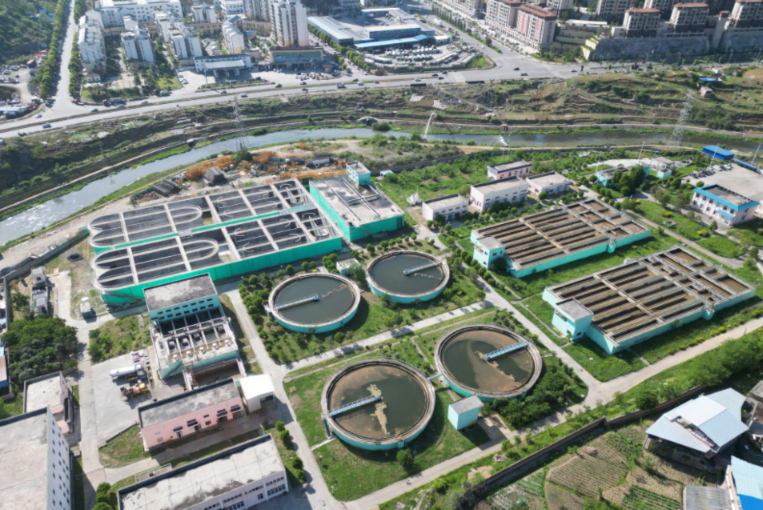
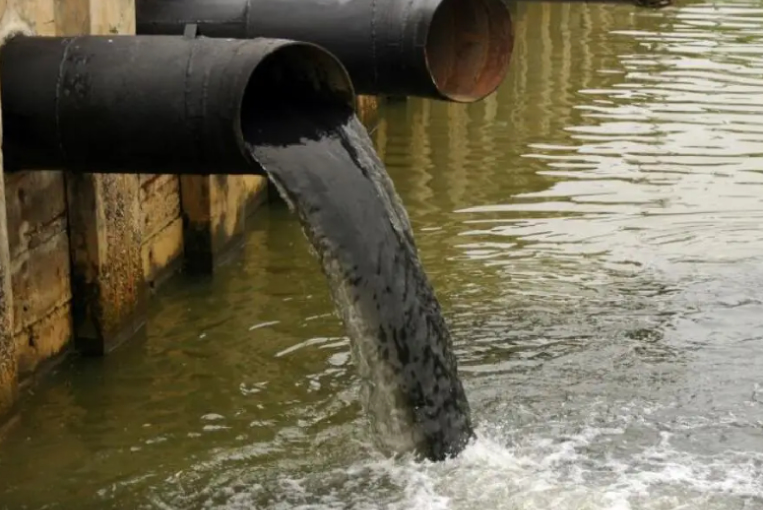
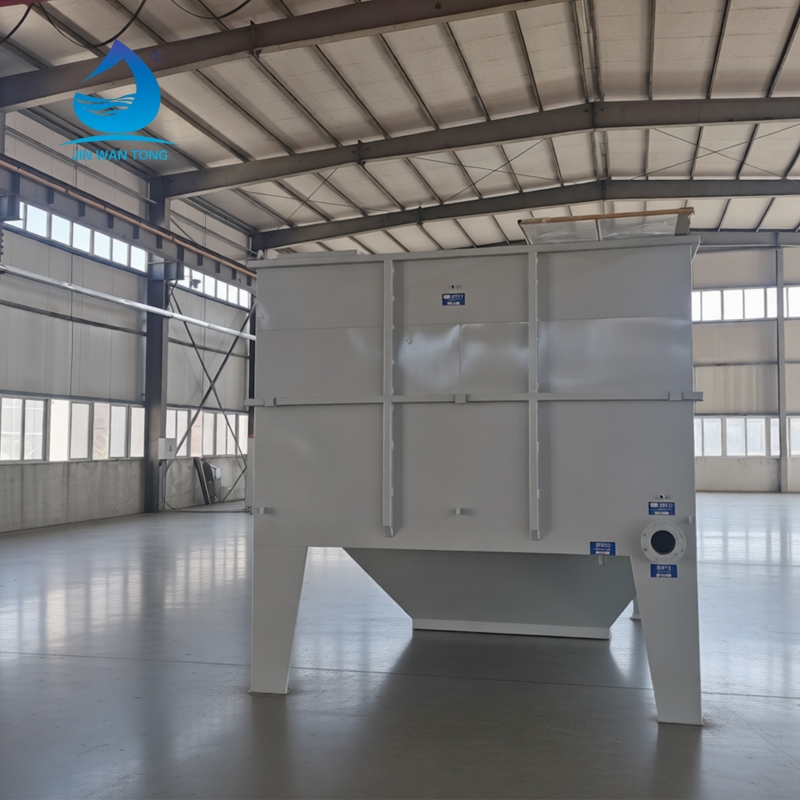
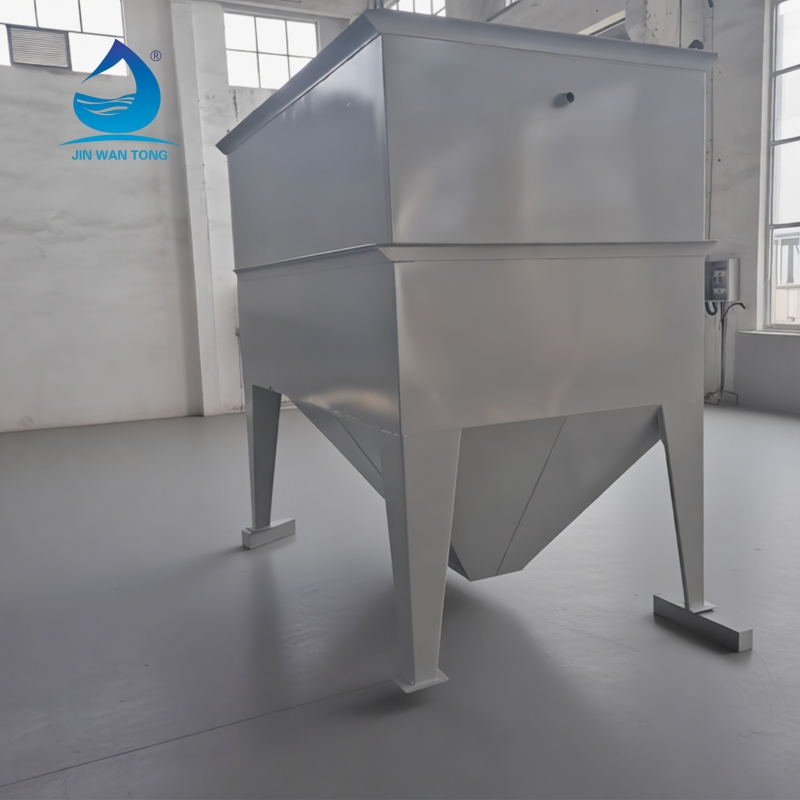
A lamella clarifier water treatment system is a compact clarification unit used to separate suspended solids, flocs, chemical precipitates and sludge from water or wastewater. It is also called an inclined plate clarifier or inclined plate settler. Its main advantage is that multiple inclined plates create a large settling surface inside a relatively small tank, allowing particles to settle more efficiently than in many conventional sedimentation tanks.
The working principle is gravity separation. Raw water or wastewater first enters the inlet distribution zone. If fine particles or colloids are present, coagulants and flocculants may be added before clarification to form larger flocs. The water then flows through the inclined plate area. Solids settle onto the plate surfaces and slide down into the sludge hopper, while clarified water rises and flows out through the overflow weir.
A typical process is:
Influent Water → Dosing / Flocculation → Lamella Settling Zone → Clarified Water Outlet → Sludge DischargeA complete lamella clarifier system may include an inlet distribution device, reaction tank, flocculation section, inclined plate module, settling chamber, overflow weir, sludge hopper, sludge discharge pipe, valves, pipelines, access platform, automatic dosing system and optional control cabinet. Depending on the application, the tank can be made from carbon steel with anti-corrosion coating, stainless steel, FRP or other suitable materials.
In water treatment projects, lamella clarifiers are commonly used as pretreatment before filtration, biological treatment, membrane systems or reuse processes. They help reduce turbidity, suspended solids load and sludge accumulation in downstream equipment. In chemical wastewater treatment, the system is often installed after pH adjustment, coagulation, flocculation or precipitation to remove formed solids. In mining or quarry wastewater, it can help separate mineral particles, clay, sand and tailings solids.
For B2B buyers, selecting a lamella clarifier should not be based only on flow rate. Important parameters include influent flow, peak flow, TSS concentration, particle settling velocity, pH range, chemical dosing demand, sludge production, required effluent quality, available footprint, material requirements and maintenance access. If the wastewater contains stable emulsified oil, dissolved pollutants or very fine colloids, lamella clarification alone may not be sufficient. It may need to work with DAF, filtration, biological treatment, membrane treatment or advanced treatment.
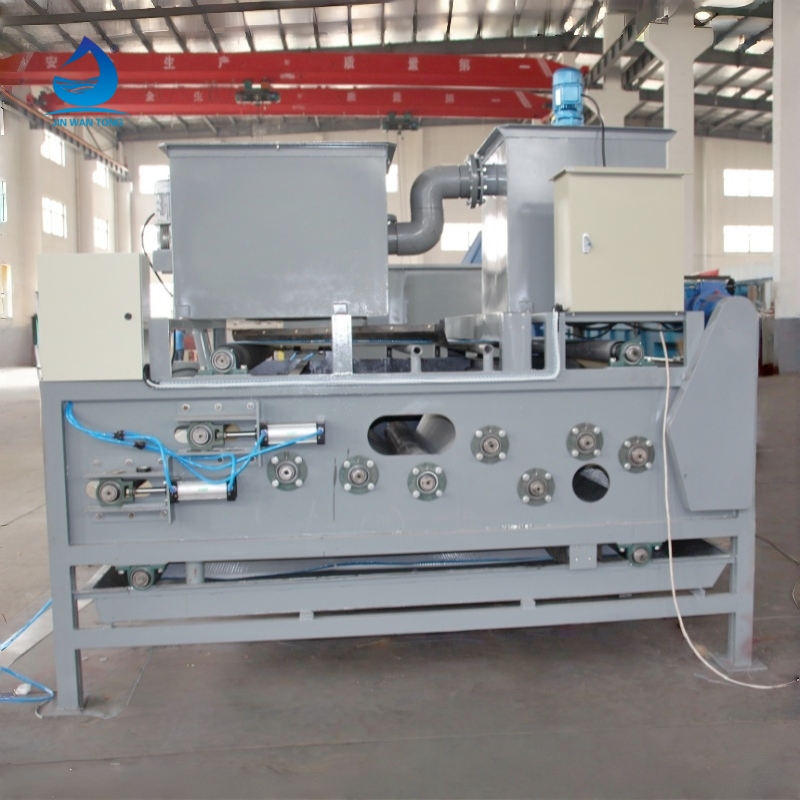
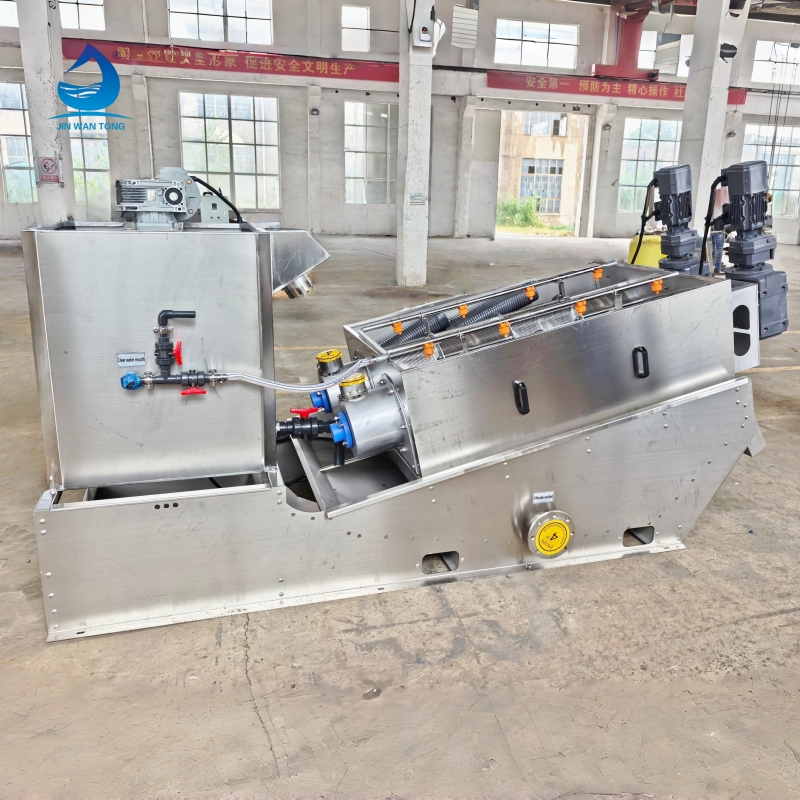
Sludge handling is also important. If sludge discharge is not frequent or the hopper design is not suitable, solids may accumulate, block the plate channels or reduce clarification efficiency. Therefore, sludge volume, discharge method and downstream dewatering should be considered during system design.
Qingdao Jinwantong provides customized lamella clarifier water treatment equipment and supporting systems. Buyers can send flow rate, water quality report, TSS level, treatment target, site layout and project location for technical selection and quotation.
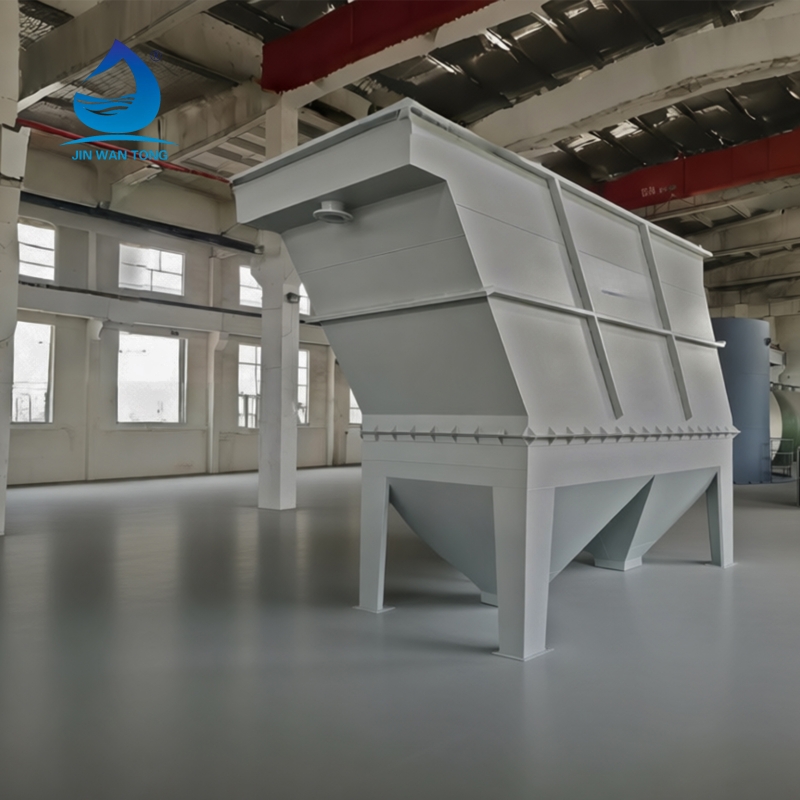
Qingdao Jinwantong provides industrial sewage treatment equipment for global clients. Our MBR, DAF, STP, and oil-water separation systems ensure compliance with national discharge standards. Trusted across 6 continents. Contact us today.
43,Cangnan Road, Cangma Town, Qingdao, Shandong, China
Copyright © 2026 Qingdao Jinwantong Environmental Science And Technology Co., Ltd. All rights reserved. Privacy Policy
 EN
EN