Lamella Clarifier for Mining Wastewater | Compact High-Solids Removal

All Categories

Get a Free Quote

Our representative will contact you soon.
Email
WhatsApp
Name
Company Name
Message
0/1000

Lamella Clarifier for Mining Wastewater: Compact Solids Removal for Heavy-Duty Treatment

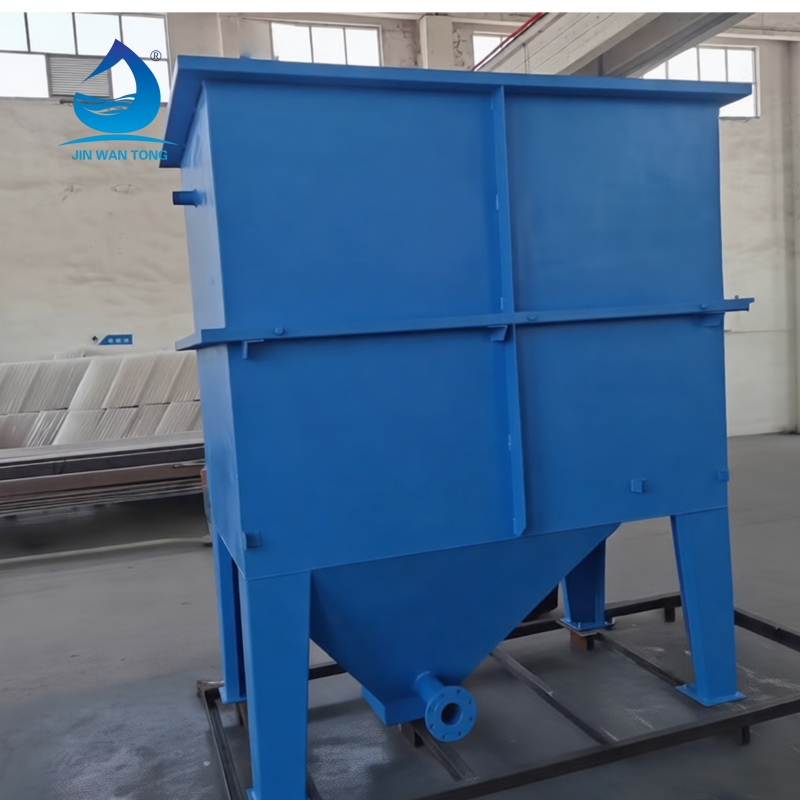
A lamella clarifier for mining wastewater is designed to remove suspended solids, fine mineral particles, chemically formed flocs and settled sludge from mine drainage, mineral processing wastewater, tailings water and quarry wash water. By using inclined plates to increase the effective settling area, the system provides efficient clarification in a compact footprint, helping reduce turbidity and protect downstream filtration, reuse or discharge processes. Qingdao Jinwantong Environmental Science And Technology Co., Ltd., founded in 2006 in Shandong, China, manufactures wastewater treatment equipment including lamella clarifiers, sedimentation tanks, DAF dissolved air flotation machines, automatic dosing systems, sludge dewatering machines, CPI oil-water separators, MBR and MBBR systems and packaged sewage treatment plants.

Why Choose Us

Designed for High-Solids Wastewater

We configure lamella clarifiers according to mining wastewater flow, TSS load, sludge volume, particle characteristics and clarification targets.

Compact Inclined Plate Structure

Lamella plates increase effective settling area, helping reduce footprint compared with conventional sedimentation tanks.

Integrated Chemical and Sludge Treatment

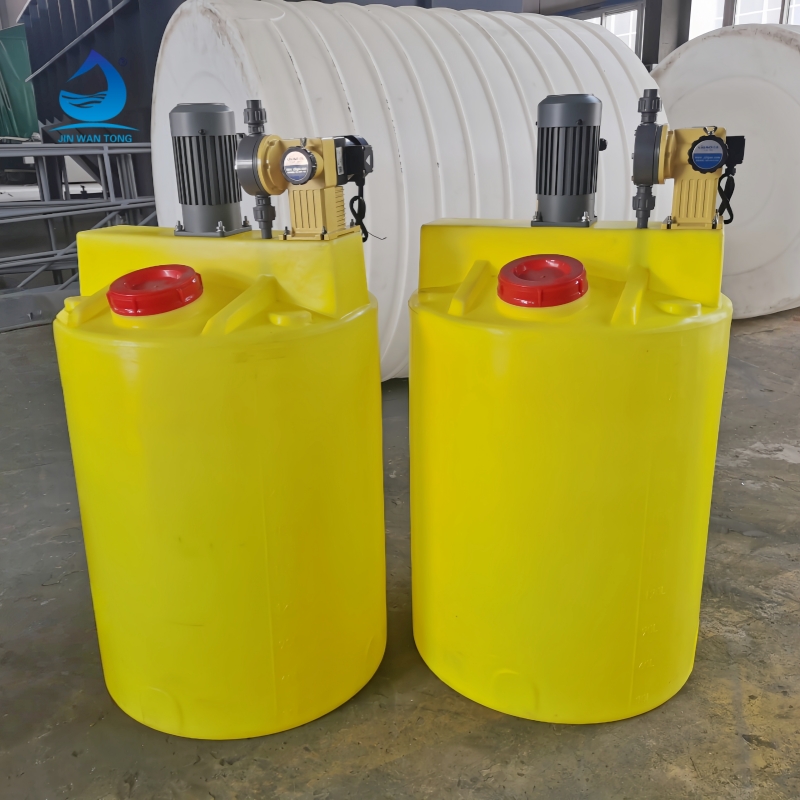
The clarifier can be matched with dosing systems, flocculation units, sludge discharge systems and sludge dewatering machines.

Custom Manufacturing Since 2006

Qingdao Jinwantong supports B2B buyers with equipment customization, technical communication, manufacturing, quotation and project supply.

New Product Recommendations

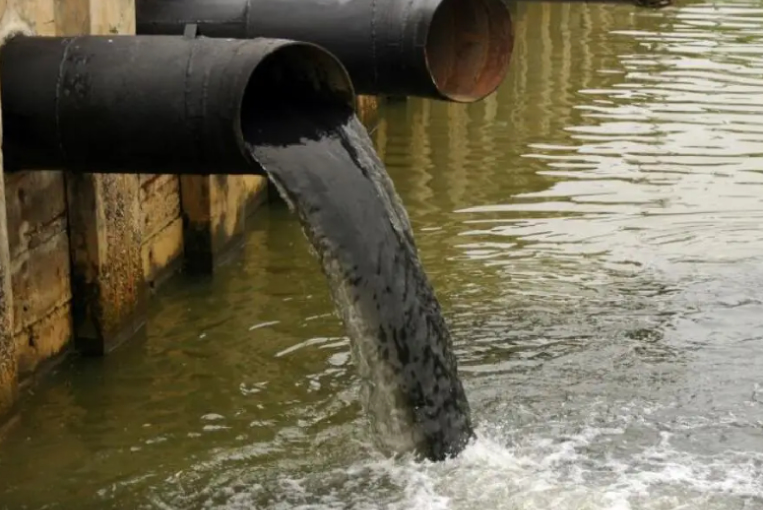
A lamella clarifier for mining wastewater is a compact sedimentation unit used to separate suspended solids, mineral particles, precipitates and sludge from wastewater generated in mining and mineral processing activities. Mining wastewater often contains high turbidity, fine ore particles, clay, sand, tailings solids, metal hydroxide precipitates and variable pH. If these solids are not removed effectively, they can overload downstream filters, increase sludge accumulation, affect water reuse and make discharge compliance more difficult.

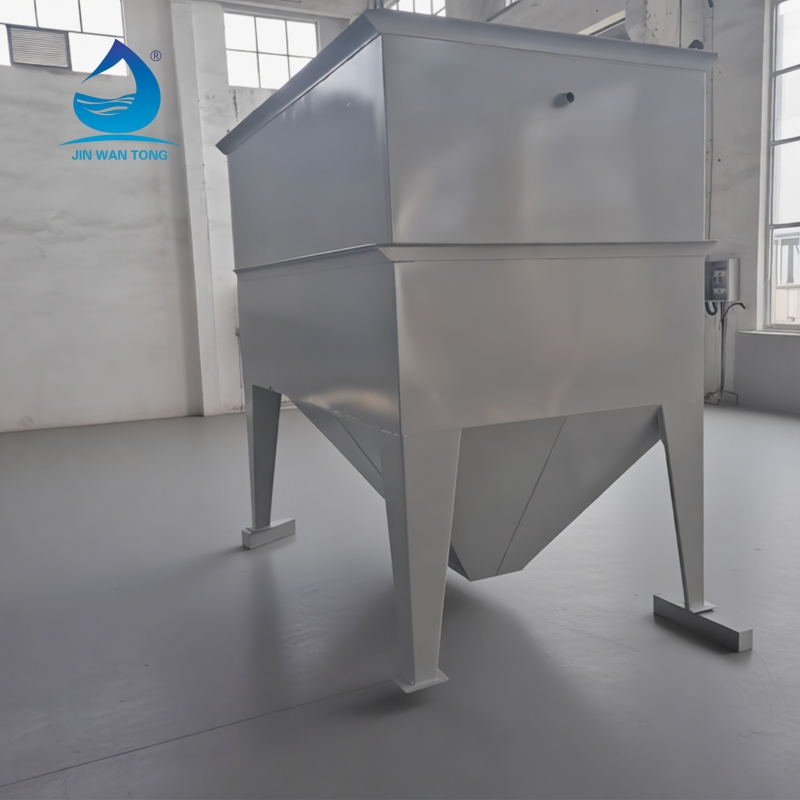
The working principle of a lamella clarifier is gravity settling. Wastewater enters the system through an inlet distribution zone. If needed, coagulants or flocculants are added before clarification to combine fine particles into larger, settleable flocs. The water then flows through inclined plates. Solids settle onto the plate surfaces and slide down into the sludge hopper, while clarified water rises and exits through the overflow weir.

A typical treatment process is:

Mining Wastewater → pH Adjustment / Dosing → Flocculation → Lamella Settling → Clarified Water Outlet → Sludge Discharge

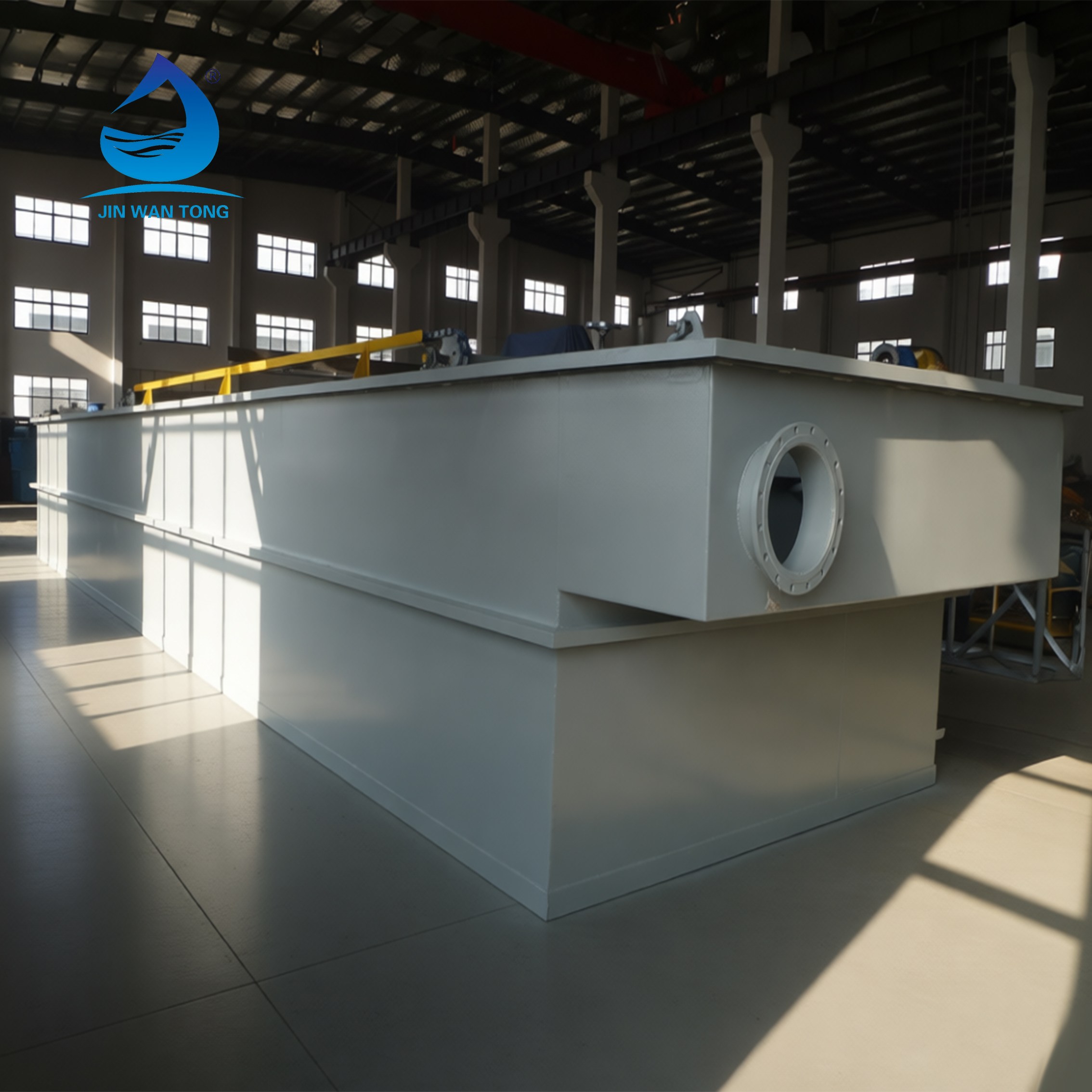
Compared with a traditional sedimentation tank, the main advantage of a lamella clarifier is its larger effective settling area within a smaller footprint. This is useful for mining sites, quarry plants and mineral processing facilities where installation space may be limited or rapid equipment deployment is required.

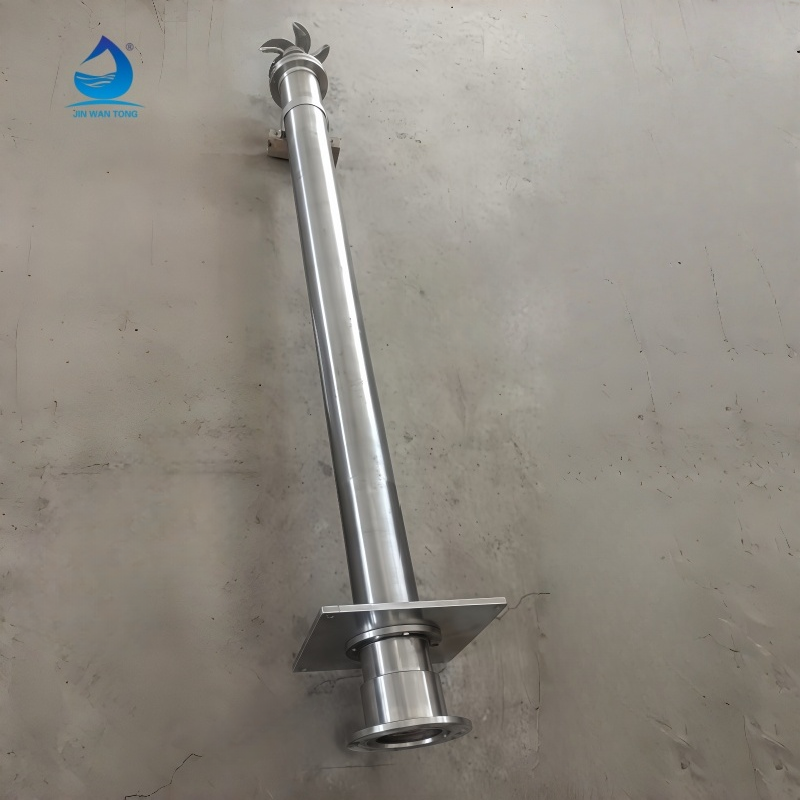
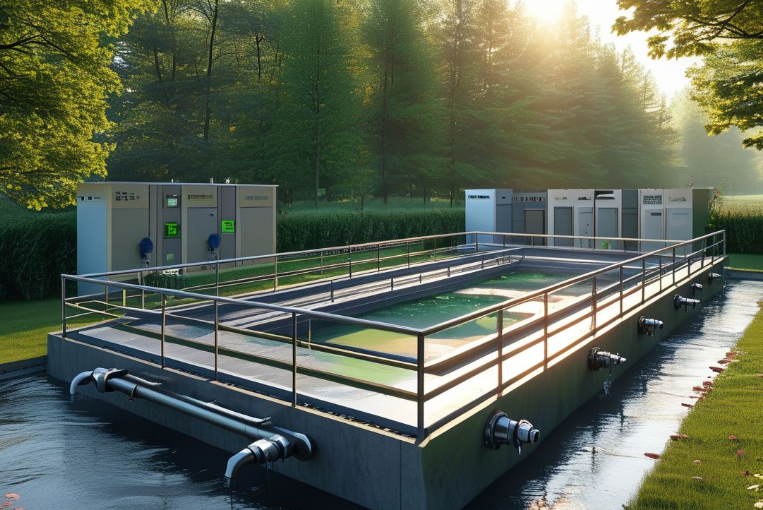
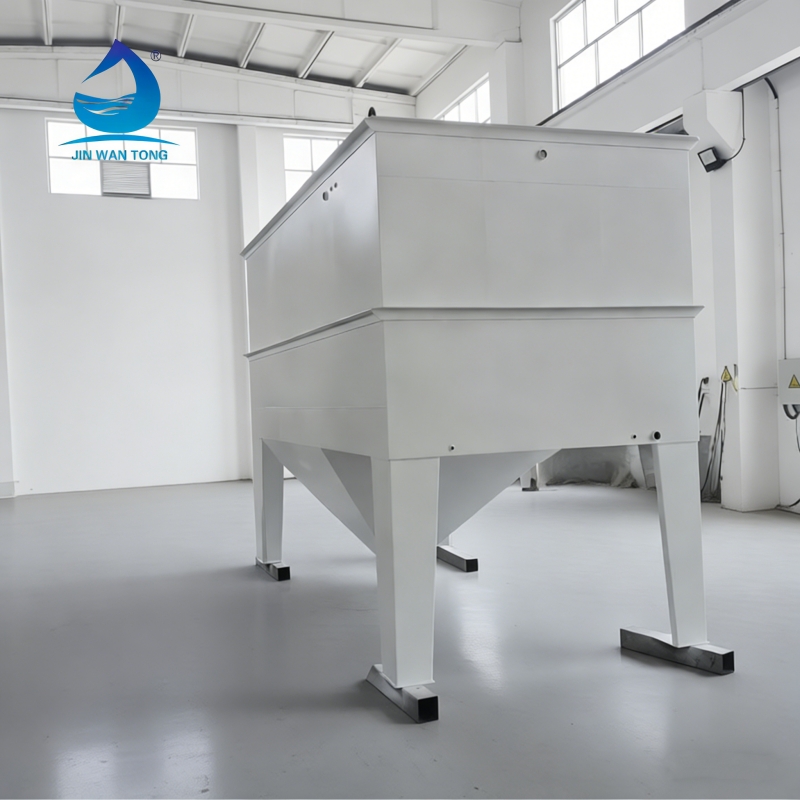
A complete lamella clarification system for mining wastewater may include an inlet distribution device, coagulation tank, flocculation tank, inclined plate module, settling chamber, overflow weir, sludge hopper, sludge discharge pipeline, automatic dosing system, valves, pipelines, access platform and control cabinet. Depending on wastewater properties, anti-corrosion material or coating can be considered. For abrasive slurry or high-solids water, sludge discharge design and maintenance access are especially important.

For equipment selection, buyers should consider more than flow capacity. Key parameters include influent flow rate, peak flow, total suspended solids concentration, particle size distribution, settling velocity, pH range, metal content, chemical precipitation demand, sludge concentration, target effluent turbidity, available footprint and downstream process requirements. If the wastewater contains very fine colloidal particles or dissolved metals, lamella clarification alone may not be enough. It usually needs to work with pH adjustment, coagulation, flocculation, precipitation, filtration or other treatment processes.

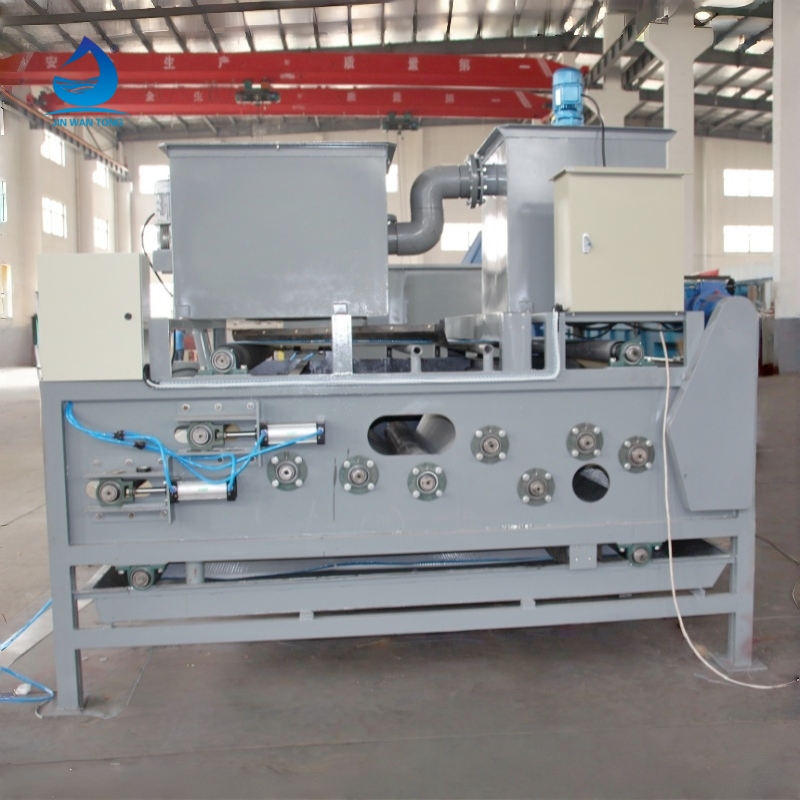
Sludge handling is another important point. Mining wastewater can generate a large amount of settled sludge. If the hopper angle, sludge discharge frequency or pipe layout is not suitable, sludge may accumulate, harden or block the system. In many projects, the discharged sludge is sent to a sludge thickening or dewatering unit to reduce disposal volume.

Qingdao Jinwantong provides customized lamella clarifiers and related wastewater treatment equipment for mining and industrial applications. Buyers can send flow rate, water quality report, TSS level, pH, treatment target, site layout and project location for technical selection and quotation.
Frequently Asked Questions

Is a lamella clarifier for mining wastewater suitable for high TSS?

Yes. A lamella clarifier for mining wastewater can be configured for high suspended solids, but the design must consider TSS concentration, sludge volume, particle settling performance and discharge frequency.
Please provide flow rate, peak flow, TSS concentration, particle size, pH, metal content if available, treatment target, available space and downstream process requirements.
Yes. The lamella clarifier can be integrated with pH adjustment, coagulation, flocculation and automatic dosing systems to improve fine particle and precipitate removal.
Yes. Tank material, anti-corrosion coating, inclined plate configuration, sludge hopper, discharge pipeline and control options can be customized according to wastewater conditions.
Send your wastewater flow, water quality report, TSS level, site layout, required effluent quality and project location. We will provide technical selection and quotation support.

Practical Tips

Overview of the Agricultural Wastewater Treatment Market

17

Dec

Overview of the Agricultural Wastewater Treatment Market

View More
Global Real-Time Wastewater Treatment Update

17

Dec

Global Real-Time Wastewater Treatment Update

View More
Navigating the Waters: The Role of an Industrial Wastewater Treatment Plant

17

Dec

Navigating the Waters: The Role of an Industrial Wastewater Treatment Plant

View More

Applications

Mine Drainage Clarification

Used to reduce suspended solids and turbidity in mine drainage before reuse, filtration, further treatment or regulated discharge.

Mineral Processing Wastewater

Applied in ore washing, flotation-related wastewater, beneficiation wastewater and process water recycling systems to separate fine mineral solids and flocs.

Quarry and Aggregate Wash Water

Suitable for quarry wastewater, sand washing water and aggregate processing wastewater where mud, clay and fine particles need to be removed efficiently.

Get a Free Quote

Our representative will contact you soon.
Email
WhatsApp
Name
Company Name
Message
0/1000

lamella clarifier for mining wastewater

Handles High Suspended Solids With Compact Footprint

Handles High Suspended Solids With Compact Footprint

Mining wastewater often contains much higher suspended solids than ordinary municipal wastewater. Conventional settling tanks may require large civil structures and more installation space, which can be difficult for mining sites or temporary treatment stations. A lamella clarifier uses inclined plates to increase effective settling area inside a compact tank, helping separate mineral particles, flocs and sludge more efficiently. Qingdao Jinwantong can configure the system according to actual flow rate, TSS load, particle settling characteristics and site layout. For B2B buyers, this helps reduce footprint pressure while maintaining practical clarification capacity for mining wastewater treatment.
Better Results With Dosing and Flocculation Matching

Better Results With Dosing and Flocculation Matching

Fine mineral particles and colloidal solids in mining wastewater may settle slowly without chemical conditioning. If pH adjustment, coagulant dosing or flocculation is not properly matched, the clarifier may not achieve stable turbidity reduction. Qingdao Jinwantong can supply lamella clarifiers together with automatic dosing systems and flocculation units to support a more complete pretreatment process. This is especially important when wastewater contains metal precipitates, clay particles or fine tailings solids. For contractors and plant owners, integrated equipment supply can reduce process interface problems, simplify procurement and support smoother commissioning.
Sludge Discharge Designed for Heavy Solids Load

Sludge Discharge Designed for Heavy Solids Load

One common challenge in mining wastewater treatment is sludge management. Settled mineral sludge can be dense, abrasive and high in volume. If the sludge hopper, discharge pipe or discharge frequency is not properly designed, solids may accumulate, harden or block the system. A practical lamella clarifier should consider sludge volume, hopper design, discharge method, maintenance access and downstream dewatering needs from the beginning. Qingdao Jinwantong can match lamella clarification with sludge discharge and sludge dewatering equipment when required, helping buyers plan the full route from suspended solids removal to sludge volume reduction.
Lamella Clarifier for Mining Wastewater | Compact High-Solids Removal

Get a Free Quote

Our representative will contact you soon.
Email
WhatsApp
Name
Company Name
Message
0/1000