Compact Design and Space Optimization
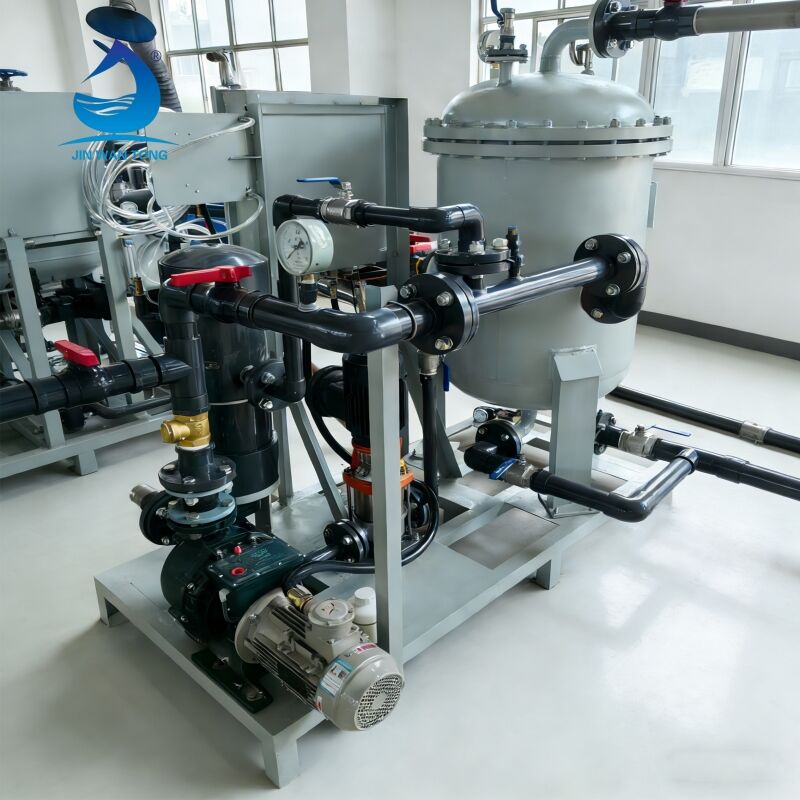
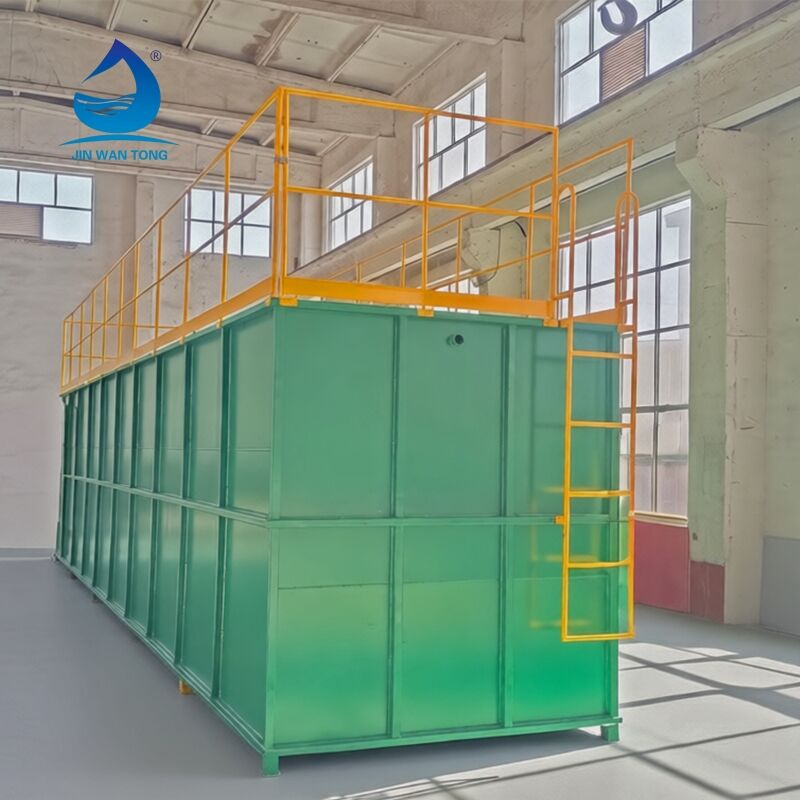
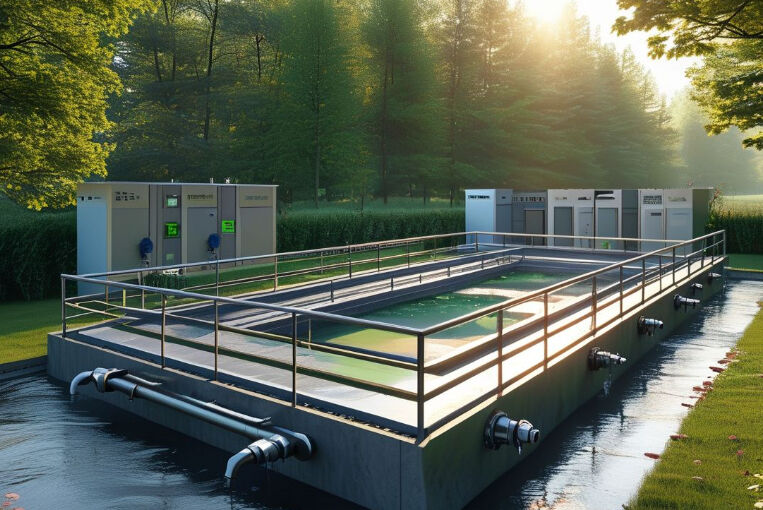
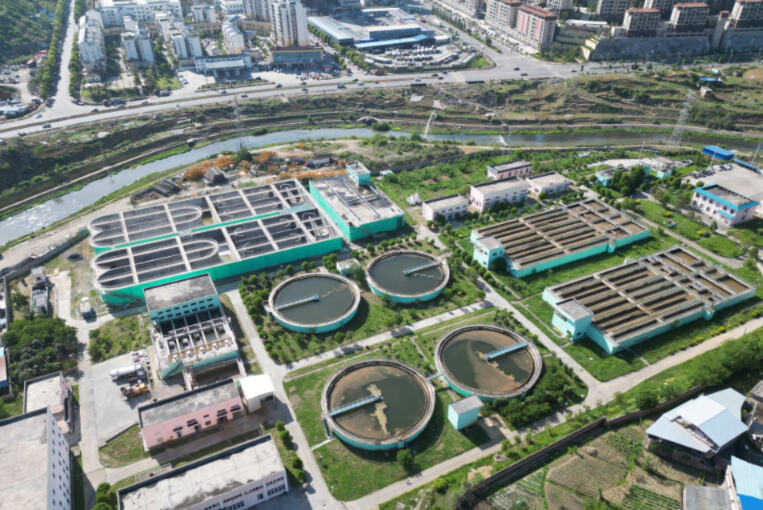
The MBR system wastewater treatment revolutionizes facility planning and design through its remarkably compact footprint that delivers maximum treatment capacity within minimal physical space requirements. Traditional wastewater treatment facilities typically require extensive land areas for clarifiers, settling tanks, and multiple treatment stages, often occupying several acres for moderate-capacity installations. In contrast, the MBR system wastewater treatment integrates multiple treatment processes into a single, streamlined configuration that can reduce space requirements by up to 75 percent compared to conventional systems. This dramatic space reduction stems from the elimination of secondary clarifiers, as the membrane filtration process directly separates treated water from biomass without requiring gravitational settling time or large clarification basins. The vertical design orientation commonly employed in MBR system wastewater treatment installations further maximizes treatment capacity within limited horizontal space, making the technology particularly valuable for urban environments, industrial facilities with space constraints, or retrofit applications where existing infrastructure limits expansion possibilities. The compact nature of the MBR system wastewater treatment also translates to significant cost savings in site preparation, foundation construction, and building requirements, as smaller treatment facilities require less excavation, concrete work, and protective structures. Additionally, the reduced footprint simplifies utility connections, reduces piping requirements, and minimizes the need for extensive electrical infrastructure, further lowering installation costs and complexity. The space efficiency of MBR system wastewater treatment installations also provides operational benefits, including easier access for maintenance activities, simplified monitoring procedures, and reduced walking distances for operators performing routine inspections and adjustments. This optimization enhances operational efficiency while reducing labor requirements and improving safety conditions. For facilities considering future expansion or modification of treatment capacity, the modular nature of MBR system wastewater treatment allows for incremental capacity increases without major infrastructure modifications, providing flexibility for changing operational requirements while maintaining the space-efficient design advantages that make this technology increasingly attractive for modern wastewater treatment applications.

 EN
EN