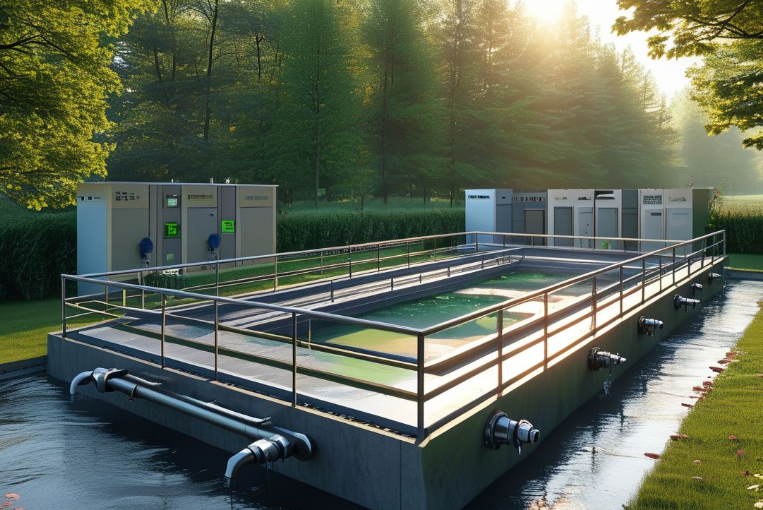
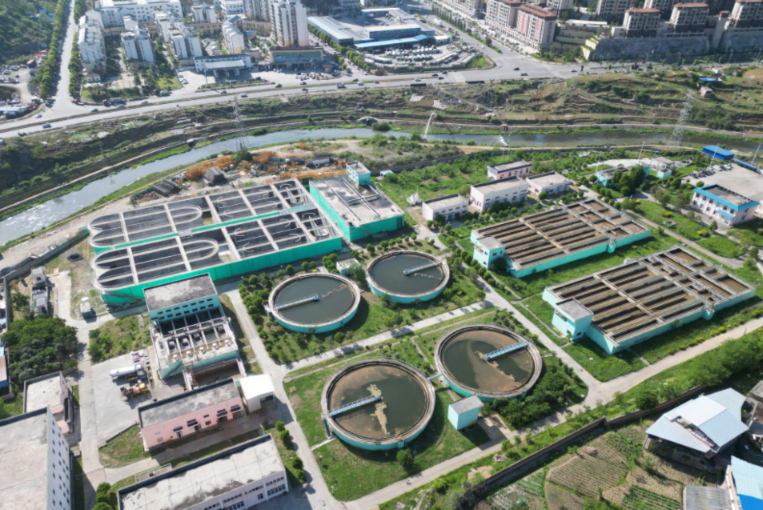
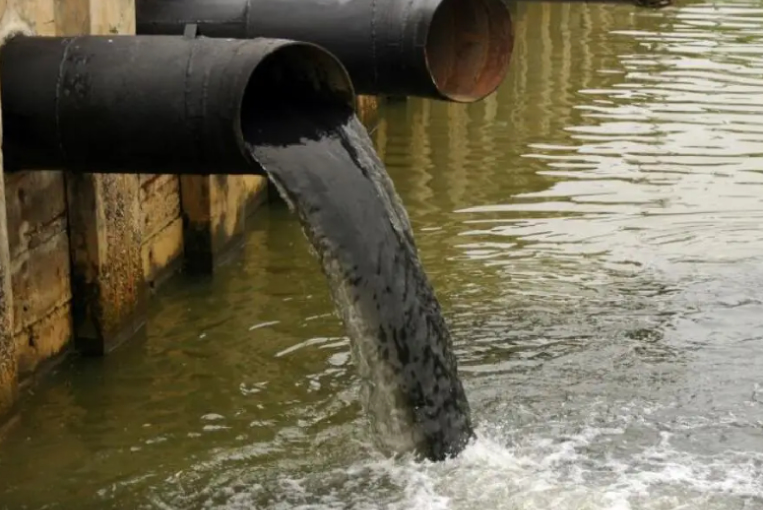
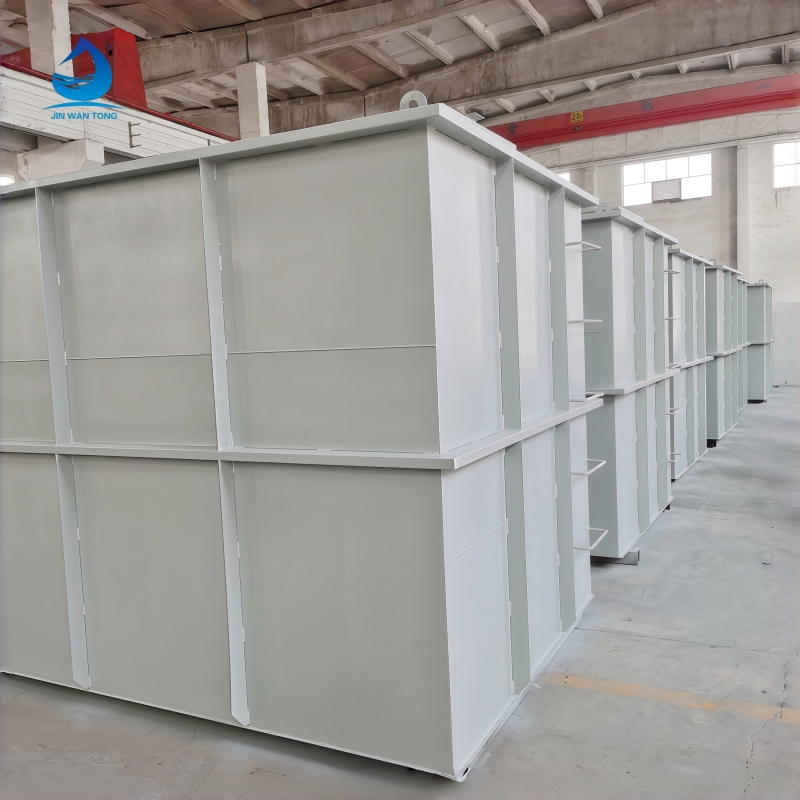
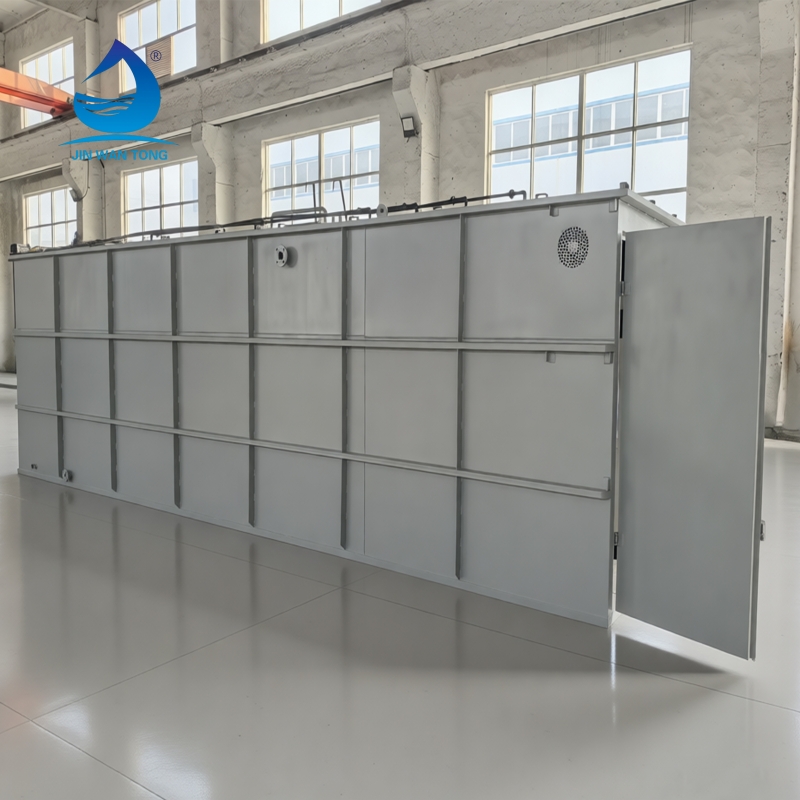
An mbr wastewater treatment plant is a compact wastewater treatment facility using Membrane Bioreactor technology. It is commonly selected for domestic sewage, municipal wastewater, decentralized treatment stations and selected industrial effluent projects where stable outlet quality and limited installation space are key concerns.
The MBR process combines two treatment functions in one system. First, microorganisms in the biological tank degrade organic pollutants such as COD and BOD. Under suitable operating conditions, ammonia nitrogen can also be reduced through nitrification. Second, membrane modules separate treated water from activated sludge, suspended solids and many microorganisms. This membrane barrier helps produce clear effluent and reduces dependence on large secondary clarifiers.
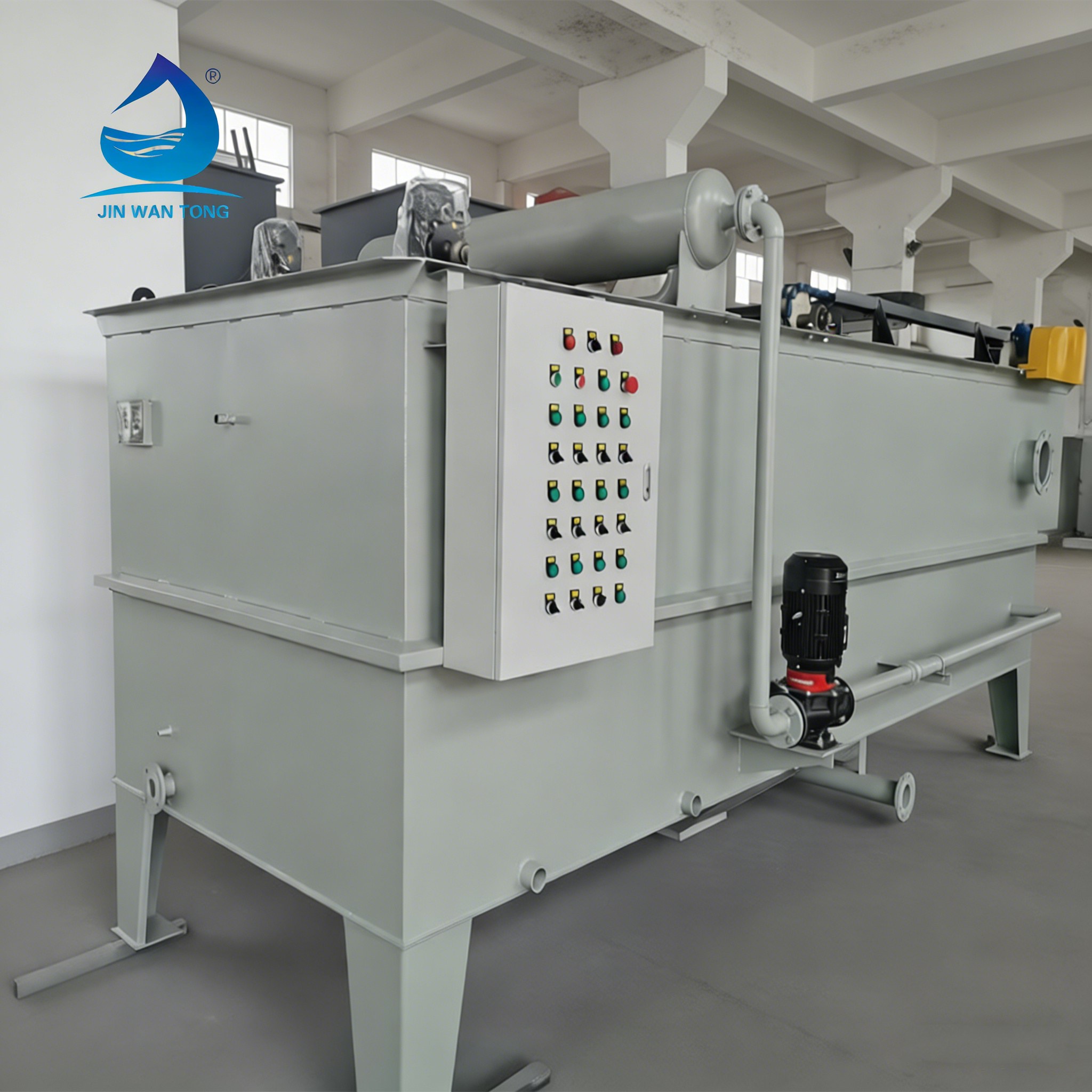
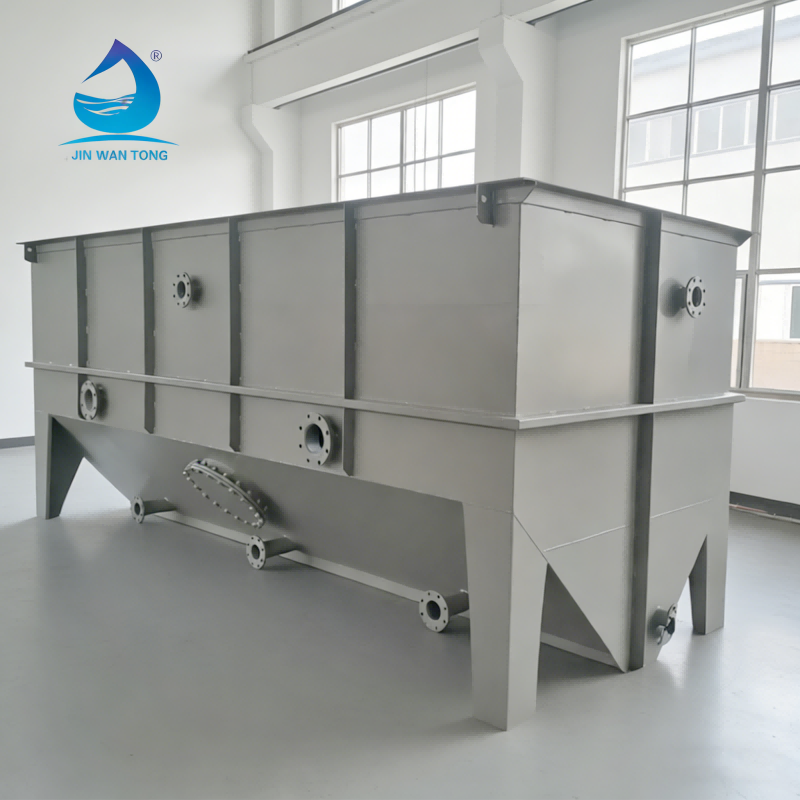
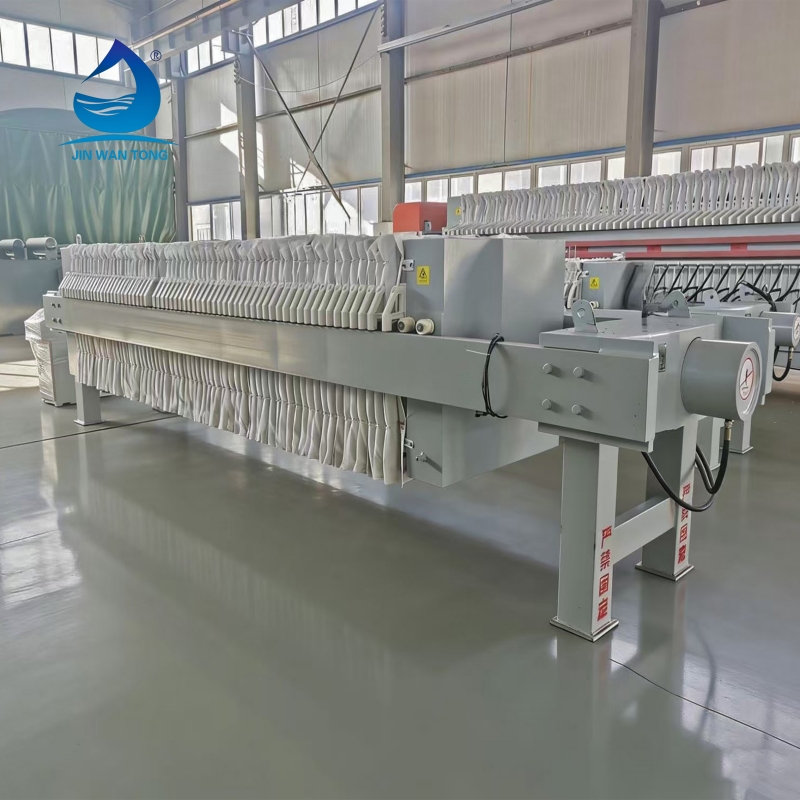
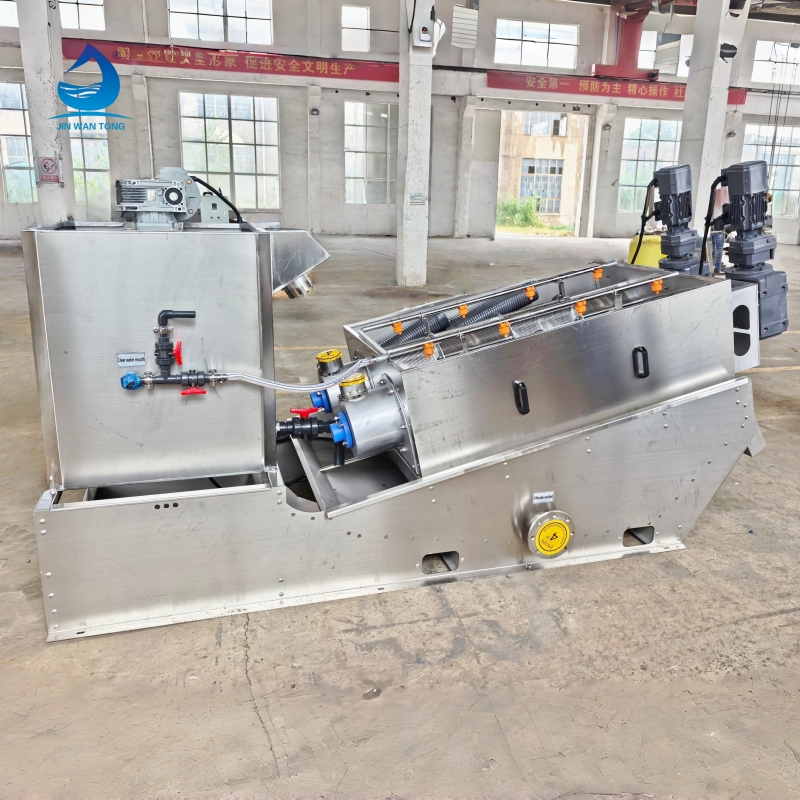
A typical MBR wastewater treatment plant may include mechanical screening, an equalization tank, an anoxic or aerobic biological reactor, submerged membrane modules, aeration blowers, suction pumps, backwash pipelines, chemical cleaning systems, sludge discharge units, disinfection equipment and an electrical control cabinet. Depending on the wastewater source, it may also be combined with DAF dissolved air flotation, CPI oil-water separation, chemical dosing, activated carbon filtration or sludge dewatering equipment.
A common process flow is:
Screening → Equalization → Biological Treatment → MBR Membrane Separation → Disinfection → Discharge / ReusePretreatment is important for stable MBR plant operation. Large solids, fibers, grease and high suspended solids may cause membrane fouling or blockage. For oily wastewater, DAF or oil-water separation may be needed before the biological stage. For high-strength industrial wastewater, chemical, anaerobic or other pretreatment processes may be required before entering the MBR system.
For B2B buyers, choosing an MBR plant should not depend only on treatment capacity. Key design inputs include daily flow rate, peak flow, wastewater source, COD, BOD, SS, ammonia nitrogen, oil and grease, pH, temperature, discharge standard, reuse target, available space and local operating conditions. Membrane flux, aeration intensity, sludge concentration, cleaning frequency and automation level also affect long-term performance and operating cost.
MBR wastewater treatment plants are suitable for hotels, residential communities, hospitals, schools, office buildings, construction camps, small municipal stations and industrial parks. They are especially useful where a compact layout is needed or where treated water may be reused for landscaping, flushing or process purposes after suitable polishing and disinfection.
Qingdao Jinwantong can provide packaged or customized MBR plant solutions based on project conditions. Buyers can send flow rate, influent water quality, required outlet standard, site layout and project location for equipment selection and quotation support.
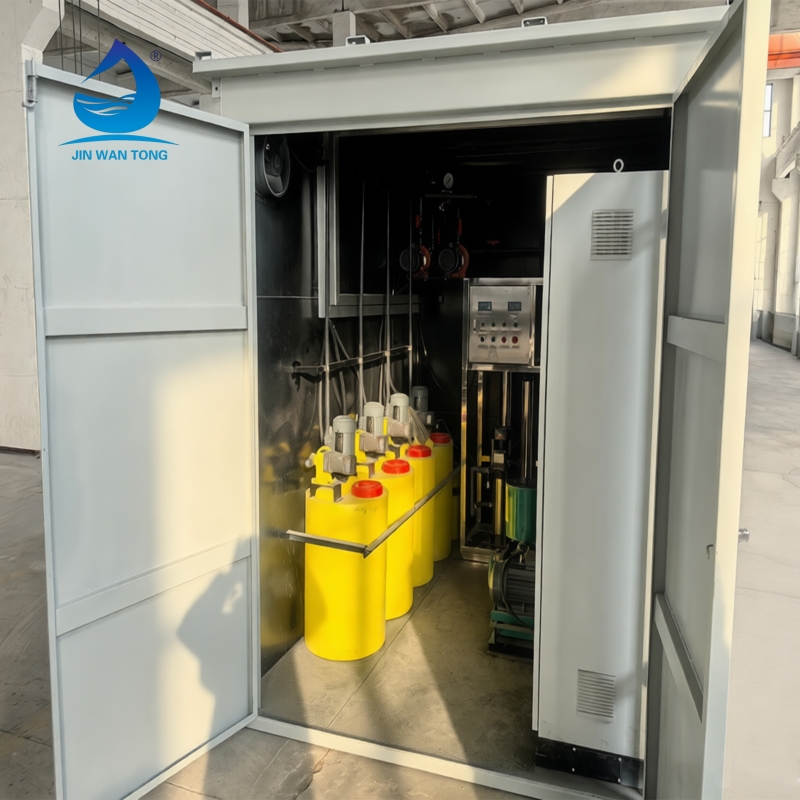
Qingdao Jinwantong provides industrial sewage treatment equipment for global clients. Our MBR, DAF, STP, and oil-water separation systems ensure compliance with national discharge standards. Trusted across 6 continents. Contact us today.
43,Cangnan Road, Cangma Town, Qingdao, Shandong, China
Copyright © 2026 Qingdao Jinwantong Environmental Science And Technology Co., Ltd. All rights reserved. Privacy Policy
 EN
EN