mbr wastewater treatment
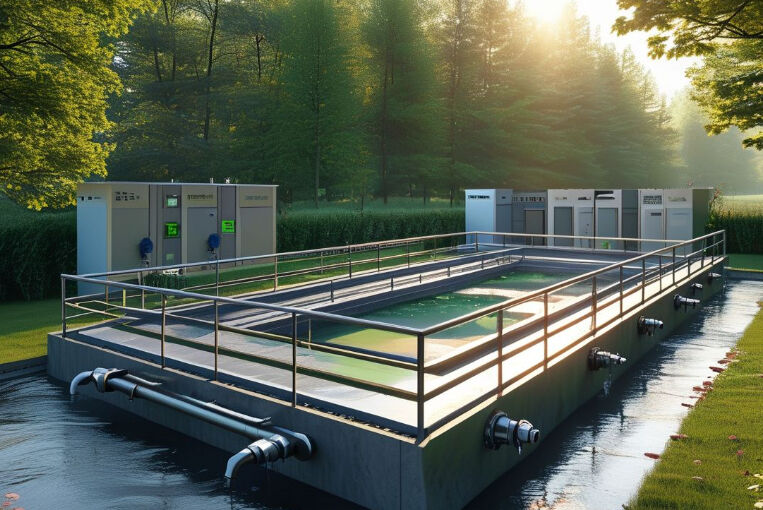
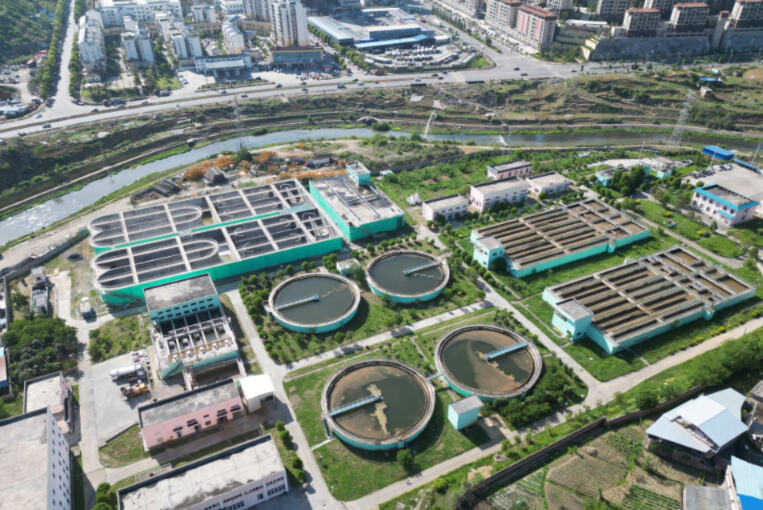
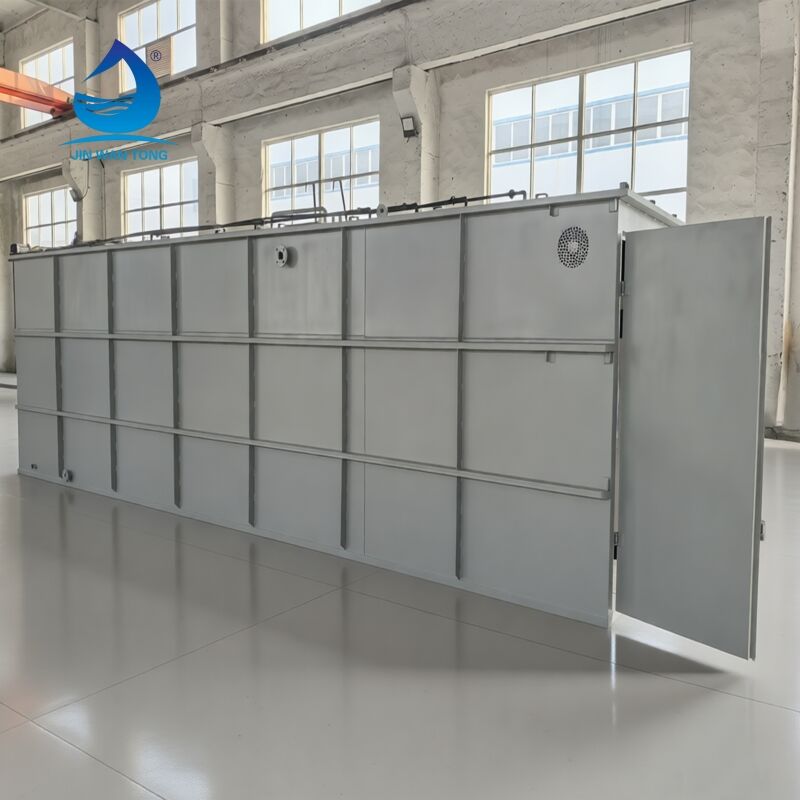
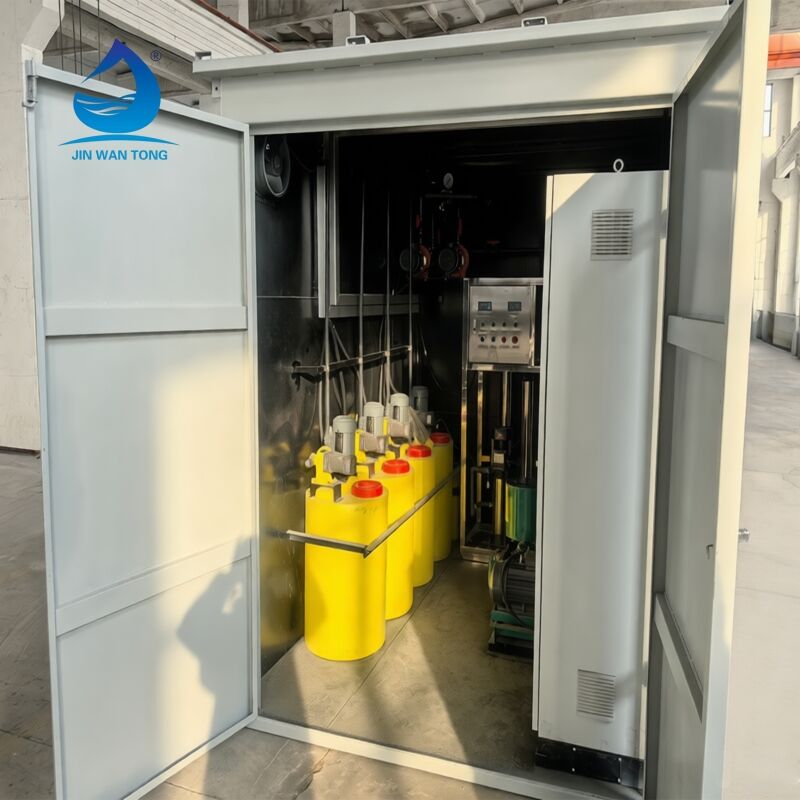
MBR wastewater treatment represents a revolutionary advancement in water purification technology that combines biological treatment processes with advanced membrane filtration systems. This sophisticated approach to water treatment integrates the effectiveness of activated sludge processes with the precision of microfiltration or ultrafiltration membranes, creating a highly efficient and compact treatment solution. The main function of mbr wastewater treatment is to remove contaminants, suspended solids, bacteria, viruses, and dissolved organic matter from wastewater streams, producing high-quality effluent suitable for discharge or reuse applications. The technological features of mbr wastewater treatment include submerged or side-stream membrane configurations, advanced aeration systems, and automated control mechanisms that optimize performance while minimizing operational complexity. These systems utilize hollow fiber or flat sheet membrane modules that act as physical barriers, preventing the passage of particles larger than the membrane pore size, typically ranging from 0.1 to 0.4 microns. The biological component employs microorganisms that consume organic pollutants, converting them into harmless byproducts through aerobic digestion processes. Applications for mbr wastewater treatment span across municipal sewage treatment plants, industrial facilities, commercial buildings, residential developments, and specialized sectors such as food processing, pharmaceuticals, and petrochemicals. The technology proves particularly valuable in situations where space constraints limit conventional treatment options, where stringent discharge requirements must be met, or where water reuse is prioritized. MBR wastewater treatment systems can handle varying flow rates and pollutant loads, making them adaptable to diverse operational requirements. The integration of membrane technology with biological processes eliminates the need for secondary clarifiers, reduces system footprint, and provides consistent treatment performance regardless of seasonal variations or shock loading conditions.
 EN
EN