Compact Footprint and Space Efficiency
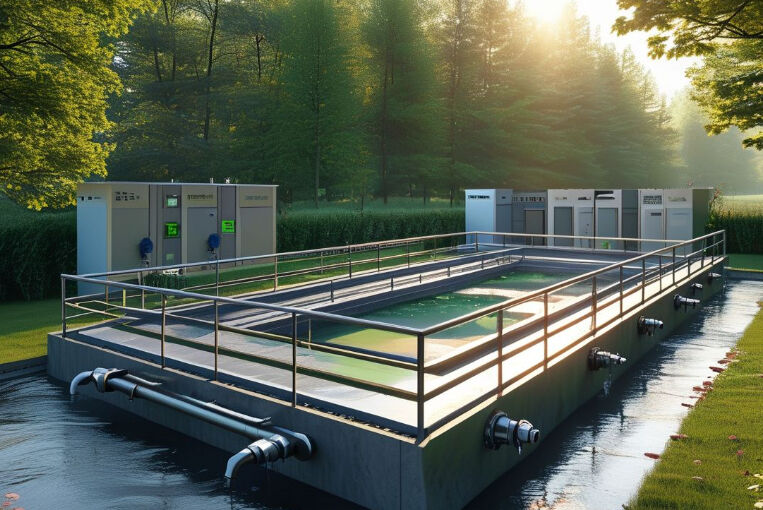
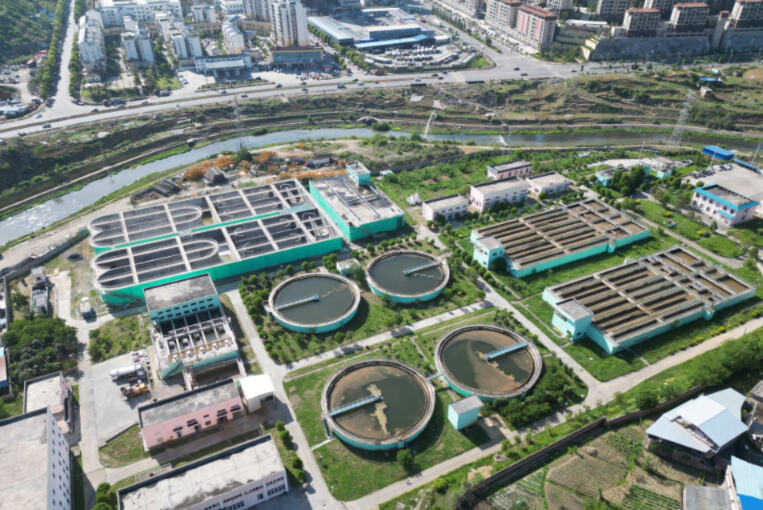
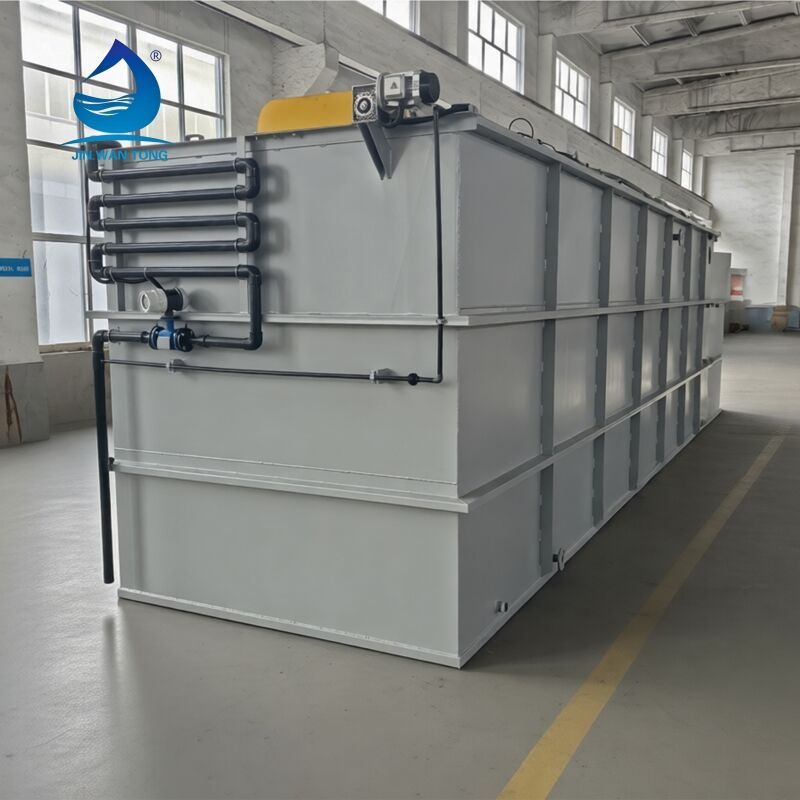
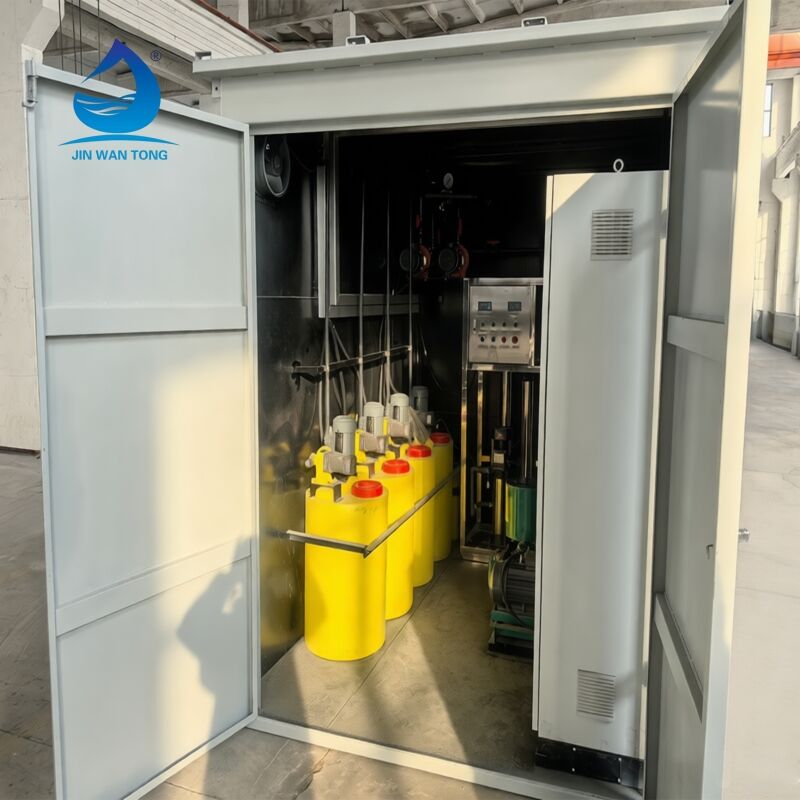
The compact design of MBR sewage treatment systems addresses one of the most pressing challenges facing modern wastewater treatment facilities - the scarcity and high cost of available land. Traditional treatment plants require extensive areas for clarifiers, aeration basins, and tertiary treatment units, often consuming 5-10 acres for medium-sized installations. MBR sewage treatment technology revolutionizes space utilization by integrating multiple treatment processes into a single compact unit, reducing the required footprint by 50-75 percent compared to conventional systems. This space efficiency stems from the elimination of secondary clarifiers, sand filters, and disinfection contact chambers that consume significant real estate in traditional designs. The higher biomass concentrations maintained in MBR sewage treatment reactors, typically 8,000-15,000 mg/L compared to 2,000-4,000 mg/L in conventional systems, allow for smaller reactor volumes while maintaining equivalent treatment capacity. Urban facilities particularly benefit from this compactness, as land acquisition costs in metropolitan areas can represent 30-50 percent of total project expenses. The reduced footprint enables treatment facilities to be located closer to population centers, minimizing collection system costs and energy requirements for wastewater transport. Modular MBR sewage treatment systems can be easily installed in basements, underground vaults, or multi-story configurations, maximizing land use efficiency in dense urban environments. The compact design also facilitates easier expansion when treatment capacity requirements increase, as additional membrane modules can be integrated into existing reactor volumes. Industrial facilities benefit from the ability to install MBR sewage treatment systems within existing building structures, avoiding costly site preparation and reducing visual impact. The space savings extend beyond the treatment units themselves, as the elimination of large clarifiers and filter systems reduces the need for extensive piping networks, access roads, and maintenance areas. This efficiency proves particularly valuable for remote locations where site preparation costs remain prohibitively expensive and transportation of construction materials presents logistical challenges.

 EN
EN