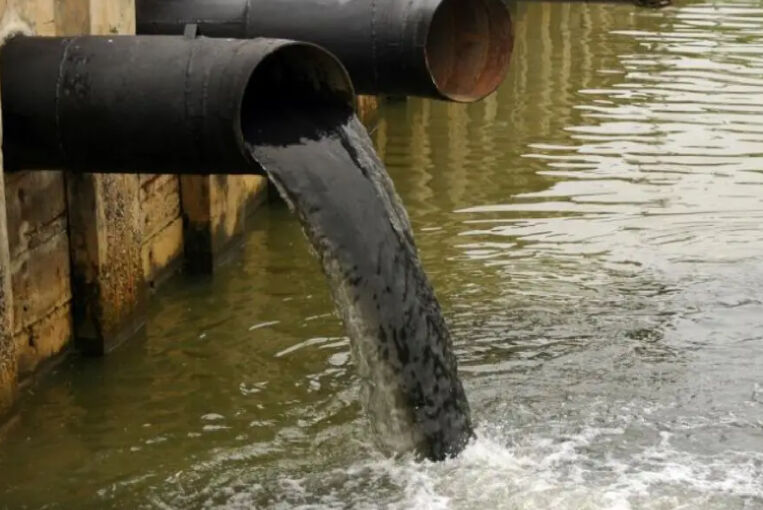
Mechanical Bar Screen Wastewater Systems - Advanced Automated Debris Removal Technology for Water Treatment

All Categories

Get a Free Quote

Our representative will contact you soon.
Email
Name
Company Name
Message
0/1000

mechanical bar screen wastewater

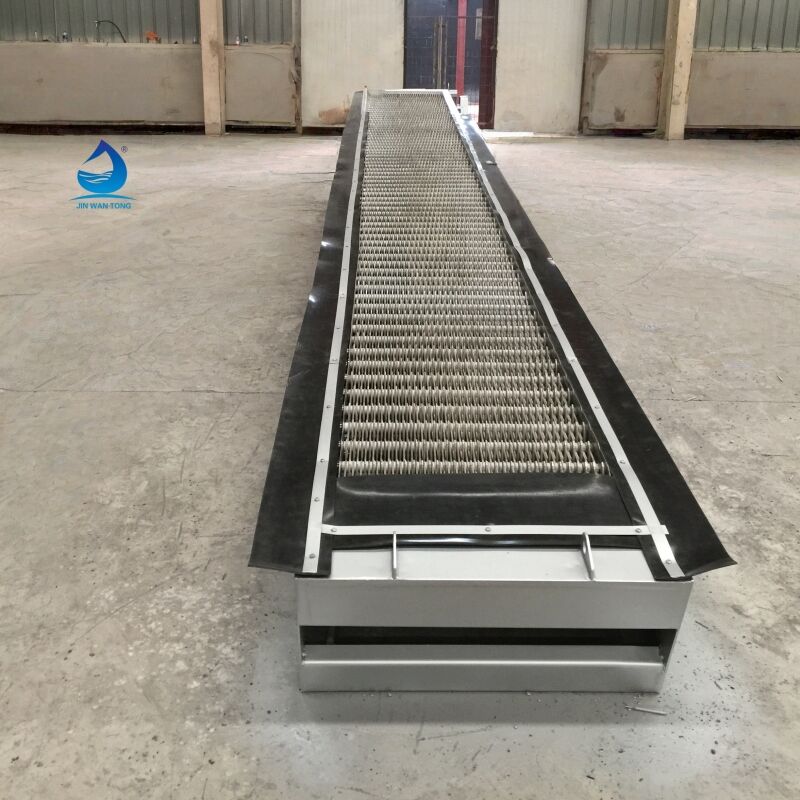
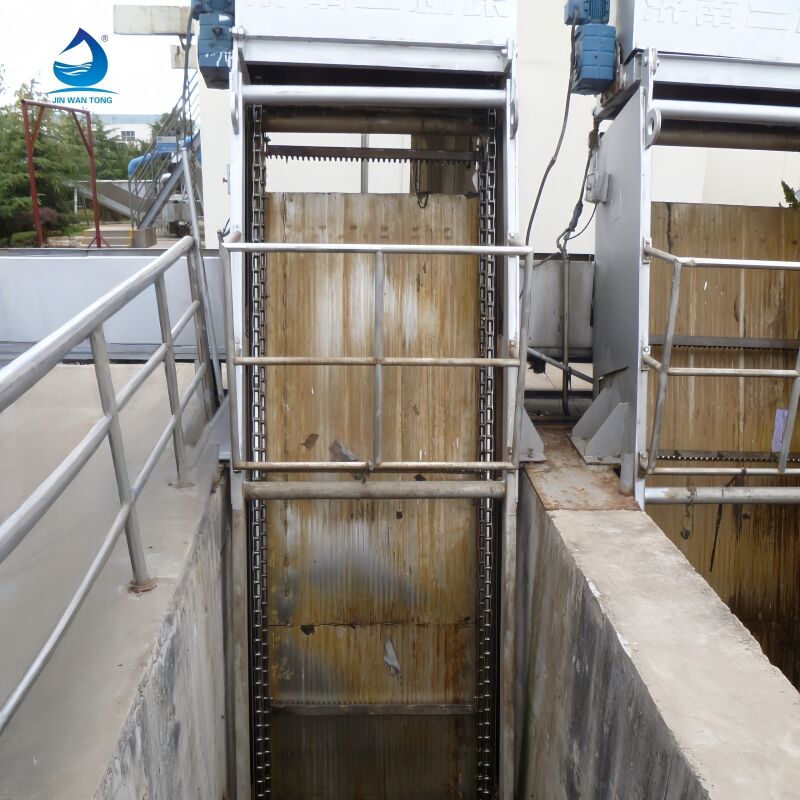
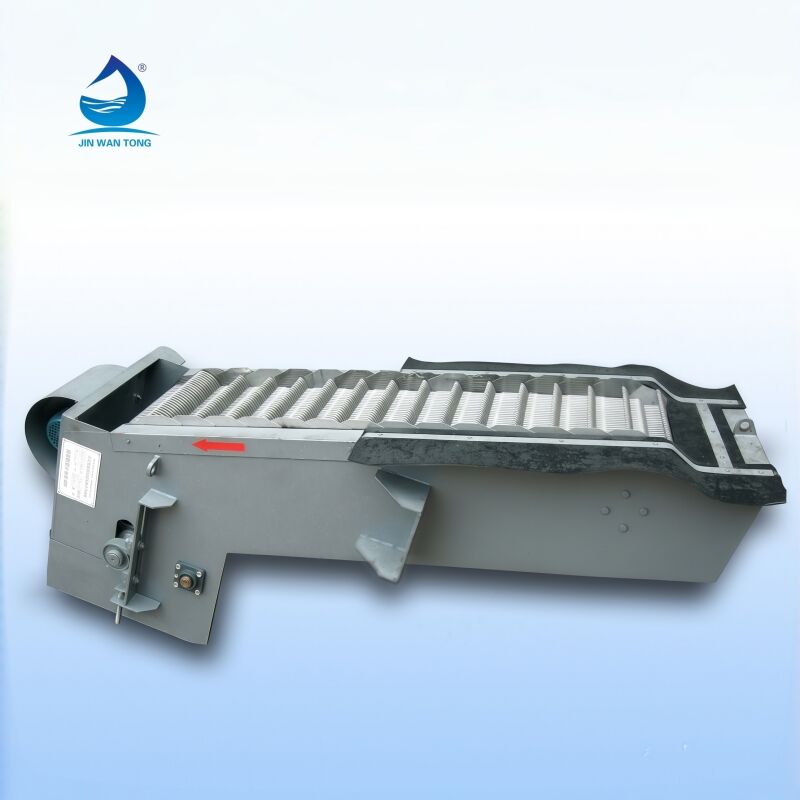
A mechanical bar screen wastewater system represents a crucial component in modern water treatment facilities, designed to remove large debris and solid materials from incoming wastewater streams. This automated screening equipment serves as the primary defense mechanism against physical contaminants that could damage downstream treatment processes or reduce overall system efficiency. The mechanical bar screen wastewater technology operates through a series of parallel bars or screens positioned at specific intervals to capture debris while allowing water to flow through freely. The fundamental purpose of a mechanical bar screen wastewater system extends beyond simple filtration. These robust units effectively remove items such as rags, plastics, wood pieces, and other substantial debris that typically enter municipal and industrial wastewater systems. The screening process occurs continuously, ensuring consistent protection for subsequent treatment stages including pumps, biological treatment systems, and clarification equipment. Modern mechanical bar screen wastewater installations incorporate sophisticated control systems that monitor flow rates, debris accumulation, and cleaning cycles. The technological features of mechanical bar screen wastewater equipment include automated rake mechanisms that periodically clean accumulated debris from the screen surface. These rakes move vertically along the screen face, collecting trapped materials and depositing them into collection containers or conveyor systems. Variable speed drives allow operators to adjust cleaning frequency based on debris load conditions, optimizing both performance and energy consumption. Applications for mechanical bar screen wastewater systems span numerous industries and municipal facilities. Water treatment plants rely on these systems to protect expensive downstream equipment from damage caused by large debris. Industrial facilities processing food products, textiles, or manufacturing operations utilize mechanical bar screen wastewater technology to manage facility-specific waste streams. The versatility of these systems allows customization for various flow rates, debris types, and installation constraints, making mechanical bar screen wastewater solutions suitable for both large municipal plants and smaller commercial applications.
New Products

The mechanical bar screen wastewater technology delivers substantial cost savings by preventing expensive equipment damage and reducing maintenance requirements throughout treatment facilities. Property owners and facility managers benefit from lower operational expenses because the system eliminates debris that would otherwise clog pumps, damage impellers, or create blockages in downstream processes. This proactive protection approach saves thousands of dollars annually by extending equipment lifespan and reducing emergency repair costs. The automated operation of mechanical bar screen wastewater systems significantly reduces labor requirements compared to manual screening methods. Staff members no longer need to perform dangerous manual cleaning tasks or constantly monitor screening operations. The system operates independently, automatically removing accumulated debris according to programmed schedules or sensor-triggered events. This automation allows personnel to focus on other critical facility operations while maintaining consistent wastewater screening performance around the clock. Energy efficiency represents another major advantage of modern mechanical bar screen wastewater installations. These systems consume minimal electricity during normal operation, with power usage increasing only during cleaning cycles. Variable frequency drives optimize motor performance, adjusting power consumption based on actual operational demands rather than running at constant maximum capacity. The result is lower utility costs and reduced environmental impact compared to alternative screening technologies. Improved treatment quality emerges as a direct result of effective mechanical bar screen wastewater implementation. By removing large debris at the treatment process entrance, these systems prevent contamination of biological treatment systems and improve overall effluent quality. Cleaner influent streams allow downstream processes to operate more efficiently, producing higher quality treated water that meets or exceeds regulatory standards. The reliability factor of mechanical bar screen wastewater equipment ensures continuous operation even during high-flow events or heavy debris loading conditions. Robust construction materials and proven mechanical designs provide years of dependable service with minimal downtime. Remote monitoring capabilities allow operators to track system performance and receive alerts about maintenance needs before problems affect treatment operations. This predictive maintenance approach maximizes system availability while minimizing unexpected failures. Installation flexibility accommodates various site conditions and retrofit applications. Mechanical bar screen wastewater systems adapt to existing infrastructure, whether installed in new construction projects or retrofitted into older treatment facilities. Multiple configuration options ensure optimal performance regardless of channel width, flow direction, or space constraints, making these systems suitable for diverse installation scenarios.

Latest News

Overview of the Agricultural Wastewater Treatment Market

17

Dec

Overview of the Agricultural Wastewater Treatment Market

View More
Global Real-Time Wastewater Treatment Update

17

Dec

Global Real-Time Wastewater Treatment Update

View More
Navigating the Waters: The Role of an Industrial Wastewater Treatment Plant

17

Dec

Navigating the Waters: The Role of an Industrial Wastewater Treatment Plant

View More

Get a Free Quote

Our representative will contact you soon.
Email
Name
Company Name
Message
0/1000

mechanical bar screen wastewater

Advanced Automated Debris Removal Technology

Advanced Automated Debris Removal Technology

The cornerstone feature of mechanical bar screen wastewater systems lies in their sophisticated automated debris removal technology, which revolutionizes how treatment facilities handle solid waste contamination. This advanced system employs precision-engineered rake mechanisms that travel along the screen surface, systematically collecting trapped debris without requiring human intervention. The automation eliminates safety risks associated with manual cleaning while ensuring consistent removal efficiency regardless of debris volume or type. The intelligent control system monitors debris accumulation through multiple sensors, including differential pressure measurements and timer-based protocols, automatically initiating cleaning cycles when predetermined thresholds are reached. This smart technology prevents screen blinding, which occurs when excessive debris blocks water flow and creates hydraulic problems throughout the treatment system. The automated approach maintains optimal hydraulic conditions by removing debris before significant head loss develops, ensuring continuous treatment capacity even during peak flow periods. The precision of the automated debris removal system extends to its ability to handle varying debris types and sizes. Whether processing municipal wastewater containing household items or industrial streams with manufacturing byproducts, the mechanical bar screen wastewater technology adapts its removal technique accordingly. The rake teeth are specifically designed to capture and lift debris effectively while allowing smaller particles to pass through for treatment in subsequent processes. This selective removal capability optimizes overall treatment efficiency by focusing on materials that pose the greatest risk to downstream equipment. The durability of automated components ensures reliable operation in harsh wastewater environments. Corrosion-resistant materials and sealed bearing systems protect critical mechanical components from chemical exposure and abrasive materials commonly found in wastewater streams. Regular maintenance intervals are minimized through robust design principles, reducing operational disruptions and extending equipment lifespan. The automated system also includes safety features such as overload protection and emergency stop capabilities, ensuring safe operation while protecting equipment from damage during unusual operating conditions.
Superior Hydraulic Performance and Flow Management

Superior Hydraulic Performance and Flow Management

Mechanical bar screen wastewater systems excel in hydraulic performance, delivering superior flow management capabilities that optimize treatment plant operations while minimizing energy consumption and operational costs. The carefully engineered bar spacing and screen geometry create optimal flow characteristics that reduce turbulence and head loss, allowing maximum water throughput with minimal energy requirements. This hydraulic efficiency translates directly into lower pumping costs and improved overall plant performance, making the investment financially beneficial over the equipment's operational lifetime. The flow management capabilities of mechanical bar screen wastewater technology accommodate varying flow rates without compromising screening effectiveness. During low-flow periods, the system maintains adequate velocity to prevent debris settlement while ensuring efficient screening action. Conversely, during high-flow events such as storm water surges, the system handles increased volumes without creating hydraulic bottlenecks that could cause upstream flooding or overflow conditions. This adaptability is crucial for municipal treatment facilities that experience significant flow variations throughout daily and seasonal cycles. The superior hydraulic design incorporates advanced computational fluid dynamics principles to minimize approach velocity variations and create uniform flow distribution across the entire screen surface. This uniform distribution prevents preferential flow paths that could allow debris to bypass screening areas, ensuring comprehensive debris capture regardless of flow conditions. The result is consistent treatment performance that meets regulatory requirements under all operating scenarios. The mechanical bar screen wastewater system's hydraulic performance directly impacts downstream process efficiency. By maintaining optimal flow characteristics and removing flow-disrupting debris, the system ensures that subsequent treatment processes receive properly conditioned influent. This conditioning effect improves biological treatment system performance, enhances settling efficiency in clarifiers, and reduces chemical consumption in advanced treatment processes. The cumulative effect of improved hydraulic performance throughout the treatment train results in higher quality effluent and lower overall treatment costs. Additionally, the superior flow management capabilities extend to the debris handling aspects of the system. Efficient hydraulic design facilitates complete debris removal during cleaning cycles, preventing debris re-entrainment that could compromise screening effectiveness. The system's ability to maintain proper flow patterns during cleaning operations ensures continuous treatment capacity, eliminating the need for redundant screening equipment in many applications.
Robust Construction and Long-Term Reliability

Robust Construction and Long-Term Reliability

The exceptional durability and long-term reliability of mechanical bar screen wastewater systems represent fundamental advantages that deliver sustained value to treatment facility operators over decades of service. These systems are constructed using premium-grade materials specifically selected for their resistance to the corrosive and abrasive conditions inherent in wastewater treatment environments. Stainless steel components, protective coatings, and engineered polymers combine to create screening equipment that maintains structural integrity and operational performance despite continuous exposure to challenging conditions. The robust construction philosophy extends to every component within the mechanical bar screen wastewater system, from the main structural framework to the smallest moving parts. Heavy-duty drive mechanisms incorporate oversized bearings and gear reducers designed to handle continuous operation with substantial safety margins. This over-engineering approach ensures reliable performance even when the system encounters unexpected debris loads or operates beyond normal design parameters. The construction quality directly translates into reduced maintenance requirements and extended service intervals, minimizing operational disruptions while lowering lifecycle costs. Weather resistance represents another critical aspect of the robust construction approach. Mechanical bar screen wastewater systems are designed to operate reliably in outdoor installations where they face temperature extremes, moisture exposure, and environmental contamination. Weatherproof electrical enclosures, corrosion-resistant fasteners, and UV-stable materials ensure consistent performance regardless of climatic conditions. This environmental durability is particularly important for municipal treatment facilities that operate continuously regardless of weather conditions. The long-term reliability of mechanical bar screen wastewater technology stems from proven design principles refined through decades of field experience. Manufacturers incorporate lessons learned from thousands of installations worldwide, continuously improving component designs and material selections to address real-world operating challenges. This evolutionary development process has produced screening systems with demonstrated service lives exceeding twenty years with proper maintenance, providing exceptional return on investment for facility owners. Predictive maintenance capabilities enhance the inherent reliability of mechanical bar screen wastewater systems by providing early warning of potential issues before they affect system performance. Vibration monitoring, motor current analysis, and performance trending allow maintenance staff to schedule repairs during planned outages rather than responding to emergency failures. This proactive maintenance approach maximizes system availability while minimizing repair costs and operational disruptions, ensuring consistent wastewater treatment capacity.
Mechanical Bar Screen Wastewater Systems - Advanced Automated Debris Removal Technology for Water Treatment

Get a Free Quote

Our representative will contact you soon.
Email
Name
Company Name
Message
0/1000