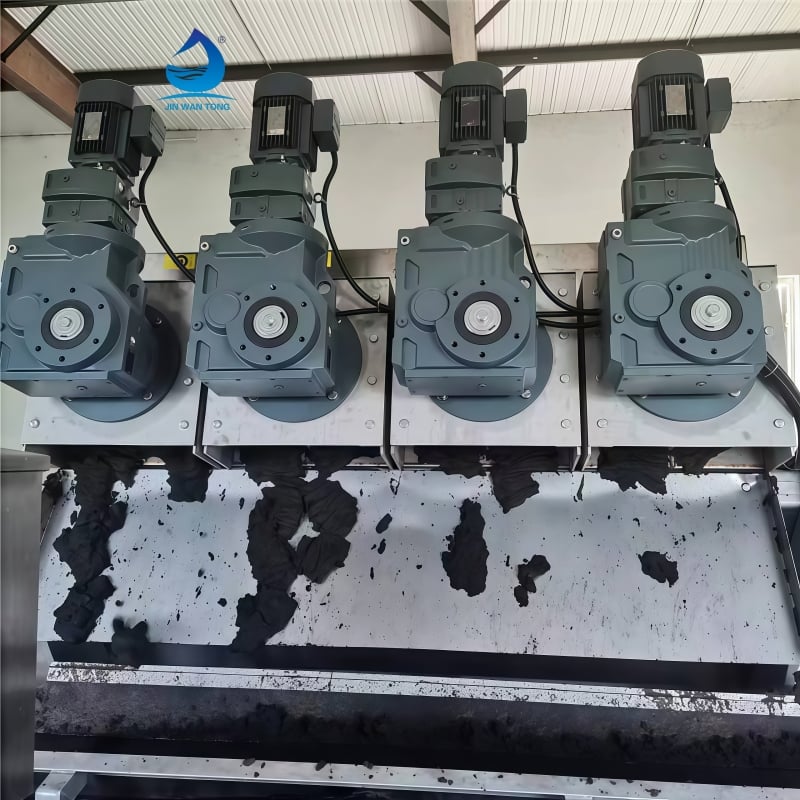
Screw Press Dewatering Machine | Sludge Volume Reduction

All Categories

Get a Free Quote

Our representative will contact you soon.
Email
WhatsApp
Name
Company Name
Message
0/1000

Sludge Dewatering Equipment for Efficient Sludge Volume Reduction and Disposal Cost Control

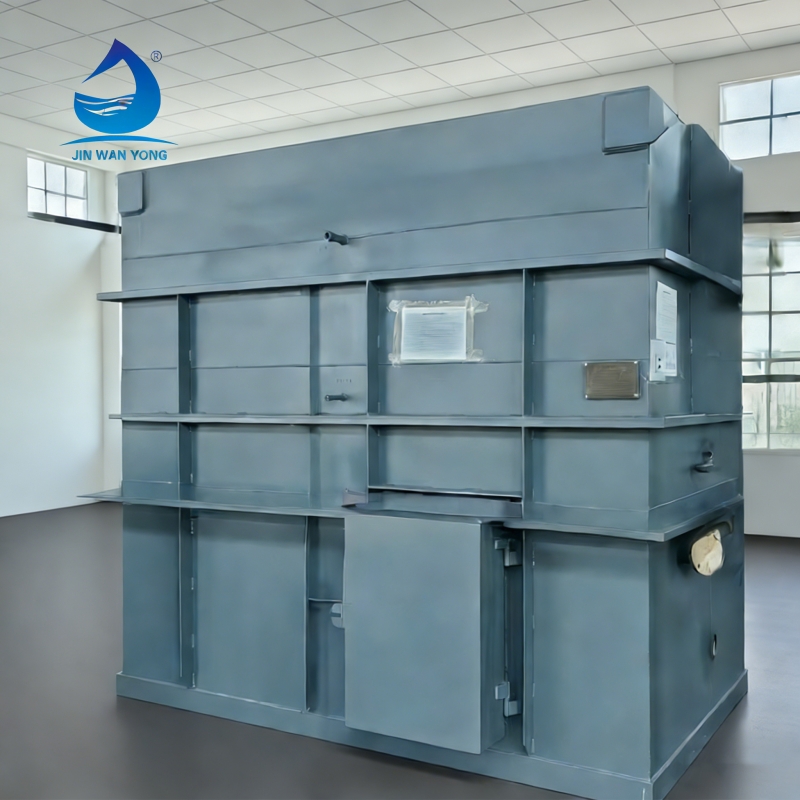
Sludge dewatering equipment is used to separate water from sludge generated in municipal sewage treatment, industrial wastewater treatment, DAF systems, clarifiers, biological treatment units and chemical precipitation processes. By reducing sludge moisture content and volume, it helps lower transportation cost, simplify storage and improve final disposal efficiency. Qingdao Jinwantong Environmental Science And Technology Co., Ltd., founded in 2006 in Shandong, China, manufactures wastewater treatment equipment including sludge dewatering machines, automatic dosing systems, DAF dissolved air flotation machines, lamella clarifiers, CPI oil-water separators, MBR and MBBR systems and packaged sewage treatment plants. We provide customized sludge dewatering solutions according to sludge source, daily sludge quantity, solids concentration, target cake moisture, polymer dosing needs, equipment type, automation level, installation space and project budget.

Why Choose Us

Multiple Dewatering Configurations

We support project-based sludge dewatering solutions according to sludge type, volume, solids content, moisture target and disposal requirements.

Integrated Dosing and Flocculation

Polymer preparation, chemical dosing and flocculation systems can be matched to improve sludge-water separation performance.

Complete Wastewater Treatment Supply

Our sludge dewatering equipment can work with DAF units, clarifiers, dosing systems, MBR/MBBR systems and packaged treatment plants.

Experienced Manufacturer Since 2006

Qingdao Jinwantong provides customized equipment manufacturing, technical communication, quotation support and wastewater project supply.

New Product Recommendations

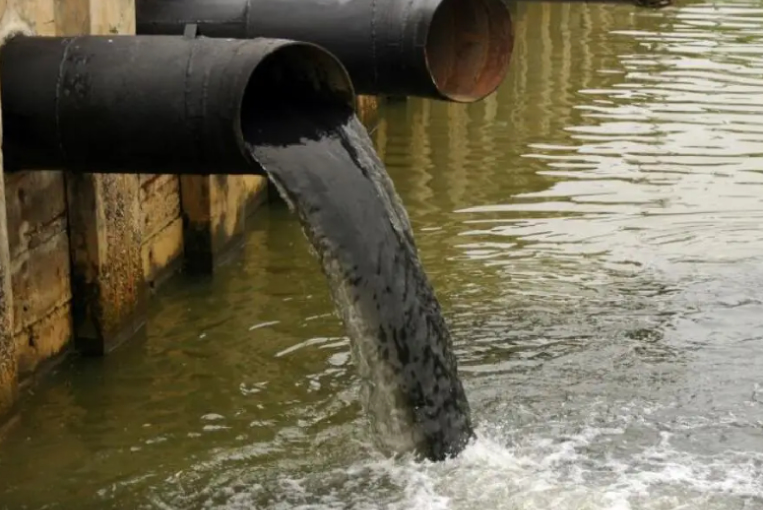
Sludge dewatering equipment is used to reduce the water content of sludge produced during wastewater treatment. Sludge from municipal sewage plants, industrial wastewater systems, DAF units, clarifiers and biological treatment processes often contains a high percentage of water. Without dewatering, sludge is heavy, difficult to store and expensive to transport or dispose of.

The main purpose of sludge dewatering is mechanical solid-liquid separation. Before dewatering, sludge is usually conditioned with polymer or other chemicals to form stronger flocs. These flocs help water separate more easily from solids during pressing, filtration or centrifugal separation.

A typical sludge dewatering process is:

Sludge Storage → Polymer Dosing → Flocculation → Mechanical Dewatering → Sludge Cake Discharge → Filtrate Return

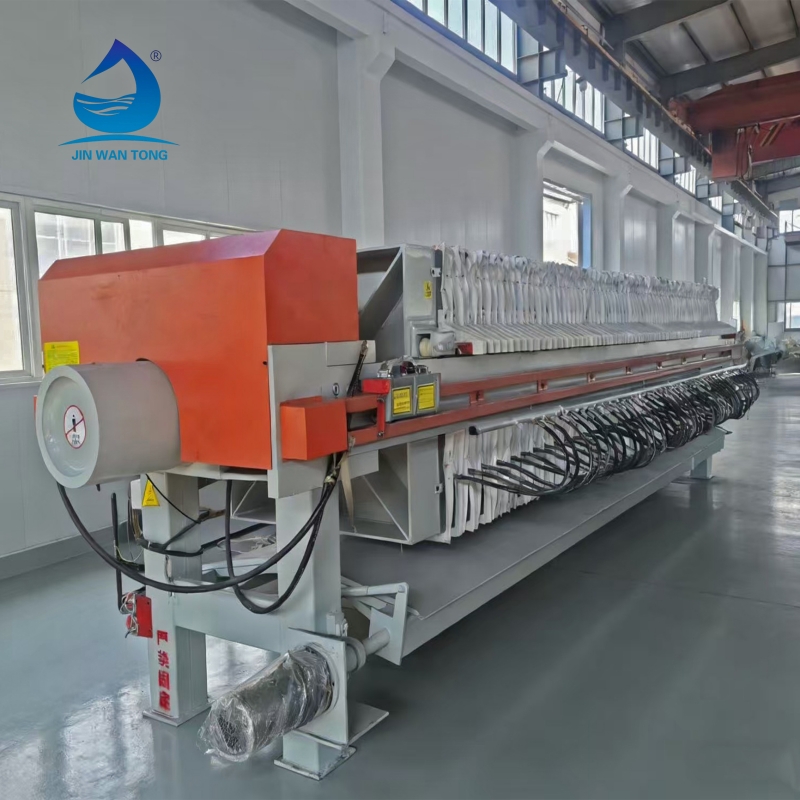
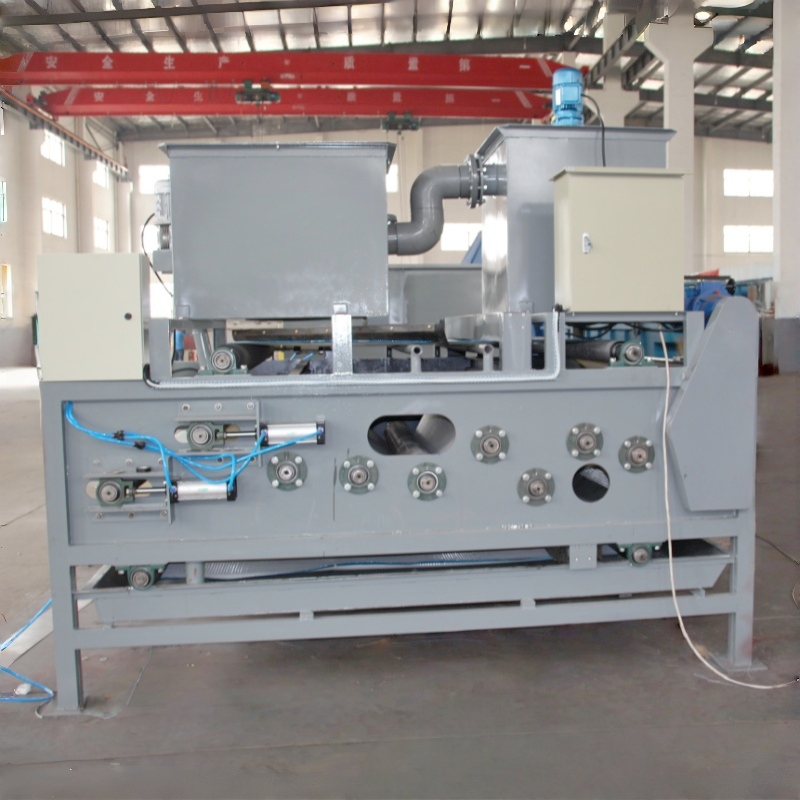
Common types of sludge dewatering equipment include screw press dewatering machines, belt filter presses, plate and frame filter presses, chamber filter presses and centrifuges. Each type has different strengths. Screw press machines are widely used for continuous operation, compact layout, lower noise and relatively simple maintenance. Belt filter presses are suitable for continuous processing but require washing water and belt maintenance. Filter presses may achieve lower cake moisture in some applications but are often batch-operated. Centrifuges can handle large capacity but may require higher power and maintenance control.

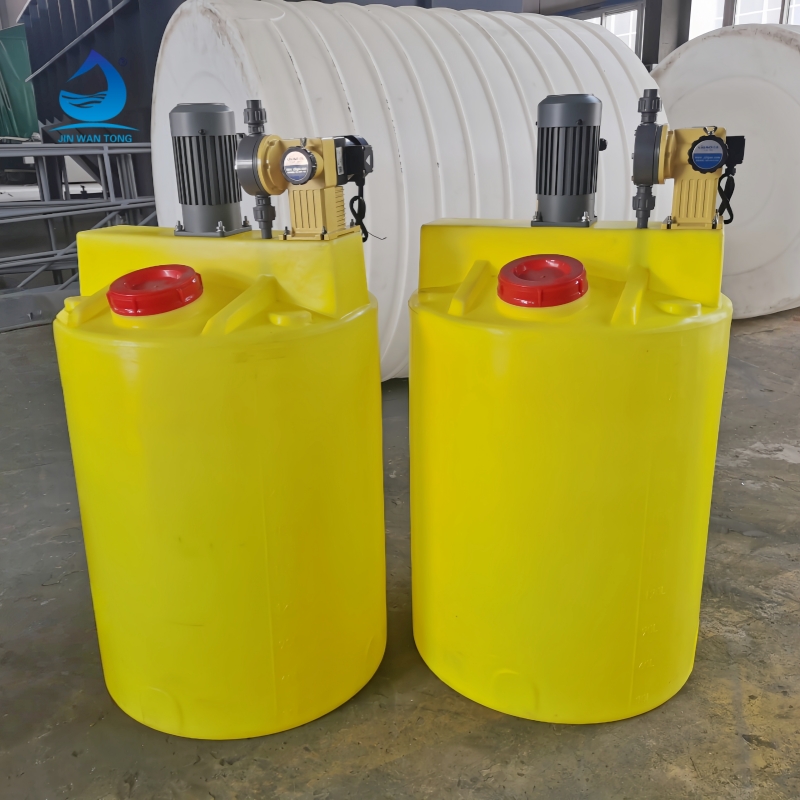
A complete sludge dewatering system may include a sludge feed pump, polymer preparation unit, dosing pump, flocculation tank, dewatering machine body, screw shaft or filter structure, filtrate collection system, sludge cake outlet, control cabinet, sensors, valves and optional sludge conveyor. For industrial sludge, material selection is important because sludge may contain oil, salts, chemicals, abrasive particles or corrosive substances.

For B2B buyers, choosing sludge dewatering equipment should not depend only on equipment price or nominal capacity. Key selection factors include sludge source, daily sludge volume, solids concentration, current moisture content, target cake moisture, sludge viscosity, organic or inorganic composition, oil content, pH value, operating hours, polymer consumption, installation space and final disposal method. If the equipment is not matched to the actual sludge properties, problems may include wet sludge cake, high chemical use, clogging, unstable throughput or frequent maintenance.

Sludge dewatering equipment is commonly installed after DAF dissolved air flotation systems, lamella clarifiers, sedimentation tanks, MBR/MBBR biological treatment units and chemical precipitation systems. The separated filtrate is normally returned to the wastewater treatment process, while the sludge cake is collected for landfill, incineration, composting or further processing according to local regulations.

It should be noted that dewatering reduces sludge volume but does not remove hazardous substances. If sludge contains heavy metals, toxic chemicals or regulated pollutants, final disposal must comply with local environmental requirements.

Qingdao Jinwantong provides customized sludge dewatering equipment and supporting wastewater treatment systems. Buyers can send sludge source, daily sludge quantity, solids content, moisture target, site layout and project location for technical selection and quotation.
Frequently Asked Questions

Selection depends on sludge type, daily volume, solids content, moisture target, viscosity, oil content, pH value, operating hours, site space and disposal method.

What is sludge dewatering equipment?

Sludge dewatering equipment is used to separate water from sludge and reduce sludge volume, producing sludge cake that is easier to transport, store and dispose of.
Selection depends on sludge type, daily volume, solids content, moisture target, viscosity, oil content, pH value, operating hours, site space and disposal method.
Yes. We can customize equipment capacity, material, dosing system, flocculation tank, control cabinet, sludge feed system, filtrate return and discharge layout.
Please provide sludge source, sludge volume per day, solids concentration, current moisture, target cake moisture, operating hours, site layout and project location.
Routine maintenance includes checking polymer dosing, flocculation effect, sludge feed, filtrate discharge, sludge cake outlet, screw or filter parts, valves and control system.

Practical Tips

Overview of the Agricultural Wastewater Treatment Market

17

Dec

Overview of the Agricultural Wastewater Treatment Market

View More
Global Real-Time Wastewater Treatment Update

17

Dec

Global Real-Time Wastewater Treatment Update

View More
Navigating the Waters: The Role of an Industrial Wastewater Treatment Plant

17

Dec

Navigating the Waters: The Role of an Industrial Wastewater Treatment Plant

View More

Applications

Industrial Wastewater Sludge Treatment

Used in chemical, textile dyeing, paper, electroplating, food processing, slaughterhouse and manufacturing wastewater systems to reduce sludge volume after treatment.

Municipal Sewage Treatment Plants

Applied in municipal wastewater plants, rural sewage stations and packaged sewage treatment systems for biological sludge or mixed sludge dewatering.

DAF, Clarifier and Chemical Sludge Handling

Suitable for floated sludge from DAF machines, settled sludge from clarifiers and chemical precipitation sludge generated during solid-liquid separation.

Get a Free Quote

Our representative will contact you soon.
Email
WhatsApp
Name
Company Name
Message
0/1000

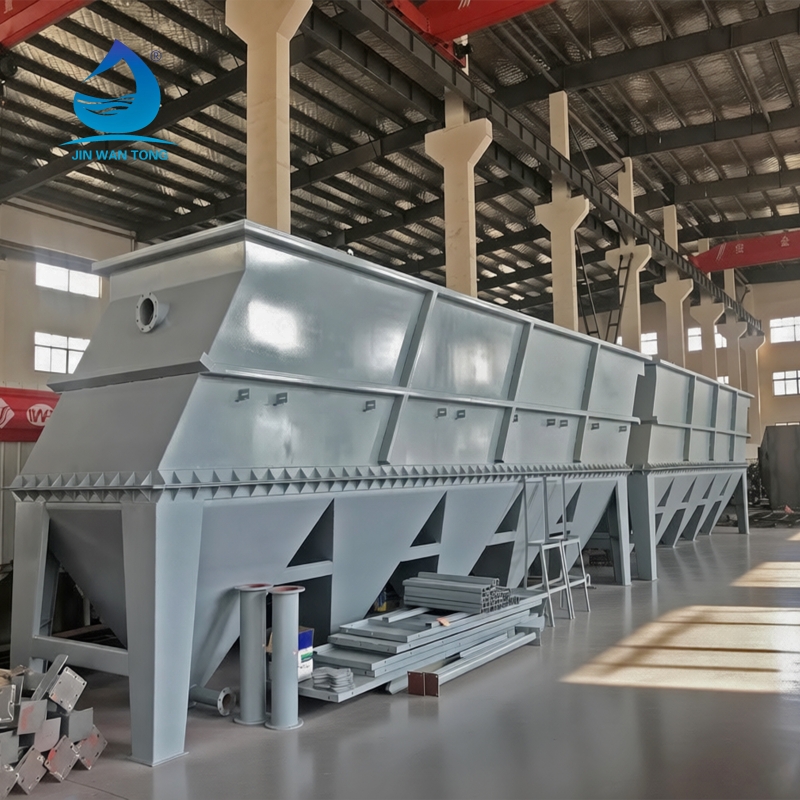
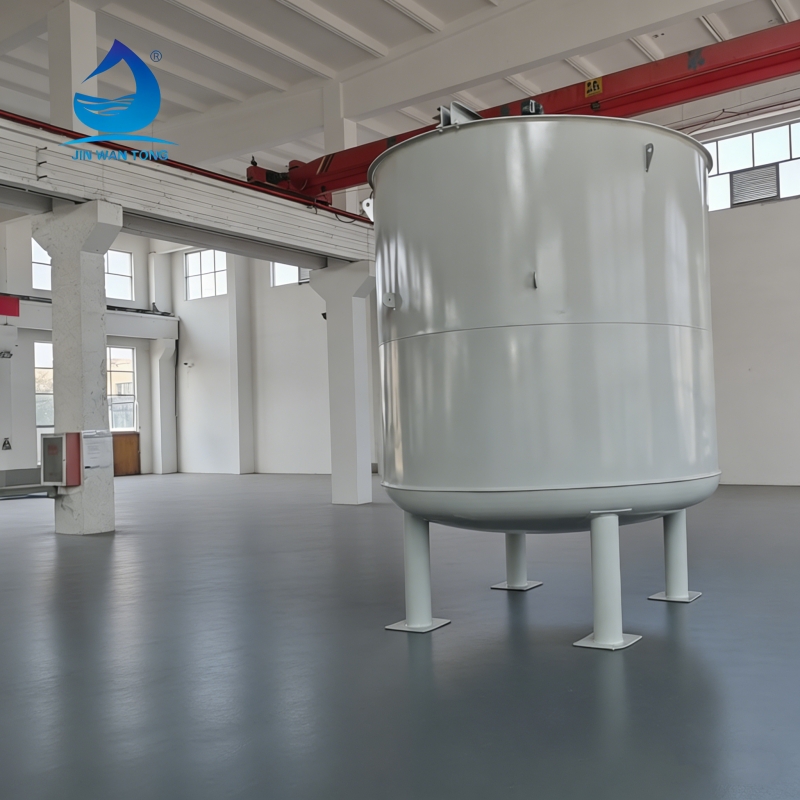
screw press dewatering machine

Selection Based on Sludge Properties, Not Only Capacity

Selection Based on Sludge Properties, Not Only Capacity

One of the biggest purchasing risks for sludge dewatering equipment is selecting a machine only by daily treatment volume. In real projects, biological sludge, oily sludge, chemical precipitation sludge, food processing sludge and electroplating sludge can behave very differently during dewatering. Solids concentration, viscosity, oil content, pH, organic matter and floc strength all affect cake moisture, polymer consumption and operating stability. Qingdao Jinwantong supports equipment selection based on actual sludge data and treatment targets, helping buyers avoid undersized equipment, wet sludge cake, excessive chemical use or frequent blockage. This makes the proposal more practical for contractors, distributors and plant owners who need reliable long-term operation instead of a simple equipment list.
Complete Sludge Handling Line for Easier Commissioning

Complete Sludge Handling Line for Easier Commissioning

A dewatering machine alone cannot guarantee good sludge reduction performance. Sludge feed stability, polymer preparation, dosing accuracy, flocculation time, filtrate return and sludge cake discharge all influence final results. If these components are purchased separately without process matching, buyers may face installation conflicts, poor floc formation, difficult commissioning or unstable operation. Qingdao Jinwantong can provide sludge dewatering equipment together with automatic dosing systems, feed pumps, flocculation tanks, control cabinets and related wastewater treatment equipment. This integrated supply helps simplify procurement and improves compatibility between different process sections, especially for new wastewater treatment plants or upgrading projects.
Practical Cost Control Through Sludge Volume Reduction

Practical Cost Control Through Sludge Volume Reduction

Sludge disposal is a continuous operating cost, not a one-time expense. Wet sludge increases transport weight, storage space and disposal fees, which can create long-term financial pressure for wastewater treatment plants. A properly configured sludge dewatering system helps remove free water and convert liquid sludge into a more manageable sludge cake. This supports easier collection, loading, transportation and downstream disposal. For B2B buyers, the value of sludge dewatering equipment should be evaluated by both purchase cost and operating benefits, including reduced sludge volume, lower handling pressure, reasonable polymer consumption and easier daily maintenance. Proper process matching can help achieve a better balance between investment and long-term operating cost.
Screw Press Dewatering Machine | Sludge Volume Reduction

Get a Free Quote

Our representative will contact you soon.
Email
WhatsApp
Name
Company Name
Message
0/1000