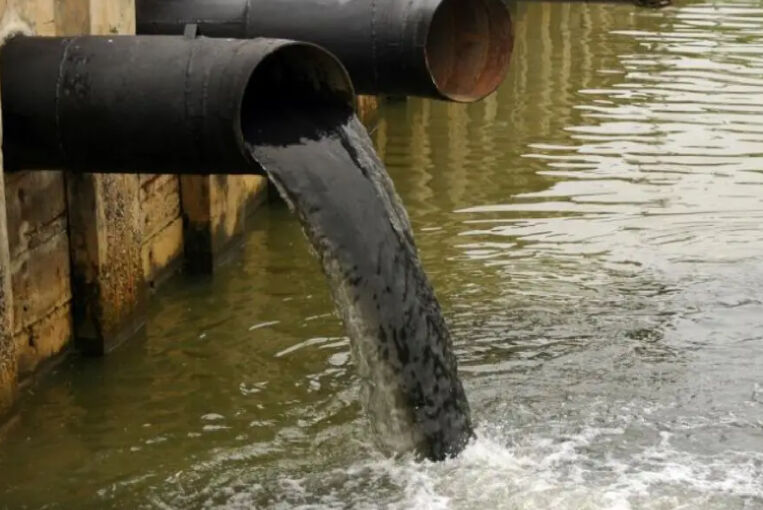
Professional Sludge Dewatering Machine Solutions - Efficient Waste Management Equipment

All Categories

Get a Free Quote

Our representative will contact you soon.
Email
Name
Company Name
Message
0/1000

sludge dewatering machine

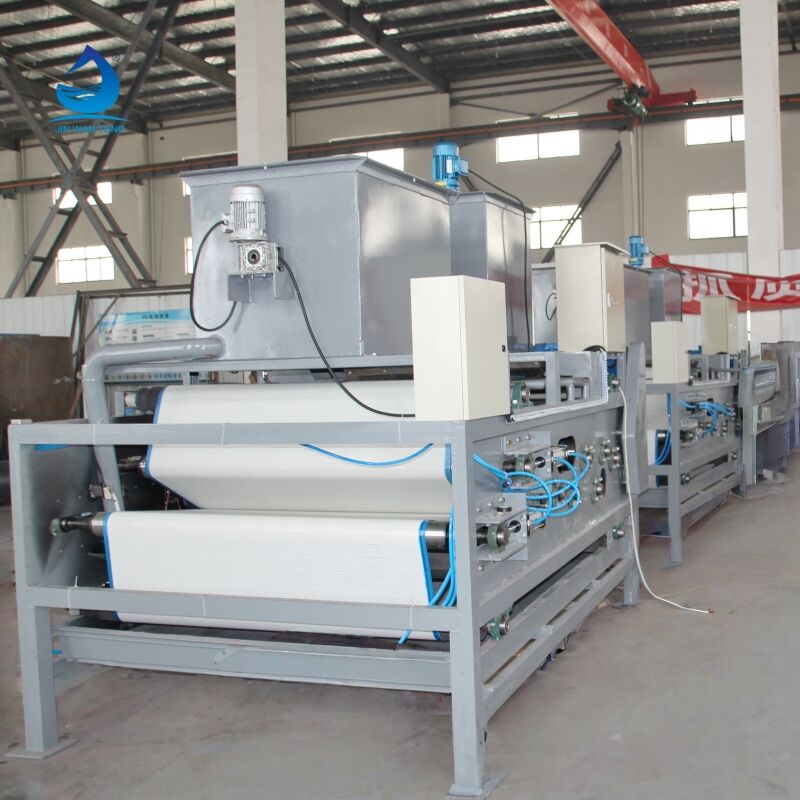
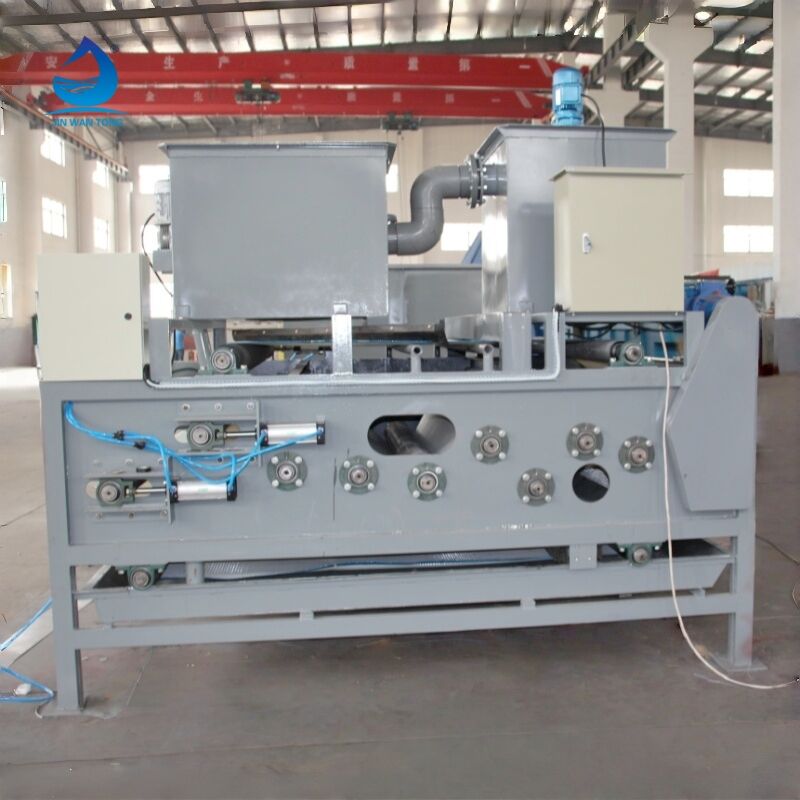
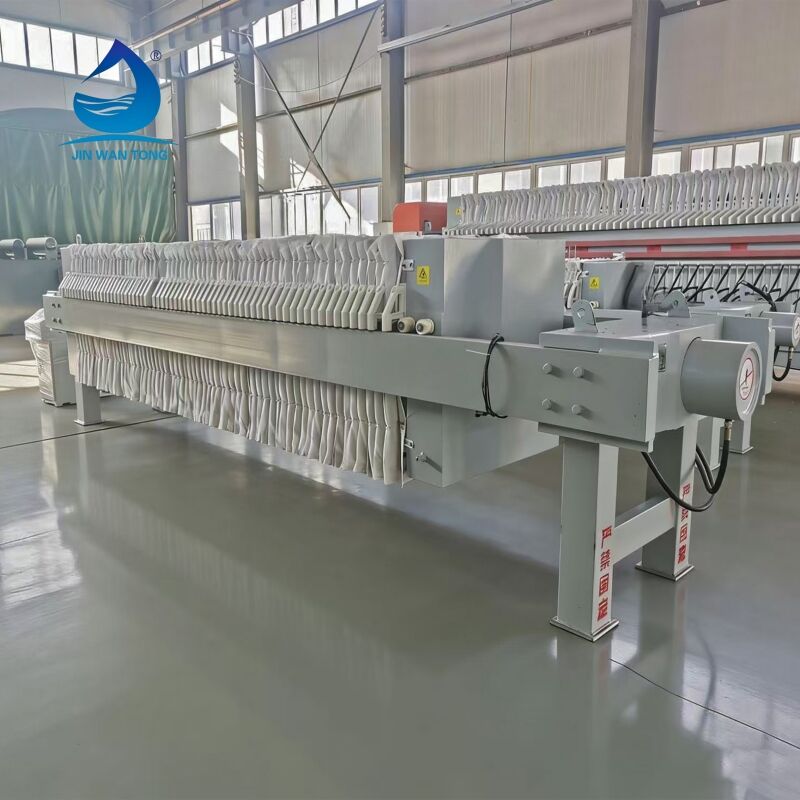
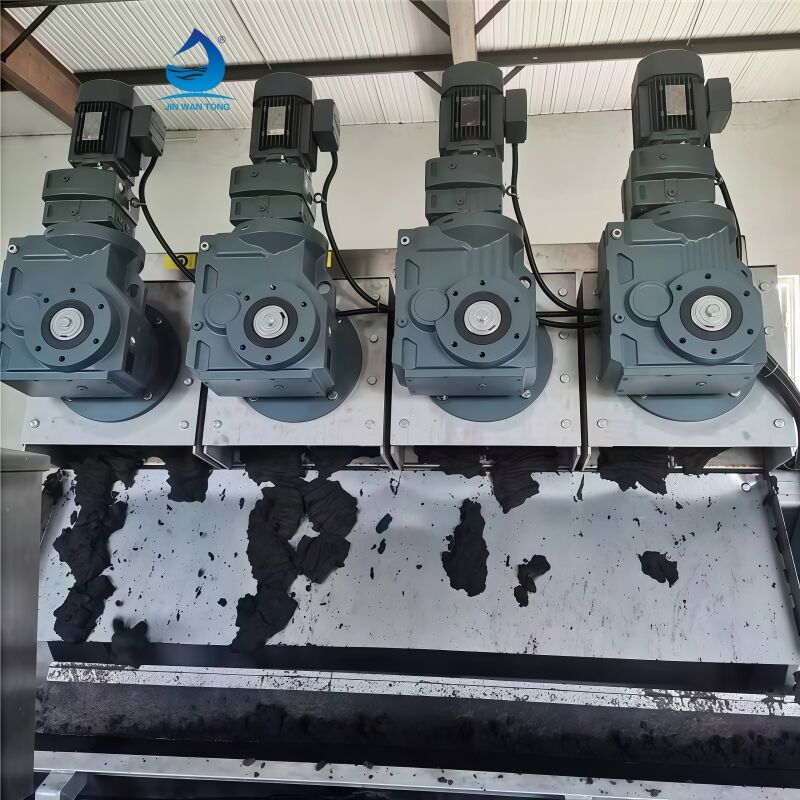
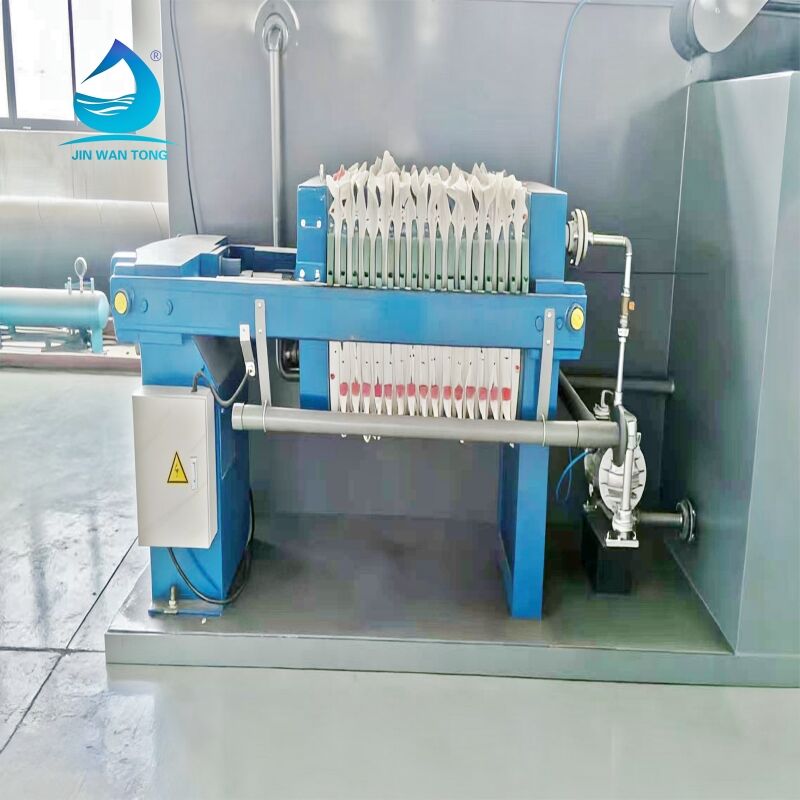
A sludge dewatering machine represents an essential piece of equipment designed to remove excess water from various types of sludge, transforming wet waste materials into more manageable, semi-solid substances. These sophisticated machines operate through mechanical separation processes that significantly reduce the moisture content of industrial, municipal, and wastewater treatment sludge. The primary function of a sludge dewatering machine involves extracting water from sludge materials, thereby reducing volume, minimizing disposal costs, and creating opportunities for beneficial reuse of processed materials. Modern sludge dewatering machines incorporate advanced technological features including automated control systems, variable speed drives, and precision monitoring capabilities that ensure optimal performance across diverse operating conditions. The equipment typically utilizes centrifugal force, pressure filtration, or belt pressing mechanisms to achieve effective water separation from solid particles. These machines find extensive applications across municipal wastewater treatment facilities, industrial manufacturing plants, food processing operations, chemical production sites, and environmental remediation projects. The technological sophistication of contemporary sludge dewatering machines enables operators to achieve moisture reduction levels ranging from 60% to 85%, depending on sludge characteristics and operational parameters. Advanced models feature intelligent control systems that automatically adjust operational settings based on incoming sludge properties, ensuring consistent performance and optimal resource utilization. The versatility of these machines allows them to process various sludge types including activated sludge, digested sludge, industrial waste sludge, and biosolids from different treatment processes. Energy-efficient designs minimize operational costs while maximizing throughput capacity, making these machines valuable investments for organizations seeking sustainable waste management solutions. The robust construction and corrosion-resistant materials ensure long-term reliability in demanding industrial environments, while user-friendly interfaces simplify operation and maintenance procedures.
New Products

The sludge dewatering machine delivers remarkable cost savings by dramatically reducing sludge disposal volumes, which translates directly into lower transportation and landfill fees for facility operators. By removing substantial amounts of water from waste materials, these machines can reduce sludge volumes by up to 70%, creating immediate financial benefits through decreased disposal frequency and reduced trucking requirements. The operational efficiency of modern sludge dewatering machines enables continuous processing capabilities that maintain consistent throughput levels, ensuring facilities can handle varying sludge loads without compromising performance standards. Energy consumption optimization features built into these machines help minimize electricity costs while maximizing processing capacity, creating sustainable operational economics that benefit long-term facility budgets. The automated control systems reduce labor requirements by eliminating the need for constant manual supervision, allowing operators to focus on other critical facility management tasks while the machine maintains optimal performance levels. Environmental compliance becomes significantly easier with sludge dewatering machines, as processed materials often meet stricter regulatory requirements for disposal or beneficial reuse applications. The improved sludge consistency achieved through dewatering processes creates opportunities for resource recovery, including potential use as fertilizer or soil amendment products that generate additional revenue streams. Maintenance requirements remain minimal due to robust engineering designs that withstand harsh operating conditions, reducing downtime and extending equipment lifespan considerably. The compact footprint of modern sludge dewatering machines allows installation in space-constrained facilities without requiring extensive infrastructure modifications or building expansions. Quality improvements in processed sludge enable better handling characteristics, reducing odors and improving workplace conditions for facility personnel. The versatility of these machines accommodates different sludge types and varying operational conditions, providing flexibility that adapts to changing facility requirements over time. Faster processing cycles increase overall facility efficiency, enabling operators to manage higher sludge volumes without compromising treatment quality or creating processing bottlenecks that could disrupt operations.

Tips And Tricks

Overview of the Agricultural Wastewater Treatment Market

17

Dec

Overview of the Agricultural Wastewater Treatment Market

View More
Global Real-Time Wastewater Treatment Update

17

Dec

Global Real-Time Wastewater Treatment Update

View More
Navigating the Waters: The Role of an Industrial Wastewater Treatment Plant

17

Dec

Navigating the Waters: The Role of an Industrial Wastewater Treatment Plant

View More

Get a Free Quote

Our representative will contact you soon.
Email
Name
Company Name
Message
0/1000

sludge dewatering machine

Advanced Automation Technology for Maximum Efficiency

Advanced Automation Technology for Maximum Efficiency

The sophisticated automation technology integrated into modern sludge dewatering machines represents a revolutionary advancement in waste management equipment, delivering unprecedented levels of operational efficiency and consistency. These intelligent systems continuously monitor critical parameters including sludge feed rates, moisture content, polymer dosing requirements, and discharge characteristics, automatically adjusting operational settings to maintain optimal performance under varying conditions. The advanced control algorithms analyze real-time data from multiple sensors positioned throughout the machine, enabling precise adjustments that maximize water removal while minimizing energy consumption and chemical usage. This intelligent automation eliminates the guesswork traditionally associated with sludge processing operations, ensuring consistent results regardless of operator experience levels or shift changes. The user-friendly touchscreen interfaces provide comprehensive operational data and diagnostic information, allowing operators to monitor performance trends and identify potential issues before they impact production efficiency. Remote monitoring capabilities enable facility managers to oversee operations from off-site locations, receiving alerts and performance updates that facilitate proactive maintenance scheduling and operational optimization. The automation technology includes predictive maintenance features that analyze equipment performance patterns to forecast component replacement needs, reducing unexpected downtime and extending overall equipment lifespan. Energy management systems optimize power consumption by automatically adjusting motor speeds and processing parameters based on sludge characteristics and desired output specifications, resulting in significant utility cost savings over time. The integration of data logging capabilities provides valuable historical performance information that helps operators identify optimization opportunities and demonstrate regulatory compliance through detailed operational records. These advanced automation features transform the sludge dewatering machine from a simple mechanical device into an intelligent processing system that continuously improves performance while reducing operational complexity and labor requirements for facility personnel.
Superior Dewatering Performance with Exceptional Reliability

Superior Dewatering Performance with Exceptional Reliability

The exceptional dewatering performance of modern sludge dewatering machines stems from advanced engineering designs that optimize water separation efficiency while maintaining consistent operational reliability under demanding industrial conditions. These machines achieve moisture reduction levels that significantly exceed traditional dewatering methods, typically removing 65% to 85% of water content from various sludge types, including challenging materials with high organic content or fine particle distributions. The superior performance results from precisely engineered mechanical components that create optimal pressure differentials and filtration conditions, ensuring maximum water extraction while preserving the integrity of solid particles for subsequent processing or disposal. Robust construction materials including stainless steel components and specialized wear-resistant surfaces ensure long-term durability in corrosive environments commonly found in wastewater treatment and industrial processing facilities. The reliability of these machines translates into consistent daily operations with minimal unplanned downtime, enabling facilities to maintain production schedules and meet regulatory compliance requirements without disruption. Advanced bearing systems and precision manufacturing tolerances contribute to smooth operation and extended component lifecycles, reducing maintenance frequency and associated costs significantly. The exceptional performance consistency allows operators to predict processing capacities accurately, facilitating better resource planning and operational scheduling across facility operations. Quality control features built into the dewatering process ensure uniform output characteristics that meet specified moisture targets consistently, eliminating variability that could compromise downstream processes or disposal requirements. The reliability engineering approach incorporates redundant safety systems and fail-safe mechanisms that protect both equipment and personnel while maintaining operational continuity during challenging operating conditions. Performance monitoring systems track key efficiency metrics continuously, providing operators with real-time feedback that enables immediate adjustments to maintain optimal processing conditions throughout extended operating periods.
Versatile Applications Across Multiple Industries

Versatile Applications Across Multiple Industries

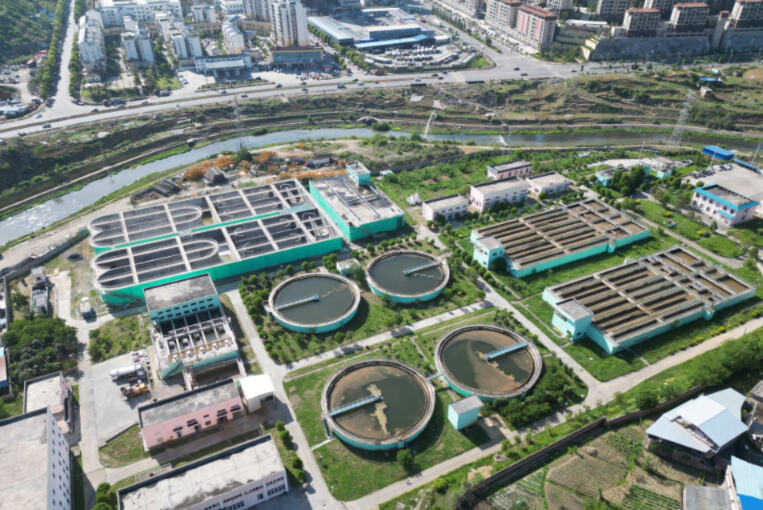
The remarkable versatility of sludge dewatering machines enables successful deployment across diverse industrial sectors and applications, making them indispensable tools for organizations dealing with various types of waste materials and processing requirements. Municipal wastewater treatment facilities rely on these machines to process activated sludge, primary sludge, and biosolids from different treatment stages, achieving significant volume reductions that minimize disposal costs and create opportunities for beneficial reuse programs. Industrial manufacturing operations utilize sludge dewatering machines to handle process waste from chemical production, food processing, pharmaceutical manufacturing, and metal finishing operations, each requiring specific adaptations to accommodate unique sludge characteristics and regulatory requirements. The food and beverage industry benefits from specialized configurations that handle organic waste materials while maintaining sanitary processing standards essential for food safety compliance and environmental protection. Mining operations employ these machines to process tailings and mineral processing waste, recovering valuable water for reuse while creating more stable waste materials for long-term storage or disposal. The pharmaceutical industry utilizes sludge dewatering machines for processing biological waste materials and chemical byproducts, requiring specialized materials and containment systems to handle potentially hazardous substances safely. Environmental remediation projects depend on portable sludge dewatering machines to process contaminated materials during site cleanup operations, enabling efficient waste volume reduction and facilitating proper disposal of hazardous substances. Oil and gas operations use these machines to handle drilling mud, produced water treatment residuals, and petrochemical waste materials, requiring corrosion-resistant construction and explosion-proof designs for safe operation in hazardous environments. The adaptability of modern sludge dewatering machines extends to varying capacity requirements, from small-scale laboratory units processing minimal volumes to large industrial systems handling thousands of gallons daily, ensuring appropriate solutions for organizations of all sizes and operational scales.
Professional Sludge Dewatering Machine Solutions - Efficient Waste Management Equipment

Get a Free Quote

Our representative will contact you soon.
Email
Name
Company Name
Message
0/1000