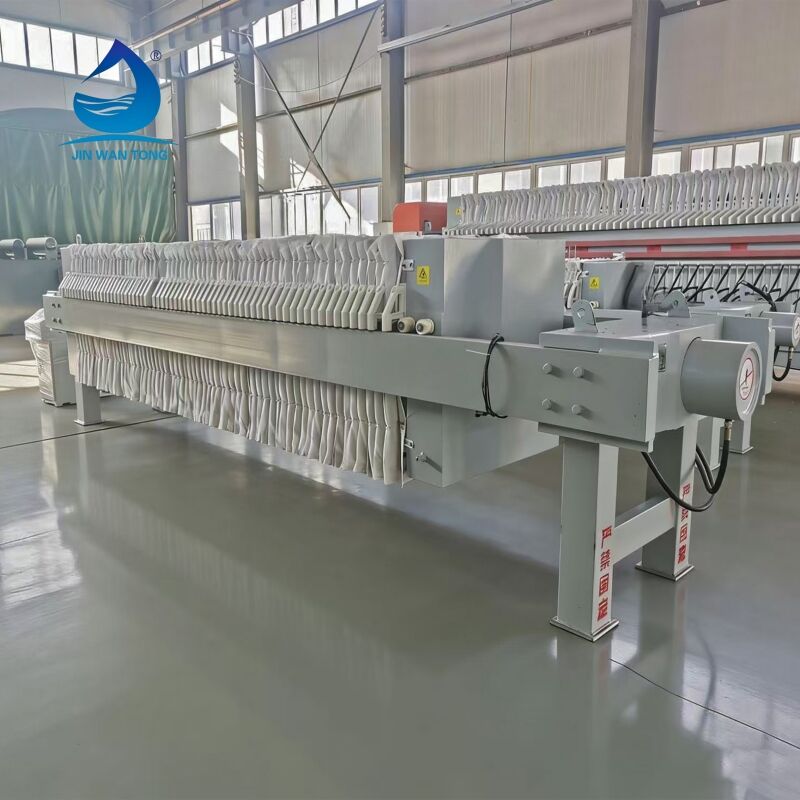
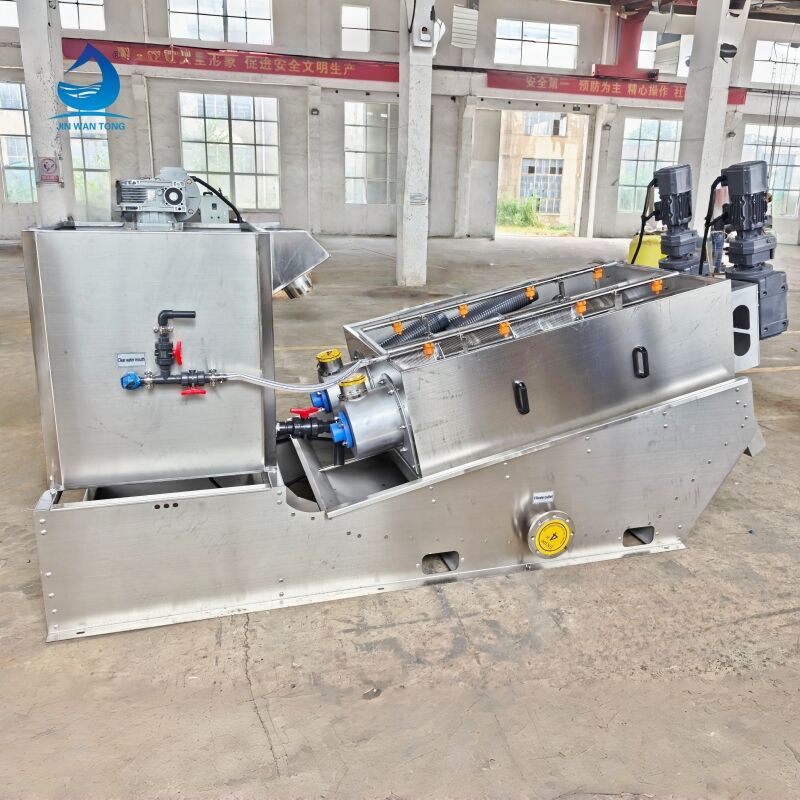
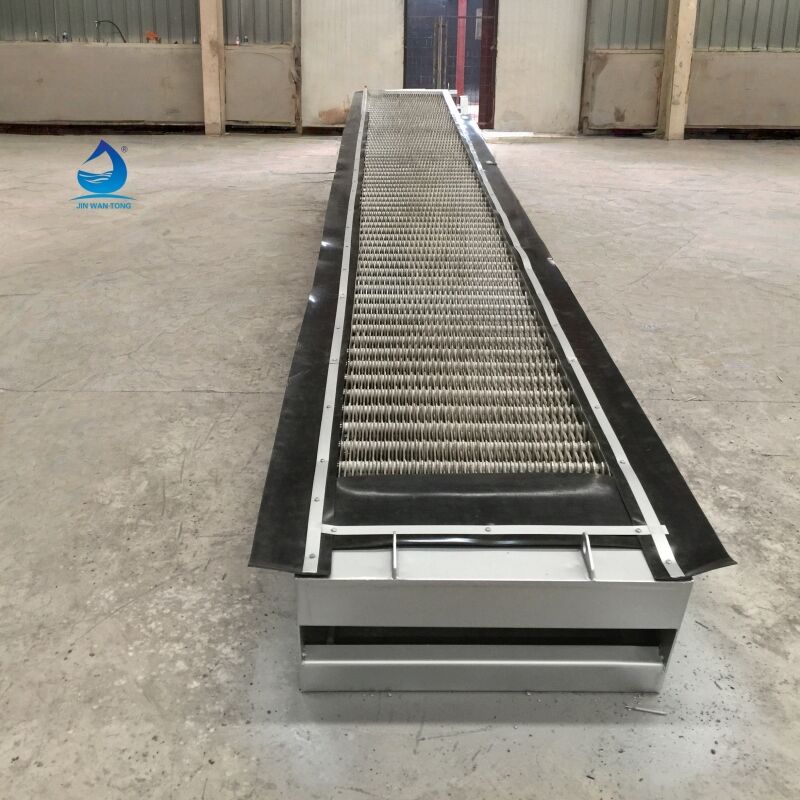
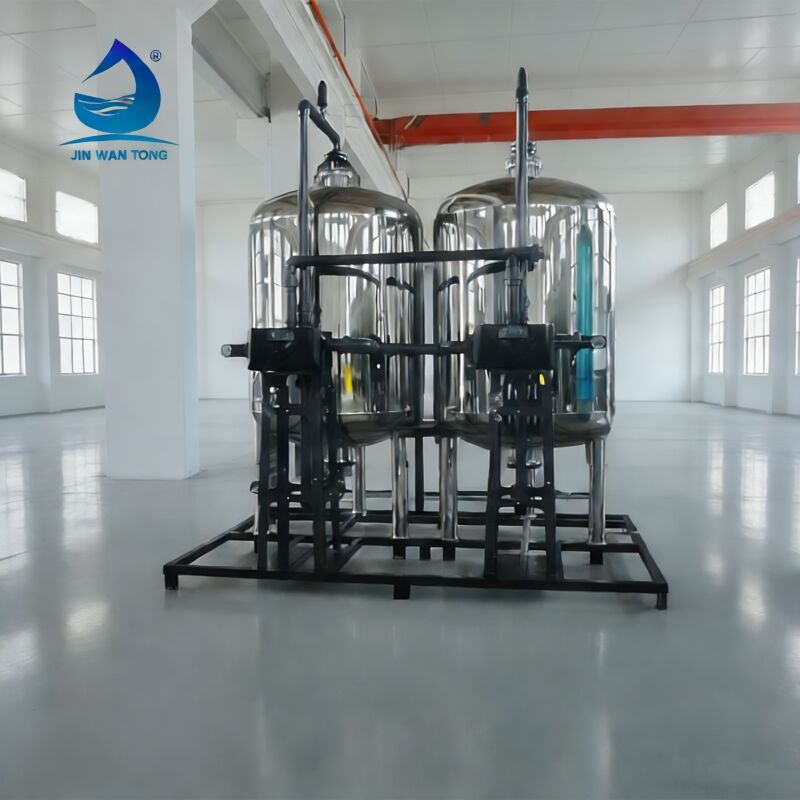
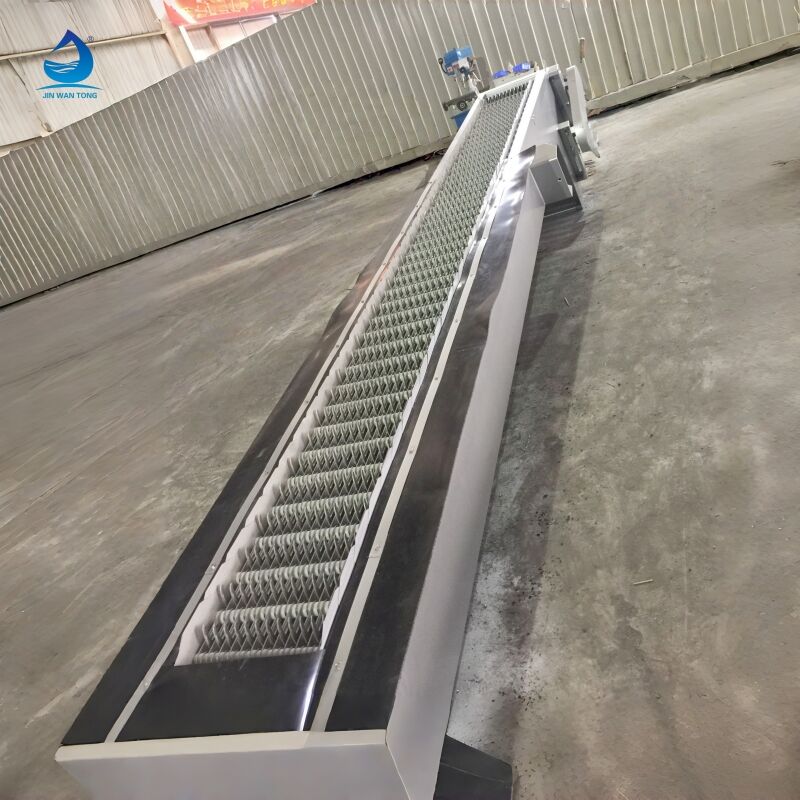
stainless steel bar screen
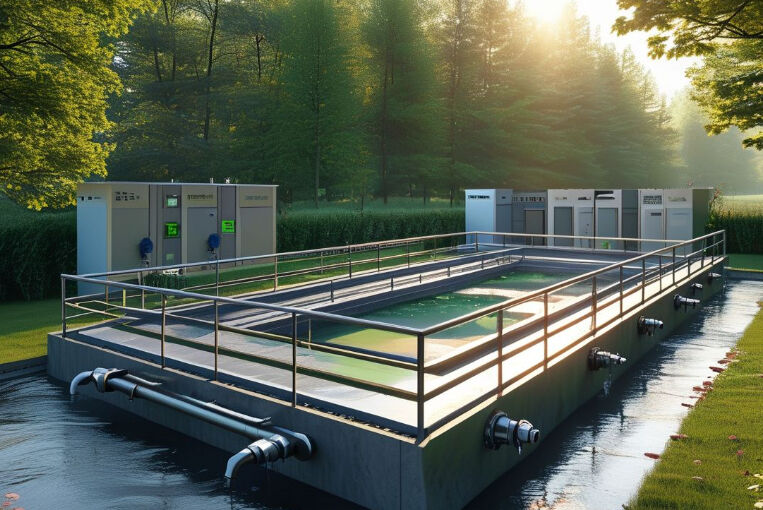
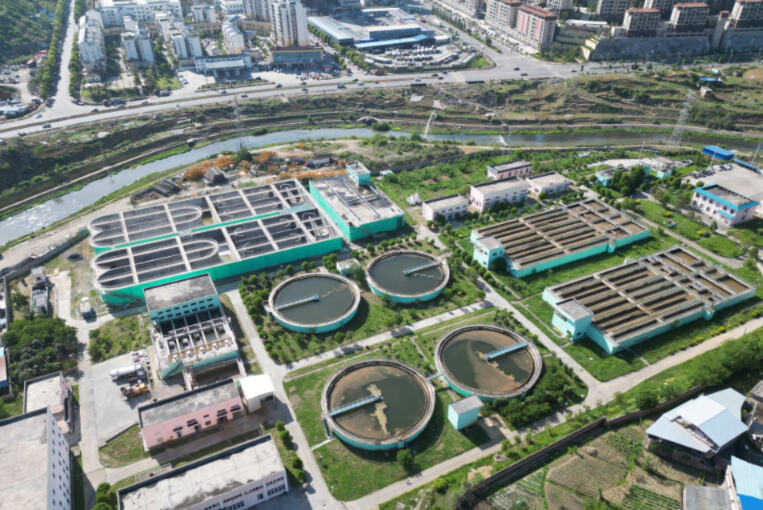
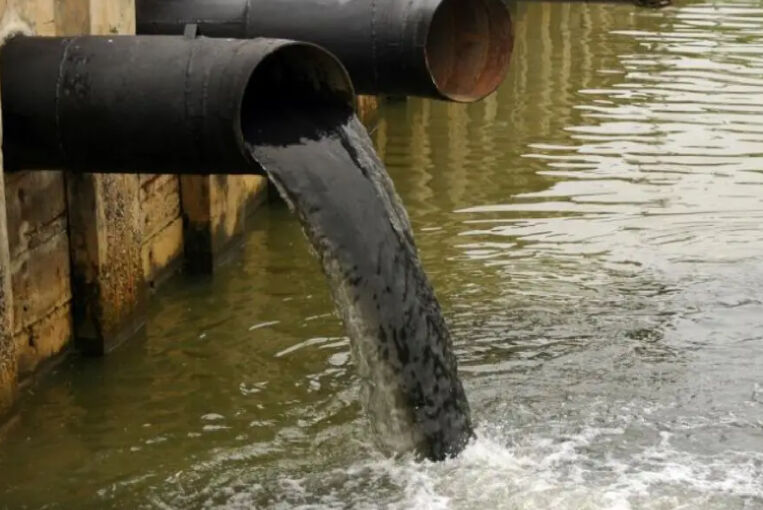
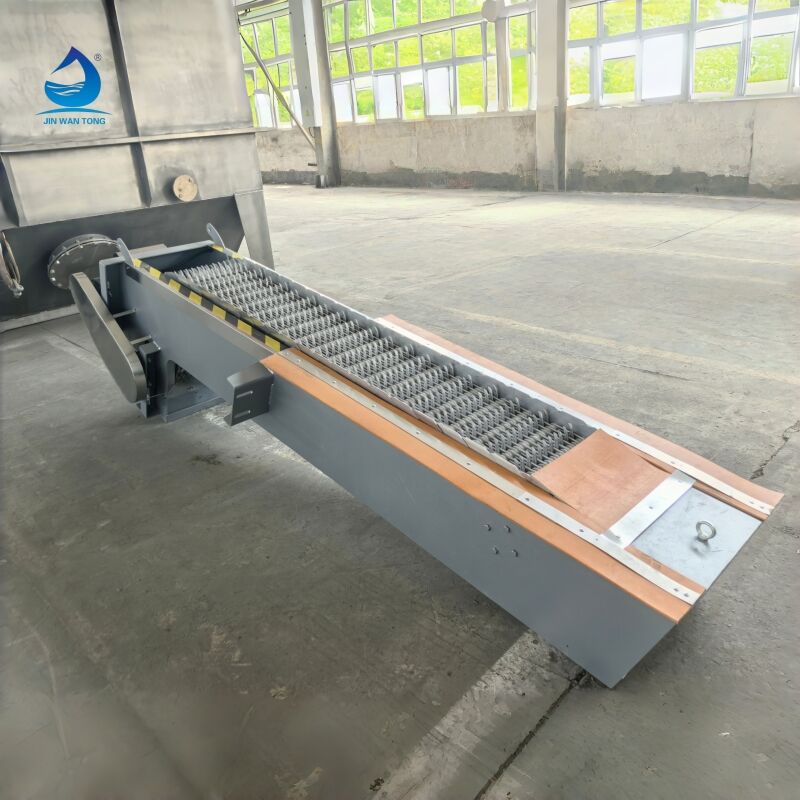
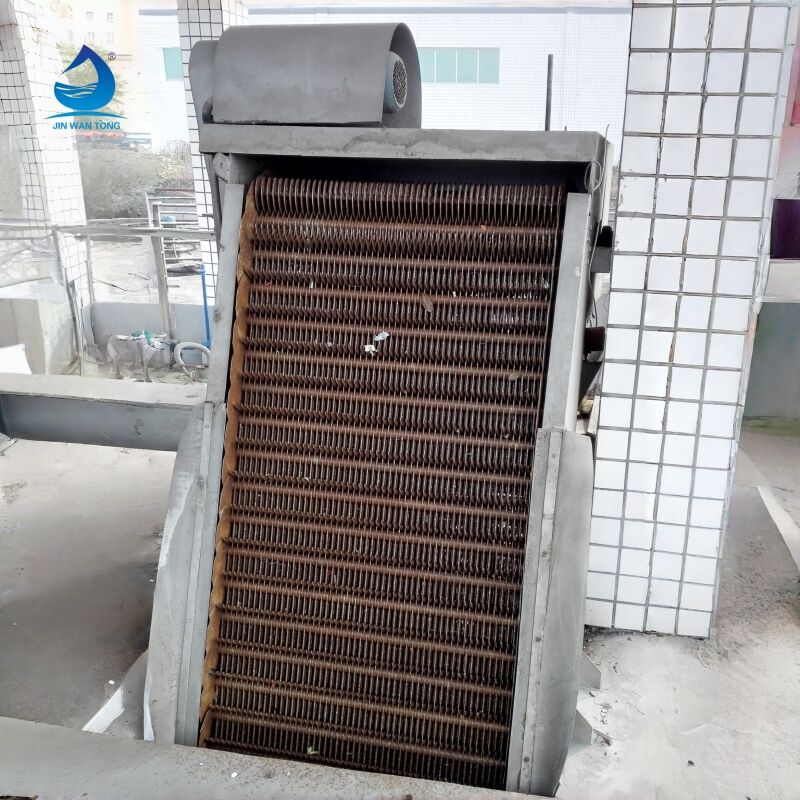
The stainless steel bar screen represents a critical component in water treatment and wastewater management systems, designed to provide efficient filtration and debris removal capabilities. This sophisticated screening equipment utilizes durable stainless steel construction to create a robust barrier system that separates solid materials from liquid streams. The primary function of a stainless steel bar screen involves mechanically removing large debris, floating materials, and suspended solids from incoming water or wastewater before further treatment processes begin. The technological framework incorporates precision-engineered parallel bars or rods arranged at specific intervals, creating controlled openings that allow liquid passage while capturing unwanted materials. Modern stainless steel bar screen systems feature automated cleaning mechanisms that continuously remove accumulated debris, ensuring consistent performance and minimal maintenance requirements. The screening process operates through gravitational flow or mechanical assistance, where water passes through the bar spacing while larger particles become trapped against the upstream surface. Advanced designs incorporate motorized rake systems that automatically transport collected materials to designated disposal points, eliminating manual intervention and reducing operational costs. The stainless steel construction provides exceptional resistance to corrosion, chemical attack, and mechanical wear, making these screens suitable for harsh operating environments. Applications span municipal water treatment facilities, industrial wastewater processing plants, stormwater management systems, and agricultural irrigation networks. The versatility of stainless steel bar screens enables their deployment in both indoor and outdoor installations, accommodating various flow rates and particle sizes through customizable bar spacing configurations. Integration capabilities allow seamless connection with existing treatment infrastructure, while monitoring systems provide real-time performance data for optimal operation management.
 EN
EN