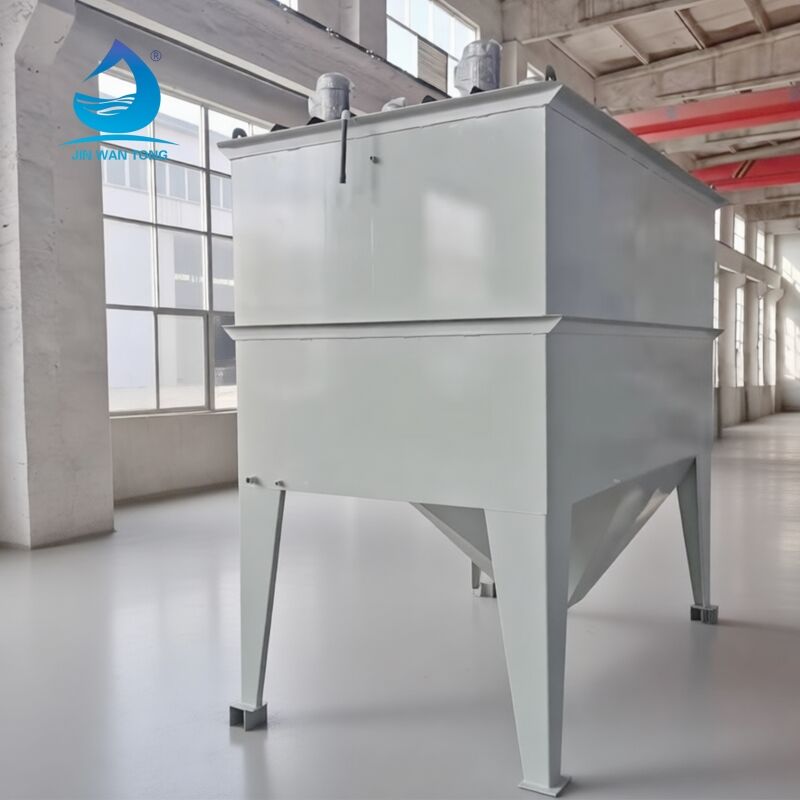
small lamella clarifier
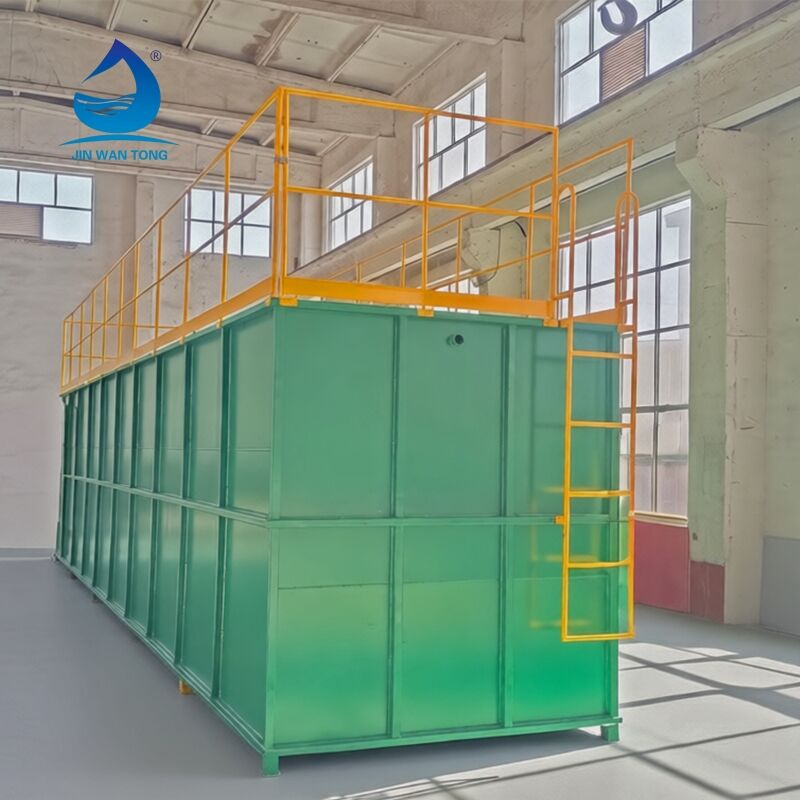
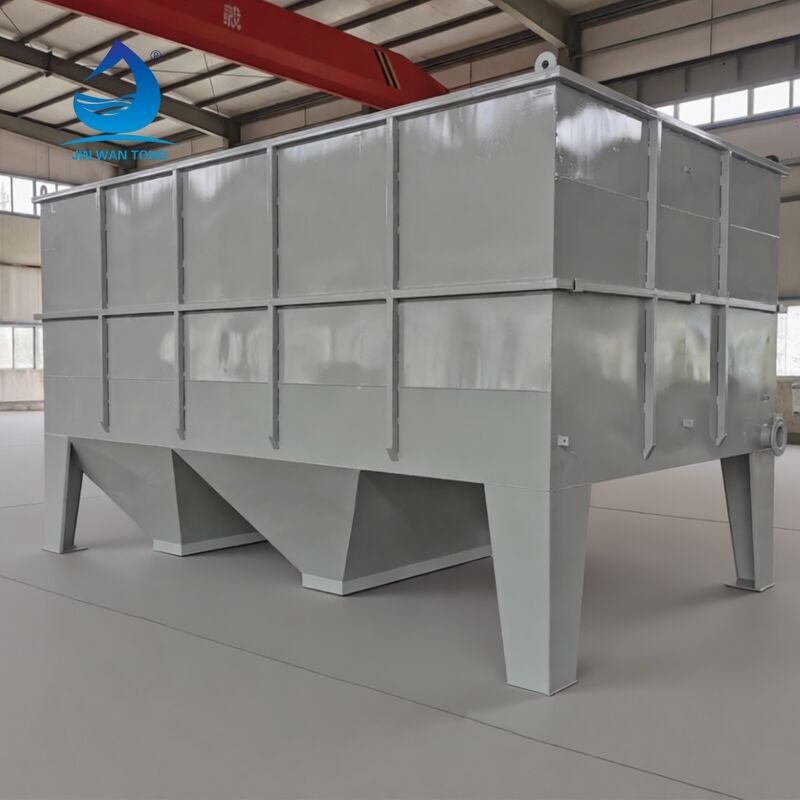
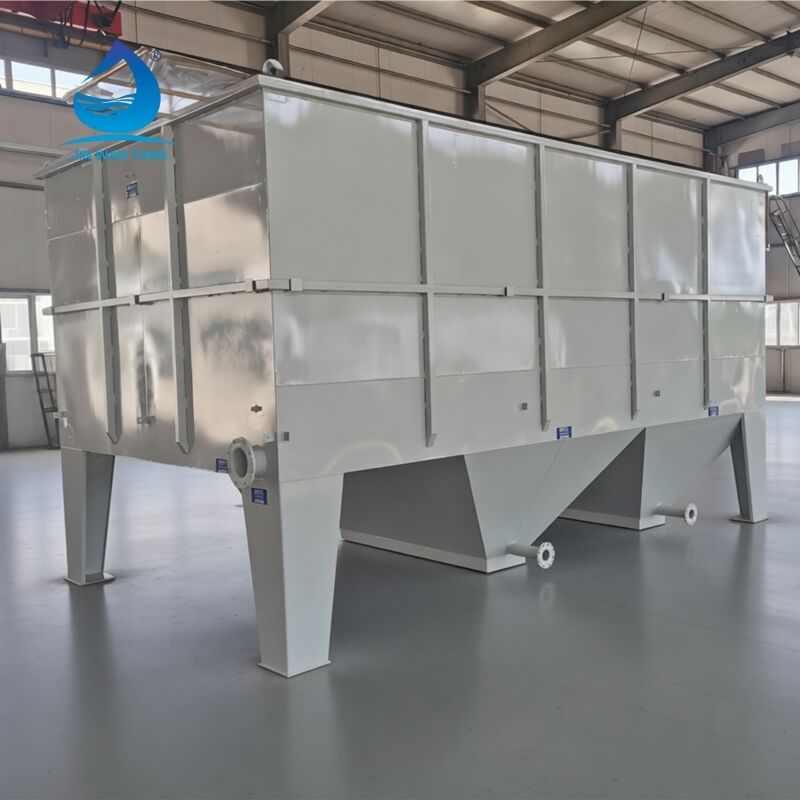
The small lamella clarifier represents a revolutionary advancement in water treatment technology, designed to efficiently separate suspended solids from wastewater through enhanced sedimentation processes. This compact system utilizes inclined parallel plates called lamellas to create multiple settling zones within a confined space, dramatically increasing the effective settling area compared to conventional clarifiers. The main function of a small lamella clarifier involves removing particles, oils, and other contaminants from industrial wastewater, municipal sewage, and stormwater runoff through gravity-based separation. The technological foundation relies on the principle that particles settle faster in shallow, inclined channels than in deep basins. As water flows upward through the angled plates, heavier particles migrate downward along the plate surfaces, eventually sliding into collection hoppers below. This counter-current flow pattern maximizes contact time while minimizing the required footprint. Key technological features include adjustable lamella angles typically ranging from 45 to 60 degrees, corrosion-resistant materials such as stainless steel or polypropylene, and integrated sludge removal systems. The small lamella clarifier incorporates inlet distribution systems that ensure uniform flow patterns across all settling channels, preventing short-circuiting and optimizing treatment efficiency. Advanced models feature automated controls for monitoring turbidity levels, flow rates, and sludge blanket heights. Applications span diverse industries including petrochemical facilities, food processing plants, pharmaceutical manufacturing, metal finishing operations, and municipal treatment facilities. These systems excel in treating high-volume wastewater streams where space constraints make traditional clarifiers impractical. The small lamella clarifier proves particularly valuable for retrofitting existing treatment plants, providing increased capacity without extensive facility modifications. Environmental regulations increasingly favor these efficient systems due to their superior performance in removing total suspended solids, biochemical oxygen demand, and chemical oxygen demand from various waste streams.
 EN
EN