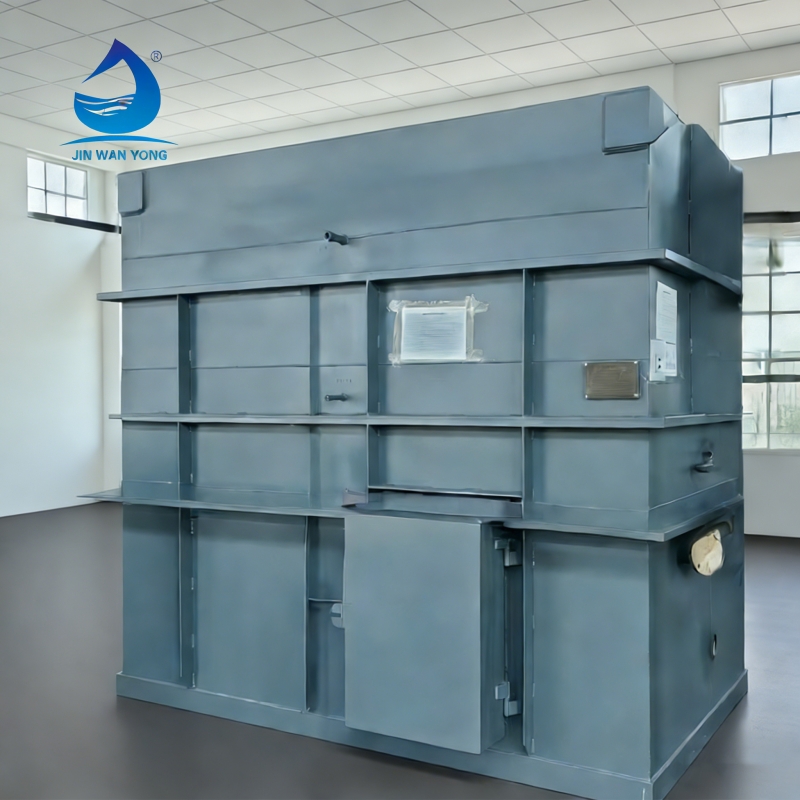
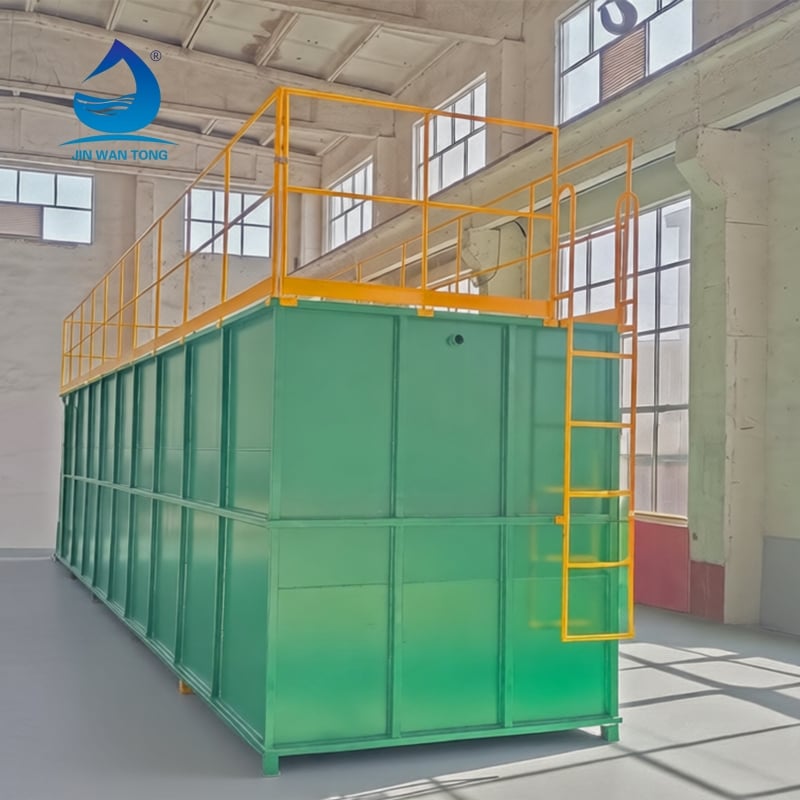
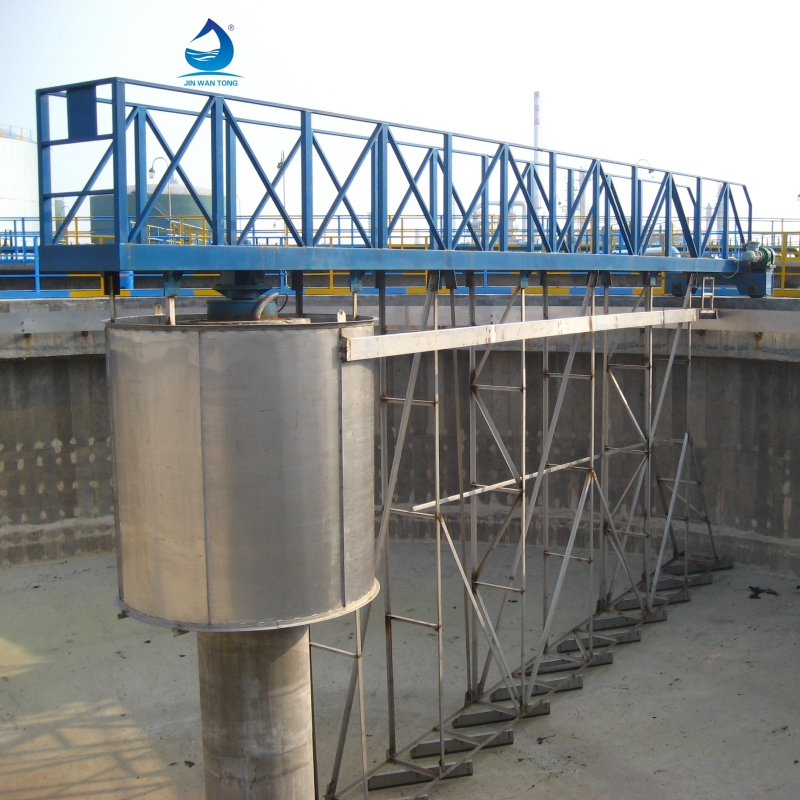
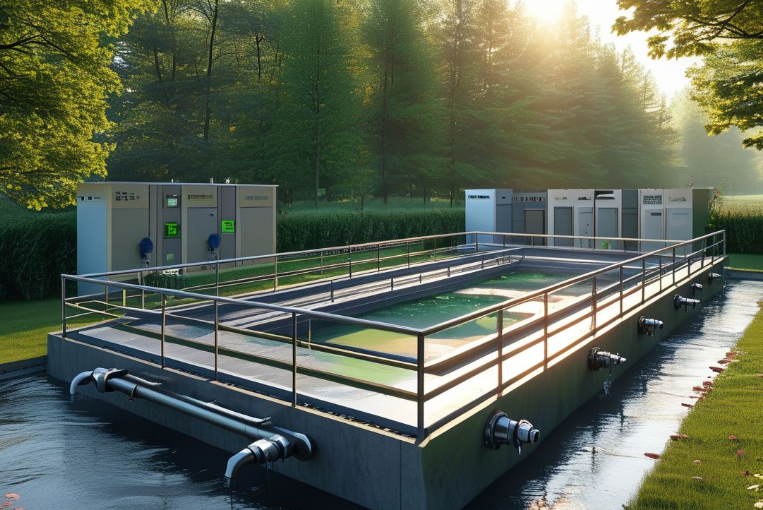
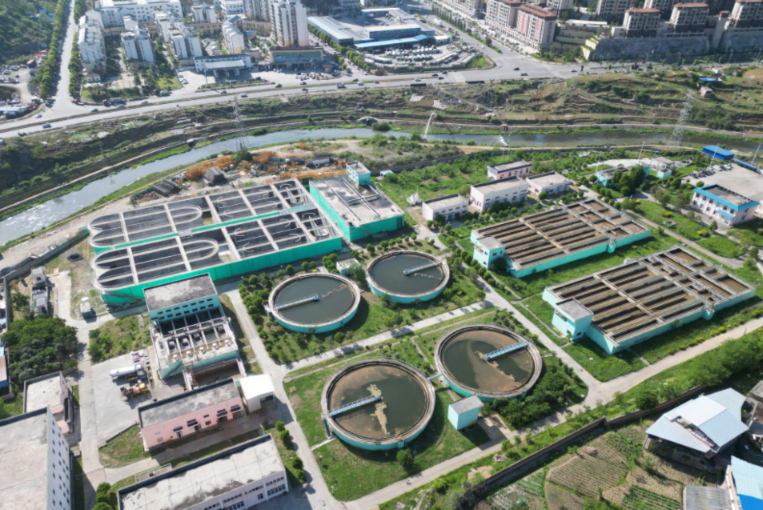
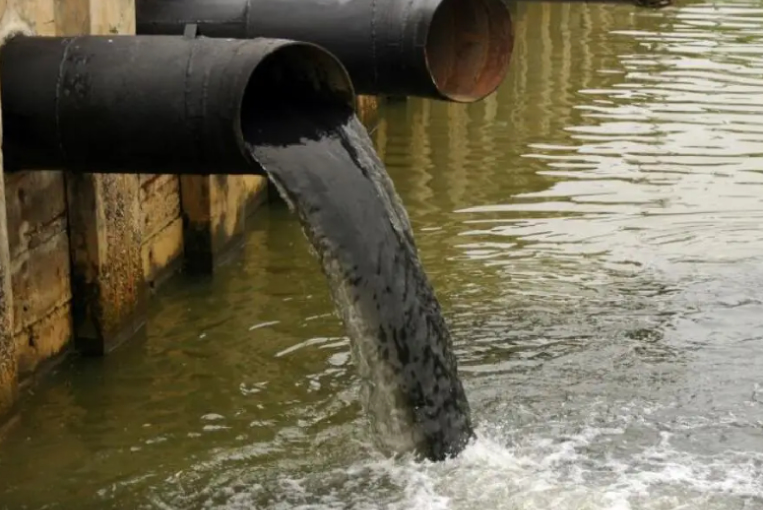
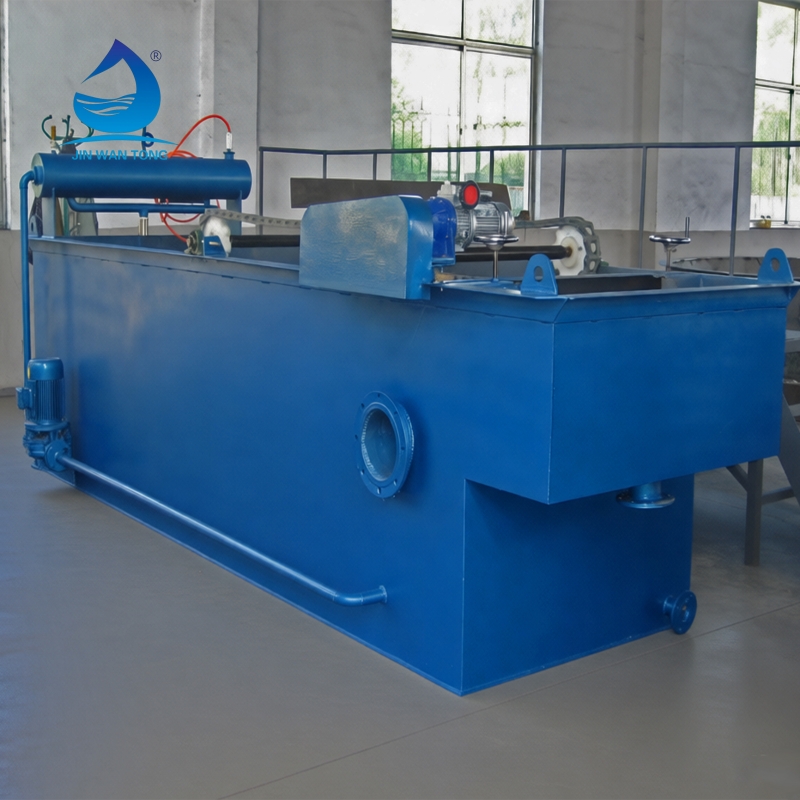
A high quality clarifier tank is an important solid-liquid separation unit in water and wastewater treatment systems. Its main function is to separate suspended solids, sludge, chemical flocs and settleable particles from wastewater by gravity settling. Compared with simple holding tanks, a properly designed clarifier controls water flow, settling time, sludge collection and clarified water discharge more effectively.
The basic principle is straightforward. Wastewater enters the clarifier through an inlet distribution system. The flow velocity is reduced inside the tank, allowing heavier particles or flocs to settle to the bottom. Clarified water moves upward or forward to the outlet weir, while settled sludge is collected in the bottom hopper or sludge zone and discharged through a sludge pipe, valve or pump. In compact projects, inclined plate or lamella modules can be installed to increase the effective settling area and improve treatment capacity within a smaller footprint.
A typical clarifier tank process is:
Inlet Distribution → Settling Zone → Sludge Collection → Clarified Water Outlet → Sludge DischargeFor B2B buyers, high quality does not only mean thicker steel or larger tank size. It means the equipment is matched with the actual wastewater condition and operating requirement. Important selection factors include design flow rate, peak flow, suspended solids concentration, floc settling performance, surface loading rate, hydraulic retention time, sludge production, tank material, corrosion resistance, installation space and maintenance access.
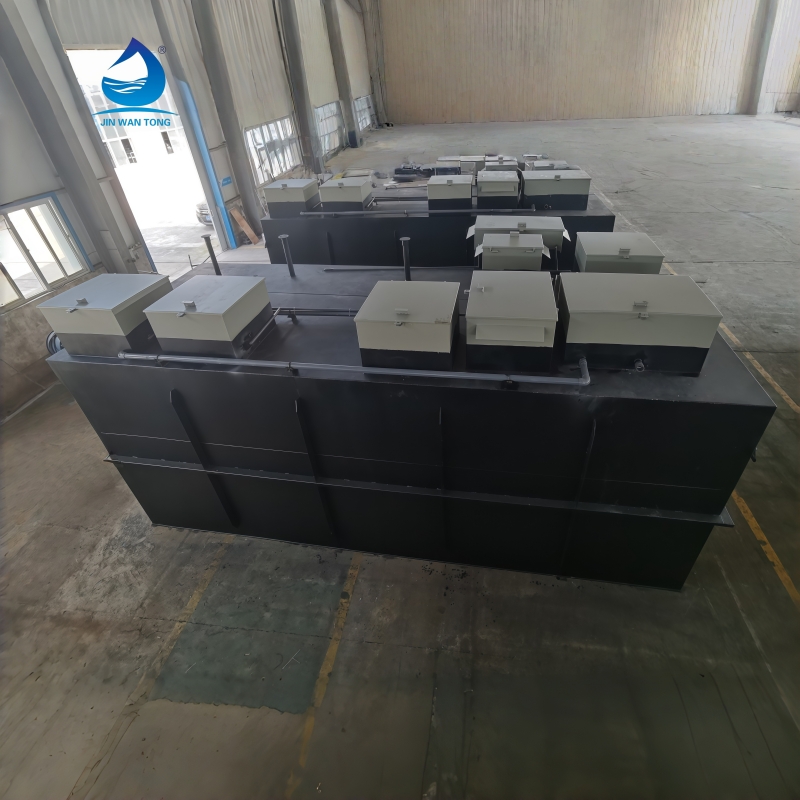
Clarifier tanks can be made from carbon steel with anti-corrosion coating, stainless steel, FRP or concrete, depending on wastewater characteristics and project budget. For corrosive wastewater, material and coating selection are especially important. For space-limited sites, a lamella clarifier may be more suitable because inclined plates provide a larger settling surface in a compact structure.
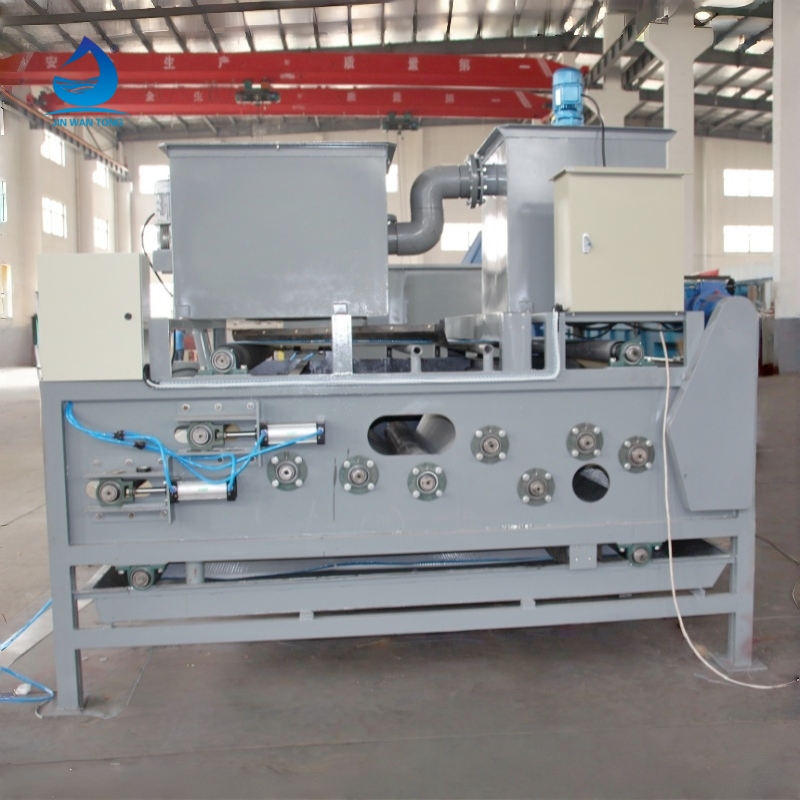
Clarifier tanks are commonly used after chemical coagulation and flocculation, biological treatment, industrial pretreatment or DAF systems. They can also be installed before filtration, disinfection or water reuse units to reduce solids load and improve downstream process stability. In a complete treatment line, clarifiers often work together with dosing systems, sludge dewatering equipment, MBR/MBBR systems and other wastewater equipment.
However, a clarifier tank is mainly used for settleable solids. It cannot independently remove dissolved COD, ammonia nitrogen, salinity, toxic chemicals or emulsified oil. If wastewater contains fine colloids, oil, high organic load or non-settleable particles, chemical dosing, DAF, biological treatment or filtration may be required.
Qingdao Jinwantong provides customized clarifier tank solutions for industrial, municipal and packaged wastewater treatment projects. To receive a suitable proposal, buyers can provide treatment capacity, inlet water quality, suspended solids concentration, outlet requirement, site layout and preferred material.
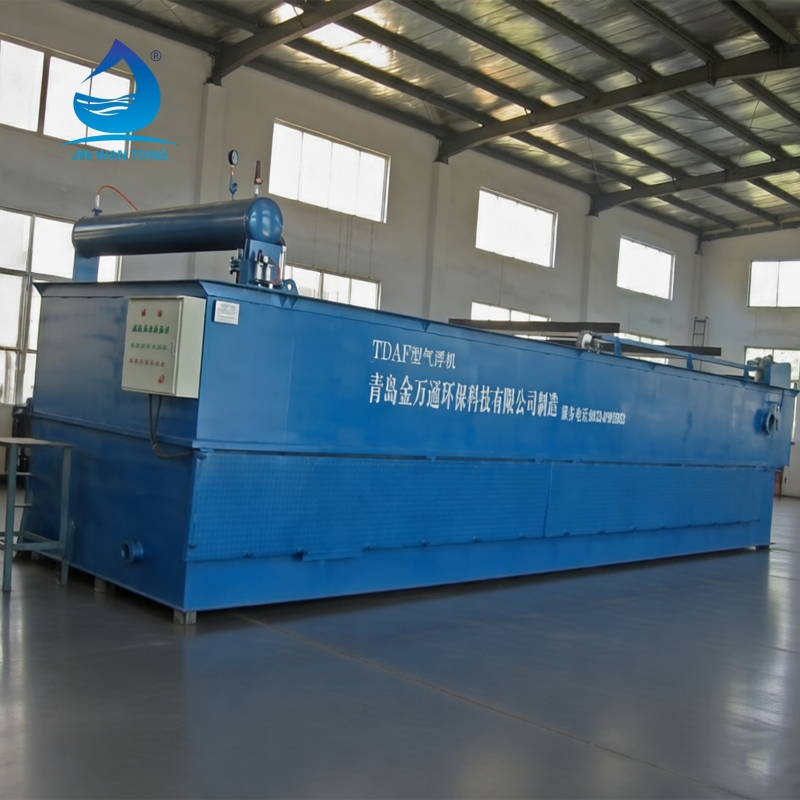
Qingdao Jinwantong provides industrial sewage treatment equipment for global clients. Our MBR, DAF, STP, and oil-water separation systems ensure compliance with national discharge standards. Trusted across 6 continents. Contact us today.
43,Cangnan Road, Cangma Town, Qingdao, Shandong, China
Copyright © 2026 Qingdao Jinwantong Environmental Science And Technology Co., Ltd. All rights reserved. Privacy Policy
 EN
EN