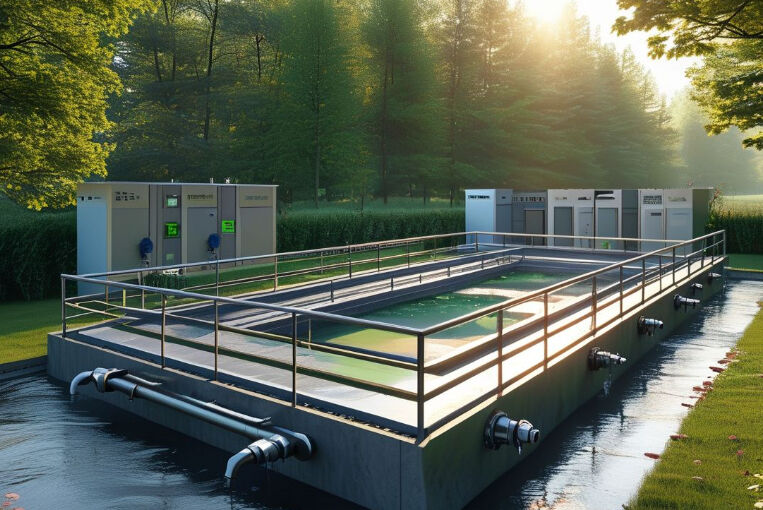
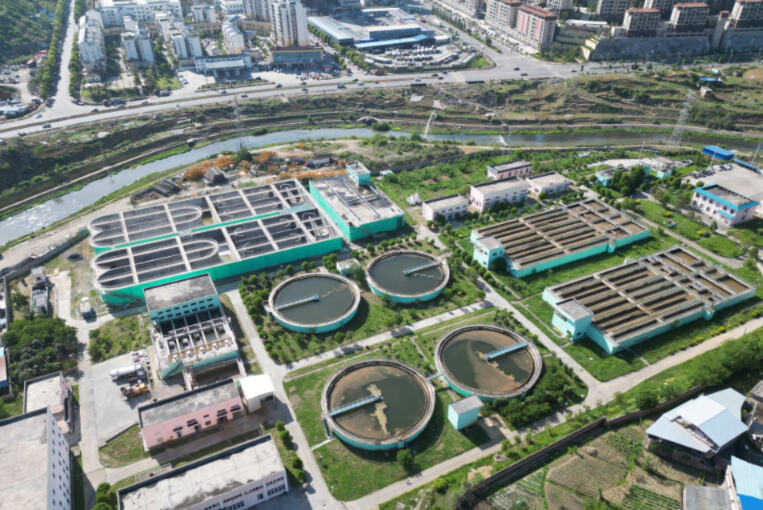
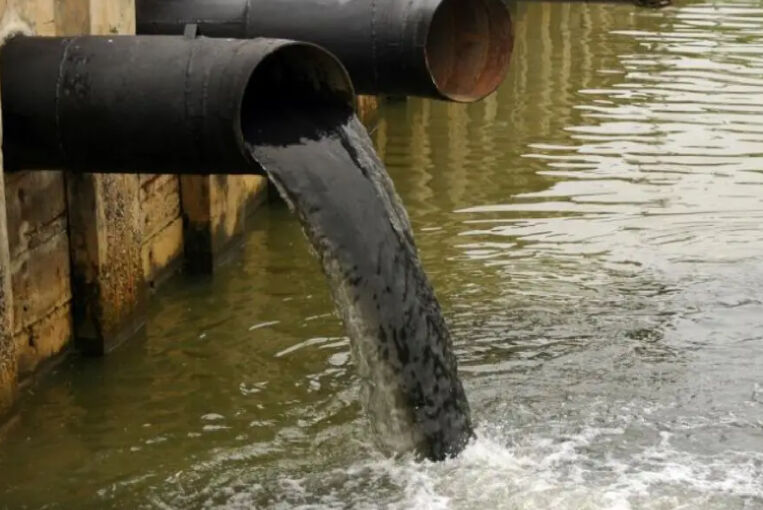
waste water clarifier
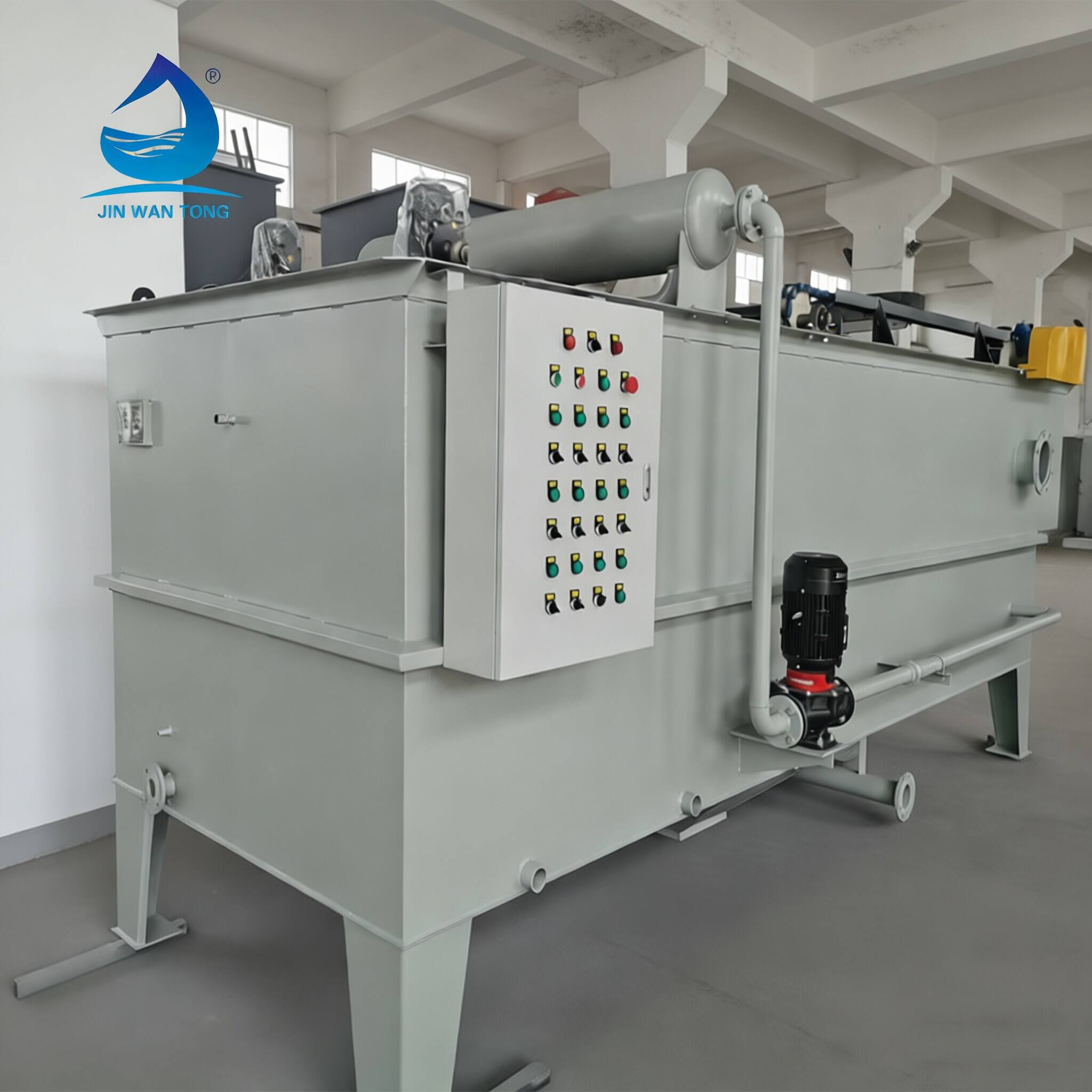
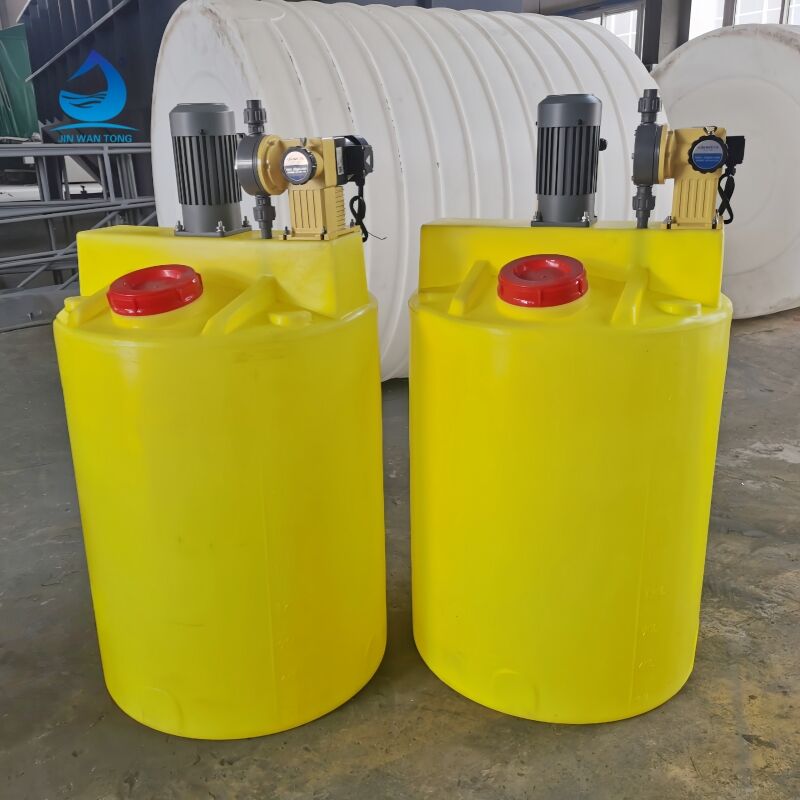
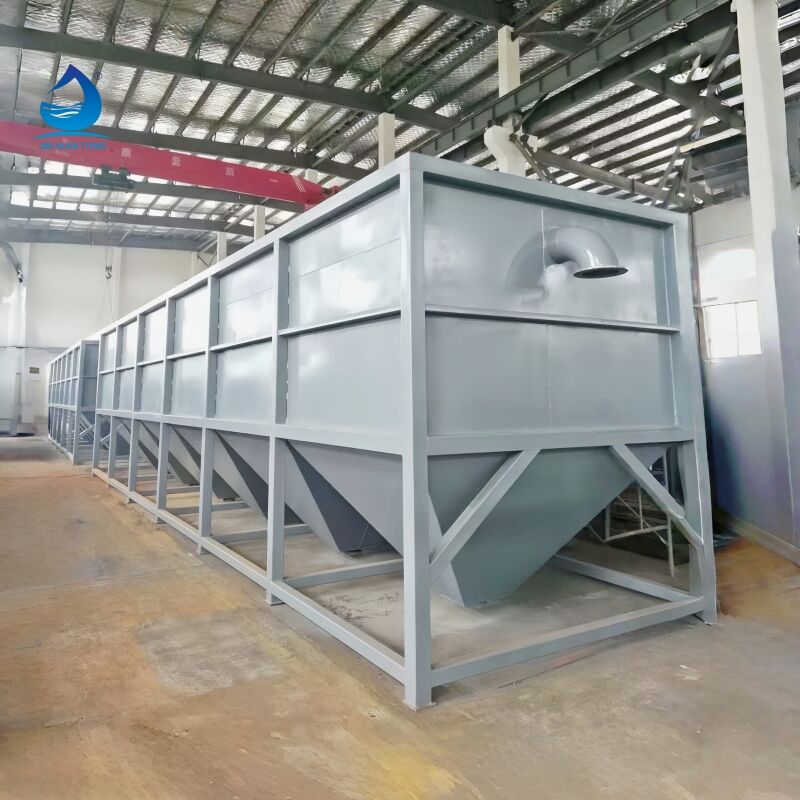
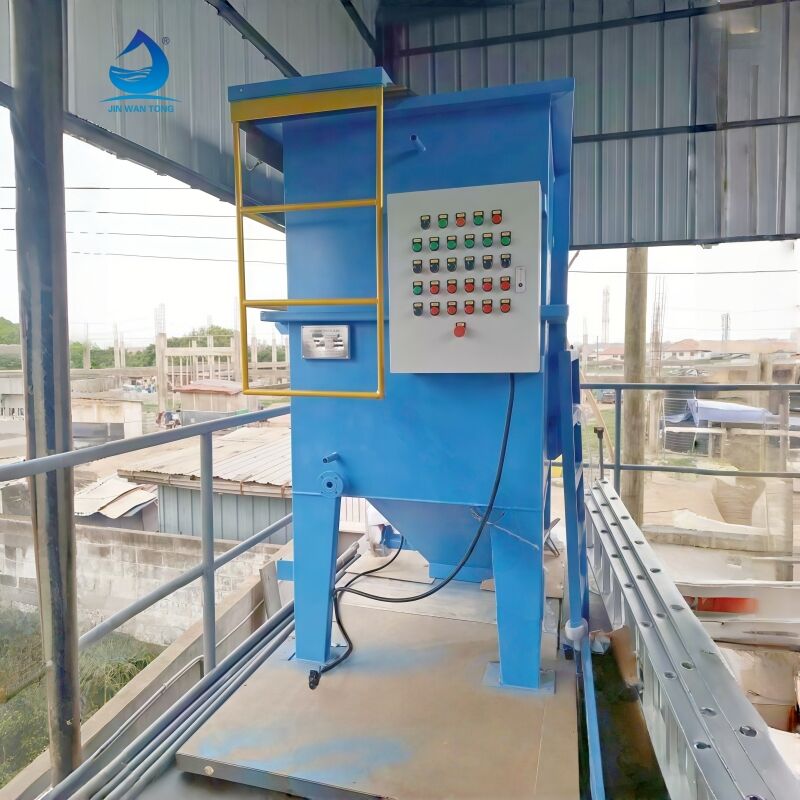
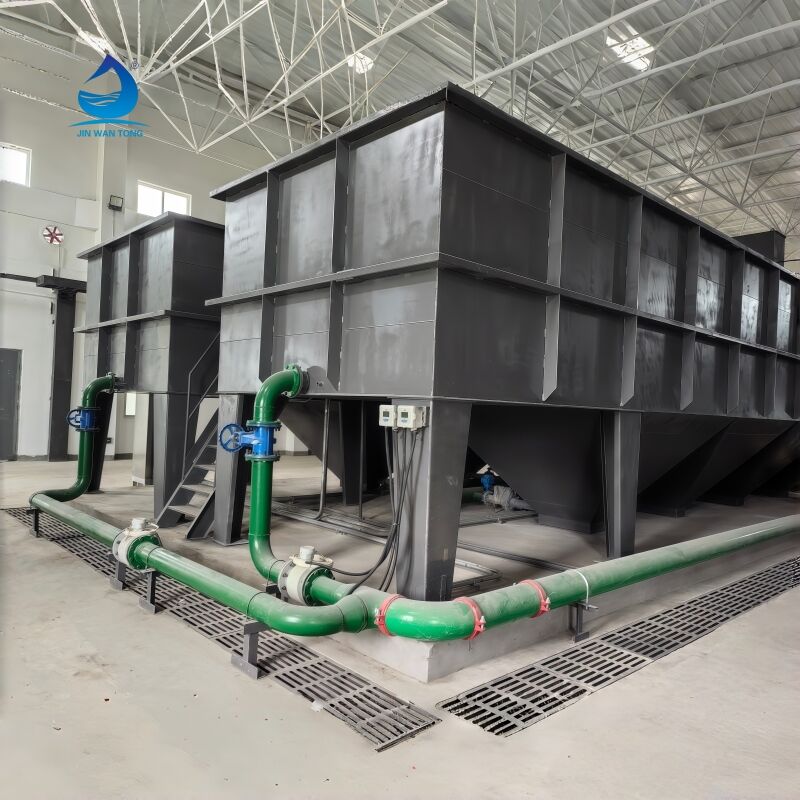
A waste water clarifier represents a fundamental component in modern water treatment systems, designed to remove suspended solids and contaminants from industrial and municipal wastewater streams. This sophisticated equipment operates through the principle of sedimentation, where heavier particles settle to the bottom while cleaner water rises to the surface for collection. The waste water clarifier consists of several key components including an inlet distribution system, settling zone, sludge collection mechanism, and effluent overflow weirs that work together to achieve optimal separation efficiency. The technological features of contemporary waste water clarifier systems include advanced lamella plate settlers that increase surface area for enhanced particle settling, automated sludge removal systems with programmable timers, and integrated chemical dosing capabilities for improved flocculation. Modern waste water clarifier units incorporate variable-speed drives for energy efficiency, corrosion-resistant materials for longevity, and intelligent control systems that monitor turbidity, flow rates, and sludge levels in real-time. These systems can handle diverse flow rates ranging from small-scale industrial applications to large municipal treatment plants processing millions of gallons daily. The applications for waste water clarifier technology span numerous industries including food and beverage processing, pharmaceutical manufacturing, petrochemical operations, mining operations, and municipal sewage treatment facilities. In food processing plants, waste water clarifier systems remove organic solids and oils from production wastewater. Pharmaceutical facilities utilize these systems to separate active pharmaceutical ingredients and chemical residues. The mining industry employs waste water clarifier technology to remove heavy metals and suspended particles from process water. Municipal treatment plants rely on primary and secondary waste water clarifier systems as essential components in their multi-stage treatment processes, ensuring compliance with environmental discharge regulations while protecting public health and aquatic ecosystems.
 EN
EN