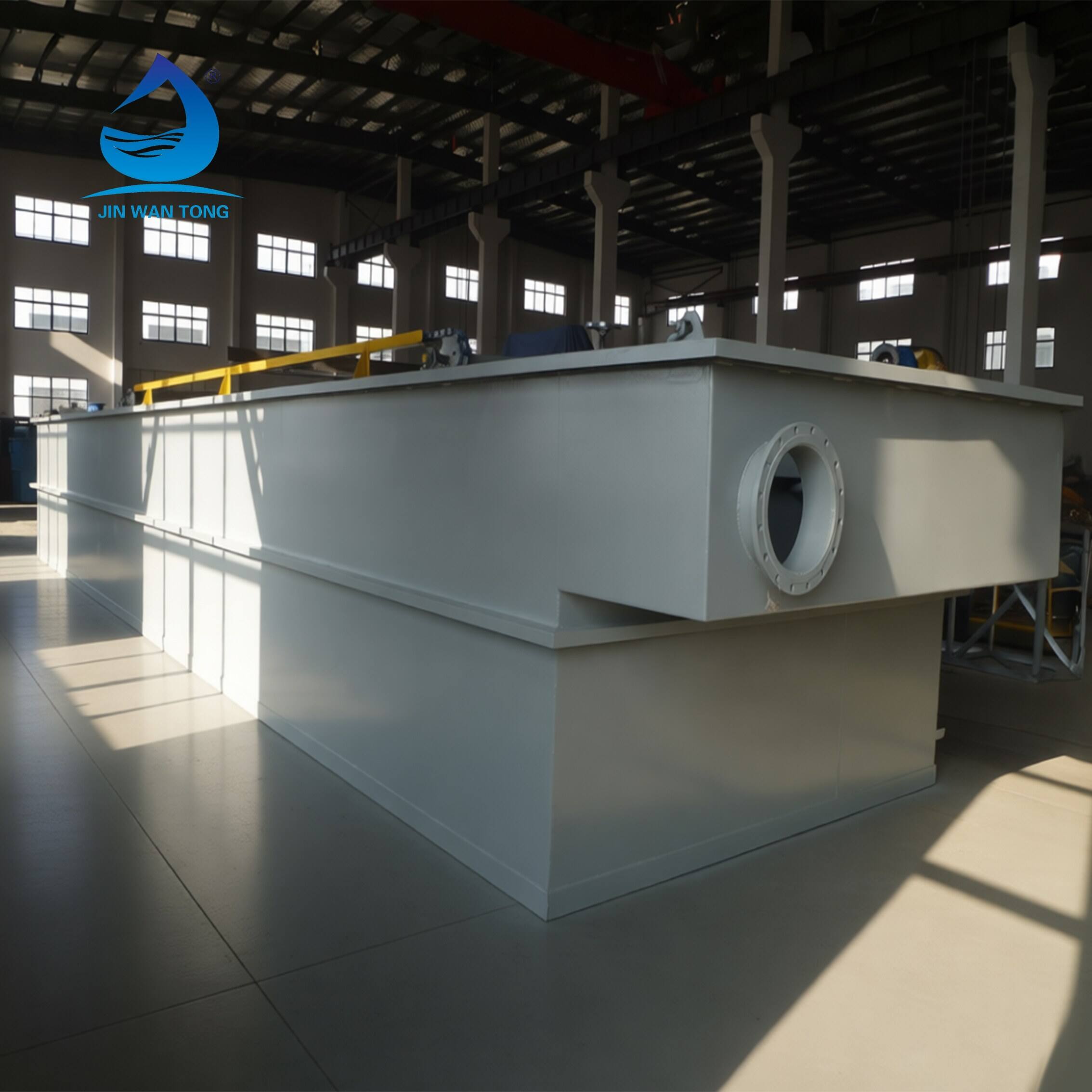
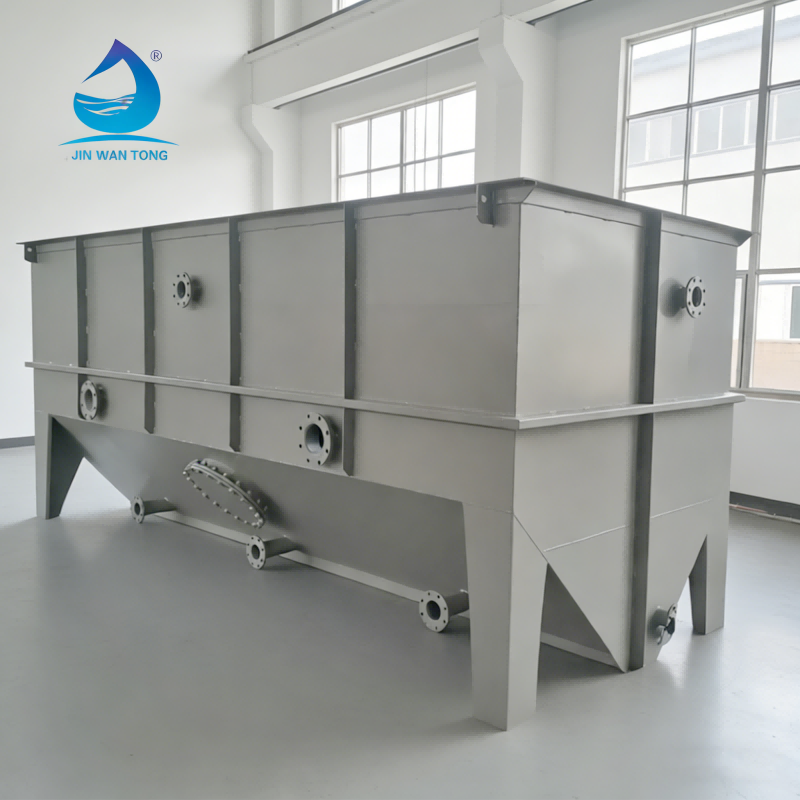
industrial water clarifier
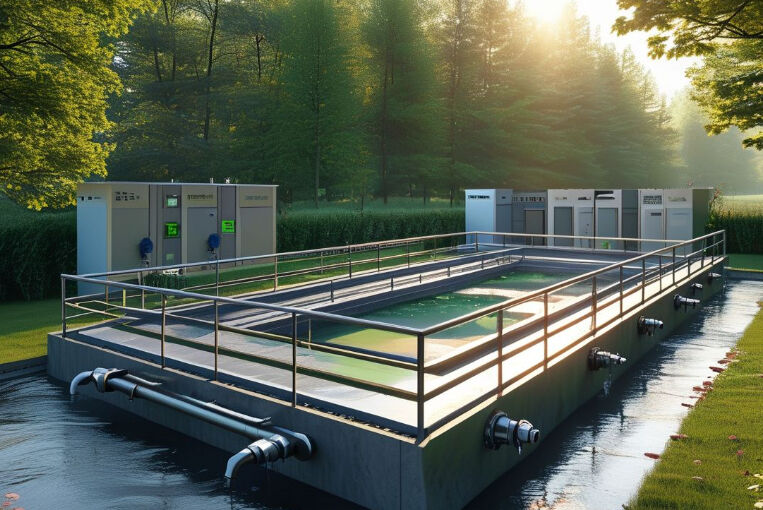
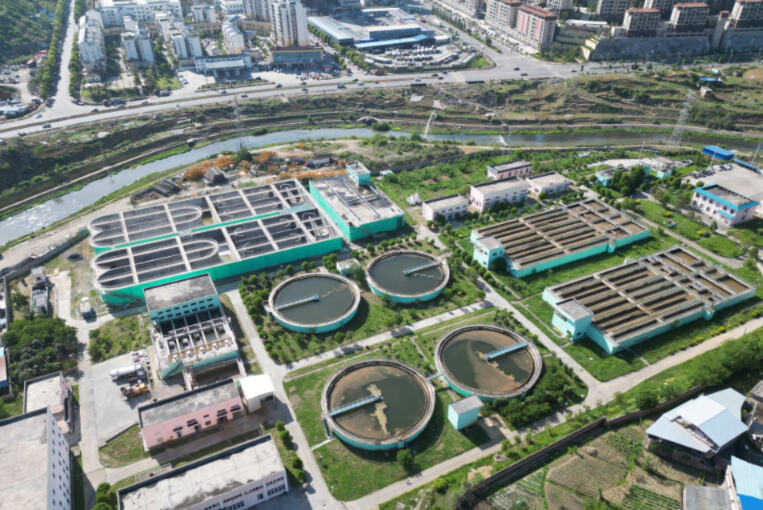
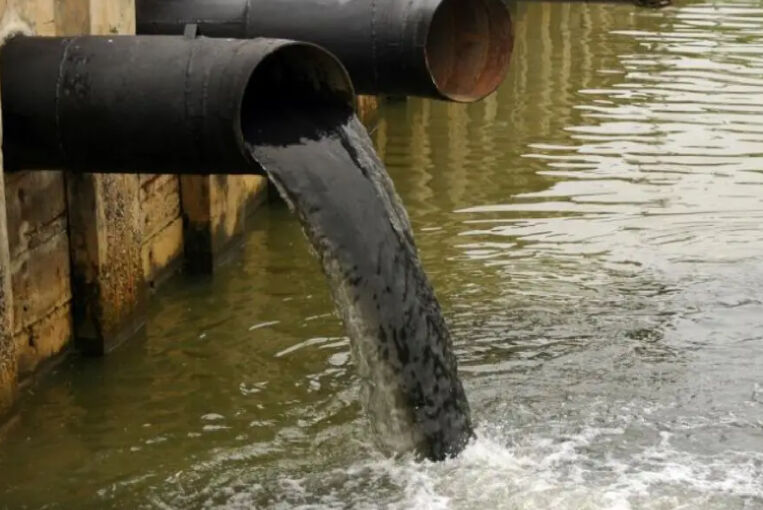
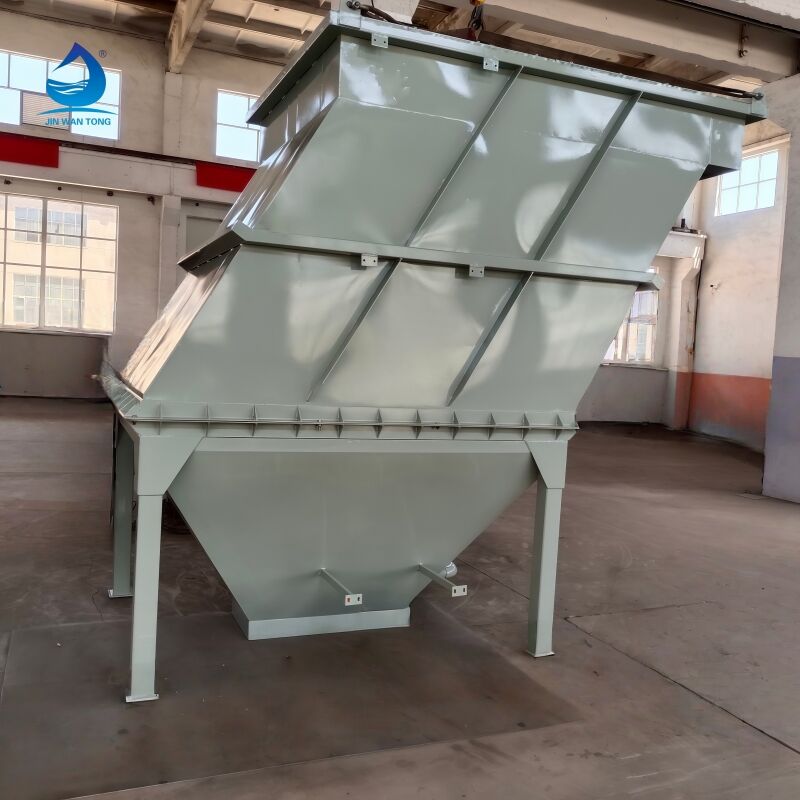
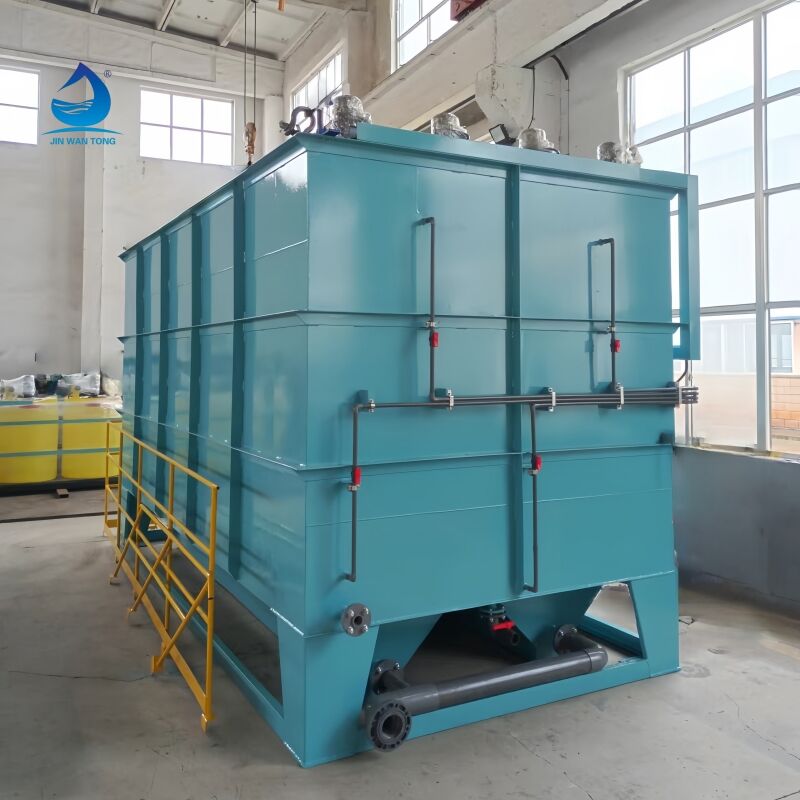
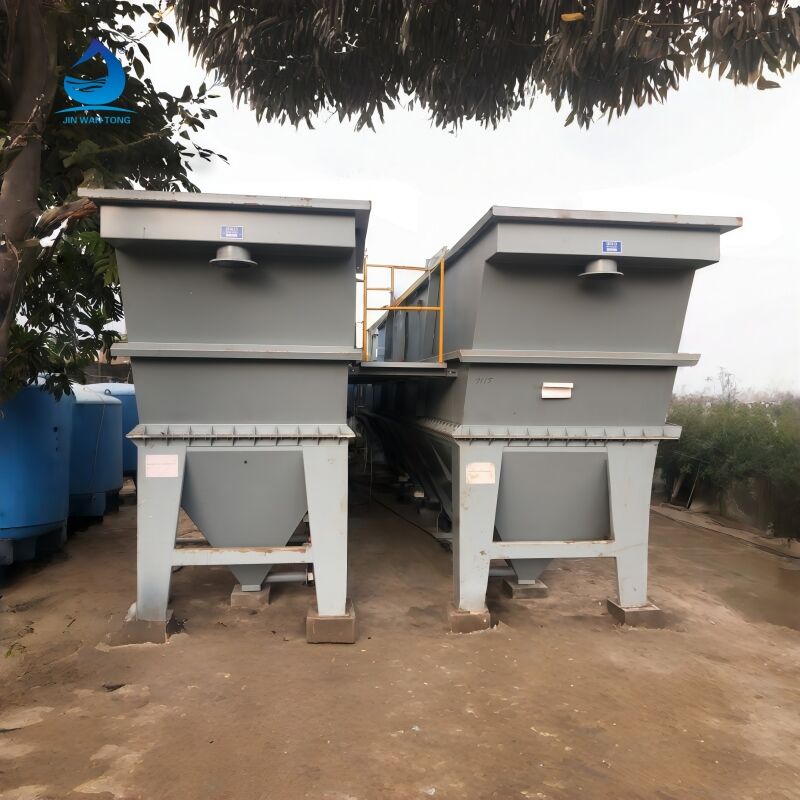
An industrial water clarifier represents a critical component in modern water treatment systems, designed to remove suspended solids, turbidity, and contaminants from large volumes of water used in manufacturing processes, power generation, and municipal applications. This sophisticated equipment operates through advanced sedimentation and filtration technologies, ensuring water quality meets stringent industrial standards while maintaining operational efficiency. The industrial water clarifier functions as the backbone of comprehensive water treatment facilities, processing thousands of gallons per hour through carefully engineered mechanisms that separate impurities from clean water. These systems utilize gravity settling, chemical coagulation, and mechanical separation processes to achieve exceptional clarification results. The technology incorporates multiple treatment stages, including rapid mixing chambers where coagulants are introduced, flocculation zones where particles aggregate, and settling basins where clarified water rises while sludge descends. Modern industrial water clarifier units feature automated control systems that monitor water quality parameters, adjust chemical dosing rates, and optimize settling times based on incoming water conditions. Key technological features include variable-speed drive systems, sophisticated sludge removal mechanisms, and integrated monitoring equipment that tracks turbidity, pH levels, and flow rates continuously. Applications span across diverse industries including petrochemicals, food processing, pharmaceuticals, steel manufacturing, pulp and paper production, and municipal water treatment facilities. The industrial water clarifier proves essential for facilities requiring consistent water quality for cooling systems, boiler feedwater preparation, process water supply, and wastewater treatment before discharge. These versatile systems handle varying water compositions, from heavily contaminated industrial effluent to moderately turbid surface water sources, adapting treatment parameters to achieve desired clarity levels while minimizing operational costs and environmental impact through efficient resource utilization.
 EN
EN