Advanced Wastewater Clarifier Systems - Efficient Water Treatment Solutions

All Categories

Get a Free Quote

Our representative will contact you soon.
Email
Name
Company Name
Message
0/1000

wastewater clarifier

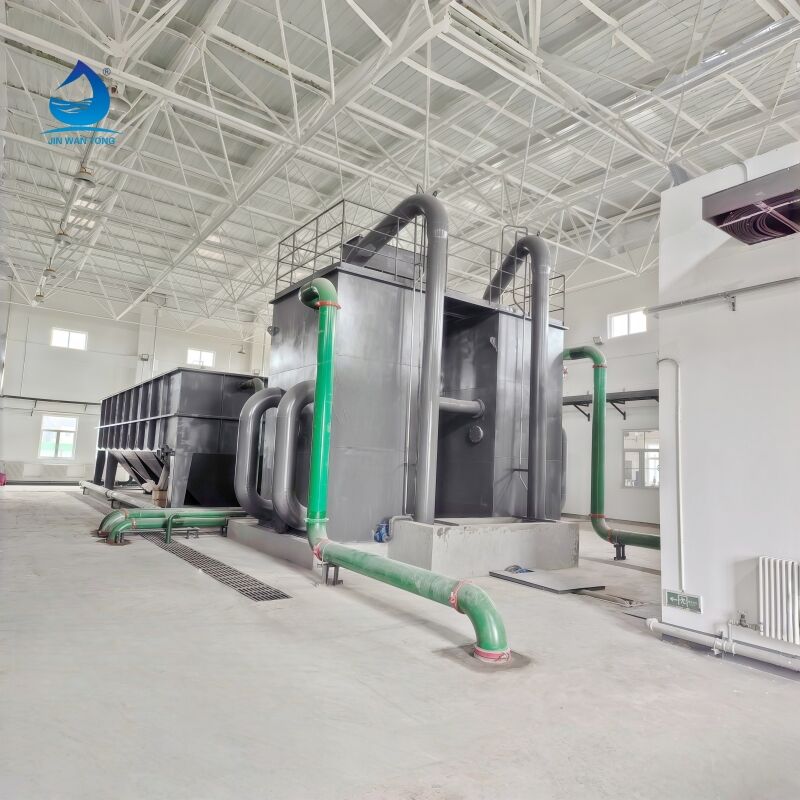
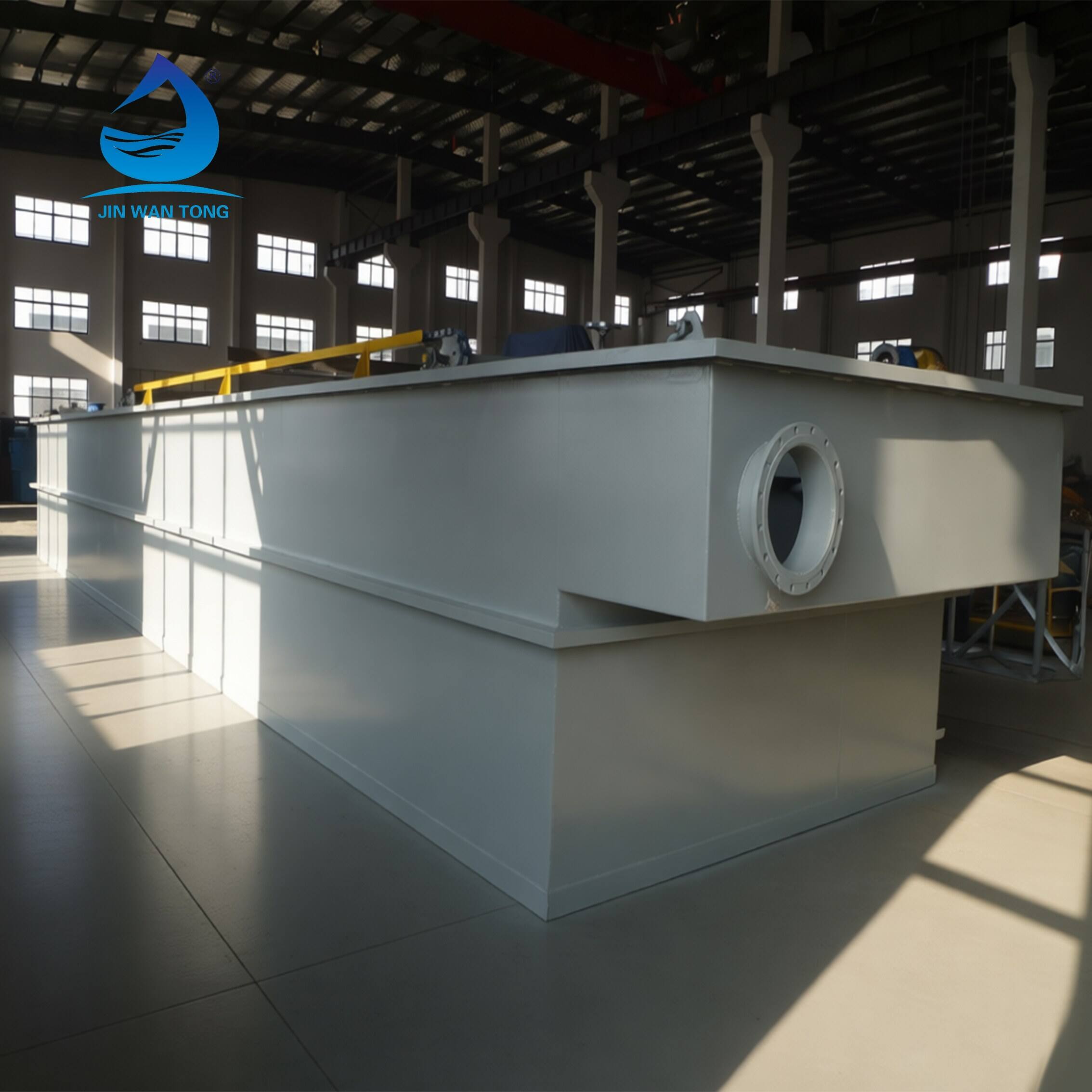
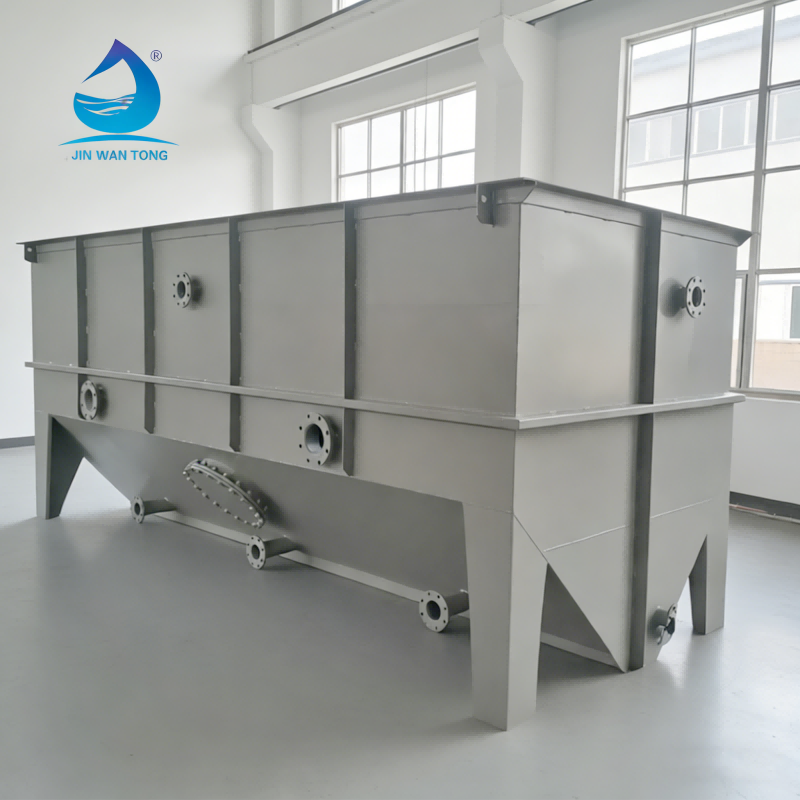
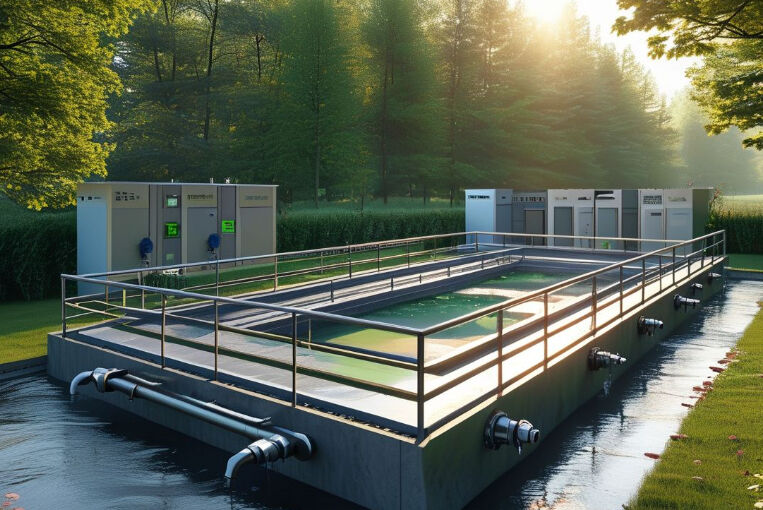
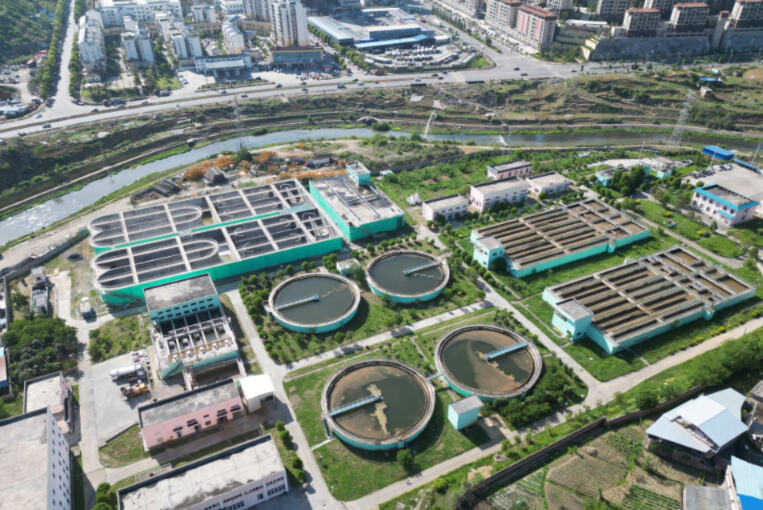
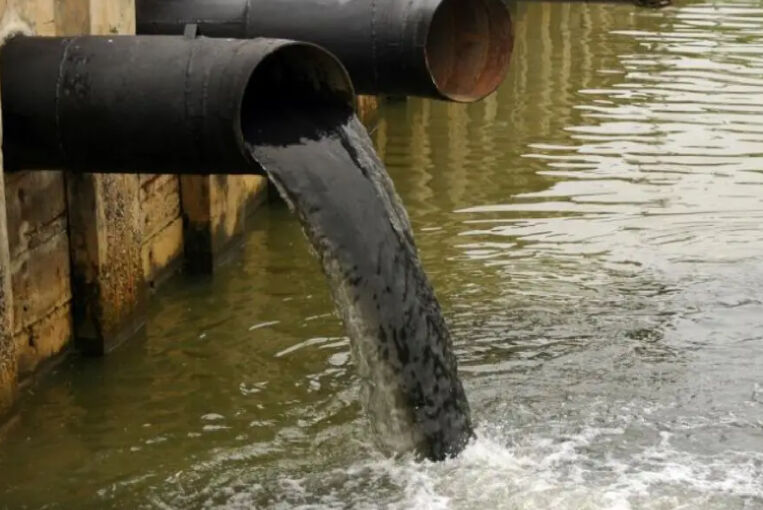
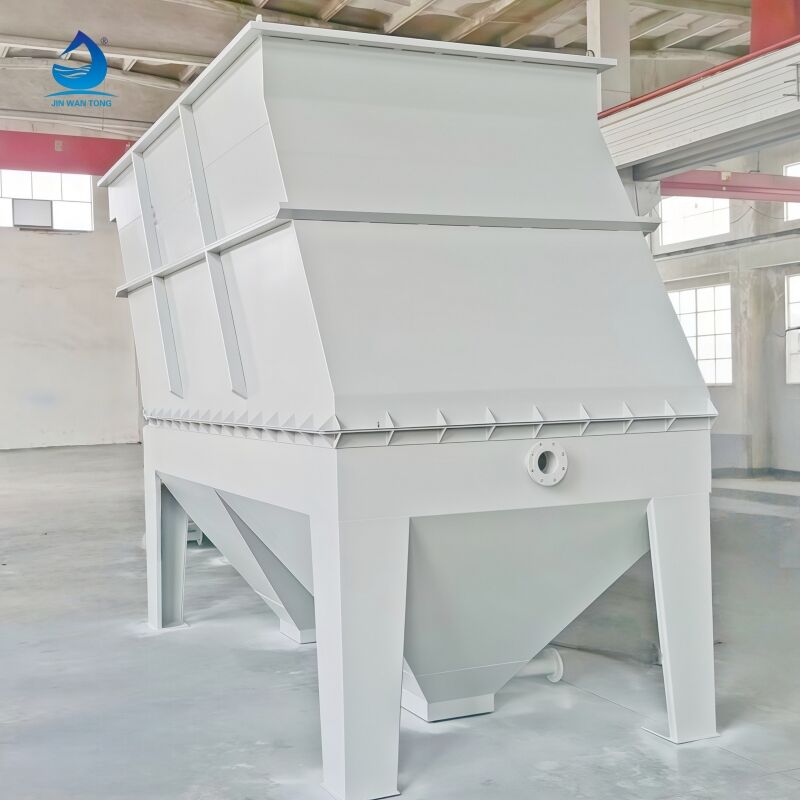
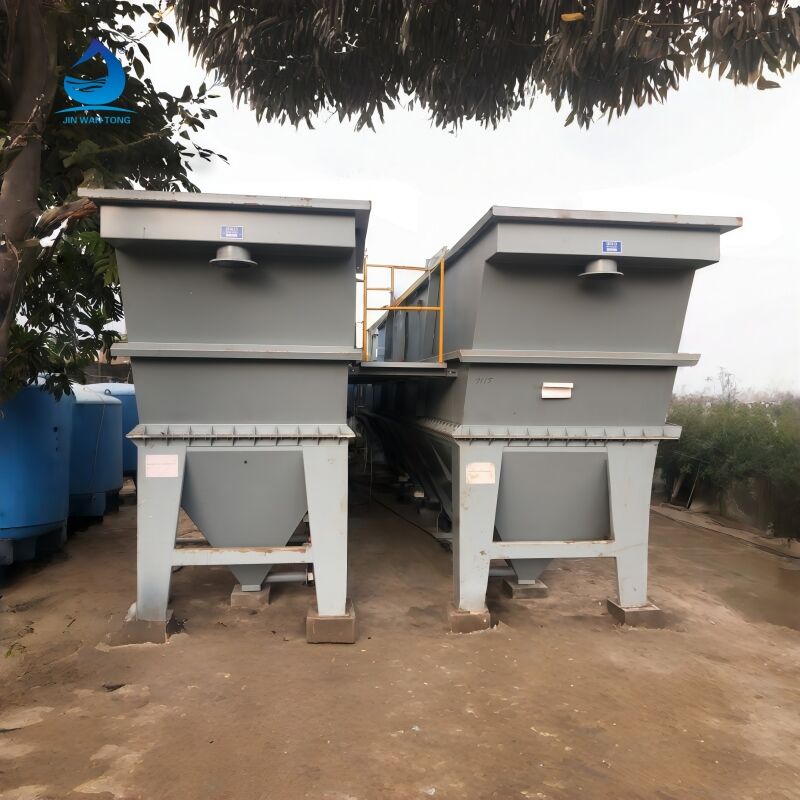
A wastewater clarifier represents a critical component in modern water treatment infrastructure, designed to remove suspended solids and pollutants from contaminated water through sedimentation and separation processes. This essential equipment operates on the principle of gravity settling, where heavier particles naturally separate from the liquid phase, creating cleaner effluent suitable for discharge or further treatment stages. The wastewater clarifier functions as a large, circular or rectangular basin where incoming wastewater flows at controlled velocities, allowing sufficient retention time for particles to settle at the bottom while clarified water rises to the surface for collection. Primary clarifiers typically remove 50-70 percent of suspended solids and 25-40 percent of biochemical oxygen demand from raw sewage, making them indispensable for municipal and industrial treatment facilities. Secondary clarifiers work in conjunction with biological treatment processes, separating activated sludge from treated water to ensure optimal effluent quality. Modern wastewater clarifier systems incorporate advanced features such as automated sludge removal mechanisms, adjustable weirs, and real-time monitoring capabilities that enhance operational efficiency. These systems accommodate varying flow rates through sophisticated inlet and outlet configurations, ensuring consistent performance across different operating conditions. The technological framework includes lamella plates or tube settlers that increase effective settling area within compact footprints, making them ideal for space-constrained installations. Applications span across municipal sewage treatment plants, industrial manufacturing facilities, food processing operations, pharmaceutical companies, and mining operations where water quality standards must meet stringent regulatory requirements. The wastewater clarifier serves multiple industries including petrochemical, textile, pulp and paper, automotive, and agricultural sectors, each requiring customized solutions tailored to specific contaminant profiles and treatment objectives.
New Products

The wastewater clarifier delivers substantial operational and financial benefits that directly impact your facility's bottom line and environmental compliance. Cost reduction represents the most immediate advantage, as effective solid-liquid separation significantly decreases downstream treatment expenses by removing up to 90 percent of settleable solids before secondary processing stages. This preliminary treatment reduces the load on subsequent biological or chemical treatment systems, extending equipment lifespan and minimizing maintenance requirements across your entire treatment train. Energy efficiency stands out as another compelling benefit, since gravity-driven separation requires minimal power consumption compared to alternative mechanical separation methods, resulting in lower operational costs and reduced carbon footprint for environmentally conscious organizations. The wastewater clarifier provides exceptional reliability through simple, proven technology that operates continuously with minimal supervision, ensuring consistent treatment performance even during peak flow conditions or equipment maintenance periods. Flexibility in design allows customization for specific applications, whether treating high-strength industrial waste or managing seasonal flow variations in municipal systems, making these units adaptable to diverse operational requirements. Regulatory compliance becomes more manageable with properly sized clarifier systems that consistently meet discharge standards, protecting your organization from potential fines and environmental violations while maintaining positive community relationships. Space optimization benefits emerge from modern clarifier designs that maximize treatment capacity within limited footprints, particularly valuable for urban installations or facility expansions where land availability constraints exist. The technology requires minimal chemical additions compared to alternative treatment methods, reducing ongoing operational expenses and simplifying waste management protocols. Maintenance simplicity translates to lower long-term costs, as most clarifier components are accessible for routine inspections and repairs without extensive system shutdowns. Process stability improves overall treatment plant performance by providing consistent influent quality to downstream processes, reducing variability that can upset biological treatment systems. The wastewater clarifier also enables effective resource recovery through concentrated sludge streams that facilitate biogas production or nutrient extraction, creating additional revenue opportunities while supporting sustainable operational practices. Quick payback periods typically occur within two to four years through combined savings in chemical costs, energy consumption, and reduced downstream treatment requirements.

Tips And Tricks

Overview of the Agricultural Wastewater Treatment Market

17

Dec

Overview of the Agricultural Wastewater Treatment Market

View More
Global Real-Time Wastewater Treatment Update

17

Dec

Global Real-Time Wastewater Treatment Update

View More
Navigating the Waters: The Role of an Industrial Wastewater Treatment Plant

17

Dec

Navigating the Waters: The Role of an Industrial Wastewater Treatment Plant

View More

Get a Free Quote

Our representative will contact you soon.
Email
Name
Company Name
Message
0/1000

wastewater clarifier

Advanced Settling Technology for Maximum Efficiency

Advanced Settling Technology for Maximum Efficiency

The wastewater clarifier incorporates cutting-edge settling technology that dramatically improves solid-liquid separation efficiency compared to conventional treatment methods. High-rate settlers utilize inclined plate or tube modules that increase effective settling area by up to 10 times within the same footprint, enabling facilities to process significantly larger volumes without expanding physical infrastructure. This innovative approach reduces particle settling distance and creates multiple settling zones that capture particles across a broader size spectrum, from large debris to fine suspended matter. The lamella plate configuration creates shallow settling depths with optimized hydraulic flow patterns that minimize turbulence and maximize retention time for optimal separation performance. Advanced inlet distribution systems ensure uniform flow across the settling area, preventing short-circuiting and dead zones that compromise treatment efficiency. The technology accommodates seasonal flow variations and peak loading conditions through adjustable overflow rates and flexible operational parameters. Modern clarifier designs incorporate computerized monitoring systems that continuously track key performance indicators including turbidity, flow rates, and sludge blanket levels, enabling real-time optimization for changing influent characteristics. Temperature compensation features maintain consistent performance across seasonal variations, while automated controls adjust operational parameters to maintain optimal settling conditions regardless of ambient conditions. The enhanced settling capability translates directly to improved effluent quality, with typical suspended solids removal rates exceeding 95 percent under normal operating conditions. This superior performance reduces the burden on downstream biological treatment processes, improving overall plant efficiency and reducing operational costs. The technology also enables facilities to handle industrial discharge variations and storm water surges without compromising treatment quality, providing operational flexibility that protects against regulatory violations. Investment in advanced settling technology pays dividends through reduced chemical consumption, lower energy requirements for downstream processes, and extended equipment life cycles. The robust design ensures decades of reliable operation with minimal maintenance requirements, making it an ideal long-term solution for growing communities and expanding industrial operations seeking sustainable wastewater management solutions.
Automated Sludge Management System

Automated Sludge Management System

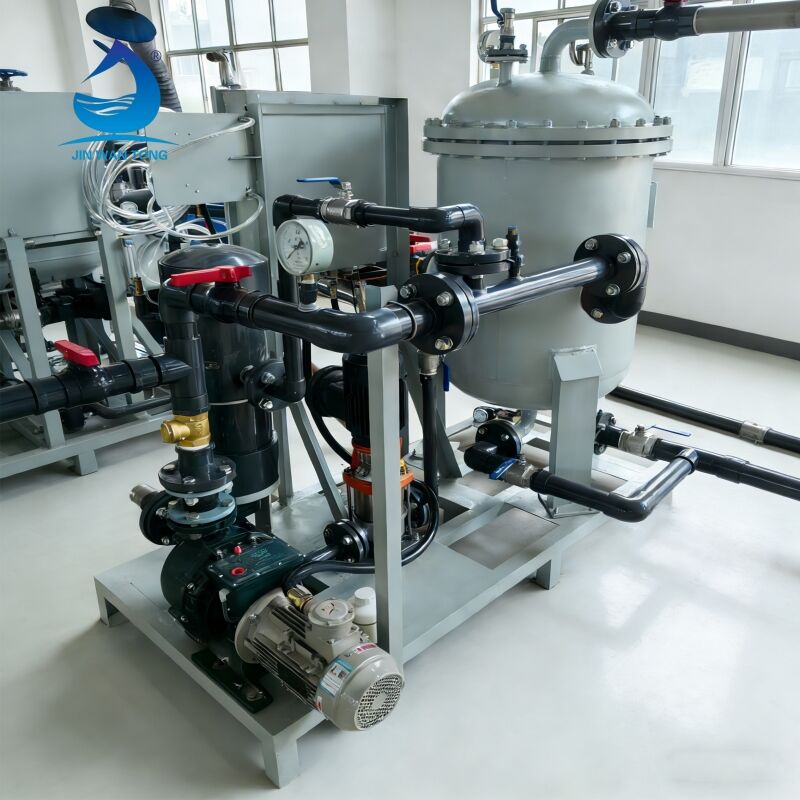
The integrated automated sludge management system represents a revolutionary advancement in wastewater clarifier operation, eliminating manual intervention while optimizing solids removal and treatment efficiency. This sophisticated system continuously monitors sludge blanket levels using ultrasonic sensors and automated sampling devices that provide real-time data on solids concentration and settling characteristics. The automated approach prevents sludge buildup that can compromise clarifier performance and create operational problems such as rising sludge, poor effluent quality, and equipment damage. Programmable logic controllers coordinate sludge withdrawal schedules based on actual accumulation rates rather than fixed time intervals, ensuring optimal solids removal while minimizing water loss in the underflow stream. Variable speed drives on sludge pumping equipment automatically adjust withdrawal rates to maintain consistent sludge concentration, improving downstream dewatering efficiency and reducing disposal costs. The system includes backup pumping capabilities and redundant monitoring equipment to ensure continuous operation even during maintenance periods or equipment failures. Smart algorithms analyze historical performance data to predict optimal sludge removal timing, preventing over-thickening that can lead to septicity and odor problems while maintaining efficient solids capture. Remote monitoring capabilities enable operators to track clarifier performance from central control rooms or mobile devices, reducing staffing requirements and enabling rapid response to changing conditions. The automated system integrates seamlessly with plant-wide SCADA systems, providing comprehensive data logging and reporting capabilities that support regulatory compliance and operational optimization efforts. Energy optimization features automatically adjust equipment operation based on influent characteristics and treatment objectives, minimizing power consumption while maintaining treatment standards. The technology includes predictive maintenance algorithms that monitor equipment condition and alert operators to potential problems before failures occur, reducing unplanned downtime and maintenance costs. Automated chemical feed systems can be integrated to optimize coagulation and flocculation processes, further enhancing solids removal efficiency. The comprehensive automation package reduces labor requirements by up to 60 percent compared to manual operations, while improving treatment consistency and reliability. This technology investment delivers rapid payback through reduced operational costs, improved effluent quality, and enhanced regulatory compliance, making it essential for modern wastewater treatment facilities seeking competitive advantages.
Modular Design for Scalable Treatment Solutions

Modular Design for Scalable Treatment Solutions

The modular design philosophy of modern wastewater clarifier systems provides unprecedented flexibility for treatment facilities seeking scalable solutions that adapt to changing capacity requirements and operational conditions. This innovative approach enables phased construction that matches treatment capacity expansion with actual growth patterns, minimizing initial capital investment while providing clear upgrade pathways for future needs. Standardized modules can be factory-fabricated under controlled conditions, ensuring consistent quality and reducing on-site construction time by up to 50 percent compared to conventional concrete clarifiers. The modular approach accommodates sites with challenging space constraints, irregular layouts, or poor soil conditions where traditional clarifier installation would be problematic or cost-prohibitive. Pre-engineered components include complete mechanical packages, electrical systems, and instrumentation that simplify installation and commissioning while reducing project risk and timeline uncertainty. Transportable modules enable temporary treatment capacity during plant upgrades or emergency response situations, providing operational continuity that protects environmental compliance and public health. The standardized design facilitates rapid deployment for industrial facilities experiencing sudden capacity increases or seasonal variations, with installation times measured in weeks rather than months. Quality control benefits emerge from factory fabrication processes that ensure precise tolerances, proper material specifications, and comprehensive testing before shipment to the installation site. The modular concept extends to treatment process components, allowing facilities to select specific technologies that match their influent characteristics and effluent requirements without over-designing for worst-case scenarios. Maintenance advantages include interchangeable components that simplify spare parts inventory and enable rapid replacement of failed equipment without extended shutdowns. The design flexibility accommodates future technology upgrades by providing standard interfaces for advanced instrumentation, automation systems, or process enhancements that become available over the facility's operational lifespan. Economic benefits include reduced foundation requirements, simplified utility connections, and standardized control systems that lower total project costs while maintaining superior treatment performance. The modular approach supports sustainable development practices by enabling right-sized treatment capacity that grows with actual needs rather than speculative projections, reducing environmental impact and resource consumption. Performance reliability remains consistent across modules through proven designs and standardized operating procedures that eliminate variability between treatment units. This scalable solution proves particularly valuable for growing communities, expanding industrial facilities, and remote locations where traditional construction methods face logistical challenges or economic constraints.
Advanced Wastewater Clarifier Systems - Efficient Water Treatment Solutions

Get a Free Quote

Our representative will contact you soon.
Email
Name
Company Name
Message
0/1000