Versatile Application Flexibility
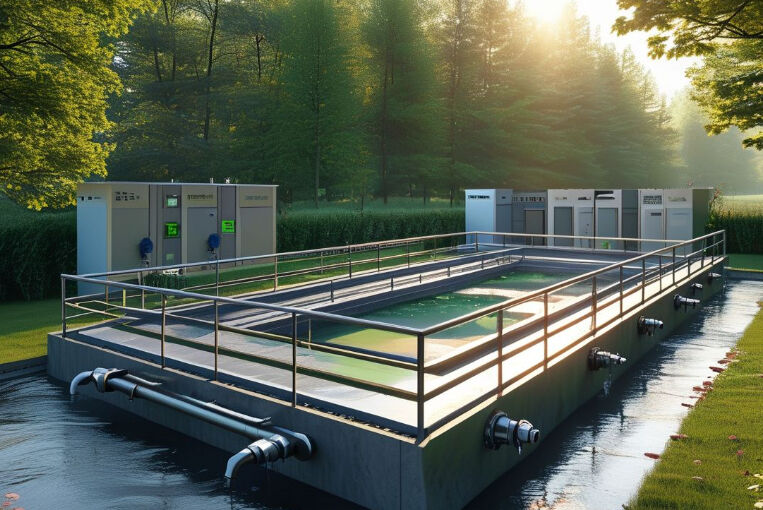
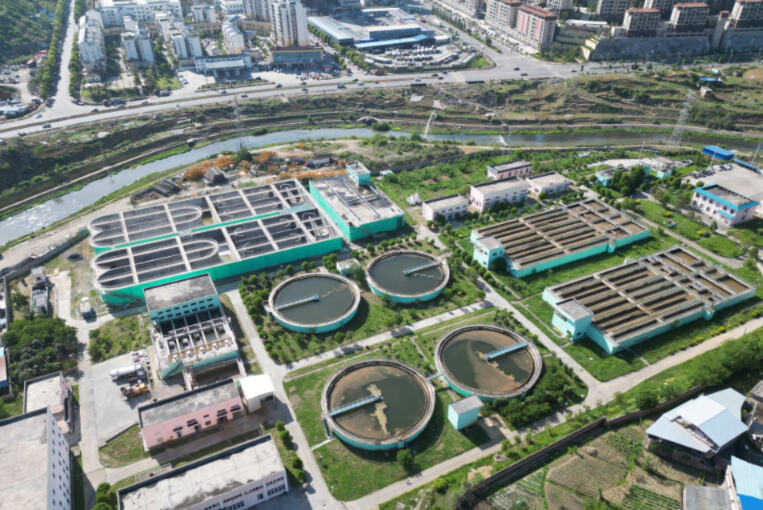
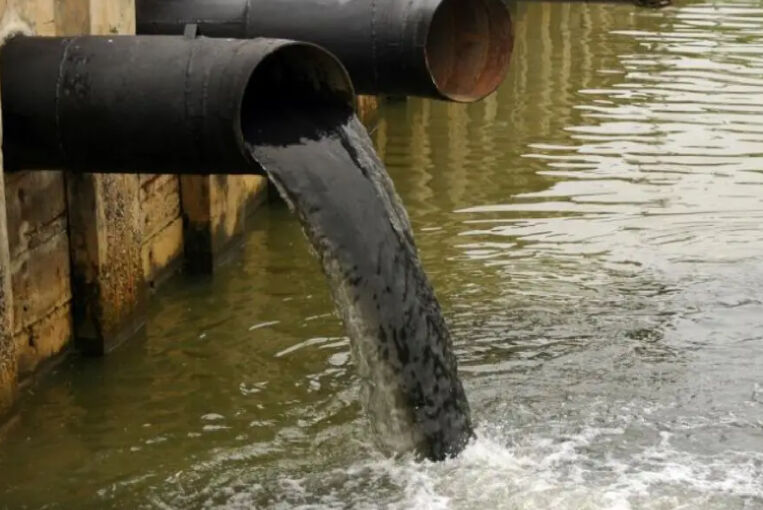
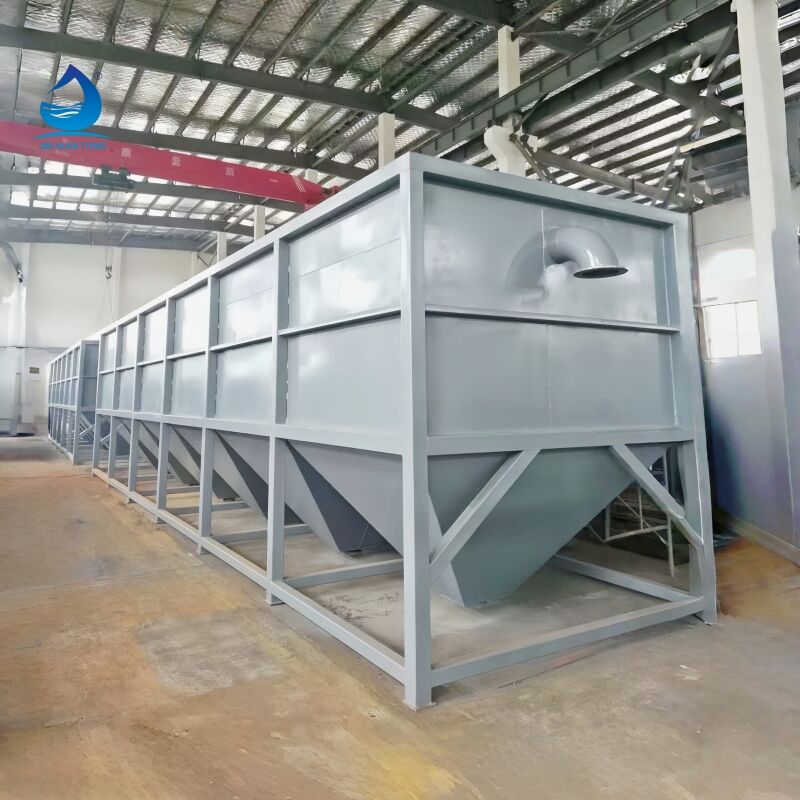
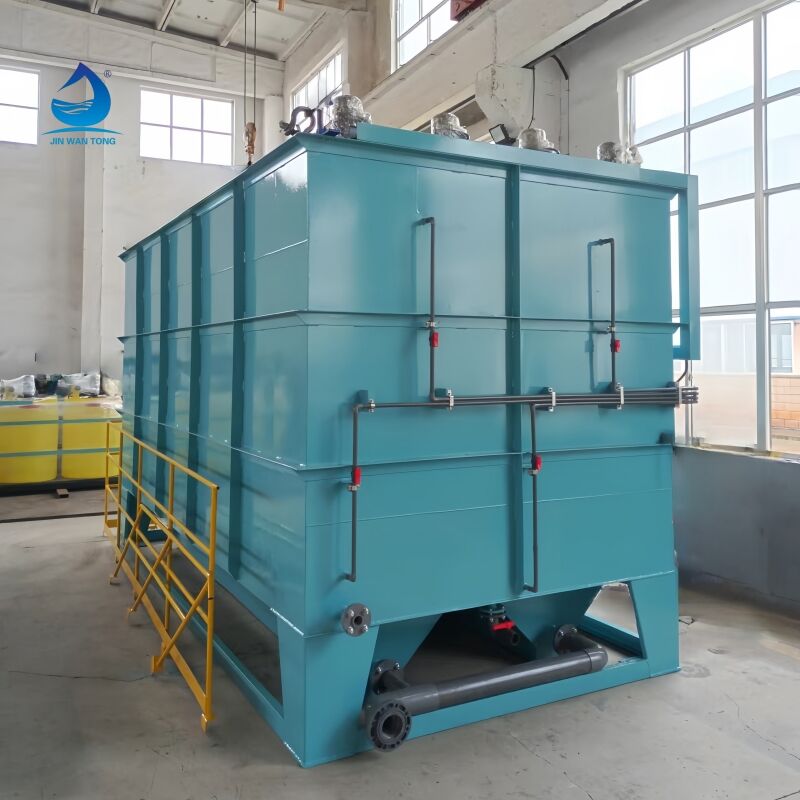
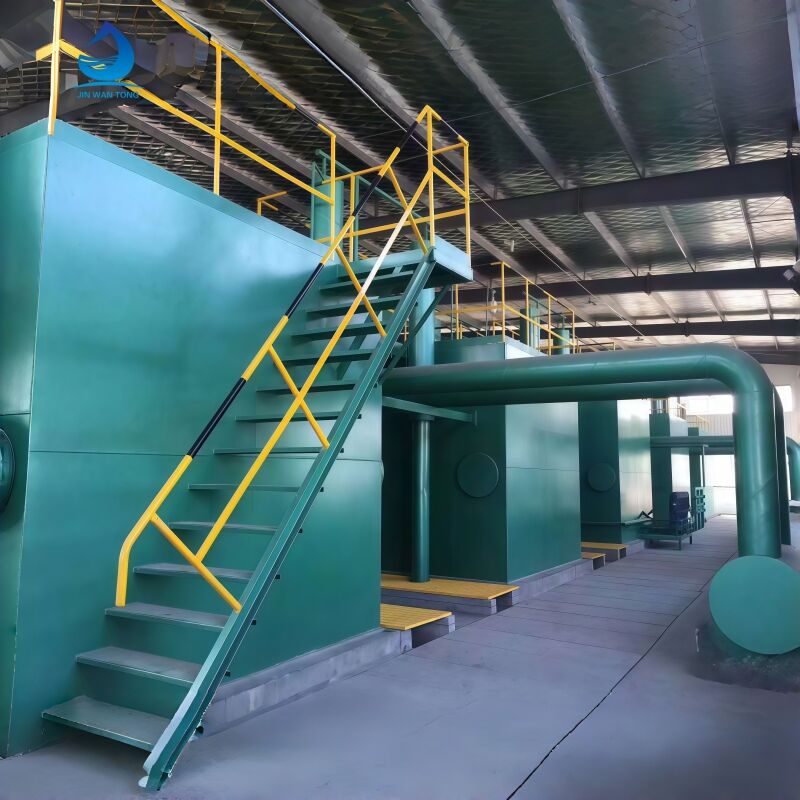
The remarkable versatility of clarifier wastewater treatment systems enables successful implementation across an extensive range of applications, from small-scale industrial operations to large municipal treatment facilities, demonstrating exceptional adaptability to diverse operational requirements and treatment objectives. This flexibility stems from the fundamental design principles that remain effective regardless of facility size, influent characteristics, or specific treatment goals, making clarifier wastewater treatment suitable for virtually any application requiring solid-liquid separation. Municipal treatment facilities benefit from the scalable nature of clarifier designs, accommodating daily flow variations, seasonal population changes, and long-term growth projections through adjustable operational parameters and expandable configurations. Industrial applications spanning food processing, petrochemical, pharmaceutical, textile, and manufacturing operations successfully employ clarifier wastewater treatment systems to address specific contaminant removal requirements while meeting stringent discharge regulations. The technology demonstrates exceptional performance handling various wastewater characteristics including high suspended solids concentrations, oil and grease contamination, biological solids from activated sludge processes, and specialized industrial contaminants requiring physical separation. Design flexibility allows clarifier wastewater treatment systems to operate as standalone treatment units or integrate seamlessly with comprehensive treatment trains, providing operators with multiple configuration options to optimize overall treatment performance. The systems accommodate both continuous and batch operational modes, enabling facilities to adjust treatment schedules based on production requirements, maintenance needs, or regulatory compliance schedules without compromising treatment effectiveness. Temperature variations, pH fluctuations, and chemical composition changes in influent streams rarely affect clarifier performance significantly, providing operational stability across diverse industrial processes and seasonal variations. The clarifier wastewater treatment technology successfully handles both primary and secondary treatment applications, serving as an effective pretreatment stage for downstream processes or as a polishing step for final effluent quality improvement. Retrofit applications benefit from the adaptable design characteristics that enable integration with existing treatment infrastructure without requiring extensive facility modifications or operational disruptions. The systems demonstrate compatibility with various automation levels, from basic manual operation to sophisticated computer-controlled systems with remote monitoring capabilities, allowing facilities to select control complexity based on operational preferences and budget constraints. Geographic and climatic variations rarely impact clarifier wastewater treatment performance, as the technology operates effectively in tropical, temperate, and cold climate conditions with appropriate design considerations for local environmental factors.
 EN
EN