Advanced Wastewater Process Equipment Solutions - Efficient Treatment Technology

All Categories

Get a Free Quote

Our representative will contact you soon.
Email
Name
Company Name
Message
0/1000

wastewater process equipment

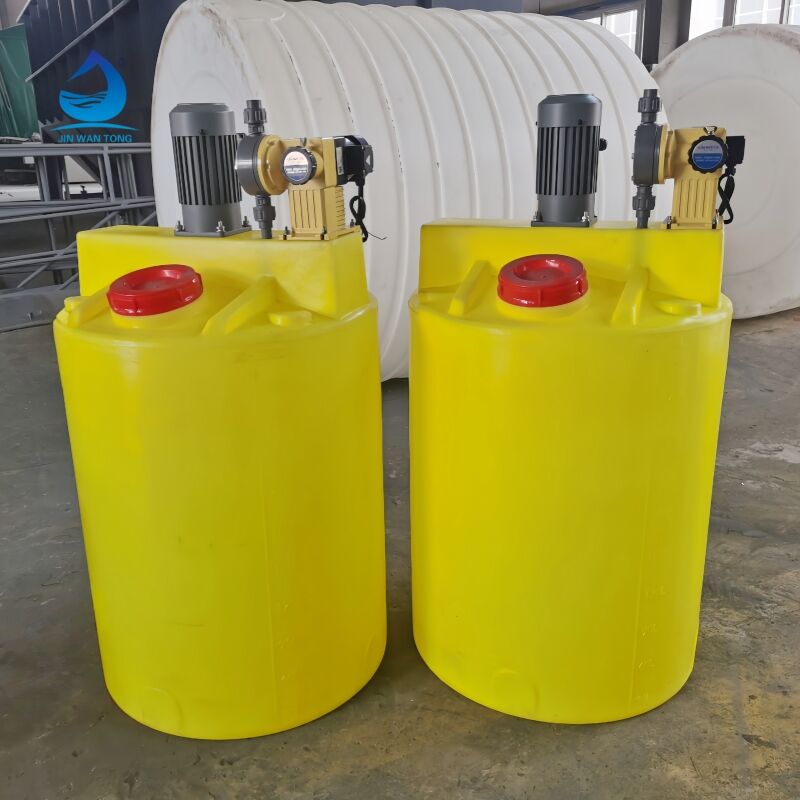
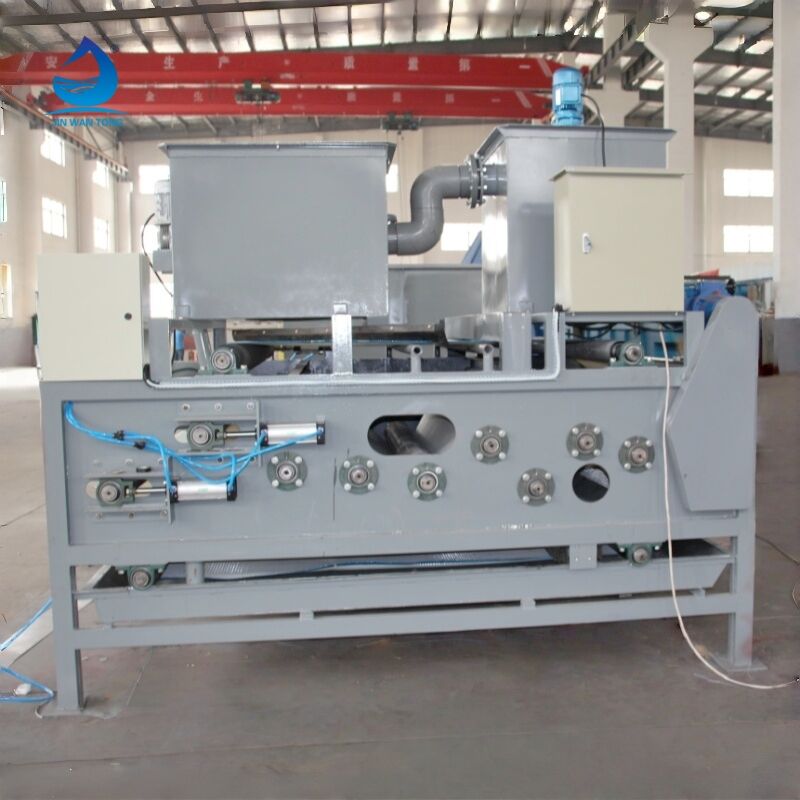
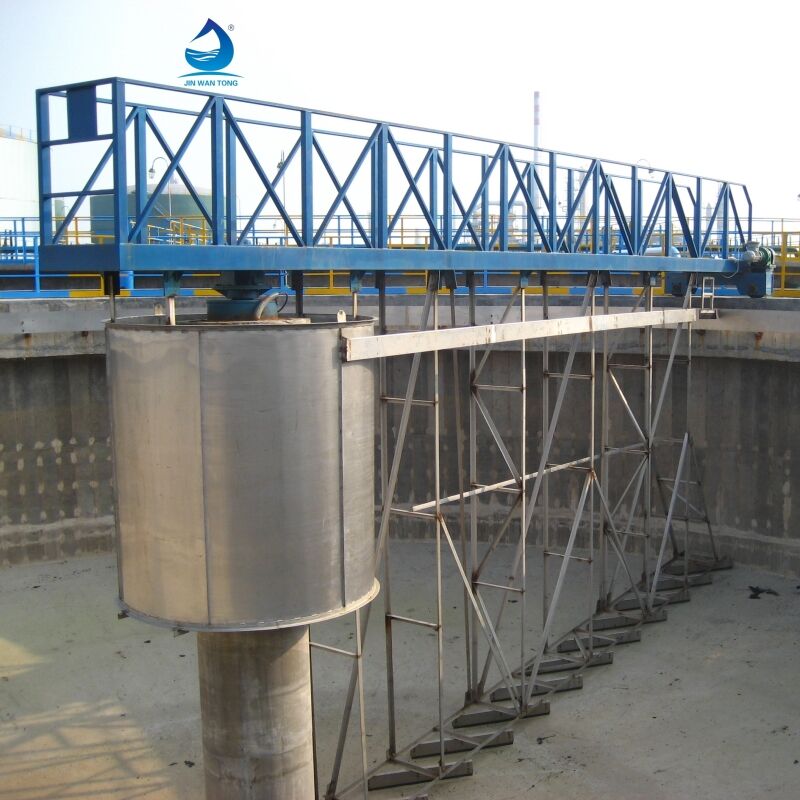
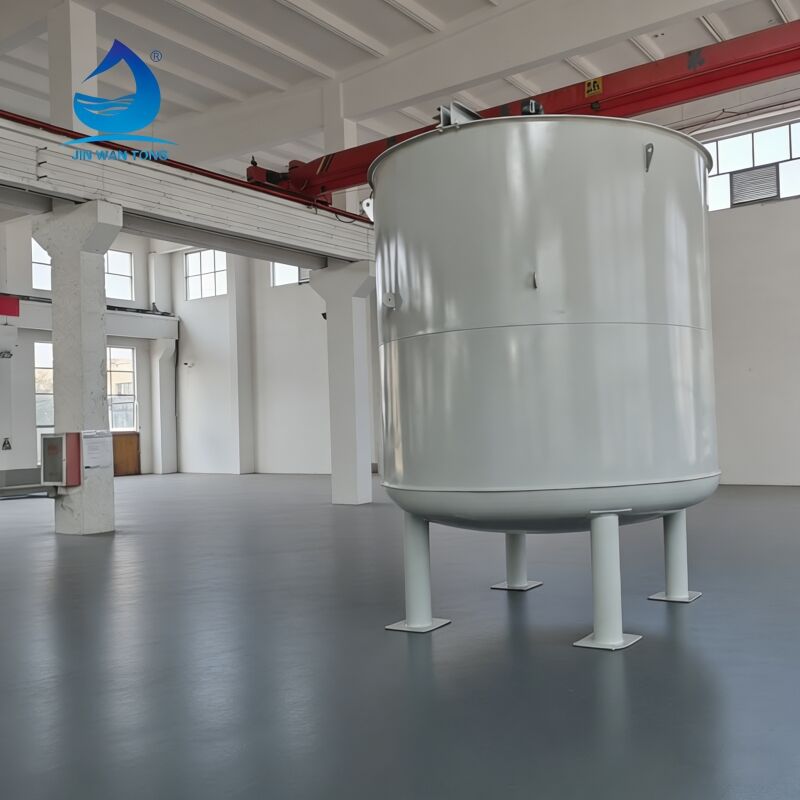
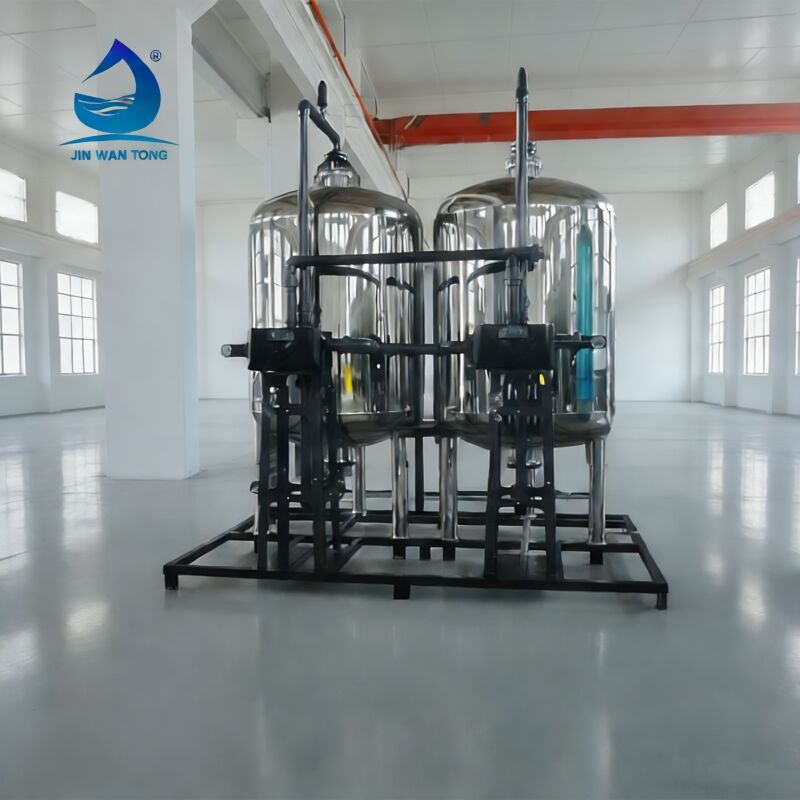
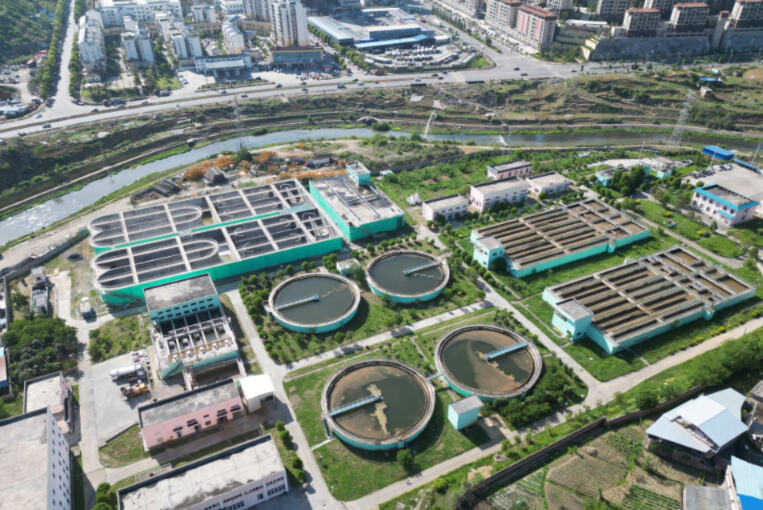
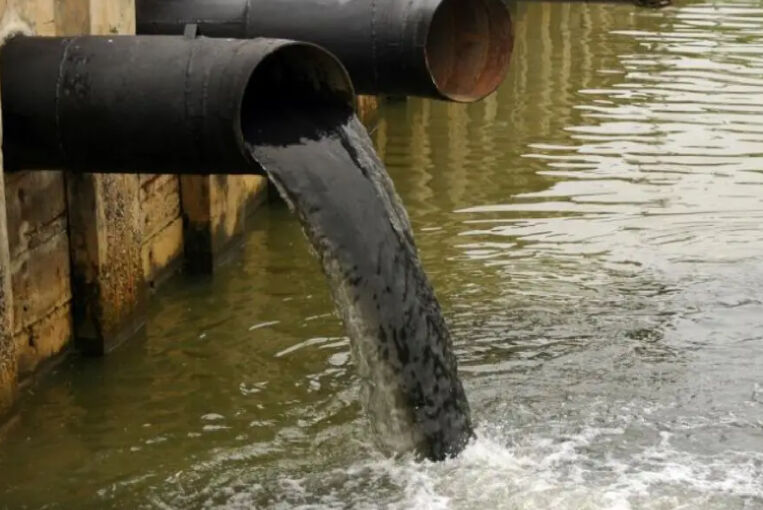
Wastewater process equipment represents a comprehensive suite of mechanical systems designed to treat contaminated water from industrial, municipal, and commercial sources. This sophisticated wastewater process equipment encompasses various technologies including biological treatment systems, chemical precipitation units, filtration mechanisms, and advanced oxidation processes. The primary function of wastewater process equipment involves removing pollutants, organic matter, suspended solids, and harmful chemicals to produce clean water suitable for discharge or reuse. Modern wastewater process equipment incorporates cutting-edge automation technologies, real-time monitoring systems, and energy-efficient components that optimize treatment performance while minimizing operational costs. These systems typically feature modular designs that allow for scalable implementation based on specific treatment requirements and facility capacities. The technological features of contemporary wastewater process equipment include programmable logic controllers, variable frequency drives, and sophisticated sensor networks that continuously monitor water quality parameters such as pH levels, dissolved oxygen, turbidity, and chemical oxygen demand. Applications for wastewater process equipment span across numerous industries including manufacturing, food processing, pharmaceuticals, petrochemicals, and municipal treatment facilities. The equipment handles diverse wastewater streams containing varying concentrations of contaminants, from lightly polluted domestic sewage to heavily contaminated industrial effluents. Advanced wastewater process equipment utilizes membrane bioreactors, sequencing batch reactors, and moving bed biofilm reactors to achieve superior treatment efficiency. These systems integrate physical, chemical, and biological treatment processes to ensure comprehensive pollutant removal. The equipment also incorporates sludge handling capabilities, including thickening, dewatering, and stabilization processes that manage solid waste byproducts effectively. Modern wastewater process equipment emphasizes environmental compliance, helping facilities meet stringent discharge standards while supporting sustainability initiatives through water recovery and resource conservation practices.
New Product Recommendations

Wastewater process equipment delivers substantial cost savings through efficient resource management and reduced operational expenses. These systems significantly lower water procurement costs by enabling facilities to recycle and reuse treated water for various applications including cooling, irrigation, and industrial processes. The equipment reduces discharge fees and penalties by ensuring consistent compliance with environmental regulations, protecting businesses from costly violations. Energy-efficient wastewater process equipment incorporates advanced motor technologies and optimized process controls that minimize power consumption compared to traditional treatment methods. Automated operation capabilities reduce labor requirements and eliminate human error, resulting in consistent treatment performance and lower staffing costs. The equipment prevents expensive equipment damage and downtime by removing corrosive substances and scaling agents from water systems. Modern wastewater process equipment extends the lifespan of downstream equipment and infrastructure by providing high-quality treated water that reduces maintenance requirements. These systems offer flexible treatment capacities that adapt to varying flow rates and contamination levels, ensuring optimal performance during peak and low-demand periods. The equipment provides rapid return on investment through reduced water bills, lower waste disposal costs, and improved operational efficiency. Compact designs maximize space utilization, making wastewater process equipment suitable for facilities with limited installation areas. The systems require minimal chemical additives compared to conventional treatment methods, reducing ongoing operational expenses and chemical storage requirements. Advanced monitoring capabilities enable predictive maintenance strategies that prevent costly breakdowns and extend equipment service life. Wastewater process equipment supports regulatory compliance by providing detailed treatment data and documentation required for environmental reporting. The equipment enhances corporate sustainability profiles, supporting green initiatives and environmental stewardship goals that improve brand reputation and customer relationships. These systems generate measurable environmental benefits including reduced water consumption, decreased pollution discharge, and conservation of natural resources. The equipment provides scalable solutions that grow with business expansion, eliminating the need for complete system replacements as treatment requirements increase.

Practical Tips

Overview of the Agricultural Wastewater Treatment Market

17

Dec

Overview of the Agricultural Wastewater Treatment Market

View More
Global Real-Time Wastewater Treatment Update

17

Dec

Global Real-Time Wastewater Treatment Update

View More
Navigating the Waters: The Role of an Industrial Wastewater Treatment Plant

17

Dec

Navigating the Waters: The Role of an Industrial Wastewater Treatment Plant

View More

Get a Free Quote

Our representative will contact you soon.
Email
Name
Company Name
Message
0/1000

wastewater process equipment

Advanced Biological Treatment Technology

Advanced Biological Treatment Technology

The biological treatment capabilities of wastewater process equipment represent a revolutionary approach to contaminant removal that harnesses natural microbial processes for superior treatment efficiency. This advanced wastewater process equipment utilizes specially cultivated microorganisms that consume organic pollutants, converting harmful substances into harmless byproducts through controlled biological reactions. The system maintains optimal environmental conditions including precise temperature control, dissolved oxygen levels, and nutrient balance to maximize microbial activity and treatment performance. This biological wastewater process equipment features sophisticated aeration systems that provide consistent oxygen distribution throughout treatment chambers, ensuring complete pollutant breakdown and preventing anaerobic conditions that could compromise treatment quality. The technology incorporates multiple biological treatment stages including activated sludge processes, trickling filters, and biofilm reactors that target different types of contaminants for comprehensive purification. Advanced monitoring systems continuously track biological indicators and automatically adjust operating parameters to maintain peak microbial performance. The equipment handles fluctuating contaminant loads and seasonal variations while maintaining consistent treatment standards. This biological wastewater process equipment requires minimal chemical additives, relying primarily on natural biological processes that reduce operational costs and environmental impact. The system produces high-quality effluent suitable for various reuse applications including irrigation, cooling water, and industrial processes. Sludge production is minimized through efficient biological conversion, reducing waste disposal requirements and associated costs. The equipment operates quietly with minimal odor generation, making it suitable for installations in populated areas. Long-term operational stability ensures reliable performance with minimal maintenance requirements, while the biological treatment process naturally adapts to changing wastewater characteristics over time.
Intelligent Automation and Control Systems

Intelligent Automation and Control Systems

The intelligent automation capabilities of modern wastewater process equipment deliver unprecedented operational efficiency through sophisticated control systems that optimize treatment performance while minimizing human intervention. This automated wastewater process equipment incorporates advanced programmable logic controllers and human-machine interfaces that provide comprehensive system monitoring and control from centralized command centers. The automation system continuously analyzes multiple water quality parameters including pH, conductivity, turbidity, and chemical concentrations to make real-time adjustments that maintain optimal treatment conditions. Smart sensors throughout the wastewater process equipment provide instant feedback on system performance, detecting potential issues before they impact treatment quality or cause equipment damage. The control system features predictive analytics capabilities that anticipate maintenance requirements and operational adjustments based on historical data and current operating conditions. Remote monitoring capabilities allow operators to oversee multiple treatment facilities from single locations, reducing staffing requirements while improving response times to operational changes. The automated wastewater process equipment includes fail-safe mechanisms and redundant systems that ensure continuous operation even during component failures or power interruptions. Customizable alarm systems provide immediate notification of abnormal conditions, enabling rapid corrective actions that prevent system disruptions. The automation platform stores comprehensive operational data that supports regulatory reporting requirements and performance optimization initiatives. Energy management features automatically adjust pump speeds, aeration rates, and chemical dosing based on current treatment demands, significantly reducing operational costs. The system provides detailed cost tracking and performance metrics that enable data-driven decision making for facility management. User-friendly interfaces require minimal training while providing powerful analytical tools for process optimization. The intelligent automation features of this wastewater process equipment support continuous improvement through machine learning algorithms that refine treatment strategies based on operational experience and changing conditions.
Modular Design and Scalability Features

Modular Design and Scalability Features

The modular design philosophy of contemporary wastewater process equipment provides unmatched flexibility and scalability that adapts to changing treatment requirements and facility expansion plans. This modular wastewater process equipment features standardized components that integrate seamlessly to create customized treatment solutions for specific applications and capacity requirements. The design allows for phased implementation that spreads capital investment over time while providing immediate treatment capabilities for current needs. Individual treatment modules can be added, removed, or reconfigured without disrupting existing operations, ensuring continuous service during system modifications. This scalable wastewater process equipment accommodates flow rate variations from small-scale applications handling hundreds of gallons per day to large municipal systems processing millions of gallons daily. The modular approach reduces installation time and complexity by utilizing pre-engineered components that require minimal site preparation and construction work. Standardized connections and interfaces between modules simplify maintenance and component replacement, reducing downtime and service costs. The design philosophy enables treatment process customization through different module combinations that target specific contaminants or achieve particular effluent quality standards. Compact module footprints maximize space efficiency, allowing installations in constrained areas where traditional treatment systems would not fit. The modular wastewater process equipment supports future technology upgrades through component replacement rather than complete system overhauls, protecting long-term investment value. Transportation and installation costs are minimized through factory pre-assembly of modules that arrive ready for connection and startup. Quality control is enhanced through standardized manufacturing processes and comprehensive testing of individual modules before shipment. The modular design facilitates redundancy planning where critical treatment functions can be duplicated to ensure continuous operation during maintenance or unexpected failures. This approach provides cost-effective solutions for temporary treatment needs or pilot testing of new treatment technologies before full-scale implementation.
Advanced Wastewater Process Equipment Solutions - Efficient Treatment Technology

Get a Free Quote

Our representative will contact you soon.
Email
Name
Company Name
Message
0/1000