Flexible Integration and Scalability for Future Growth
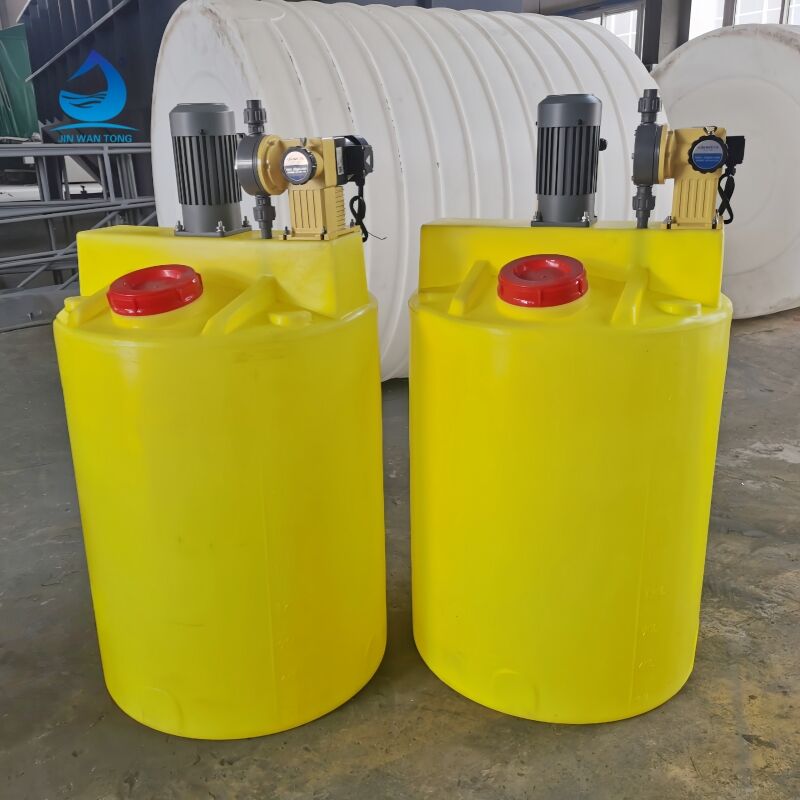
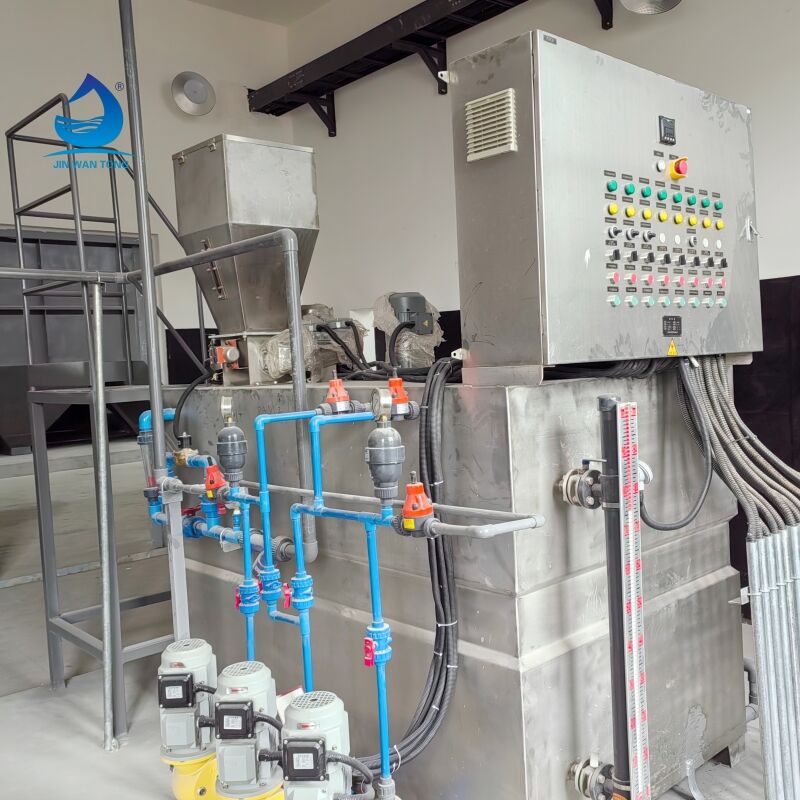
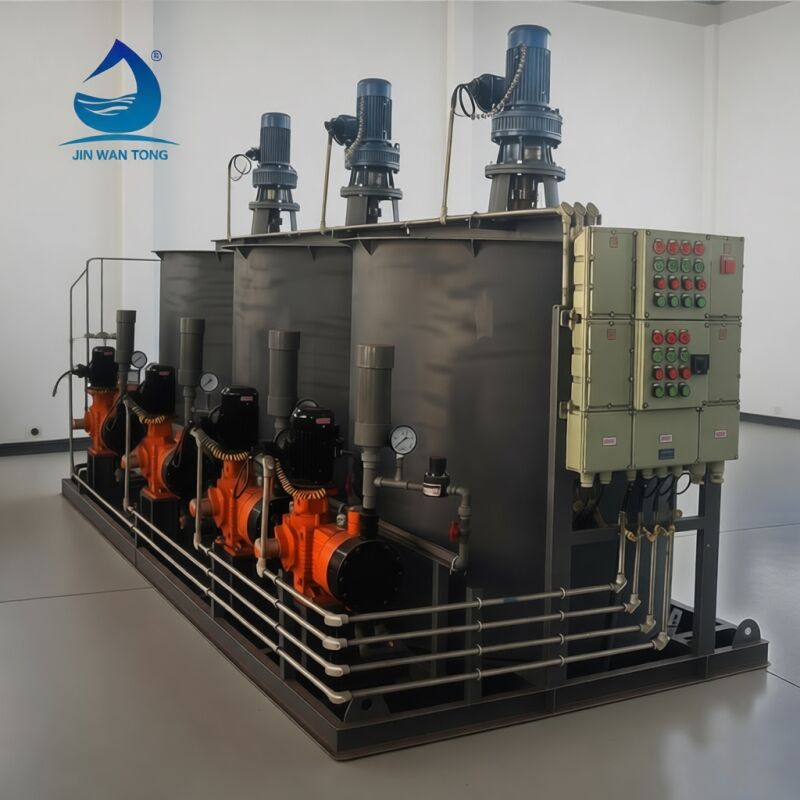
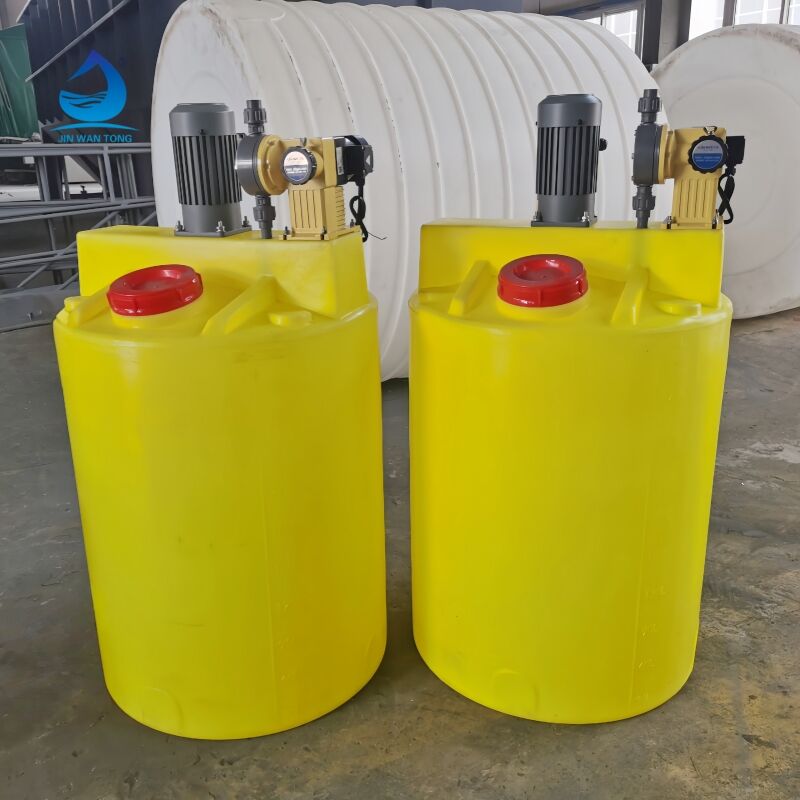
The chemical dosing system water treatment offers exceptional flexibility and scalability features that accommodate evolving operational requirements and facilitate seamless integration with existing water treatment infrastructure. Modular architecture forms the core of this adaptability, allowing facilities to implement chemical dosing system water treatment solutions in phases while maintaining full operational capability throughout the installation process. The system design supports multiple communication protocols including Ethernet, Modbus, and wireless technologies, enabling integration with existing supervisory control and data acquisition systems, building management systems, and enterprise resource planning platforms for comprehensive facility management. Scalability features within the chemical dosing system water treatment allow for easy expansion of treatment capacity through the addition of parallel dosing units, upgraded pumping systems, or enhanced control capabilities without requiring complete system replacement or extensive downtime. The flexible configuration options accommodate diverse chemical types and dosing requirements, from simple single-chemical applications to complex multi-chemical treatment protocols involving sequential dosing, proportional mixing, and coordinated chemical addition strategies. Pre-engineered interfaces facilitate connection with various water treatment technologies including filtration systems, membrane processes, and disinfection equipment, creating integrated treatment trains that optimize overall system performance. The chemical dosing system water treatment supports both centralized and distributed control architectures, allowing facilities to choose management approaches that best fit their operational preferences and staffing models. Future technology integration capabilities ensure compatibility with emerging water treatment innovations and digital transformation initiatives, protecting long-term investment value while enabling adoption of advanced analytics and artificial intelligence tools. Standardized component interfaces within the chemical dosing system water treatment simplify maintenance operations and reduce spare parts inventory requirements, while modular pump designs allow for easy replacement or upgrade of individual system elements without affecting overall operation. The system accommodates varying facility layouts through flexible piping configurations, compact footprint options, and outdoor-rated enclosures that adapt to space constraints and environmental conditions. Expansion planning tools integrated into the control system provide guidance for capacity increases and system modifications, ensuring optimal performance as treatment demands evolve over time.
 EN
EN