Advanced Dosing Equipment for Water Plants - Precision Chemical Control Solutions

All Categories

Get a Free Quote

Our representative will contact you soon.
Email
Name
Company Name
Message
0/1000

dosing equipment for water plants

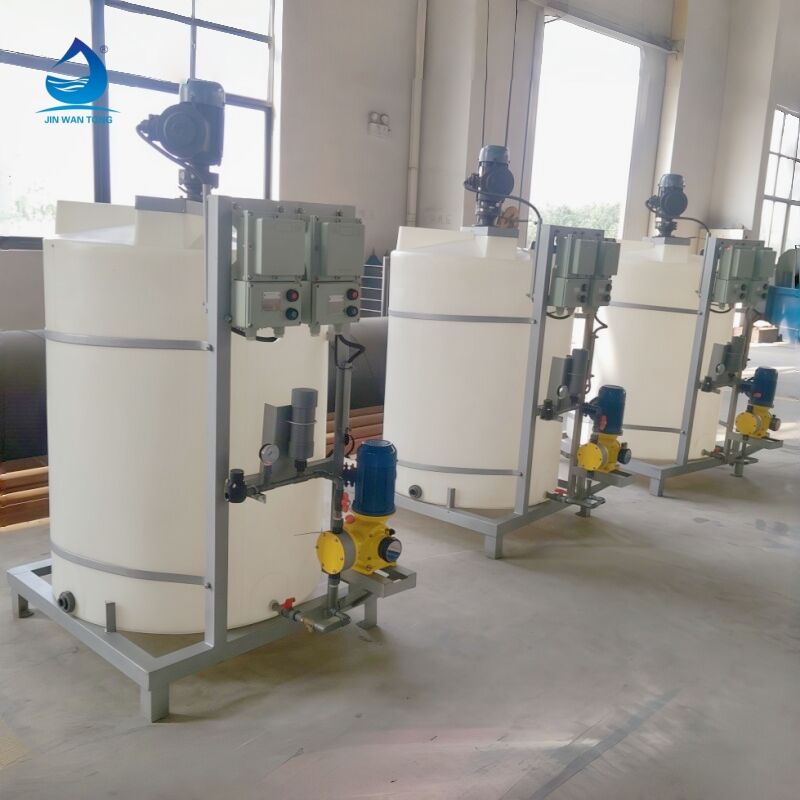
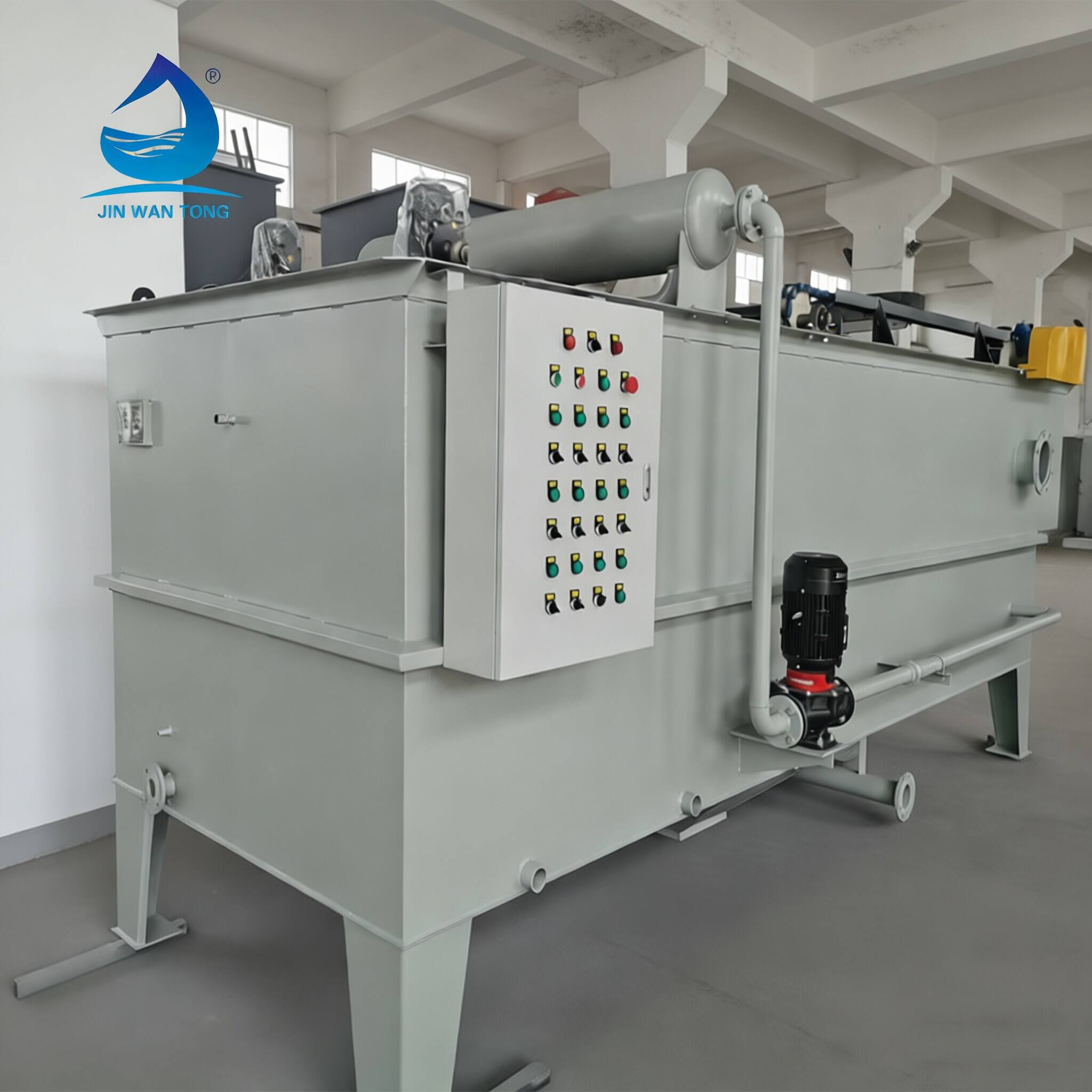
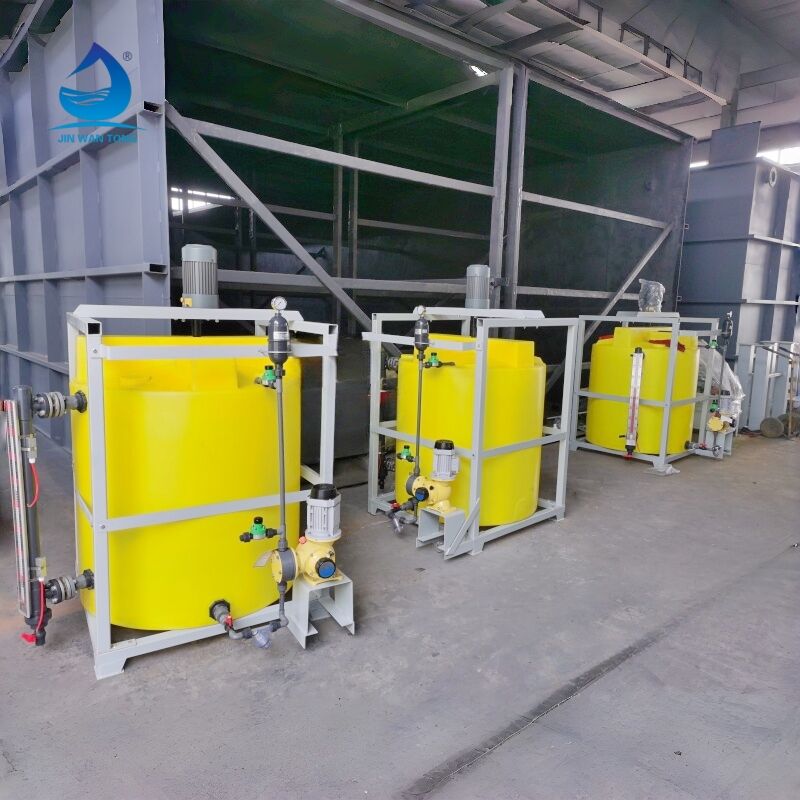
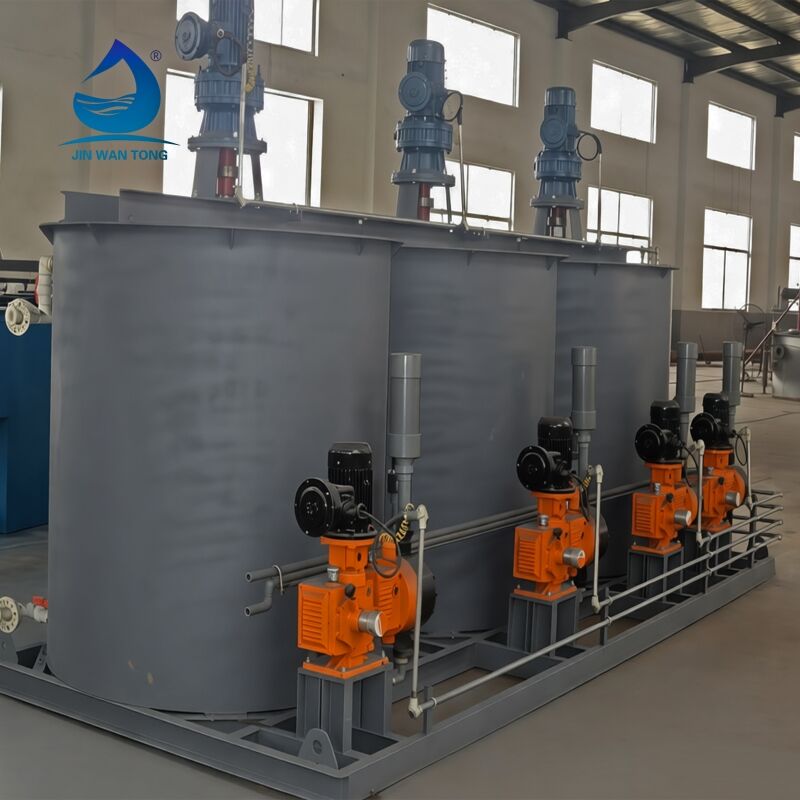
Dosing equipment for water plants represents a critical component in modern water treatment infrastructure, designed to accurately introduce precise amounts of chemical additives into water systems. This sophisticated technology ensures optimal water quality by maintaining proper chemical balance through automated or manual injection processes. The primary function of dosing equipment for water plants centers on the controlled addition of treatment chemicals such as chlorine, coagulants, pH adjusters, and corrosion inhibitors. These systems operate through various mechanisms including peristaltic pumps, diaphragm pumps, and electromagnetic dosing units that deliver chemicals with exceptional accuracy. Advanced dosing equipment for water plants incorporates intelligent control systems that monitor water parameters in real-time, automatically adjusting chemical injection rates based on flow conditions, water quality measurements, and predetermined treatment protocols. The technological features of modern dosing systems include digital displays, programmable logic controllers, flow-proportional dosing capabilities, and remote monitoring interfaces. These units are constructed from corrosion-resistant materials like stainless steel and specialized polymers to withstand harsh chemical environments. Many systems feature multiple dosing points, allowing simultaneous treatment of different water streams or sequential chemical addition processes. The equipment typically includes safety mechanisms such as leak detection sensors, overpressure protection, and emergency shutdown capabilities. Applications span across municipal water treatment facilities, industrial processing plants, cooling tower systems, swimming pool maintenance, and wastewater treatment operations. Dosing equipment for water plants serves industries including food and beverage processing, pharmaceutical manufacturing, power generation, and petrochemical production. The versatility of these systems makes them suitable for both large-scale municipal installations and smaller commercial applications, providing reliable chemical dosing solutions that meet stringent water quality standards and regulatory compliance requirements while maintaining cost-effective operation throughout their service life.
New Products

The implementation of dosing equipment for water plants delivers substantial operational benefits that directly impact facility efficiency and water quality management. These systems provide precise chemical control that eliminates guesswork and reduces waste, ensuring optimal treatment results while minimizing chemical consumption costs. Automated dosing capabilities significantly reduce manual labor requirements, allowing plant operators to focus on other critical tasks while maintaining consistent water treatment protocols. The reliability of modern dosing equipment for water plants translates into reduced maintenance downtime and extended equipment lifespan, providing excellent return on investment through decreased operational disruptions. These systems enhance safety conditions by minimizing direct human contact with potentially hazardous chemicals through automated handling and injection processes. The accuracy of dosing equipment ensures compliance with environmental regulations and water quality standards, protecting facilities from costly penalties and maintaining public health standards. Real-time monitoring capabilities enable immediate response to changing water conditions, preventing quality issues before they impact downstream processes or end users. Energy efficiency represents another significant advantage, as modern dosing equipment for water plants utilizes advanced pump technologies that consume minimal power while delivering maximum performance. The modular design of contemporary systems allows for easy expansion and modification as treatment requirements evolve, providing long-term flexibility without complete system replacement. Integration capabilities with existing plant control systems streamline operations and provide comprehensive data logging for regulatory reporting and process optimization. The durability of quality dosing equipment reduces replacement costs and ensures consistent performance across varying environmental conditions. These systems offer superior chemical mixing and distribution compared to manual methods, resulting in more effective treatment outcomes and improved water quality consistency. Cost savings extend beyond initial chemical reduction to include decreased labor costs, reduced equipment maintenance, and improved overall plant efficiency. The scalability of dosing equipment for water plants allows facilities to optimize chemical usage based on actual demand rather than estimates, further reducing operational expenses while maintaining treatment effectiveness. Remote monitoring and control capabilities enable operators to manage multiple treatment points from centralized locations, improving response times and operational oversight.

Latest News

Overview of the Agricultural Wastewater Treatment Market

17

Dec

Overview of the Agricultural Wastewater Treatment Market

View More
Global Real-Time Wastewater Treatment Update

17

Dec

Global Real-Time Wastewater Treatment Update

View More
Navigating the Waters: The Role of an Industrial Wastewater Treatment Plant

17

Dec

Navigating the Waters: The Role of an Industrial Wastewater Treatment Plant

View More

Get a Free Quote

Our representative will contact you soon.
Email
Name
Company Name
Message
0/1000

dosing equipment for water plants

Precision Chemical Control Technology

Precision Chemical Control Technology

The cornerstone advantage of modern dosing equipment for water plants lies in its exceptional precision chemical control technology, which revolutionizes how treatment facilities manage water quality. This advanced technology employs sophisticated sensors and control algorithms that continuously monitor water parameters such as pH levels, chlorine residuals, turbidity, and flow rates, automatically adjusting chemical injection rates to maintain optimal treatment conditions. The precision control system eliminates human error and inconsistencies associated with manual dosing methods, ensuring that chemical additions remain within tight tolerance ranges regardless of varying water conditions or operator experience levels. This technology incorporates feedback loops that compare actual water quality measurements against predetermined setpoints, making instantaneous adjustments to maintain consistent treatment effectiveness. The system's ability to respond to rapid changes in water quality or flow conditions prevents under-treatment scenarios that could compromise public health or over-treatment situations that waste expensive chemicals and potentially harm water quality. Advanced dosing equipment for water plants utilizes variable speed drives and precise metering pumps that can adjust output in increments as small as 0.1 percent, providing unmatched accuracy in chemical delivery. The integration of multiple sensor inputs allows the system to account for complex interactions between different treatment chemicals, optimizing the overall treatment process rather than simply controlling individual chemical additions in isolation. This precision extends to the timing of chemical additions, ensuring proper contact time and mixing before subsequent treatment steps. The technology includes sophisticated calibration protocols that maintain accuracy over extended periods, reducing maintenance requirements and ensuring consistent performance throughout the equipment's operational life. Data logging capabilities provide detailed records of chemical usage and system performance, enabling operators to identify trends, optimize treatment protocols, and demonstrate regulatory compliance. The precision control technology also includes predictive algorithms that anticipate treatment needs based on historical data and current conditions, proactively adjusting chemical dosing to prevent water quality excursions before they occur.
Automated Safety and Monitoring Systems

Automated Safety and Monitoring Systems

Modern dosing equipment for water plants incorporates comprehensive automated safety and monitoring systems that protect both personnel and equipment while ensuring uninterrupted treatment operations. These sophisticated safety systems continuously monitor critical parameters such as chemical tank levels, pump pressures, flow rates, and system integrity, providing immediate alerts when conditions deviate from normal operating ranges. The automated monitoring capabilities include leak detection systems that use advanced sensors to identify chemical spills or equipment failures before they become serious problems, triggering immediate shutdown procedures and notification systems to prevent environmental damage or safety hazards. Emergency shutdown protocols automatically activate when dangerous conditions are detected, isolating affected equipment and preventing the spread of chemical releases or system damage. The safety systems incorporate redundant monitoring circuits that continue operating even if primary sensors fail, ensuring continuous protection under all circumstances. Advanced dosing equipment for water plants features intelligent alarm management systems that prioritize alerts based on severity and provide clear guidance for appropriate response actions, reducing operator confusion during emergency situations. The monitoring systems include predictive maintenance capabilities that analyze equipment performance data to identify potential problems before they cause failures, scheduling maintenance activities during planned downtime rather than responding to unexpected breakdowns. Remote monitoring capabilities allow safety supervisors and maintenance personnel to oversee operations from multiple locations, providing rapid response to any issues that arise outside normal working hours. The systems maintain detailed logs of all safety events, equipment performance, and maintenance activities, supporting regulatory compliance and providing valuable data for continuous improvement initiatives. Chemical compatibility monitoring ensures that different treatment chemicals are properly isolated and prevents dangerous chemical reactions that could harm equipment or personnel. The automated safety systems include environmental monitoring that tracks air quality around dosing equipment, protecting workers from exposure to chemical vapors or gases that might escape during normal operations or maintenance procedures. These comprehensive safety and monitoring systems significantly reduce insurance costs and liability risks while demonstrating commitment to worker safety and environmental protection.
Cost-Effective Chemical Management Solutions

Cost-Effective Chemical Management Solutions

The implementation of advanced dosing equipment for water plants delivers exceptional cost-effective chemical management solutions that significantly reduce operational expenses while improving treatment outcomes. These systems optimize chemical usage through precise control algorithms that calculate exact chemical requirements based on real-time water quality measurements and flow conditions, eliminating the waste associated with over-dosing and ensuring adequate treatment without excess chemical consumption. The economic benefits extend beyond simple chemical savings to include reduced labor costs, as automated systems require minimal operator intervention compared to manual dosing methods that demand constant attention and adjustment. Energy efficiency represents a major cost advantage, with modern dosing equipment utilizing advanced pump technologies and variable frequency drives that consume significantly less power than older systems while delivering superior performance. The reliability of quality dosing equipment reduces maintenance costs through extended service intervals and decreased component replacement requirements, while robust construction materials resist corrosion and wear that plague inferior systems. These cost-effective solutions include bulk chemical handling capabilities that allow facilities to purchase treatment chemicals in larger quantities at reduced unit costs, with automated inventory management systems that optimize ordering schedules and prevent costly chemical shortages or excessive inventory carrying costs. The precision of modern dosing equipment for water plants enables facilities to operate closer to minimum required chemical residuals, reducing chemical consumption while maintaining regulatory compliance and treatment effectiveness. Integration with existing plant control systems eliminates the need for separate monitoring equipment and reduces installation costs while providing comprehensive operational oversight. The modular design of contemporary dosing systems allows phased implementation and expansion, spreading capital costs over time while providing immediate benefits from installed components. Preventive maintenance programs supported by automated monitoring systems reduce emergency repair costs and extend equipment life, providing superior return on investment compared to reactive maintenance approaches. The systems include advanced reporting capabilities that identify optimization opportunities and track cost savings, enabling continuous improvement in chemical management efficiency. Remote monitoring and control capabilities reduce travel costs and response times for multi-site operations, while automated data collection eliminates manual record-keeping expenses and ensures accurate regulatory reporting without additional labor costs.
Advanced Dosing Equipment for Water Plants - Precision Chemical Control Solutions

Get a Free Quote

Our representative will contact you soon.
Email
Name
Company Name
Message
0/1000