Leading Dosing System Manufacturer - Precision Equipment Solutions for Industrial Applications

All Categories

Get a Free Quote

Our representative will contact you soon.
Email
Name
Company Name
Message
0/1000

dosing system manufacturer

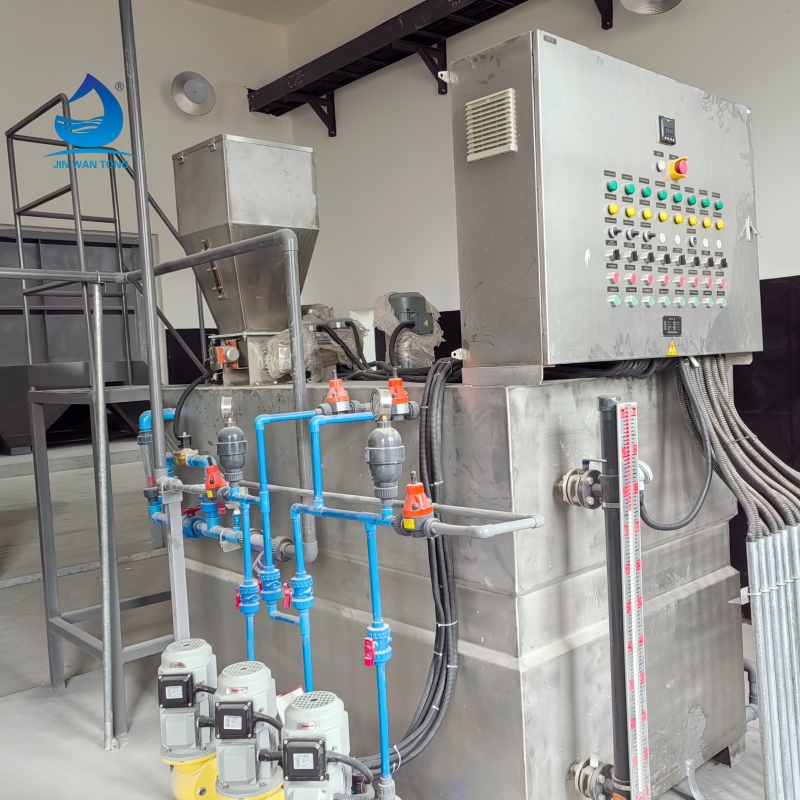
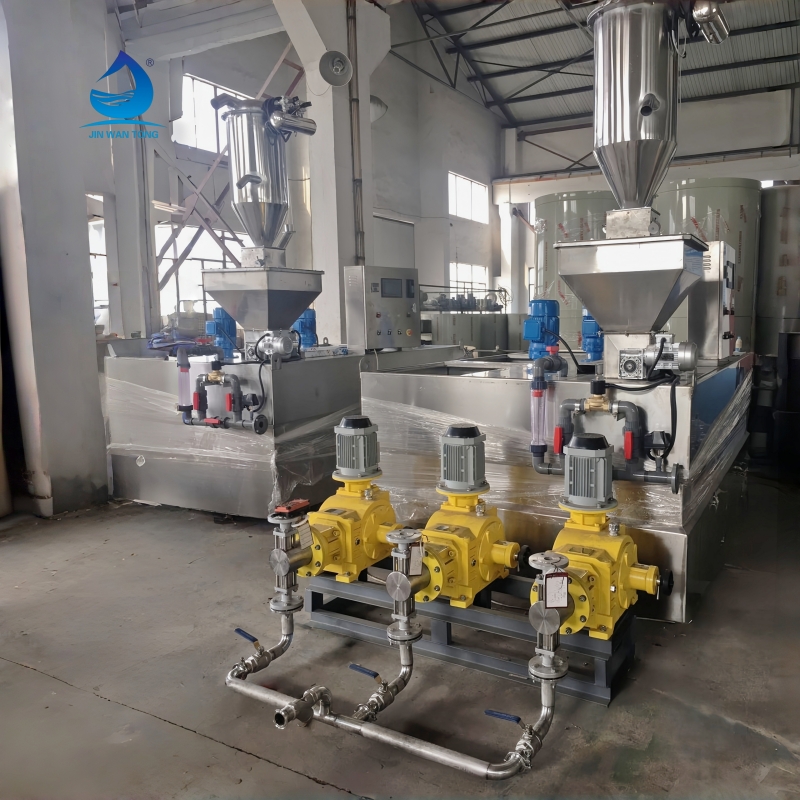
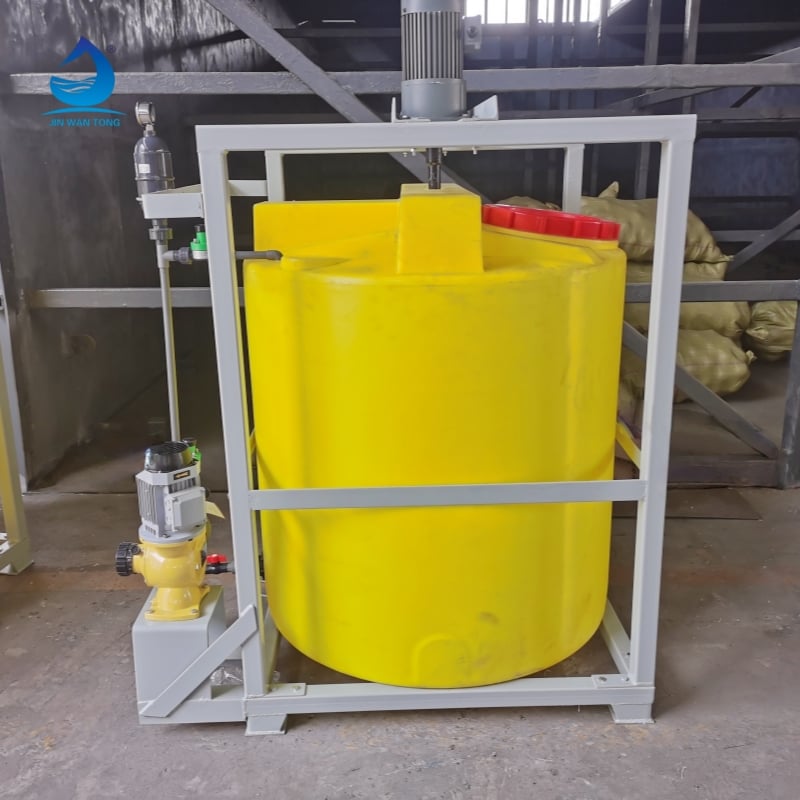
A dosing system manufacturer represents a specialized industrial company that designs, develops, and produces precision equipment for accurate material dispensing across diverse industries. These manufacturers create sophisticated systems that deliver exact quantities of liquids, powders, pastes, and other materials with exceptional accuracy and reliability. The primary function of a dosing system manufacturer revolves around engineering solutions that ensure consistent product quality while optimizing production efficiency. Modern dosing system manufacturers integrate advanced technologies including programmable logic controllers, servo motors, precision pumps, and digital sensors to achieve microliter to liter-level accuracy. Their technological features encompass automated control systems, real-time monitoring capabilities, data logging functions, and seamless integration with existing production lines. These manufacturers typically offer modular designs that allow customization based on specific application requirements, material properties, and production volumes. The applications for dosing systems span numerous industries including pharmaceuticals, food and beverage production, chemical processing, automotive manufacturing, cosmetics, paint formulation, and water treatment facilities. In pharmaceutical applications, dosing system manufacturers provide equipment that meets strict regulatory standards for drug formulation and packaging processes. Food industry applications include flavor dosing, additive incorporation, and beverage formulation systems that maintain consistency and comply with safety regulations. Chemical processing facilities rely on dosing system manufacturers for precise catalyst addition, pH adjustment, and chemical reaction control. The automotive sector utilizes these systems for adhesive application, paint mixing, and fluid management in assembly processes. Advanced dosing system manufacturers incorporate Industry 4.0 technologies, enabling remote monitoring, predictive maintenance, and data-driven optimization. Their systems often feature touchscreen interfaces, recipe management capabilities, and network connectivity for seamless integration into smart manufacturing environments. Quality assurance remains paramount for reputable dosing system manufacturers, with many maintaining ISO certifications and implementing rigorous testing protocols to ensure equipment reliability and performance consistency.

New Product Recommendations

Dosing system manufacturers provide numerous practical benefits that directly impact operational efficiency and product quality for businesses across various industries. The most significant advantage lies in achieving unprecedented accuracy and consistency in material dispensing, which eliminates waste and ensures uniform product quality. This precision translates to substantial cost savings by reducing material consumption and minimizing product variations that could lead to rejections or rework. Modern dosing system manufacturers design equipment that automates previously manual processes, reducing labor costs and eliminating human error while increasing production speed. These systems operate continuously with minimal supervision, allowing staff to focus on higher-value tasks and improving overall workplace productivity. The flexibility offered by contemporary dosing system manufacturers enables businesses to handle multiple products and formulations using the same equipment, maximizing capital investment returns. Quick changeover capabilities allow manufacturers to switch between different materials or recipes rapidly, supporting lean manufacturing principles and just-in-time production strategies. Dosing system manufacturers prioritize user-friendly interfaces that require minimal training, reducing implementation time and enabling operators to master equipment operation quickly. The integration capabilities provided by leading dosing system manufacturers allow seamless connection with existing production management systems, quality control databases, and enterprise resource planning platforms. This connectivity enables real-time data collection, trend analysis, and performance optimization that supports data-driven decision making. Maintenance advantages include predictive maintenance features that alert operators to potential issues before equipment failure occurs, minimizing unplanned downtime and extending equipment lifespan. Energy efficiency represents another crucial benefit, as modern dosing system manufacturers design equipment that consumes minimal power while delivering maximum performance. Environmental benefits include reduced material waste, lower energy consumption, and compliance with sustainability initiatives that many companies prioritize. The scalability provided by dosing system manufacturers allows businesses to start with basic configurations and expand capabilities as production requirements grow. Technical support and service networks maintained by established dosing system manufacturers ensure rapid response to technical issues and ongoing optimization of system performance. Compliance benefits include built-in features that help meet regulatory requirements in highly regulated industries such as pharmaceuticals and food production. Return on investment typically occurs within months due to reduced waste, improved efficiency, and enhanced product quality that commands premium pricing in the marketplace.

Tips And Tricks

Overview of the Agricultural Wastewater Treatment Market

17

Dec

Overview of the Agricultural Wastewater Treatment Market

View More
Global Real-Time Wastewater Treatment Update

17

Dec

Global Real-Time Wastewater Treatment Update

View More
Navigating the Waters: The Role of an Industrial Wastewater Treatment Plant

17

Dec

Navigating the Waters: The Role of an Industrial Wastewater Treatment Plant

View More

Get a Free Quote

Our representative will contact you soon.
Email
Name
Company Name
Message
0/1000

dosing system manufacturer

Advanced Precision Control Technology

Advanced Precision Control Technology

Leading dosing system manufacturers distinguish themselves through cutting-edge precision control technology that delivers unmatched accuracy and repeatability in material dispensing applications. This technological superiority stems from sophisticated servo-driven mechanisms combined with high-resolution encoders that provide positional feedback accurate to fractions of millimeters. The importance of precision control technology cannot be overstated, particularly in industries where material costs represent significant portions of production expenses or where product quality depends entirely on exact formulation ratios. Modern dosing system manufacturers integrate multiple feedback loops that continuously monitor and adjust dispensing parameters in real-time, ensuring consistent performance regardless of material viscosity changes, temperature fluctuations, or pressure variations. These systems employ advanced algorithms that compensate for material characteristics, environmental conditions, and wear patterns, maintaining accuracy levels that exceed 99.5% across millions of dispensing cycles. The value proposition extends beyond mere accuracy to encompass predictable performance that enables manufacturers to optimize inventory management, reduce safety stock levels, and implement lean manufacturing principles with confidence. Precision control technology from premier dosing system manufacturers typically includes features such as automatic calibration routines, drift compensation, and self-diagnostic capabilities that identify and correct minor variations before they impact product quality. The economic benefits of precision control technology manifest through reduced material waste, elimination of rework costs, and improved product consistency that commands premium pricing in competitive markets. Quality assurance departments particularly value the documentation capabilities inherent in advanced precision control systems, which automatically generate batch records, maintain calibration histories, and provide traceability data required for regulatory compliance. The competitive advantage gained through superior precision control technology often determines market leadership positions, as customers increasingly demand suppliers who can guarantee consistent quality while minimizing costs. Investment in dosing system manufacturers with advanced precision control technology typically generates returns within six to twelve months through waste reduction alone, with additional benefits including improved customer satisfaction, reduced quality control costs, and enhanced brand reputation for reliability and consistency.
Comprehensive Integration Capabilities

Comprehensive Integration Capabilities

Distinguished dosing system manufacturers excel through comprehensive integration capabilities that seamlessly connect dosing equipment with existing production infrastructure, enterprise systems, and quality management platforms. This integration prowess represents a critical differentiator in modern manufacturing environments where isolated equipment creates operational inefficiencies and data silos that hinder optimization efforts. The importance of comprehensive integration capabilities has grown exponentially as manufacturers embrace Industry 4.0 principles and seek to leverage data analytics for continuous improvement initiatives. Leading dosing system manufacturers develop equipment with native connectivity options including Ethernet, fieldbus protocols, wireless communications, and cloud-based platforms that facilitate real-time data exchange with manufacturing execution systems, enterprise resource planning software, and quality management databases. These integration capabilities enable automatic recipe downloads, real-time production monitoring, and instant alerts when parameters deviate from specification limits. The value delivered through comprehensive integration extends far beyond basic connectivity to encompass intelligent data processing that transforms raw operational data into actionable insights for process optimization and predictive maintenance scheduling. Modern dosing system manufacturers design integration architectures that support both current operational requirements and future technological evolution, ensuring equipment investments remain valuable as manufacturing systems advance. The economic impact of comprehensive integration capabilities includes reduced manual data entry errors, elimination of paper-based record keeping, and accelerated decision-making through real-time visibility into production performance metrics. Quality departments benefit significantly from integrated dosing systems that automatically populate batch records, maintain complete audit trails, and provide instant access to historical performance data for trend analysis and regulatory reporting. Maintenance teams leverage integration capabilities to implement condition-based maintenance strategies that optimize equipment availability while minimizing maintenance costs. The competitive advantage provided by comprehensive integration capabilities becomes particularly apparent in complex manufacturing environments where multiple dosing systems must coordinate seamlessly to maintain production flow and product quality. Return on investment for dosing system manufacturers with superior integration capabilities typically exceeds expectations due to operational efficiency gains, reduced administrative overhead, and improved decision-making speed that enhances overall manufacturing competitiveness.
Customizable Modular Design Architecture

Customizable Modular Design Architecture

Premier dosing system manufacturers distinguish themselves through customizable modular design architecture that adapts precisely to unique application requirements while maintaining standardized components for cost efficiency and simplified maintenance. This design philosophy recognizes that every manufacturing operation presents distinct challenges requiring tailored solutions rather than one-size-fits-all approaches that compromise performance or increase operational complexity. The importance of customizable modular design architecture becomes evident when considering the diverse range of materials, production volumes, and processing environments that dosing systems must accommodate across different industries and applications. Leading dosing system manufacturers develop modular platforms that combine proven base components with application-specific modules, enabling rapid customization without extensive engineering development cycles or prohibitive costs associated with fully custom solutions. This architecture approach allows manufacturers to select precise capabilities required for their applications while avoiding unnecessary complexity or expense associated with features they do not need. The value proposition of modular design architecture extends beyond initial equipment configuration to encompass future expansion possibilities, simplified troubleshooting procedures, and reduced spare parts inventory requirements. Manufacturing operations benefit significantly from the flexibility provided by modular dosing systems that can be reconfigured for different products, scaled up for increased production volumes, or modified to incorporate new processing requirements without replacing entire systems. The economic advantages of customizable modular design include lower initial investment costs compared to fully custom solutions, faster implementation timelines, and improved return on investment through precise capability matching with actual requirements. Service and maintenance benefits include standardized components that simplify technician training, reduce spare parts inventory costs, and enable faster repair procedures through modular component replacement strategies. Quality assurance teams appreciate modular design architecture that maintains consistent performance characteristics across different configurations while providing validation documentation that supports regulatory compliance requirements. The competitive advantage delivered through customizable modular design becomes particularly valuable in dynamic manufacturing environments where product mix changes, seasonal demand variations, or market evolution require flexible production capabilities. Long-term value creation through modular design architecture includes future-proofing equipment investments, enabling cost-effective capacity expansion, and supporting lean manufacturing initiatives through right-sized solutions that eliminate waste associated with oversized or underutilized equipment capabilities.
Leading Dosing System Manufacturer - Precision Equipment Solutions for Industrial Applications

Get a Free Quote

Our representative will contact you soon.
Email
Name
Company Name
Message
0/1000