Advanced Dosing Systems: Precision Automation Solutions for Industrial Applications

All Categories

Get a Free Quote

Our representative will contact you soon.
Email
Name
Company Name
Message
0/1000

dosing system

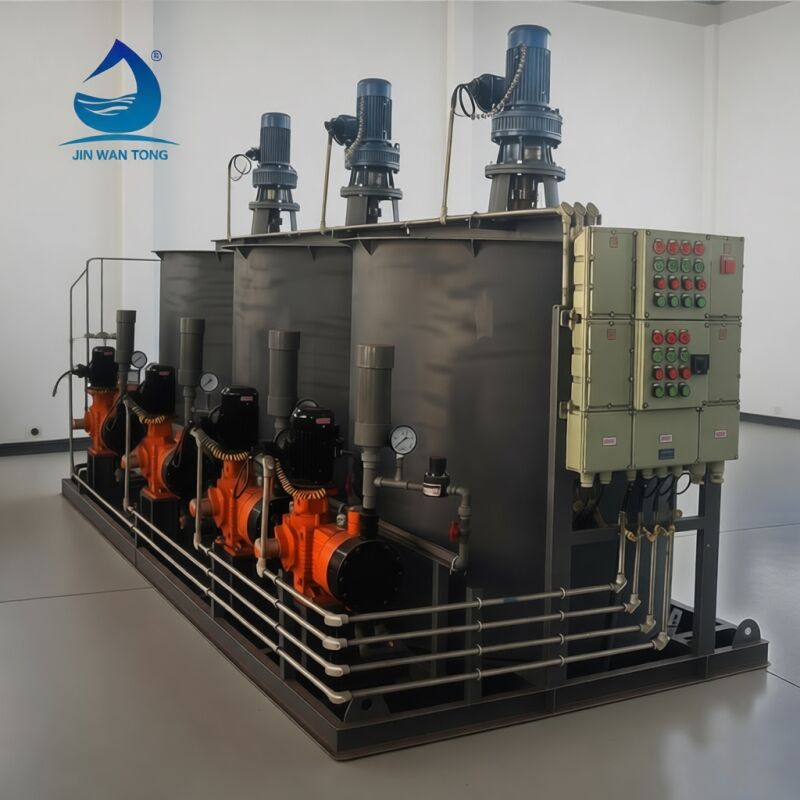
A dosing system represents a sophisticated automated solution designed to precisely measure, control, and deliver accurate quantities of liquids, powders, or other materials in industrial processes. These advanced systems serve as the backbone of modern manufacturing operations, ensuring consistent product quality through meticulous material handling. The primary function of a dosing system involves the automated dispensing of predetermined amounts of substances according to specific recipes or formulations. This technology eliminates human error while maintaining exceptional accuracy in material distribution across various production scenarios. The core components of a dosing system typically include precision pumps, flow meters, control valves, mixing chambers, and intelligent software interfaces that work harmoniously to achieve optimal results. Modern dosing systems incorporate cutting-edge sensor technology that continuously monitors flow rates, pressure levels, and material consistency throughout the entire process. The technological features of contemporary dosing systems include programmable logic controllers that enable operators to store multiple recipes and switch between different formulations seamlessly. Many systems feature touchscreen interfaces that provide real-time monitoring capabilities, allowing operators to track performance metrics and make necessary adjustments instantly. Advanced dosing systems often incorporate self-calibration functions, automated cleaning cycles, and predictive maintenance alerts that minimize downtime and ensure optimal performance. The applications for dosing systems span numerous industries, including chemical processing, pharmaceutical manufacturing, food and beverage production, water treatment facilities, and agricultural operations. In chemical plants, dosing systems ensure precise mixing of reactive compounds while maintaining safety standards. Pharmaceutical companies rely on these systems to achieve exact ingredient ratios required for medication production. Food manufacturers use dosing systems to maintain consistent flavor profiles and nutritional content across their product lines. Water treatment facilities depend on dosing systems to add appropriate amounts of chemicals for purification processes, ensuring safe drinking water for communities worldwide.
Popular Products

The implementation of a dosing system brings transformative benefits that revolutionize production efficiency and product consistency across industrial operations. These systems deliver unmatched precision that surpasses manual processes by eliminating human measurement errors and ensuring exact quantities every time. Companies experience immediate improvements in product quality as the dosing system maintains consistent formulations that meet strict specifications without deviation. The automated nature of these systems significantly reduces labor costs by minimizing the need for manual intervention while allowing operators to focus on higher-value tasks that require human expertise. Production speed increases dramatically when businesses integrate a reliable dosing system into their operations, as automated processes work continuously without breaks or fatigue. The enhanced safety features of modern dosing systems protect workers from exposure to hazardous materials by containing substances within closed systems and reducing direct human contact. Material waste decreases substantially when companies utilize precision dosing systems that measure exact quantities needed for each batch, eliminating overuse and reducing raw material costs. These systems provide excellent return on investment through reduced material waste, lower labor requirements, and increased production capacity that generates higher revenue streams. The flexibility of programmable dosing systems allows manufacturers to quickly switch between different product formulations without extensive reconfiguration time or additional equipment purchases. Quality control improves significantly as dosing systems maintain detailed records of all dispensing activities, creating comprehensive audit trails that support regulatory compliance and quality assurance programs. Maintenance costs remain low due to the robust construction of professional dosing systems that operate reliably for extended periods with minimal service requirements. The scalability of these systems accommodates business growth by allowing companies to increase production volumes without proportional increases in labor or operational complexity. Environmental benefits emerge from the precise control that dosing systems provide, reducing chemical waste and minimizing environmental impact through accurate material usage. The integration capabilities of modern dosing systems enable seamless connection with existing production equipment and enterprise resource planning systems for comprehensive operational visibility.

Latest News

Overview of the Agricultural Wastewater Treatment Market

17

Dec

Overview of the Agricultural Wastewater Treatment Market

View More
Global Real-Time Wastewater Treatment Update

17

Dec

Global Real-Time Wastewater Treatment Update

View More
Navigating the Waters: The Role of an Industrial Wastewater Treatment Plant

17

Dec

Navigating the Waters: The Role of an Industrial Wastewater Treatment Plant

View More

Get a Free Quote

Our representative will contact you soon.
Email
Name
Company Name
Message
0/1000

dosing system

Unparalleled Precision and Accuracy Control

Unparalleled Precision and Accuracy Control

The exceptional precision capabilities of a modern dosing system represent one of its most valuable attributes for industrial operations seeking consistent product quality and regulatory compliance. These systems achieve measurement accuracy levels that typically range from 0.1% to 0.5%, far exceeding the capabilities of manual dosing methods that often experience variations of 5% or more. The precision stems from advanced flow measurement technologies, including mass flow meters, volumetric pumps, and sophisticated sensor arrays that continuously monitor material flow in real-time. This level of accuracy proves crucial in industries where minor deviations can result in product defects, regulatory violations, or safety hazards. Pharmaceutical companies particularly benefit from this precision when formulating medications where exact ingredient ratios determine therapeutic effectiveness and patient safety. The dosing system maintains consistent accuracy across varying environmental conditions, including temperature fluctuations, pressure changes, and material viscosity variations that would typically affect manual dosing procedures. Advanced calibration protocols built into these systems automatically compensate for equipment wear and environmental factors, ensuring sustained accuracy throughout the equipment lifecycle. The precision control extends beyond simple volume measurement to include timing accuracy, ensuring that materials are dispensed at precise intervals according to production schedules. This timing precision becomes essential in continuous production processes where synchronized material addition prevents batch inconsistencies and maintains optimal chemical reactions. The system documentation capabilities provide complete traceability of all dosing activities, recording exact quantities, timestamps, and environmental conditions for each dispensing event. This comprehensive data collection supports quality assurance programs and regulatory reporting requirements while enabling process optimization through detailed analysis of dosing patterns and their impact on final product characteristics.
Advanced Automation and Integration Capabilities

Advanced Automation and Integration Capabilities

The sophisticated automation features of a comprehensive dosing system transform traditional manual processes into streamlined, intelligent operations that maximize efficiency while minimizing human intervention requirements. These systems incorporate programmable logic controllers and advanced software platforms that enable operators to create, store, and execute complex dosing sequences with unprecedented ease and reliability. The automation extends beyond simple material dispensing to include pre-dosing preparation procedures, mixing sequences, cleaning cycles, and post-dosing quality verification steps that ensure complete process control. Integration capabilities allow the dosing system to communicate seamlessly with existing manufacturing execution systems, enterprise resource planning software, and quality management platforms through standardized industrial communication protocols. This connectivity enables real-time data exchange that supports informed decision-making and automated process adjustments based on upstream and downstream production requirements. The system intelligence includes predictive analytics that monitor equipment performance trends and predict maintenance needs before failures occur, reducing unplanned downtime and associated production losses. Batch recipe management features enable operators to program multiple formulations and switch between products quickly without manual reconfiguration, supporting flexible manufacturing strategies that respond rapidly to market demands. The automated error detection and correction capabilities identify discrepancies in real-time and implement corrective actions or alert operators to potential issues before they impact product quality. Remote monitoring and control functionality allows operators to oversee dosing operations from centralized control rooms or even off-site locations, improving operational efficiency and enabling rapid response to process variations. The system learning capabilities analyze historical dosing data to optimize future operations, automatically adjusting parameters to improve accuracy, reduce waste, and enhance overall process performance. Advanced alarm systems provide immediate notification of any deviations from normal operating parameters, enabling prompt intervention and minimizing the impact of potential issues on production schedules and product quality standards.
Versatile Application Across Multiple Industries

Versatile Application Across Multiple Industries

The remarkable versatility of a well-designed dosing system enables its successful deployment across diverse industrial sectors, each benefiting from customized configurations that address specific operational requirements and regulatory standards. Chemical processing facilities utilize these systems for precise catalyst addition, pH adjustment, and multi-component mixing operations where exact proportions determine reaction efficiency and product quality. The robust construction and chemical-resistant materials used in dosing systems ensure reliable performance in corrosive environments while maintaining measurement accuracy despite exposure to aggressive chemicals. Food and beverage manufacturers depend on dosing systems for flavor enhancement, nutritional fortification, and preservative addition processes that must comply with stringent food safety regulations and maintain consistent taste profiles across production batches. The sanitary design features of food-grade dosing systems include smooth surfaces, easy-clean construction, and validated cleaning procedures that prevent contamination and ensure product safety. Water treatment applications showcase the critical importance of accurate chemical dosing for chlorination, fluoridation, and coagulation processes that protect public health and meet environmental discharge requirements. The dosing system reliability becomes paramount in these applications where under-dosing can compromise water safety while over-dosing may create environmental concerns or exceed regulatory limits. Agricultural operations benefit from precision fertilizer and pesticide application systems that optimize crop yields while minimizing environmental impact through exact nutrient delivery and reduced chemical usage. The weather-resistant construction and mobile capabilities of agricultural dosing systems enable field deployment under challenging conditions while maintaining measurement accuracy. Pharmaceutical manufacturing represents perhaps the most demanding application environment where dosing systems must achieve exceptional accuracy while maintaining complete documentation and validation support for regulatory approval processes. The compliance features built into pharmaceutical-grade dosing systems include 21 CFR Part 11 electronic signature capabilities, comprehensive audit trails, and validation documentation packages that streamline regulatory submissions and inspections.
Advanced Dosing Systems: Precision Automation Solutions for Industrial Applications

Get a Free Quote

Our representative will contact you soon.
Email
Name
Company Name
Message
0/1000