Advanced Wastewater Dosing Systems - Precision Chemical Treatment Solutions

All Categories

Get a Free Quote

Our representative will contact you soon.
Email
Name
Company Name
Message
0/1000

wastewater dosing system

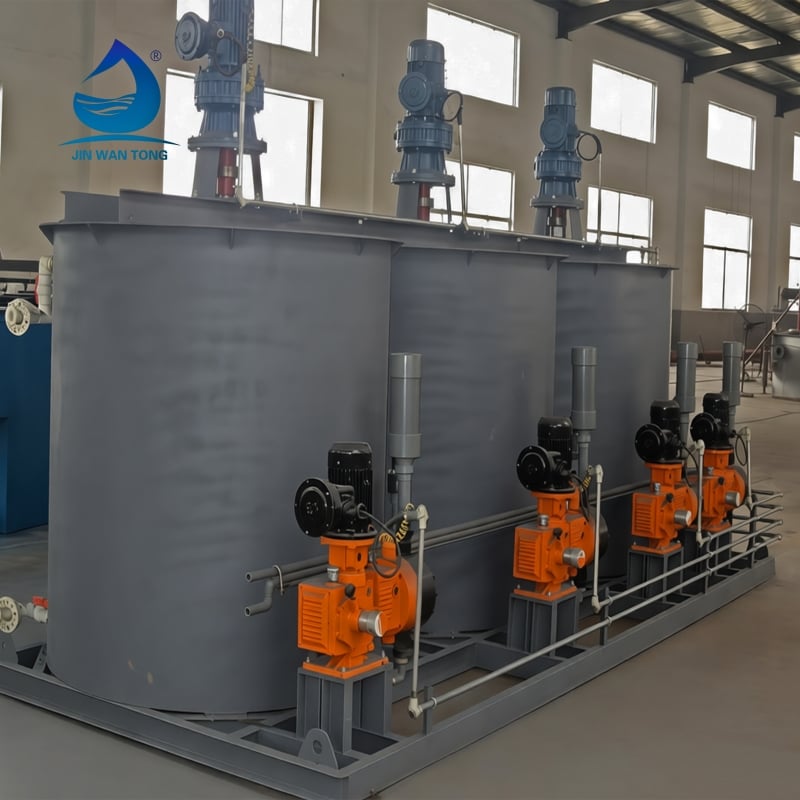
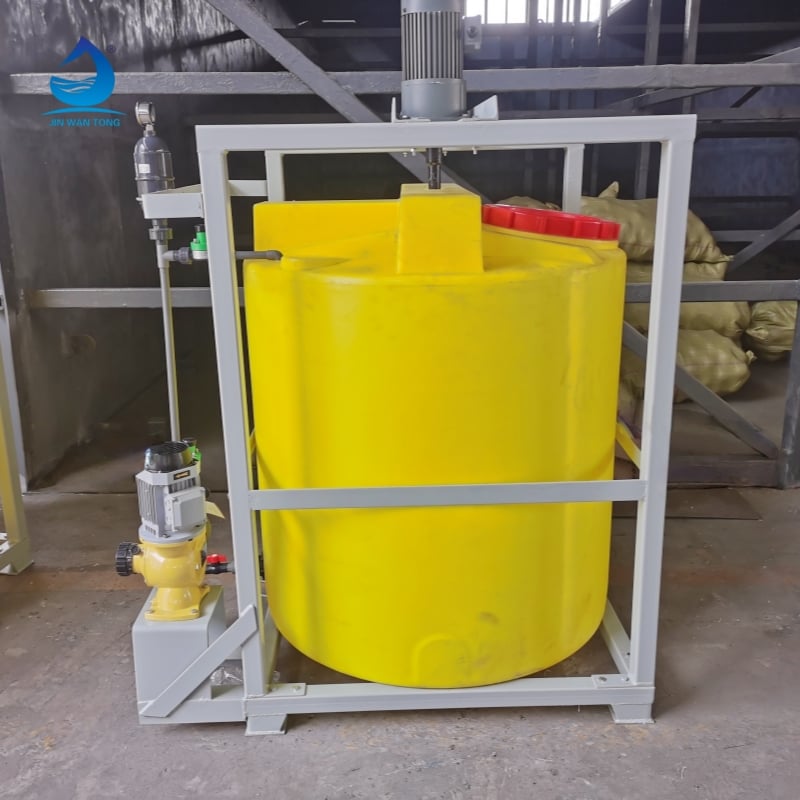
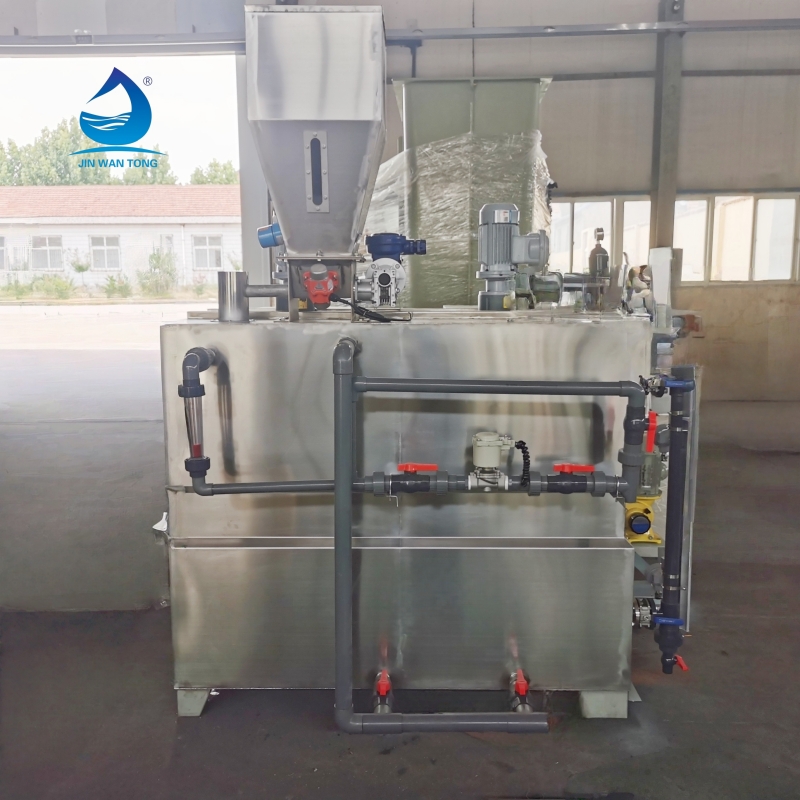
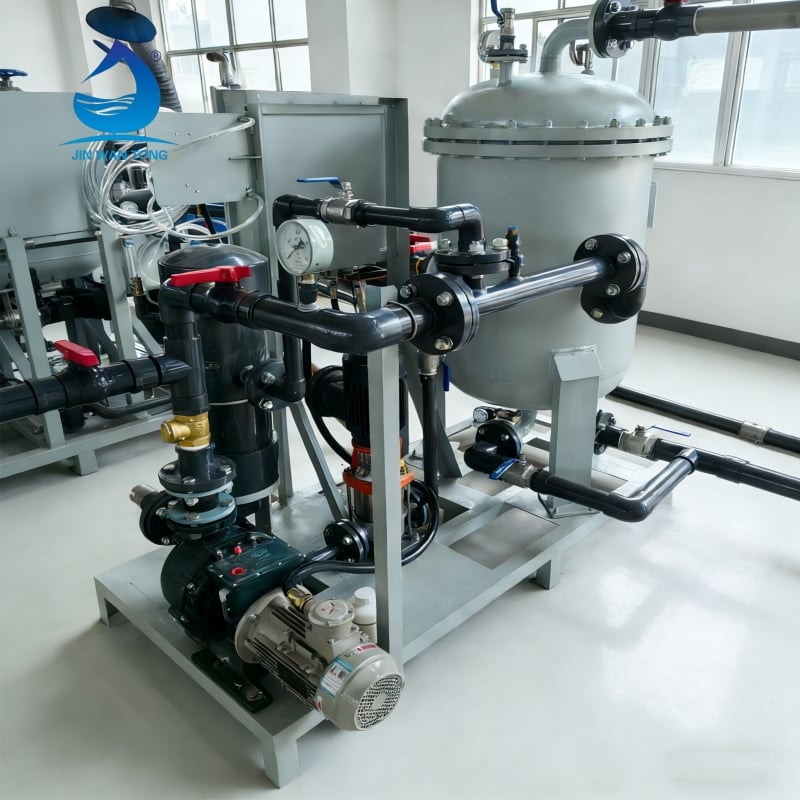
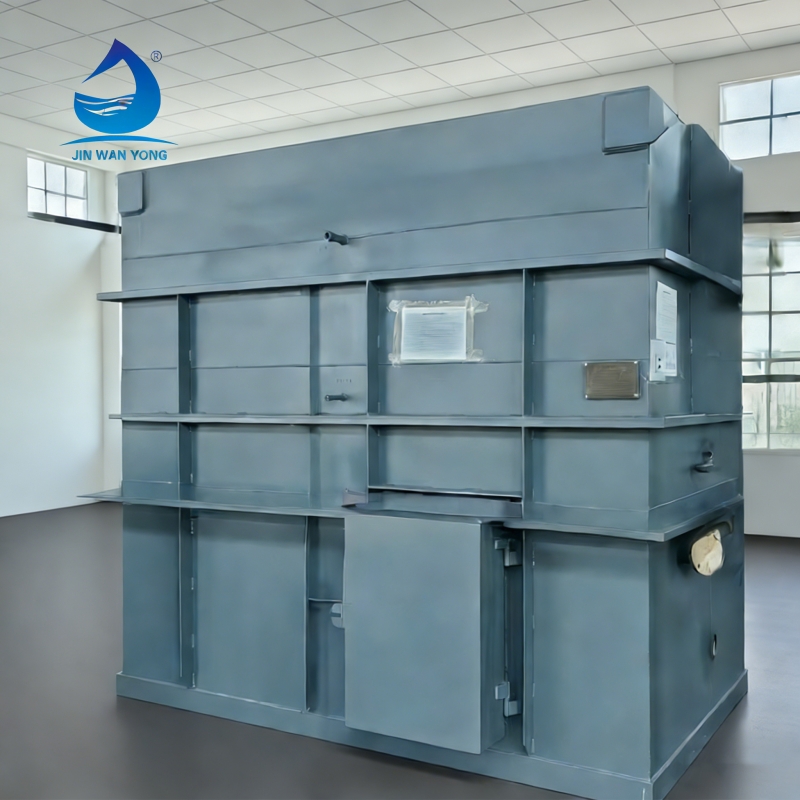
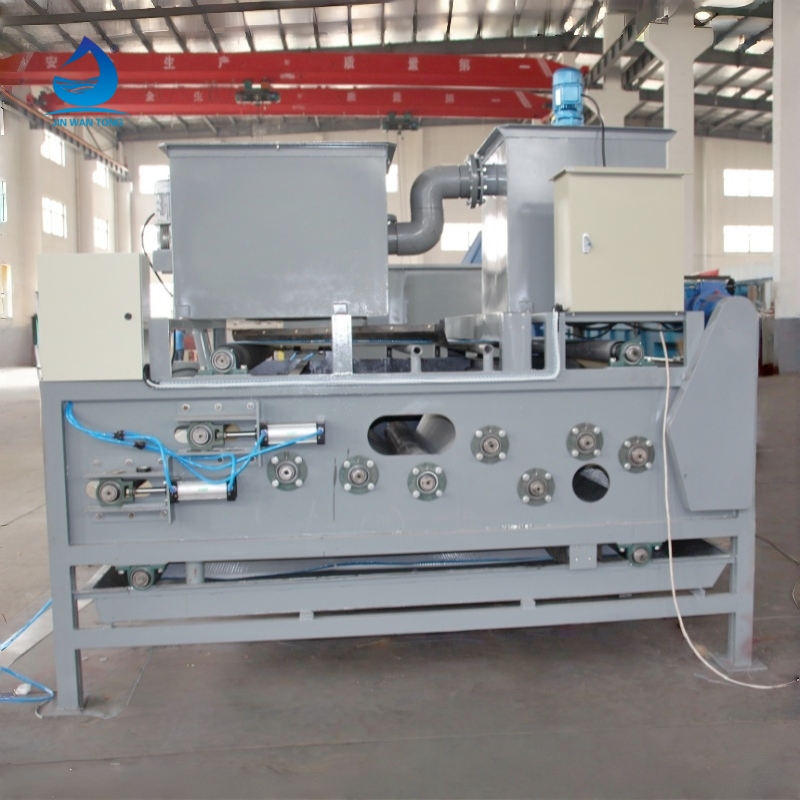
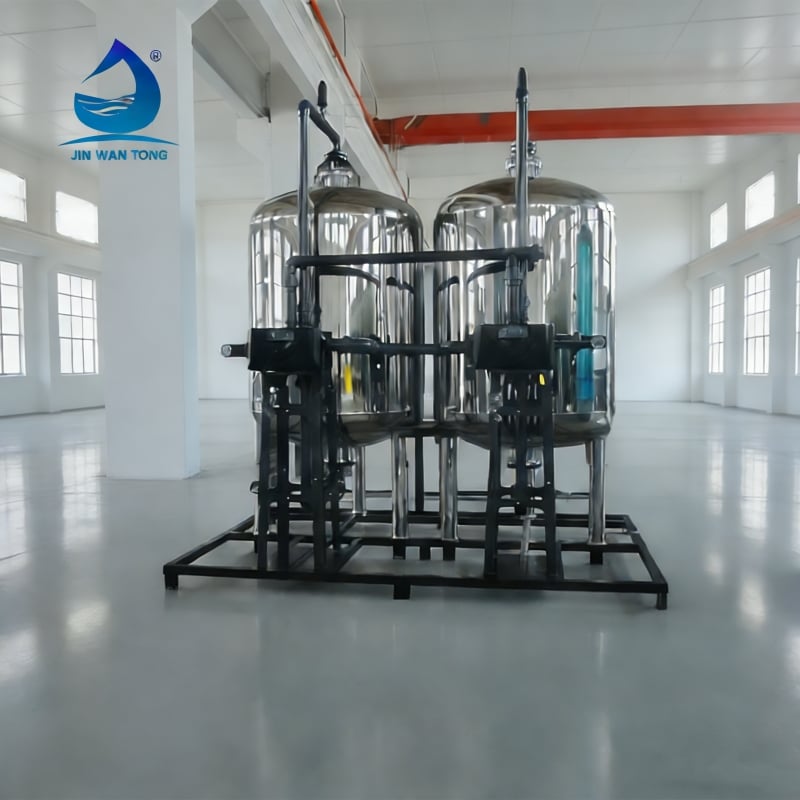
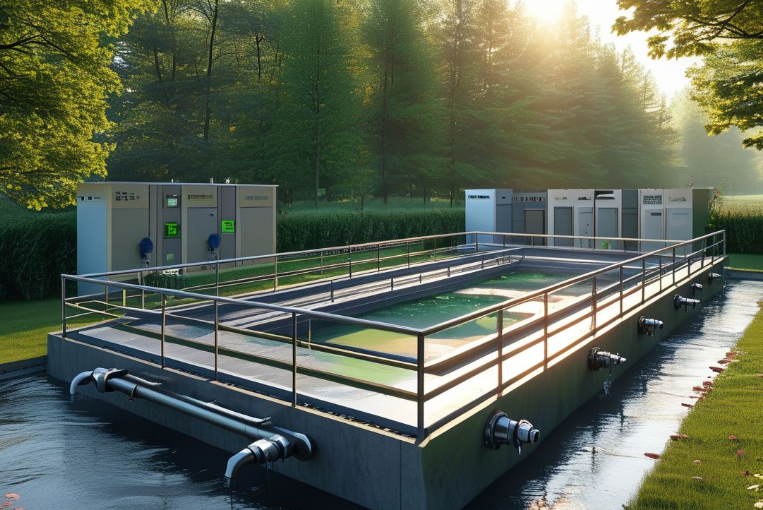
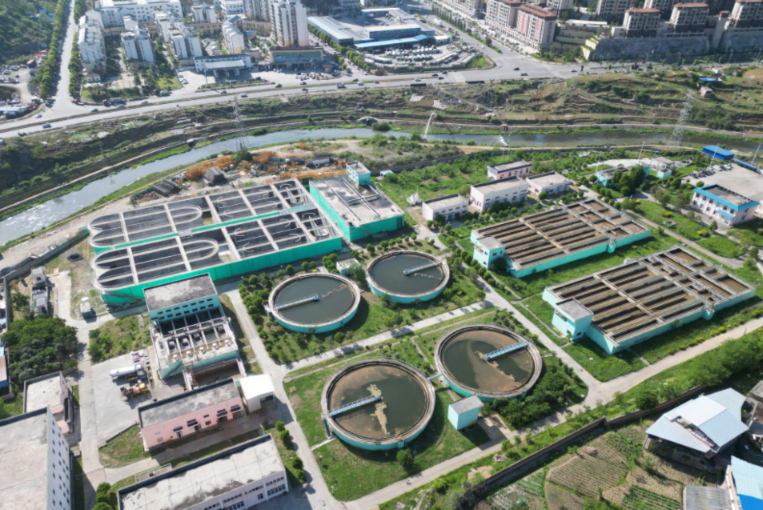
A wastewater dosing system represents a sophisticated technological solution designed to accurately measure, control, and deliver precise amounts of chemical additives into wastewater treatment processes. This automated system serves as the backbone of modern water treatment facilities, ensuring optimal chemical distribution throughout various treatment stages. The primary function of a wastewater dosing system involves the controlled injection of chemicals such as coagulants, flocculants, pH adjusters, disinfectants, and other treatment agents into the wastewater stream. These systems utilize advanced metering pumps, flow sensors, and programmable logic controllers to maintain consistent chemical concentrations regardless of fluctuating wastewater flow rates or quality variations. The technological features of modern wastewater dosing systems include real-time monitoring capabilities, automated feedback control loops, and integration with supervisory control and data acquisition systems. These features enable operators to maintain precise chemical dosing rates while minimizing waste and ensuring compliance with environmental regulations. The applications of wastewater dosing systems span across municipal water treatment plants, industrial facilities, pharmaceutical manufacturing, food processing operations, and chemical production sites. In municipal applications, these systems handle large volumes of domestic wastewater, ensuring proper treatment before discharge or reuse. Industrial applications often require specialized dosing protocols to address specific contaminants or process requirements. The versatility of wastewater dosing systems allows for customization based on treatment objectives, facility size, and regulatory requirements. Modern systems incorporate smart technology features such as remote monitoring, predictive maintenance alerts, and data logging capabilities that enhance operational efficiency and reduce maintenance costs.

New Product Recommendations

The implementation of a wastewater dosing system delivers significant operational benefits that directly impact facility performance and cost management. These systems eliminate guesswork from chemical treatment processes by providing precise, automated control over additive distribution throughout treatment cycles. Operators gain confidence knowing that chemical dosing remains consistent and accurate, regardless of varying wastewater conditions or operator experience levels. The automated nature of these systems reduces labor requirements and minimizes human error, leading to substantial cost savings over time. Facilities experience improved treatment efficiency as chemicals are delivered at optimal concentrations and timing, resulting in better contaminant removal and higher quality effluent discharge. Environmental compliance becomes more manageable with wastewater dosing systems because they maintain consistent treatment standards and provide detailed documentation of chemical usage and treatment performance. This documentation proves invaluable during regulatory inspections and helps facilities avoid costly fines or violations. The systems also reduce chemical waste through precise metering, preventing both under-dosing that compromises treatment effectiveness and over-dosing that increases operational costs. Energy efficiency improvements occur because optimized chemical dosing enhances settling processes, reduces pump runtime, and minimizes equipment strain throughout the treatment facility. Maintenance benefits include extended equipment lifespan due to proper chemical balance, reduced corrosion from pH control, and predictive maintenance capabilities that prevent unexpected breakdowns. The real-time monitoring features allow operators to identify and address issues before they escalate into major problems, reducing emergency repair costs and system downtime. Financial benefits accumulate through reduced chemical consumption, lower labor costs, decreased equipment replacement frequency, and improved regulatory compliance that avoids penalty fees. The scalability of wastewater dosing systems means facilities can expand treatment capacity without completely replacing existing infrastructure, providing flexibility for future growth while protecting current investments.

Latest News

Overview of the Agricultural Wastewater Treatment Market

17

Dec

Overview of the Agricultural Wastewater Treatment Market

View More
Global Real-Time Wastewater Treatment Update

17

Dec

Global Real-Time Wastewater Treatment Update

View More
Navigating the Waters: The Role of an Industrial Wastewater Treatment Plant

17

Dec

Navigating the Waters: The Role of an Industrial Wastewater Treatment Plant

View More

Get a Free Quote

Our representative will contact you soon.
Email
Name
Company Name
Message
0/1000

wastewater dosing system

Advanced Precision Control Technology

Advanced Precision Control Technology

The cornerstone of modern wastewater dosing systems lies in their advanced precision control technology, which revolutionizes how facilities manage chemical treatment processes. This sophisticated technology employs high-accuracy metering pumps capable of delivering chemicals with precision rates as low as 0.1 percent deviation from setpoints, ensuring consistent treatment results regardless of external variables. The control systems utilize advanced algorithms that continuously analyze real-time data from multiple sensors monitoring pH levels, dissolved oxygen, turbidity, and flow rates throughout the treatment process. This multi-parameter approach enables the wastewater dosing system to make instantaneous adjustments that maintain optimal chemical concentrations even when influent characteristics change rapidly. The precision control technology incorporates feedback loops that create a self-regulating system, automatically compensating for variations in wastewater quality, temperature fluctuations, and seasonal changes that traditionally required manual operator intervention. Advanced proportional-integral-derivative controllers ensure smooth, stable dosing operations without the oscillations or overshooting common in simpler systems. The technology includes fail-safe mechanisms that prevent over-dosing incidents and chemical waste while maintaining treatment effectiveness during equipment maintenance or temporary sensor malfunctions. Operators benefit from intuitive touchscreen interfaces that display real-time system performance data, historical trends, and predictive analytics that help optimize dosing strategies. The precision control technology supports multiple dosing points throughout the treatment process, enabling targeted chemical application at specific treatment stages for maximum efficiency. Integration capabilities allow the wastewater dosing system to communicate with plant-wide control systems, creating coordinated treatment strategies that optimize overall facility performance. This level of precision control translates directly into improved treatment outcomes, reduced chemical costs, enhanced regulatory compliance, and greater operational confidence for facility managers and operators alike.
Smart Monitoring and Diagnostics

Smart Monitoring and Diagnostics

Smart monitoring and diagnostics capabilities transform wastewater dosing systems into intelligent treatment partners that provide unprecedented visibility into system performance and treatment effectiveness. These advanced monitoring features continuously track dozens of operational parameters simultaneously, creating comprehensive data profiles that reveal trends, identify optimization opportunities, and predict potential issues before they impact treatment quality. The diagnostic systems employ machine learning algorithms that analyze historical performance data to establish baseline operating conditions and detect anomalies that might indicate equipment wear, calibration drift, or process inefficiencies. Real-time alerts notify operators immediately when parameters exceed acceptable ranges, enabling prompt corrective action that prevents treatment disruptions or regulatory violations. The smart monitoring technology includes remote access capabilities that allow authorized personnel to monitor and adjust wastewater dosing system operations from any location using secure internet connections. This remote functionality proves invaluable during off-hours emergencies, holiday periods, or when expert technical support is needed from distant locations. Predictive maintenance features analyze pump performance data, valve operation cycles, and sensor readings to forecast when components require service or replacement, enabling proactive maintenance scheduling that prevents unexpected breakdowns. The diagnostic systems generate detailed reports that document treatment performance, chemical consumption patterns, and compliance metrics required for regulatory submissions. Advanced data visualization tools present complex operational information through intuitive graphs, charts, and dashboards that help operators quickly understand system status and identify improvement opportunities. The monitoring technology supports integration with mobile applications that provide instant notifications and allow basic system control from smartphones or tablets. Historical data storage capabilities enable long-term trend analysis that reveals seasonal patterns, helps optimize dosing strategies, and supports facility planning decisions. These smart monitoring and diagnostic features collectively reduce operational risks, improve treatment reliability, and provide the detailed documentation necessary for regulatory compliance while significantly reducing the time and expertise required for effective system management.
Flexible Installation and Integration

Flexible Installation and Integration

The flexible installation and integration capabilities of modern wastewater dosing systems address the diverse needs of treatment facilities while accommodating existing infrastructure constraints and future expansion requirements. These systems feature modular designs that allow customized configurations based on specific site requirements, available space, and treatment objectives without requiring extensive facility modifications or expensive infrastructure upgrades. The flexibility extends to chemical compatibility, with systems capable of handling various treatment chemicals including corrosive substances, viscous polymers, and temperature-sensitive additives through specialized materials and pump technologies. Installation versatility enables both indoor and outdoor mounting options with weatherproof enclosures that protect sensitive electronics while maintaining easy access for maintenance and operation. The wastewater dosing system integration capabilities include compatibility with existing plant control systems, SCADA networks, and building management systems through industry-standard communication protocols such as Modbus, Ethernet/IP, and Profibus. This seamless integration eliminates the need for separate control infrastructure while enabling coordinated operation with other treatment processes such as aeration systems, clarifiers, and filtration equipment. Scalable architectures allow facilities to start with basic dosing capabilities and expand functionality over time by adding monitoring sensors, control points, or treatment chemicals without replacing core system components. The systems accommodate varying electrical requirements including single-phase and three-phase power supplies, different voltage standards, and backup power integration for critical applications. Piping flexibility supports multiple injection points, varying pipe sizes, and different installation orientations while maintaining accurate dosing performance. Pre-engineered skid-mounted systems reduce installation time and costs while ensuring proper component integration and factory testing before shipment. The flexible design philosophy extends to user interfaces with customizable operator screens, multilingual support, and varying complexity levels that match operator experience and facility requirements. This comprehensive flexibility ensures that wastewater dosing systems can adapt to unique site conditions, integrate smoothly with existing operations, and evolve with changing treatment needs while maintaining optimal performance and reliability throughout their operational lifespan.
Advanced Wastewater Dosing Systems - Precision Chemical Treatment Solutions

Get a Free Quote

Our representative will contact you soon.
Email
Name
Company Name
Message
0/1000