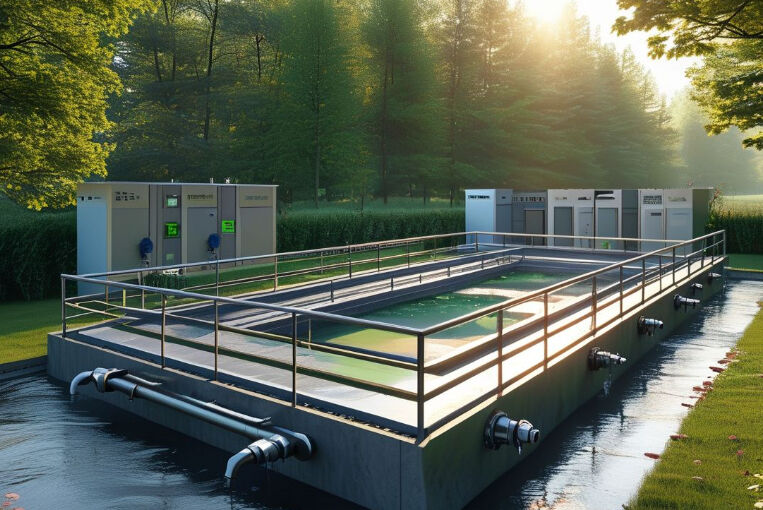
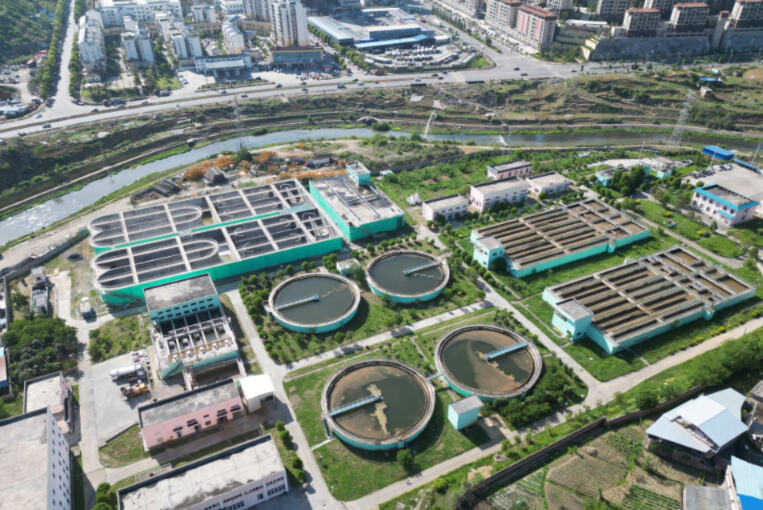
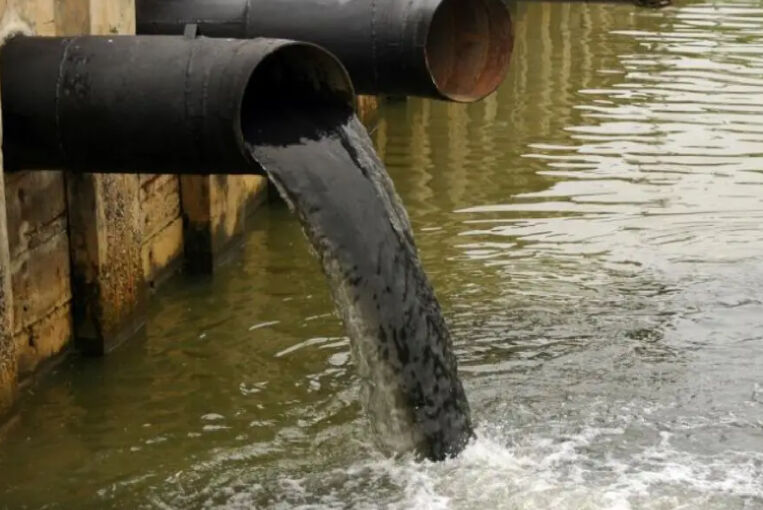
wastewater treatment plant clarifier
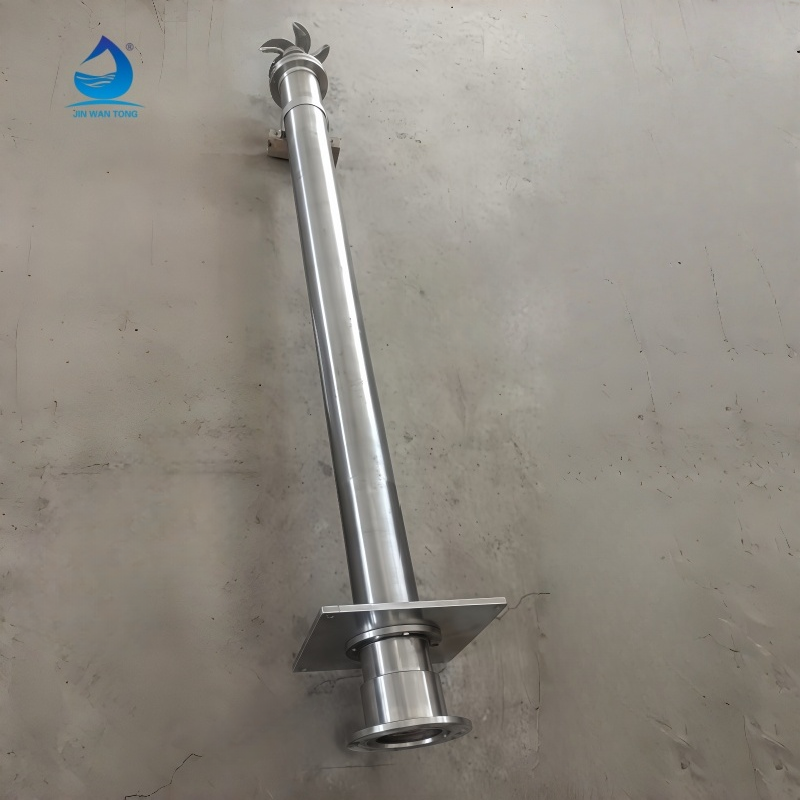
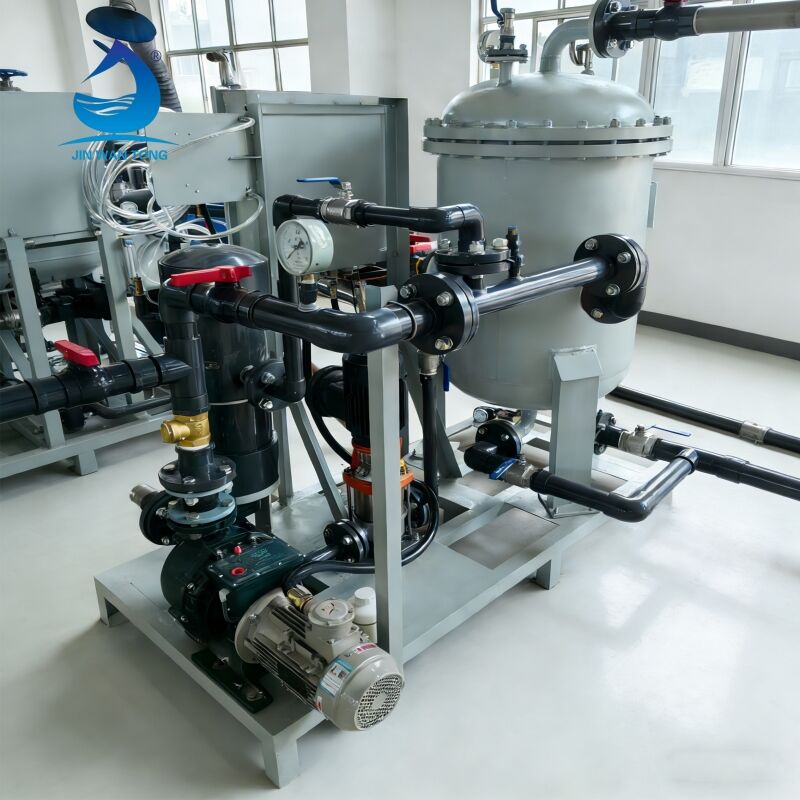
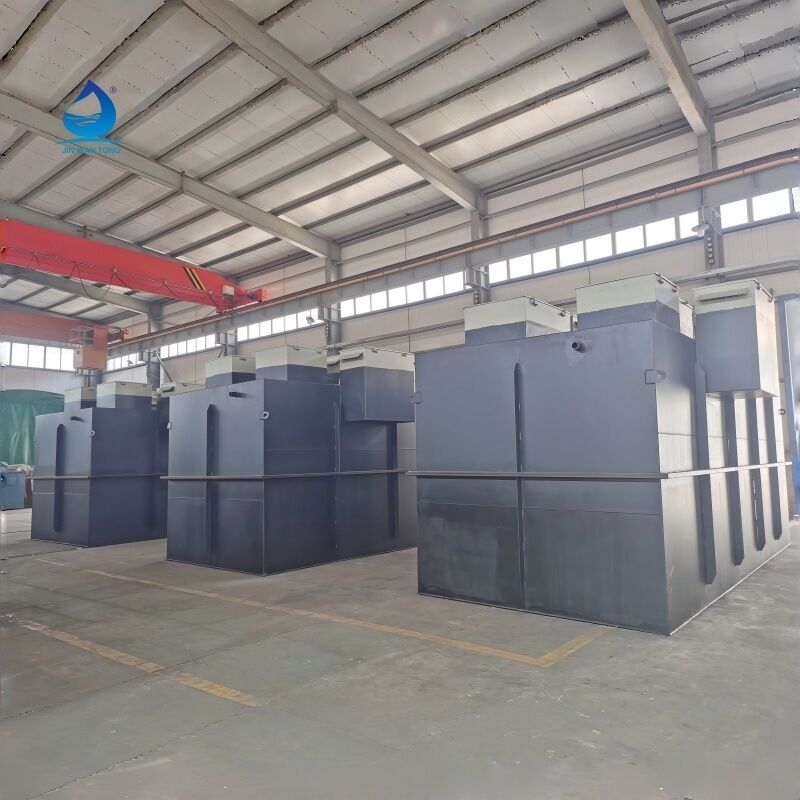
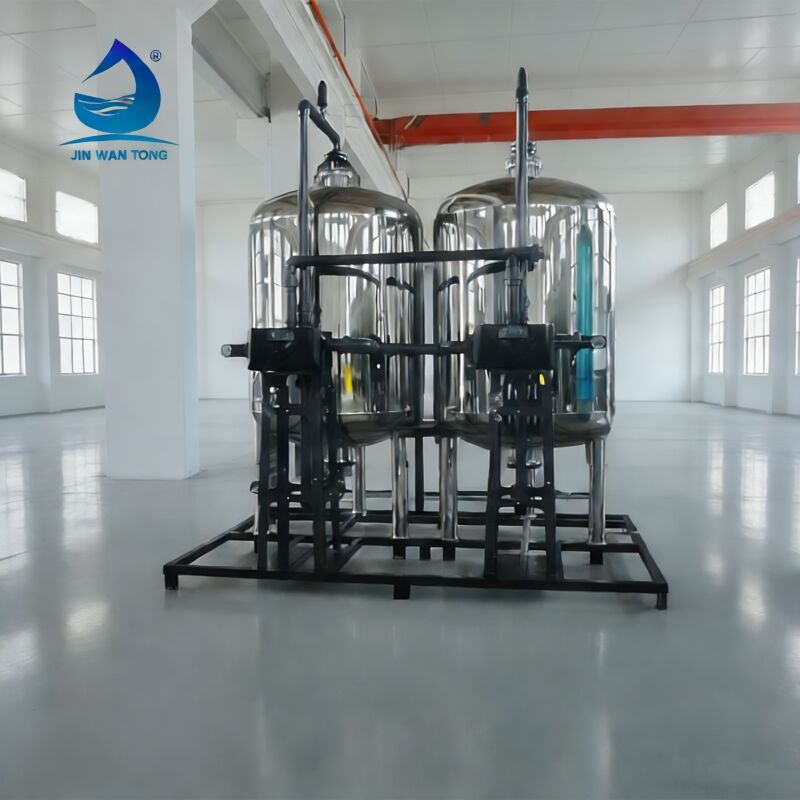
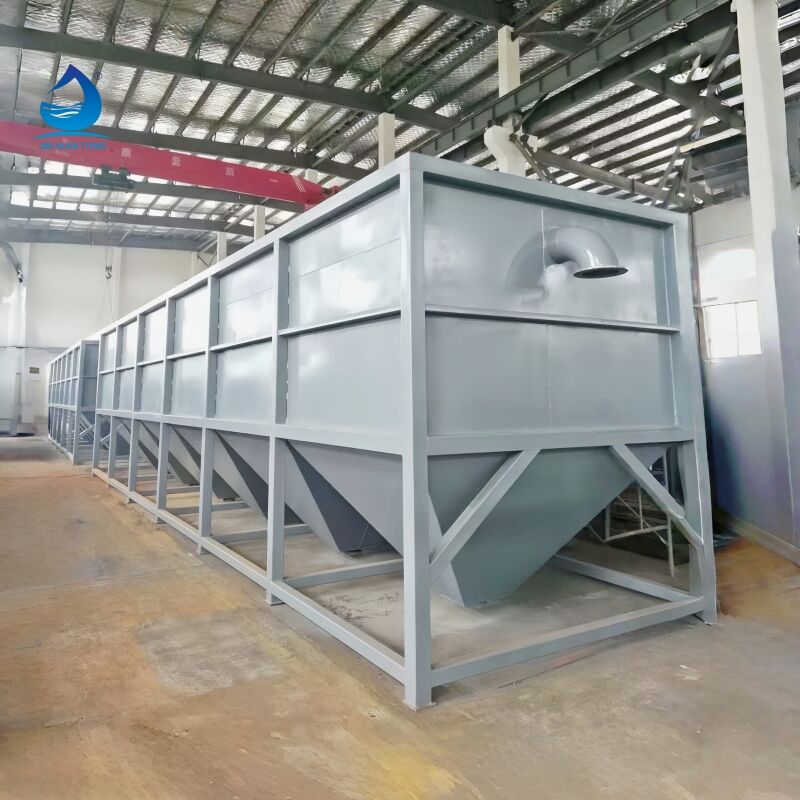
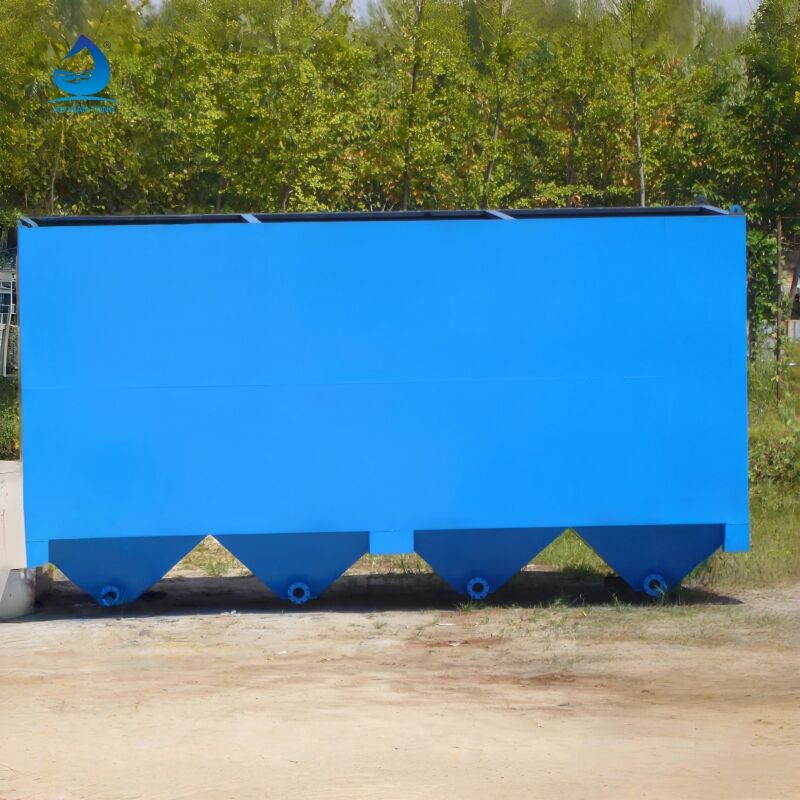
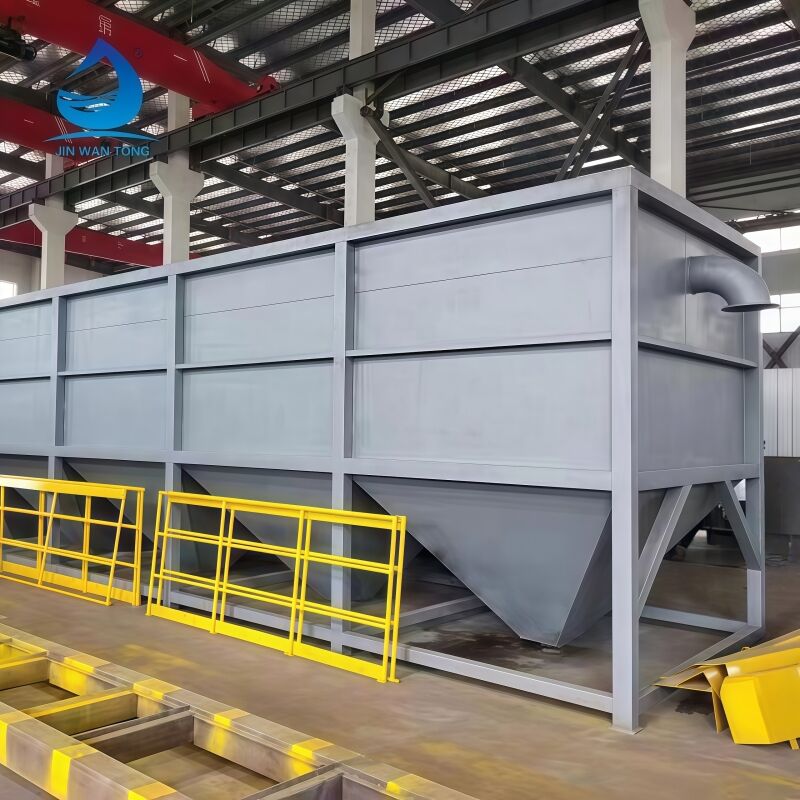
A wastewater treatment plant clarifier serves as a fundamental component in modern sewage treatment facilities, designed to remove suspended solids and particles from contaminated water through gravitational settling processes. This essential equipment operates by allowing heavier particles to sink to the bottom while clearer water rises to the surface, creating distinct separation layers that facilitate efficient purification. The wastewater treatment plant clarifier typically features a large circular or rectangular basin equipped with mechanical scrapers, skimmers, and collection systems that continuously remove accumulated sludge and floating debris. Primary clarifiers handle raw sewage by eliminating gross solids, grease, and oils, while secondary clarifiers process biologically treated water to separate activated sludge from cleaned effluent. Advanced clarifier designs incorporate lamella plates or tube settlers to increase surface area and improve settling efficiency within compact footprints. Modern wastewater treatment plant clarifier systems utilize sophisticated control mechanisms, including variable speed drives for scraper mechanisms and automated sludge removal systems that optimize performance while minimizing energy consumption. These units effectively reduce total suspended solids by 85-95 percent, significantly improving water quality before discharge or further treatment stages. Industrial applications include municipal sewage treatment, food processing facilities, chemical manufacturing plants, and pharmaceutical operations where consistent solids removal is critical. The clarifier's robust construction typically features corrosion-resistant materials like stainless steel or polymer-coated components to withstand harsh wastewater environments. Proper sizing calculations consider hydraulic loading rates, solids loading rates, and detention times to ensure optimal performance. Regular maintenance protocols include scraper mechanism inspections, sludge blanket monitoring, and effluent quality testing to maintain peak operational efficiency throughout the clarifier's extended service life.

 EN
EN