Versatile Applications Across Multiple Industries
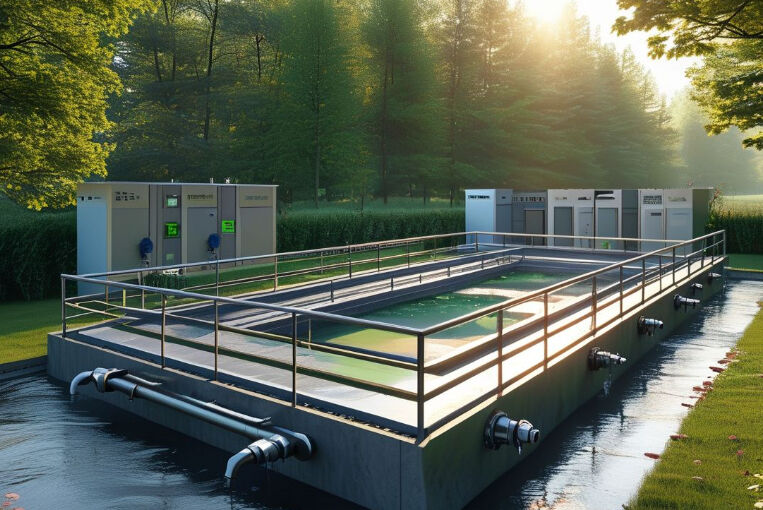
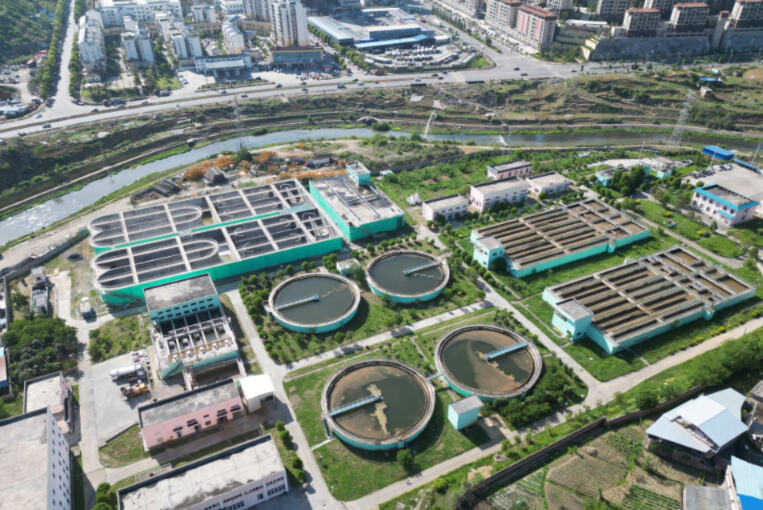
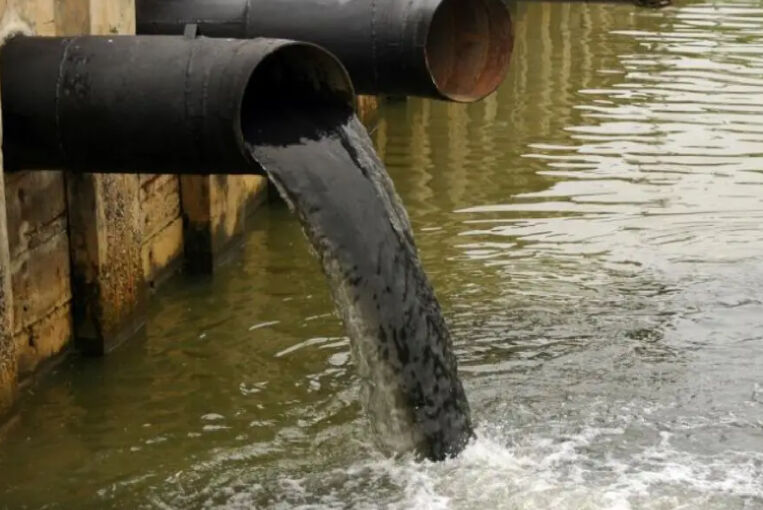
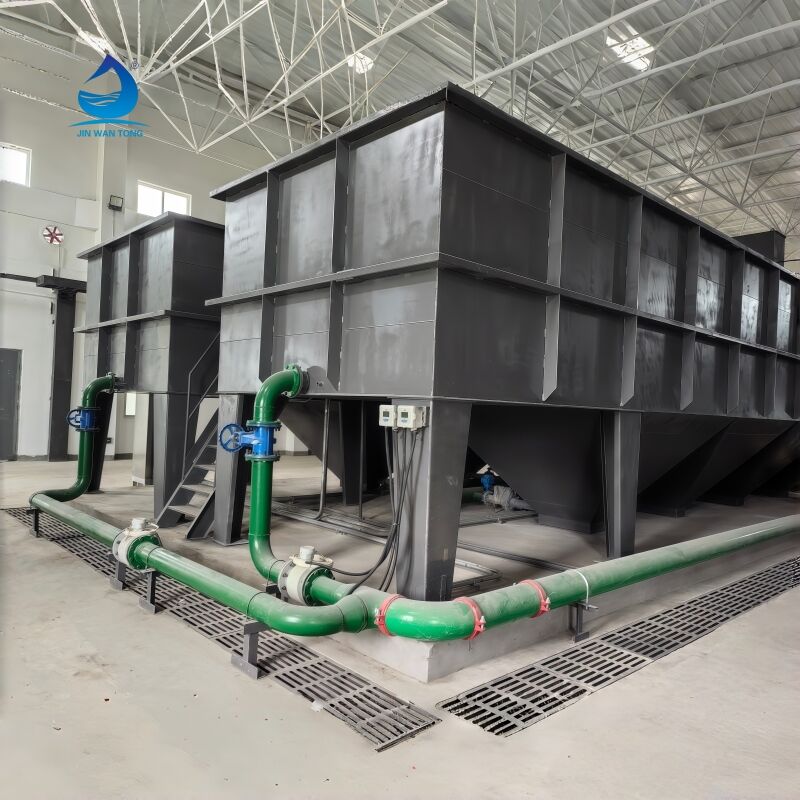
The dissolved air flotation clarifier demonstrates remarkable versatility through its ability to effectively treat wastewater from diverse industrial processes and municipal applications, making it an invaluable solution for facilities facing complex water treatment challenges. This adaptability stems from the technology's fundamental operating principles, which remain effective across a wide range of contaminant types, concentrations, and water chemistry conditions. In petroleum refining operations, the dissolved air flotation clarifier excels at removing oil products, suspended solids, and emulsified hydrocarbons from process wastewater, consistently achieving effluent quality standards that allow for water reuse or safe environmental discharge. Food and beverage processing facilities rely on these systems to eliminate fats, oils, proteins, and suspended organic matter from production wastewater, with specialized configurations available for specific applications such as dairy processing, meat packing, or brewery operations. The dissolved air flotation clarifier proves equally effective in pulp and paper manufacturing, where it removes fiber particles, ink residues, and suspended solids from mill process water, enabling water recycling and reducing fresh water consumption. Municipal water treatment plants utilize this technology for both drinking water clarification and wastewater treatment applications, achieving exceptional removal of algae, turbidity, and natural organic matter that conventional settling cannot effectively eliminate. Textile manufacturing facilities benefit from the system's ability to remove dyes, suspended fibers, and chemical additives from production wastewater, often achieving color removal efficiencies exceeding 90 percent when combined with appropriate chemical pretreatment. The dissolved air flotation clarifier adapts to unique application requirements through modular design options, specialized materials of construction, and customizable control parameters that optimize performance for specific contaminant removal objectives. This versatility extends to varying capacity requirements, with systems available from small pilot units processing hundreds of gallons per day to large industrial installations handling millions of gallons daily, ensuring appropriate solutions for facilities of any size.
 EN
EN