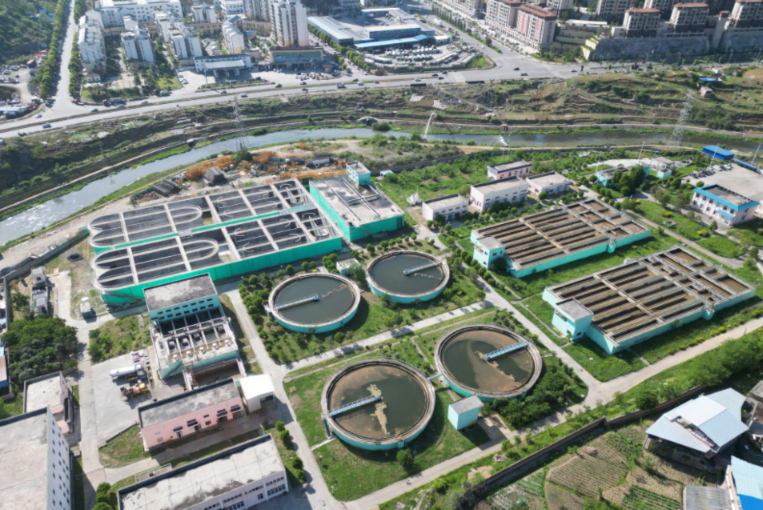
MBBR Wastewater Treatment Plant: Advanced Biofilm Technology for Efficient Water Treatment

All Categories

Get a Free Quote

Our representative will contact you soon.
Email
Name
Company Name
Message
0/1000

mbbr wastewater treatment plant

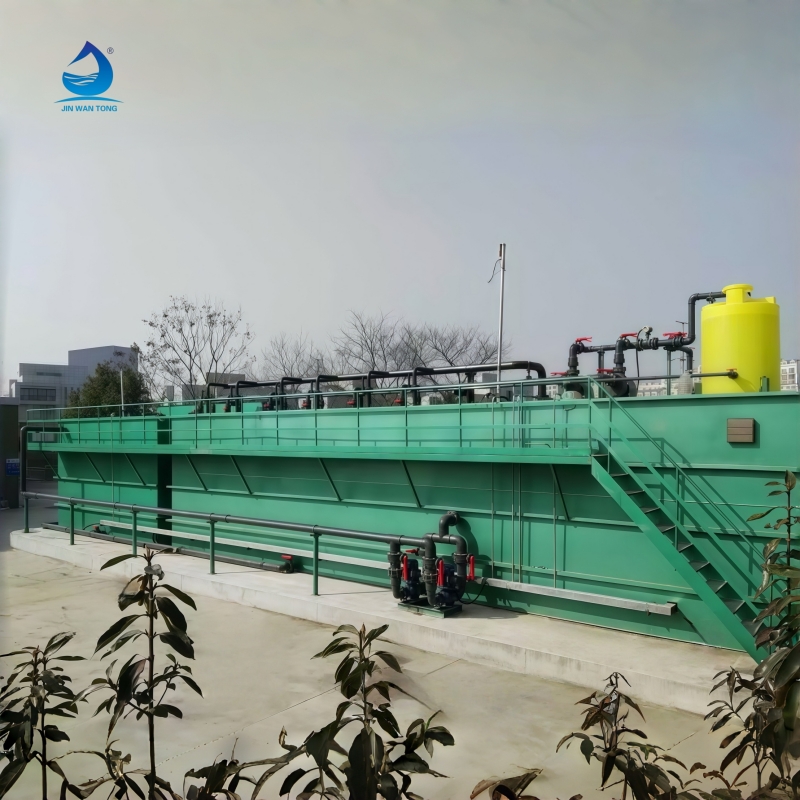
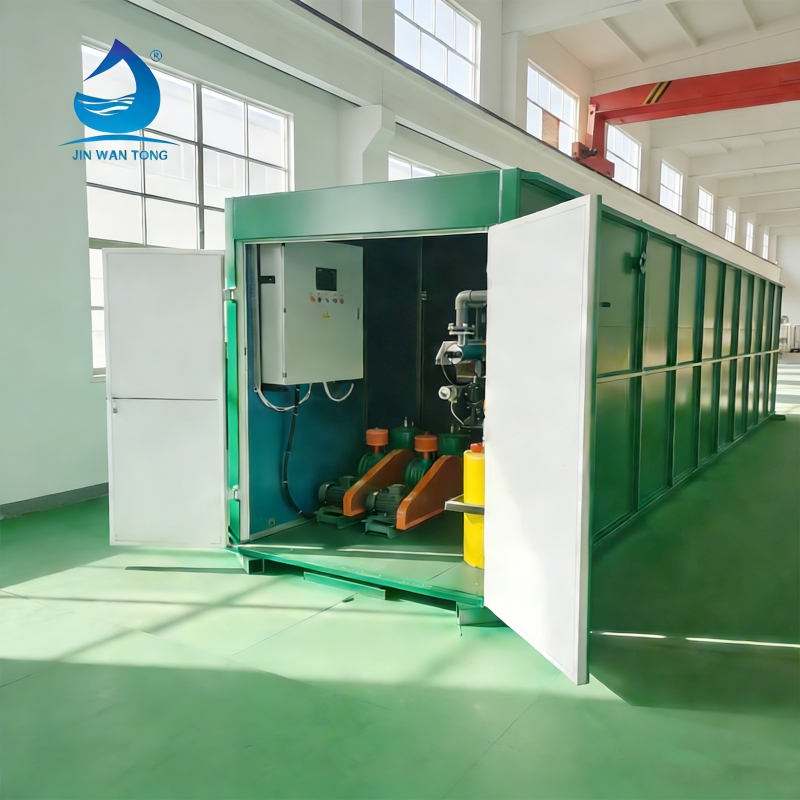
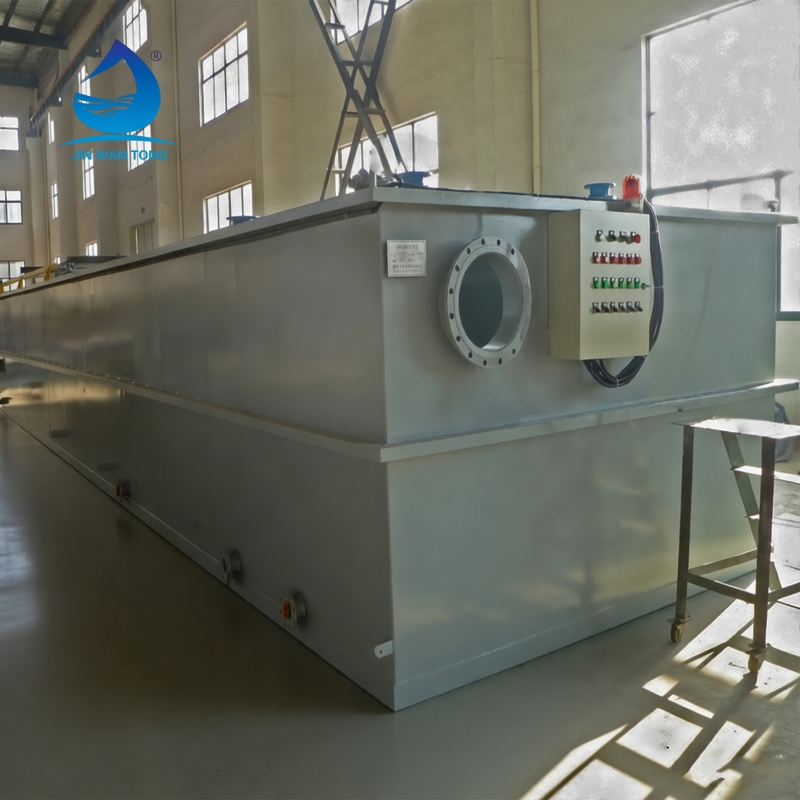
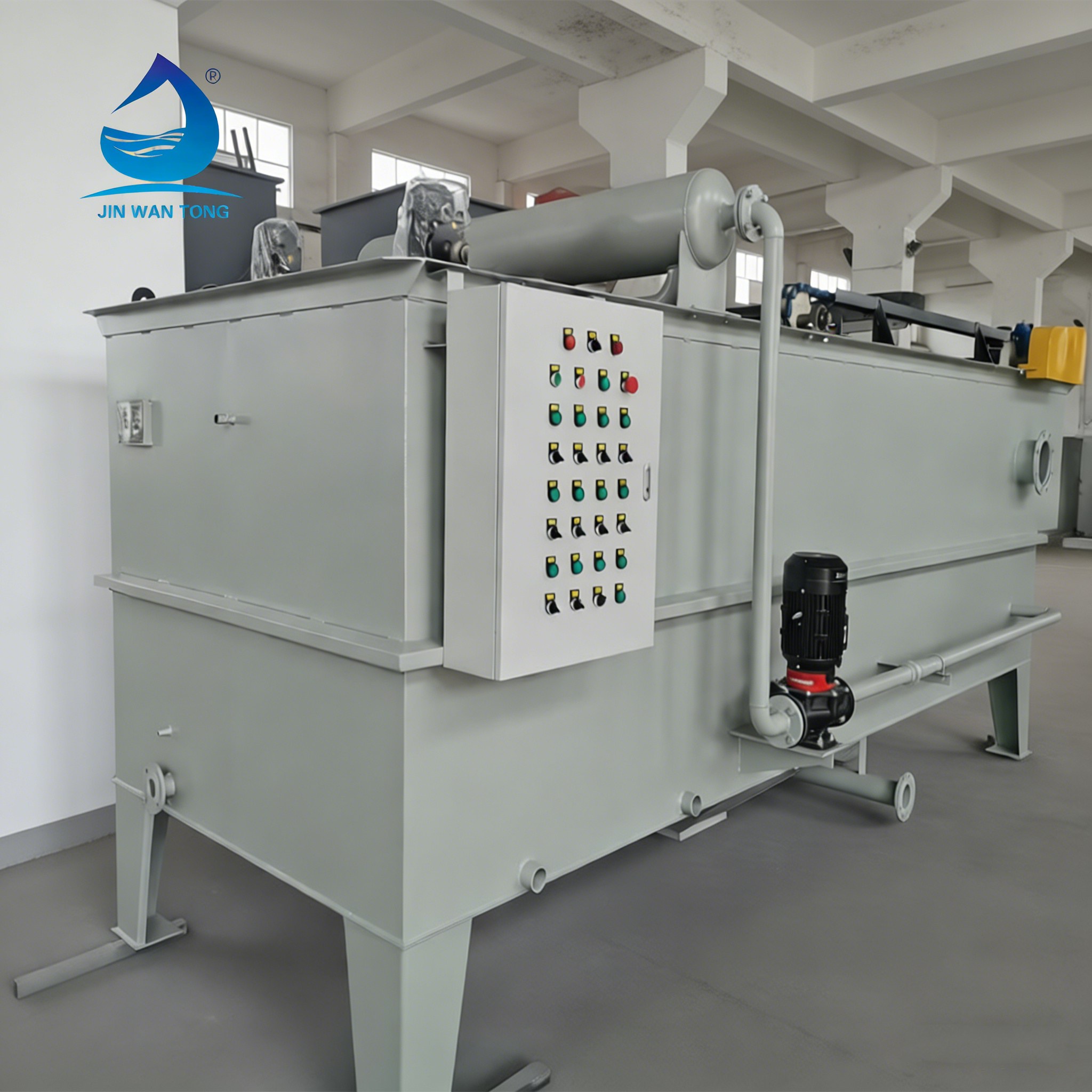
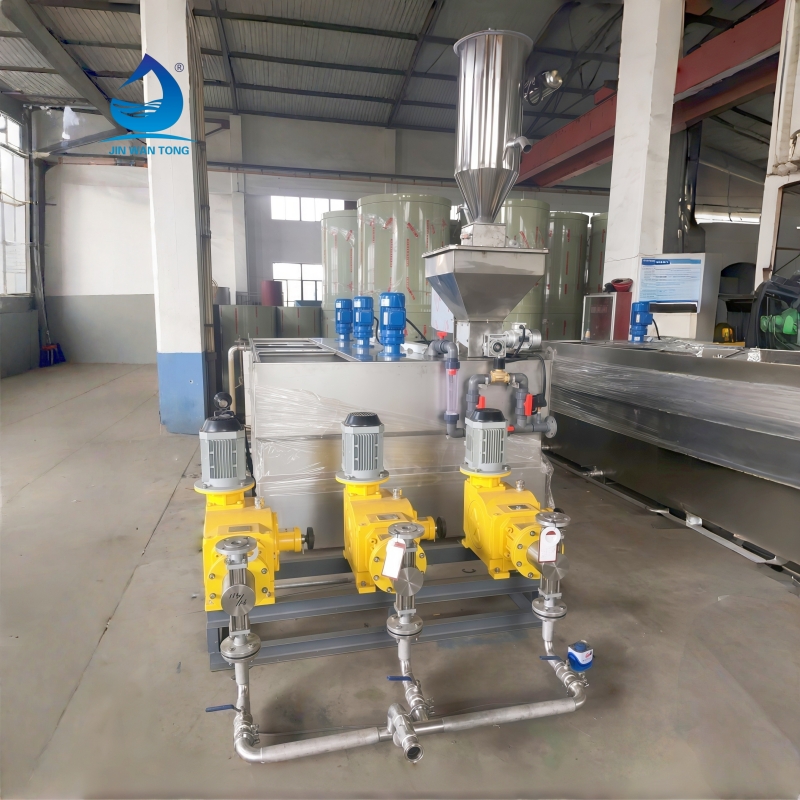
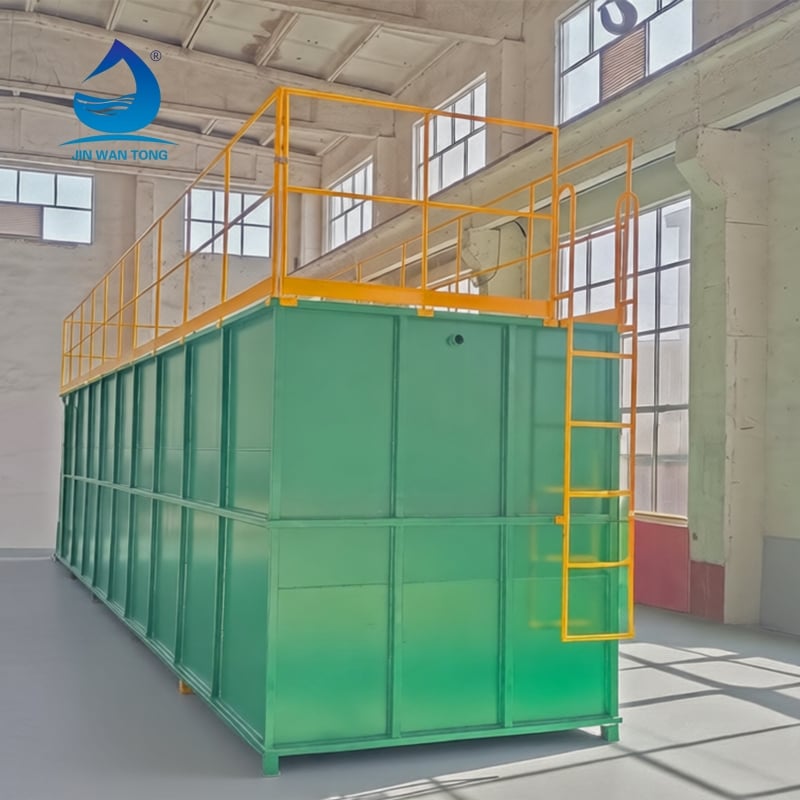
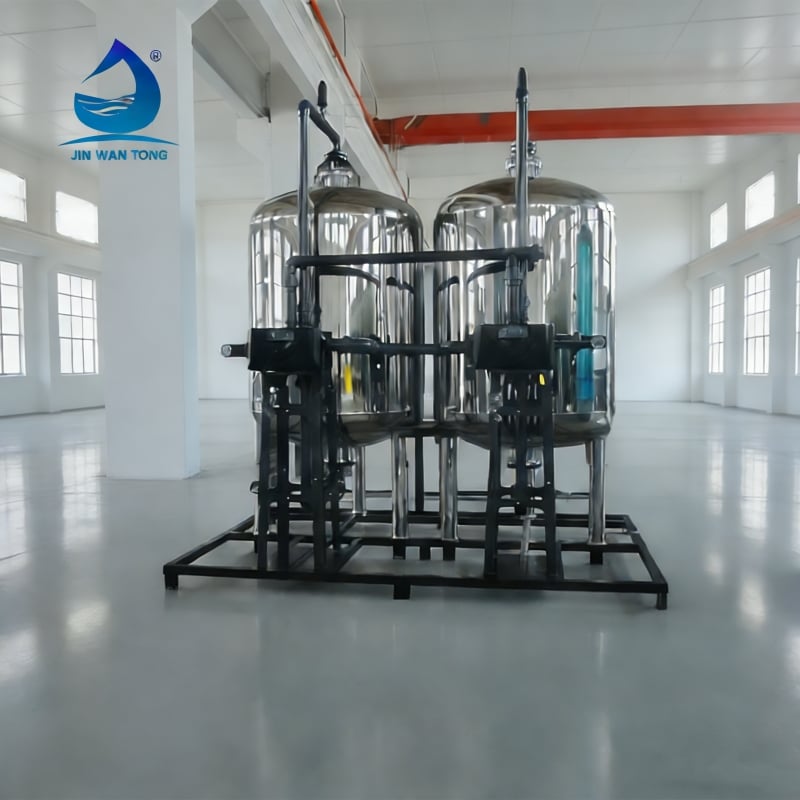
The mbbr wastewater treatment plant represents a revolutionary approach to biological water treatment, utilizing moving bed biofilm reactor technology to achieve superior effluent quality. This innovative system employs specially designed plastic carriers that provide extensive surface area for biofilm growth, creating an optimal environment for microorganisms to break down pollutants effectively. The mbbr wastewater treatment plant combines the benefits of both suspended growth and attached growth processes, delivering exceptional performance in organic matter removal, nitrification, and denitrification processes. The technology features thousands of small plastic media elements that move freely within the reactor, constantly mixing and providing maximum contact between wastewater and active biomass. These carriers maintain a high concentration of specialized bacteria that consume organic pollutants, ammonia, and other contaminants present in wastewater streams. The mbbr wastewater treatment plant operates through aerobic, anoxic, and anaerobic zones, enabling comprehensive treatment of various pollutant types. The system requires minimal maintenance due to its self-regulating biofilm thickness, which prevents clogging issues common in traditional fixed-bed systems. Applications span municipal sewage treatment, industrial wastewater processing, food and beverage industry effluents, pharmaceutical waste treatment, and agricultural runoff management. The mbbr wastewater treatment plant excels in treating high-strength wastewater with fluctuating loads, making it ideal for facilities experiencing variable discharge patterns. The modular design allows easy capacity expansion and retrofitting of existing treatment facilities without extensive infrastructure modifications. Temperature variations, pH fluctuations, and shock loads have minimal impact on treatment efficiency, ensuring consistent performance across diverse operating conditions.

New Products

The mbbr wastewater treatment plant delivers exceptional operational advantages that translate into significant cost savings and improved performance for facility managers. The system requires substantially less space compared to conventional activated sludge processes, reducing land acquisition costs and enabling installation in constrained urban environments. Energy consumption remains remarkably low due to efficient oxygen transfer and reduced aeration requirements, cutting operational expenses by up to thirty percent annually. The mbbr wastewater treatment plant eliminates the need for sludge recirculation, dramatically reducing pumping costs and mechanical wear on equipment components. Maintenance requirements are minimal because the biofilm carriers are self-cleaning and resistant to fouling, reducing downtime and service expenses. The technology handles shock loads and toxic substances effectively, preventing system upsets that could compromise treatment quality and require costly recovery procedures. Start-up times are significantly shorter than traditional biological systems, allowing rapid commissioning and immediate return on investment. The mbbr wastewater treatment plant produces high-quality effluent consistently, meeting stringent discharge standards without additional polishing steps. Sludge production is reduced by approximately forty percent, minimizing disposal costs and environmental impact. The system operates effectively across wide temperature ranges, maintaining performance during seasonal variations without auxiliary heating or cooling. Operational flexibility allows easy adjustment of treatment capacity to match changing flow demands, optimizing resource utilization. The mbbr wastewater treatment plant integrates seamlessly with existing infrastructure, reducing retrofit costs and construction complexity. Automation capabilities enable remote monitoring and control, reducing labor requirements and ensuring optimal performance. The robust design withstands harsh industrial conditions, providing long-term reliability and extended equipment lifespan. Chemical consumption is minimized due to the natural biological processes, reducing ongoing operational costs and environmental footprint.

Tips And Tricks

Overview of the Agricultural Wastewater Treatment Market

17

Dec

Overview of the Agricultural Wastewater Treatment Market

View More
Global Real-Time Wastewater Treatment Update

17

Dec

Global Real-Time Wastewater Treatment Update

View More
Navigating the Waters: The Role of an Industrial Wastewater Treatment Plant

17

Dec

Navigating the Waters: The Role of an Industrial Wastewater Treatment Plant

View More

Get a Free Quote

Our representative will contact you soon.
Email
Name
Company Name
Message
0/1000

mbbr wastewater treatment plant

Advanced Biofilm Technology for Superior Treatment Performance

Advanced Biofilm Technology for Superior Treatment Performance

The mbbr wastewater treatment plant utilizes cutting-edge biofilm technology that fundamentally transforms how biological treatment processes function. The system employs specially engineered plastic carriers with optimal surface area characteristics, providing over 500 square meters of biofilm growth surface per cubic meter of reactor volume. This extensive surface area enables the cultivation of diverse microbial communities that efficiently degrade complex organic compounds, nitrogen species, and phosphorus compounds simultaneously. The biofilm structure creates stratified zones where different bacterial populations thrive, with aerobic organisms on the outer layers and facultative anaerobic bacteria in deeper regions. This natural stratification allows the mbbr wastewater treatment plant to achieve simultaneous nitrification and denitrification within a single reactor, eliminating the need for separate treatment stages. The carriers maintain optimal biofilm thickness through natural shearing forces, preventing the accumulation of inactive biomass that can reduce treatment efficiency. The three-dimensional movement of carriers ensures uniform mixing and prevents dead zones that plague conventional fixed-bed systems. The biofilm matrix protects microorganisms from toxic substances and pH fluctuations, maintaining stable treatment performance under challenging conditions. The mbbr wastewater treatment plant achieves removal efficiencies exceeding ninety-five percent for biochemical oxygen demand and total suspended solids, while achieving ammonia removal rates above ninety percent. The technology enables rapid adaptation to changing wastewater characteristics, with microbial populations adjusting naturally to new substrate conditions within days rather than weeks. This adaptability makes the system particularly valuable for facilities processing variable waste streams or experiencing seasonal fluctuations in pollutant loading.
Compact Design with Exceptional Space Efficiency

Compact Design with Exceptional Space Efficiency

The mbbr wastewater treatment plant revolutionizes space utilization in wastewater treatment through its incredibly compact footprint that delivers maximum treatment capacity per square meter. Traditional activated sludge systems require extensive clarifier tanks, return sludge systems, and large aeration basins that consume valuable real estate. In contrast, the mbbr wastewater treatment plant achieves equivalent treatment performance in approximately fifty percent less space, making it ideal for urban installations where land costs are prohibitive. The compact design stems from the high biomass concentration maintained on the carrier surfaces, enabling treatment of larger organic loads in smaller reactor volumes. The system eliminates the need for secondary clarifiers in many applications, as the biofilm carriers naturally separate from the treated effluent through simple screening mechanisms. This design advantage translates into substantial capital cost savings, reduced construction timelines, and simplified operational procedures. The mbbr wastewater treatment plant can be easily integrated into existing facilities through modular construction techniques, allowing phased capacity increases without disrupting ongoing operations. The vertical configuration options further minimize horizontal space requirements while maintaining optimal hydraulic flow patterns. The reduced footprint enables installation in challenging locations such as industrial sites with limited expansion opportunities, underground facilities, or rooftop applications. Construction costs are significantly lower due to reduced excavation requirements, simplified structural design, and standardized modular components. The compact nature of the mbbr wastewater treatment plant also reduces pipeline lengths, pump sizing requirements, and electrical infrastructure needs. This space efficiency extends to maintenance access requirements, with all major components easily accessible for routine service without extensive platform systems or specialized lifting equipment typical of larger conventional systems.
Exceptional Operational Flexibility and Reliability

Exceptional Operational Flexibility and Reliability

The mbbr wastewater treatment plant provides unmatched operational flexibility that adapts seamlessly to varying treatment demands, seasonal fluctuations, and changing regulatory requirements. The system responds rapidly to flow variations, accommodating peak loads up to three times normal capacity without compromising effluent quality or requiring operational adjustments. This flexibility stems from the naturally resilient biofilm communities that maintain activity during low-flow periods and rapidly increase metabolism when substrate availability increases. The mbbr wastewater treatment plant operates effectively across temperature ranges from near-freezing to forty degrees Celsius, maintaining consistent biological activity through natural adaptation mechanisms. Process control is simplified through the system's inherent stability, requiring minimal operator intervention and reducing the risk of human error. The technology handles toxic shock loads by utilizing the biofilm's natural buffering capacity, which protects core microbial populations from temporary exposure to inhibitory substances. Recovery from upsets occurs within hours rather than weeks, minimizing the impact of operational disruptions on treatment performance. The mbbr wastewater treatment plant enables easy capacity modification through the addition or removal of carrier media, allowing facilities to adjust treatment capacity as demand patterns change over time. Multiple treatment objectives can be achieved simultaneously through proper zone configuration, including carbon removal, nitrification, denitrification, and phosphorus removal in integrated reactor systems. The system maintains stable performance despite variations in influent characteristics, automatically adjusting microbial populations to match changing substrate compositions. Seasonal variations in temperature and flow have minimal impact on treatment efficiency, ensuring consistent compliance with discharge standards throughout the year. The mbbr wastewater treatment plant integrates advanced control systems that optimize aeration rates, mixing intensity, and hydraulic retention times based on real-time monitoring data, maximizing efficiency while minimizing energy consumption.
MBBR Wastewater Treatment Plant: Advanced Biofilm Technology for Efficient Water Treatment

Get a Free Quote

Our representative will contact you soon.
Email
Name
Company Name
Message
0/1000