Advanced Sludge Treatment Plant Solutions: Efficient Waste Processing & Energy Recovery Systems

All Categories

Get a Free Quote

Our representative will contact you soon.
Email
Name
Company Name
Message
0/1000

sludge treatment plant

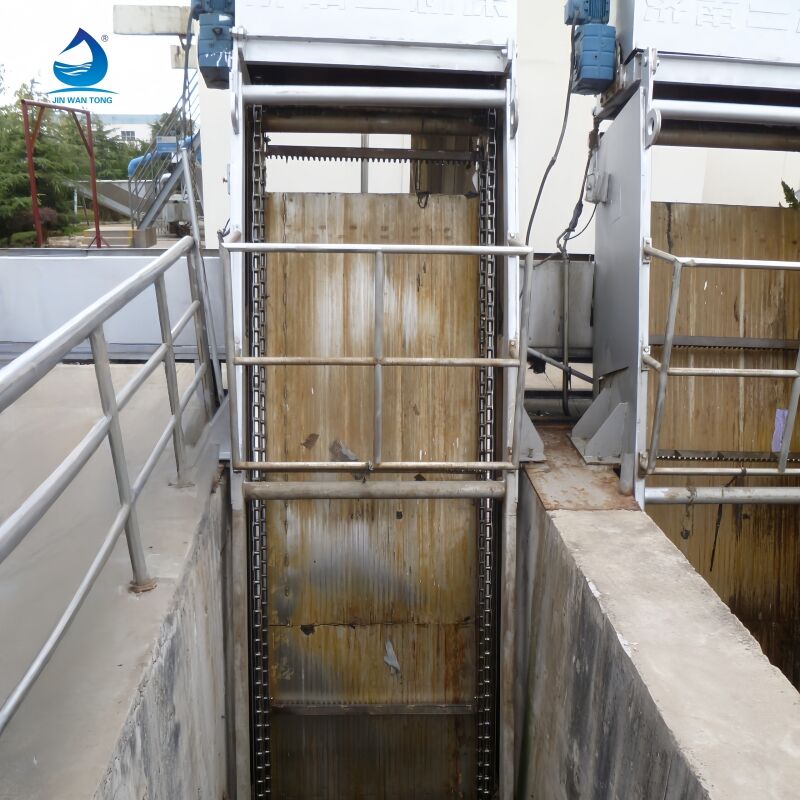
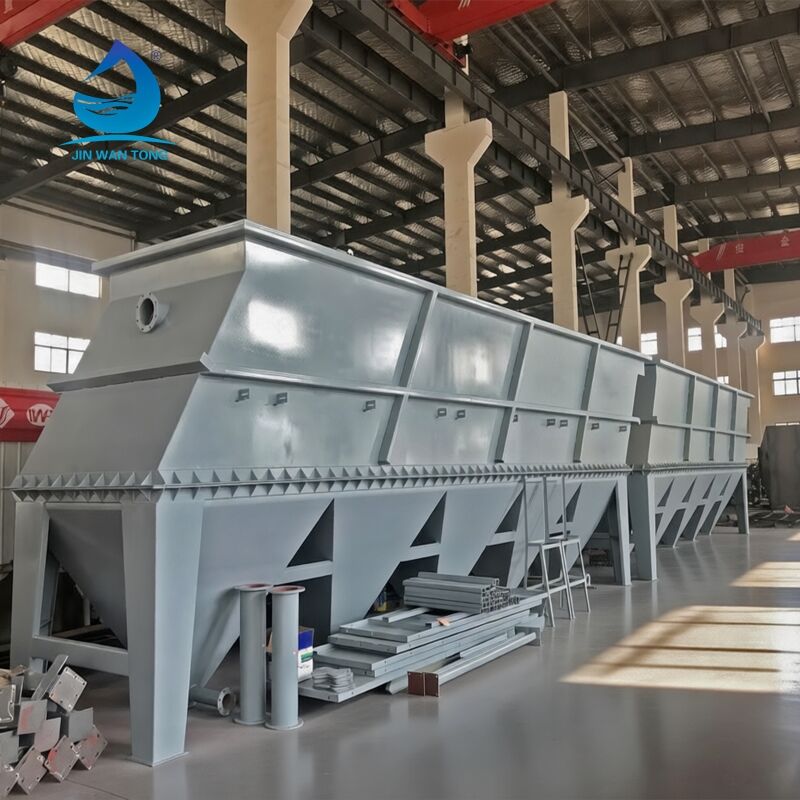
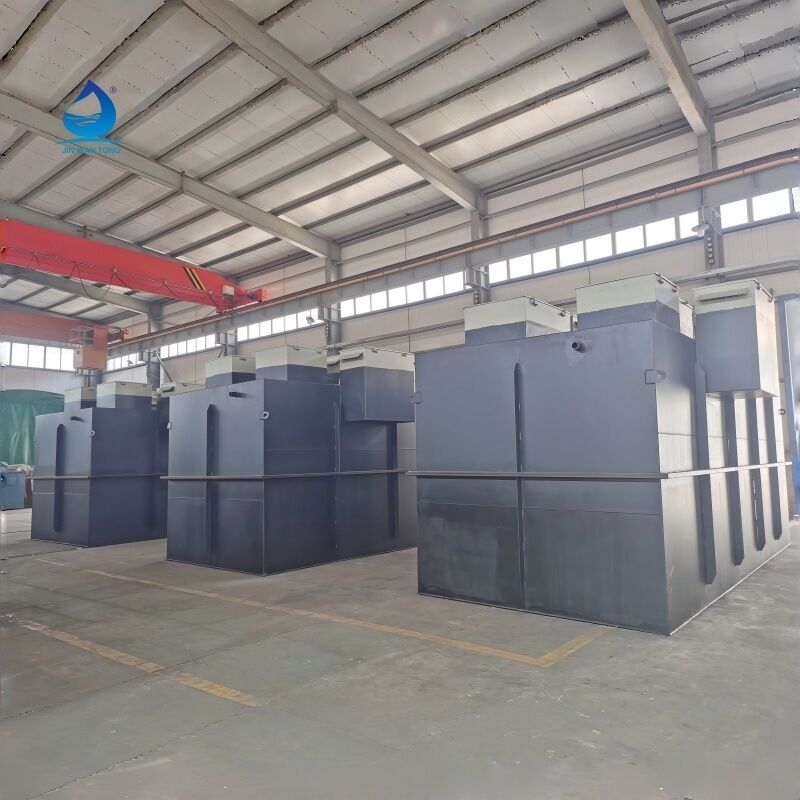
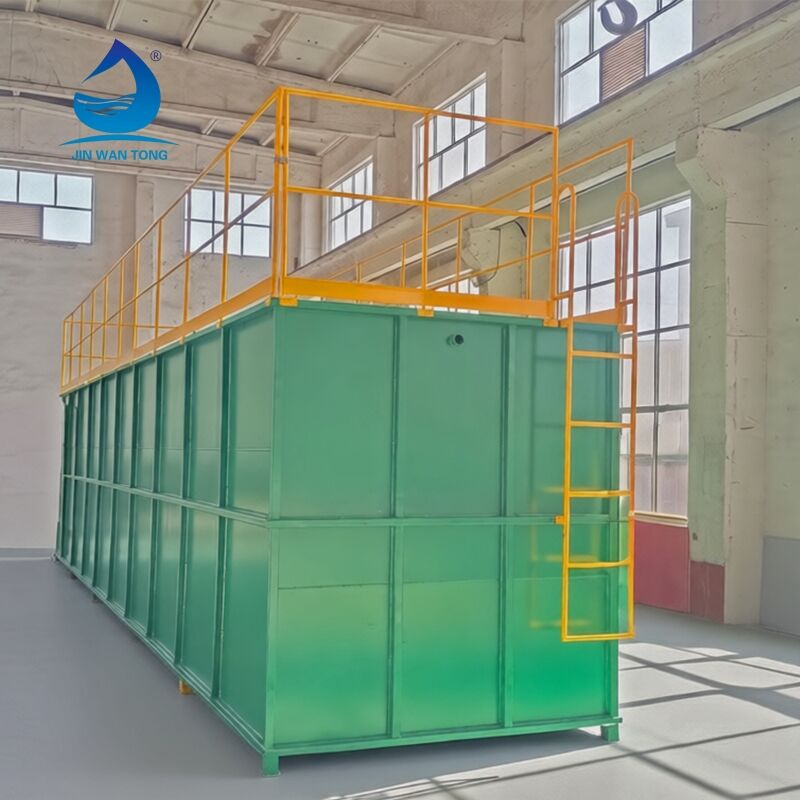
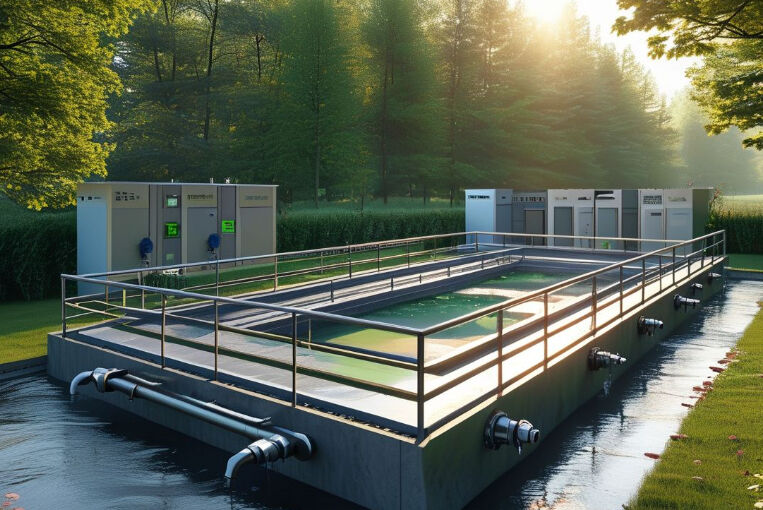
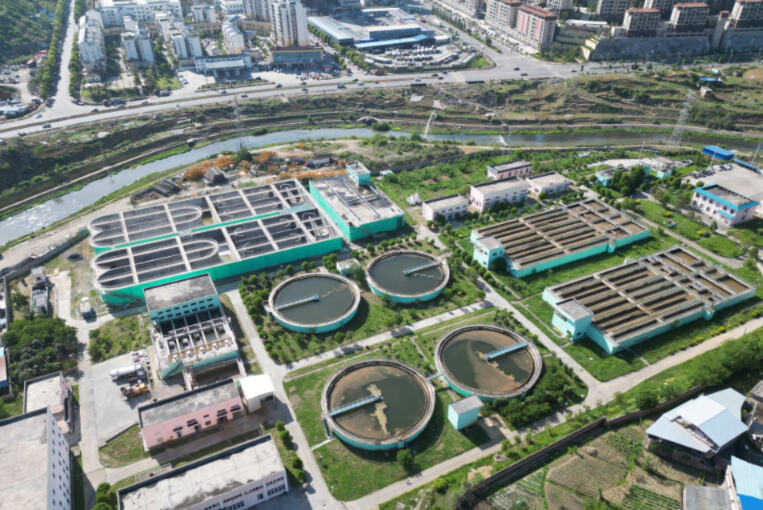
A sludge treatment plant represents a critical infrastructure component designed to process and manage the organic and inorganic waste materials generated from various industrial processes, municipal wastewater treatment facilities, and environmental remediation projects. These specialized facilities employ sophisticated treatment technologies to transform raw sludge into manageable, environmentally compliant materials that can be safely disposed of or beneficially reused. The primary function of a sludge treatment plant involves the systematic reduction of water content, pathogen elimination, and organic matter stabilization through multiple treatment stages. Modern sludge treatment plants incorporate advanced mechanical dewatering systems, thermal processing units, and biological stabilization chambers to achieve optimal treatment outcomes. The technological features of contemporary sludge treatment plants include automated control systems that monitor and adjust treatment parameters in real-time, ensuring consistent performance and regulatory compliance. These facilities typically feature multi-stage processing lines that begin with preliminary screening and thickening, followed by anaerobic or aerobic digestion processes that break down organic compounds while generating biogas as a valuable byproduct. Advanced dewatering technologies such as centrifuges, belt filter presses, and screw presses reduce moisture content significantly, minimizing final disposal volumes and transportation costs. The applications of sludge treatment plants span across municipal wastewater treatment facilities, industrial manufacturing complexes, food processing operations, pharmaceutical companies, and environmental cleanup projects. These versatile installations can be customized to handle varying sludge compositions and volumes, making them suitable for both large-scale municipal operations and smaller industrial applications. The integration of energy recovery systems within modern sludge treatment plants allows facilities to capture methane gas produced during digestion processes, converting waste into renewable energy sources that can offset operational electricity demands and contribute to sustainable facility management practices.

New Products

Sludge treatment plants deliver substantial environmental benefits by transforming potentially harmful waste materials into stable, non-toxic products that meet stringent environmental regulations and protect surrounding ecosystems from contamination. These facilities significantly reduce the volume of waste requiring final disposal, with modern dewatering technologies achieving moisture reduction rates of up to 85 percent, dramatically lowering transportation costs and landfill space requirements. The economic advantages of implementing a sludge treatment plant extend beyond waste reduction, as these systems generate valuable byproducts including biogas for energy production, treated water for reuse applications, and stabilized biosolids suitable for agricultural applications or construction materials. Operational efficiency represents another key advantage, as automated control systems minimize manual labor requirements while ensuring consistent treatment quality and regulatory compliance without constant supervision. The modular design of contemporary sludge treatment plants allows for scalable implementation, enabling organizations to start with smaller systems and expand capacity as needs grow, providing flexibility for future development plans and changing operational requirements. Energy recovery capabilities built into modern sludge treatment plants transform waste processing from an energy-consuming operation into a potential energy-generating facility, with biogas production often offsetting 30-60 percent of total facility energy consumption. The reduced environmental liability associated with proper sludge treatment protects organizations from potential regulatory penalties and cleanup costs that can arise from improper waste management practices. Advanced treatment processes eliminate pathogens and reduce organic content to levels that meet or exceed environmental standards, ensuring long-term compliance and community acceptance. The compact footprint of modern sludge treatment plants maximizes land use efficiency, particularly important for urban installations where space availability limits expansion options. Automated monitoring and control systems provide real-time data collection and reporting capabilities that facilitate regulatory reporting requirements while optimizing treatment performance through continuous process adjustments. The versatility of sludge treatment plants allows for processing diverse waste streams, from municipal biosolids to industrial sludges, providing comprehensive waste management solutions that adapt to changing waste characteristics and regulatory requirements over time.

Practical Tips

Overview of the Agricultural Wastewater Treatment Market

17

Dec

Overview of the Agricultural Wastewater Treatment Market

View More
Global Real-Time Wastewater Treatment Update

17

Dec

Global Real-Time Wastewater Treatment Update

View More
Navigating the Waters: The Role of an Industrial Wastewater Treatment Plant

17

Dec

Navigating the Waters: The Role of an Industrial Wastewater Treatment Plant

View More

Get a Free Quote

Our representative will contact you soon.
Email
Name
Company Name
Message
0/1000

sludge treatment plant

Advanced Dewatering Technology for Maximum Volume Reduction

Advanced Dewatering Technology for Maximum Volume Reduction

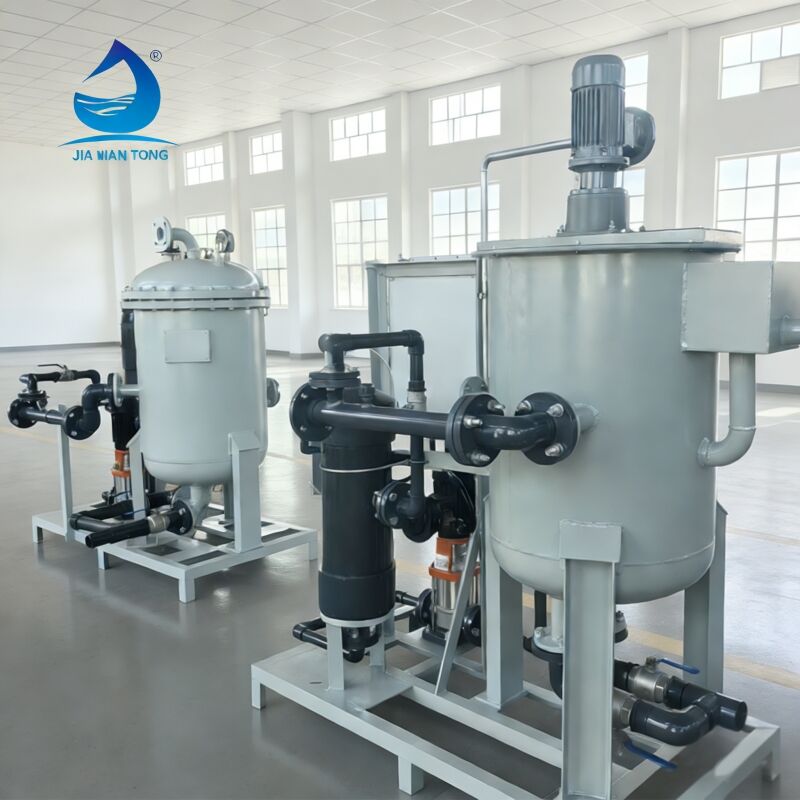
The cornerstone of effective sludge treatment plants lies in their advanced dewatering technology systems that dramatically reduce waste volumes while preparing materials for final processing or disposal. Modern sludge treatment plants incorporate sophisticated mechanical dewatering equipment including high-performance centrifuges, belt filter presses, and screw presses that work in combination to achieve unprecedented moisture removal rates. These systems employ polymer conditioning agents and optimized mechanical separation techniques to extract water content from sludge materials, typically achieving final moisture levels between 15-25 percent compared to initial moisture contents that often exceed 95 percent. The economic impact of this volume reduction cannot be overstated, as transportation costs for final disposal decrease proportionally with reduced material volumes, while landfill fees and disposal charges are minimized through smaller waste quantities. Advanced dewatering technology in sludge treatment plants utilizes automated controls that continuously monitor sludge characteristics and adjust operating parameters to maintain optimal performance regardless of input material variations. The integration of pre-treatment systems including thickening tanks and conditioning units ensures that dewatering equipment operates at peak efficiency while extending equipment lifespan through reduced wear and maintenance requirements. Energy-efficient motor drives and variable frequency controls optimize power consumption during dewatering operations, contributing to overall facility sustainability goals while reducing operational costs. The modular design of modern dewatering systems allows sludge treatment plants to accommodate varying throughput requirements and adapt to changing waste characteristics without requiring complete system replacement. Quality control measures built into advanced dewatering technology ensure consistent cake dryness and minimize polymer consumption through precise dosing controls and real-time performance monitoring. The environmental benefits of effective dewatering extend beyond volume reduction, as properly dewatered sludge materials exhibit improved handling characteristics and reduced leachate potential, enhancing safety during transportation and final disposal operations.
Integrated Energy Recovery Systems for Sustainable Operations

Integrated Energy Recovery Systems for Sustainable Operations

Modern sludge treatment plants feature sophisticated energy recovery systems that transform waste processing operations from energy consumers into partial energy producers through innovative biogas capture and utilization technologies. These integrated systems harness the natural anaerobic digestion processes that occur during sludge stabilization to generate methane-rich biogas, which can be collected, processed, and converted into useful energy for facility operations or external distribution. The anaerobic digestion chambers within sludge treatment plants maintain optimal temperature and pH conditions that maximize biogas production while simultaneously achieving pathogen reduction and organic matter stabilization required for environmental compliance. Advanced gas collection systems capture biogas through sealed reactor vessels and convey the raw gas through conditioning equipment that removes moisture, hydrogen sulfide, and other impurities to produce clean-burning fuel suitable for various energy applications. Combined heat and power (CHP) systems integrated into sludge treatment plants convert biogas into electricity and thermal energy, with electrical generation capabilities often meeting 40-70 percent of facility power requirements while waste heat supports digester heating and facility space conditioning needs. The economic benefits of energy recovery systems compound over time as utility cost savings accumulate, while renewable energy incentives and carbon credit programs provide additional revenue streams that improve overall project economics. Environmental sustainability achieves new levels through integrated energy recovery, as methane capture prevents greenhouse gas emissions while displacing fossil fuel consumption through renewable biogas utilization. Automated monitoring and control systems optimize energy recovery performance by maintaining ideal digester conditions and maximizing gas production while ensuring safety through continuous gas quality monitoring and emergency shutdown capabilities. The scalability of energy recovery systems allows sludge treatment plants to match energy production capacity with facility size and waste throughput, providing cost-effective solutions for installations ranging from small industrial facilities to large municipal treatment works. Excess biogas production beyond facility needs can be processed for injection into natural gas pipelines or converted into compressed natural gas for vehicle fuel applications, creating additional revenue opportunities while supporting broader renewable energy goals.
Automated Control Systems for Reliable Performance and Compliance

Automated Control Systems for Reliable Performance and Compliance

State-of-the-art sludge treatment plants incorporate comprehensive automated control systems that ensure reliable performance, consistent treatment quality, and seamless regulatory compliance through advanced process monitoring and real-time parameter adjustment capabilities. These sophisticated control platforms integrate sensors, programmable logic controllers, and human-machine interfaces to create intelligent treatment systems that respond automatically to changing conditions while maintaining optimal performance parameters. The monitoring capabilities of automated control systems in sludge treatment plants encompass critical parameters including flow rates, temperature, pH levels, dissolved oxygen content, and solids concentrations, providing operators with comprehensive real-time data to support decision-making and process optimization. Automated chemical dosing systems precisely control polymer addition rates, pH adjustment chemicals, and other treatment additives based on continuous feedback from process sensors, minimizing chemical consumption while ensuring effective treatment performance. The predictive maintenance capabilities built into modern control systems monitor equipment performance parameters and provide early warning alerts for potential mechanical issues, reducing unplanned downtime and extending equipment service life through proactive maintenance scheduling. Data logging and reporting functions automatically generate comprehensive records of treatment performance, chemical usage, energy consumption, and environmental compliance parameters, simplifying regulatory reporting requirements while providing valuable information for process optimization and cost management. Remote monitoring capabilities allow operators to supervise sludge treatment plant operations from off-site locations, reducing staffing requirements while maintaining operational oversight through secure internet connections and mobile device applications. The safety enhancement features of automated control systems include emergency shutdown procedures, gas detection systems, and confined space monitoring that protect personnel while ensuring safe facility operation under all conditions. Alarm management systems prioritize notifications based on severity levels and provide clear guidance for appropriate responses to abnormal conditions, supporting rapid problem resolution and minimizing potential process disruptions. The integration capabilities of modern control systems allow sludge treatment plants to interface with broader facility management systems, sharing data and coordinating operations with upstream and downstream processes for optimized overall facility performance and enhanced operational efficiency through systematic process integration.
Advanced Sludge Treatment Plant Solutions: Efficient Waste Processing & Energy Recovery Systems

Get a Free Quote

Our representative will contact you soon.
Email
Name
Company Name
Message
0/1000