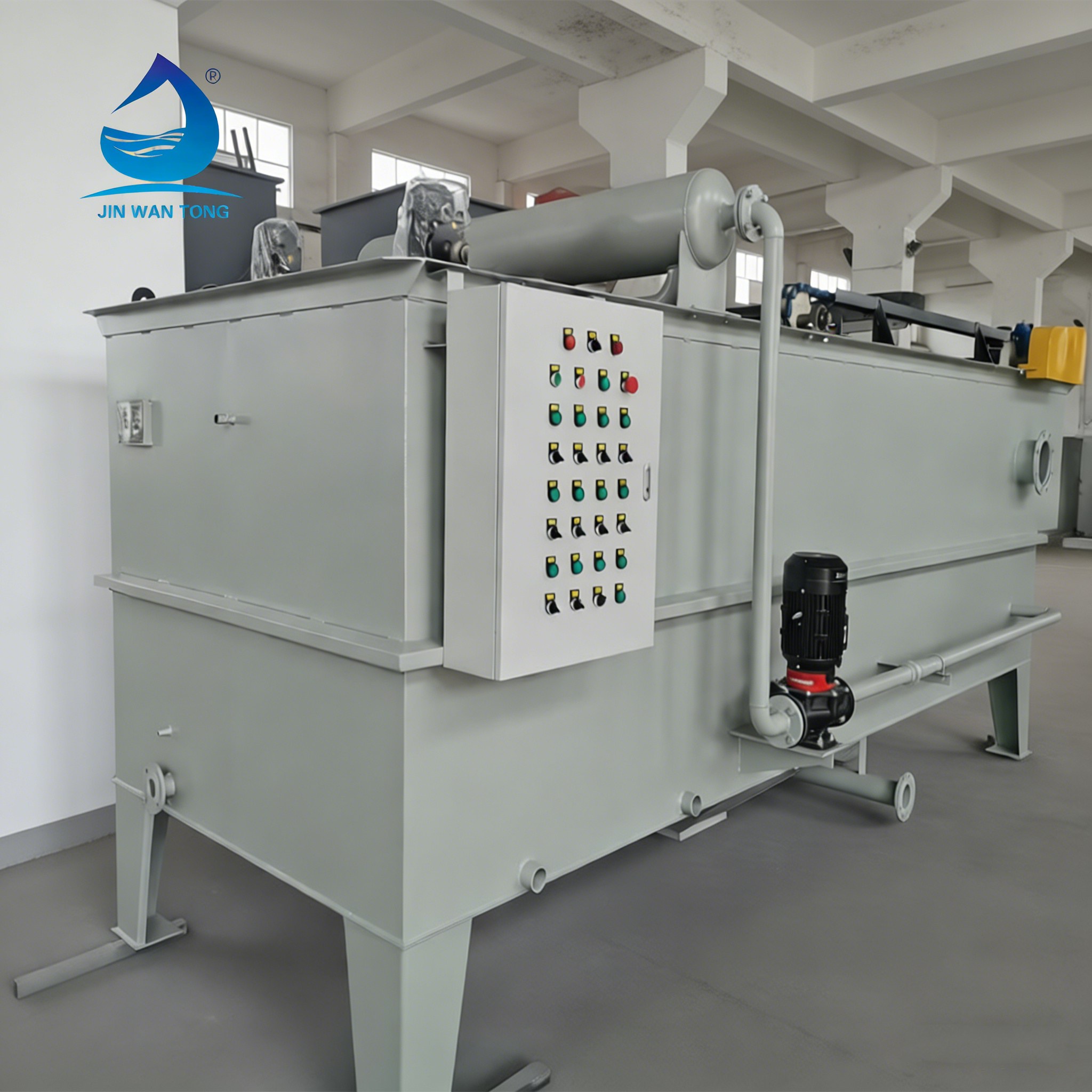
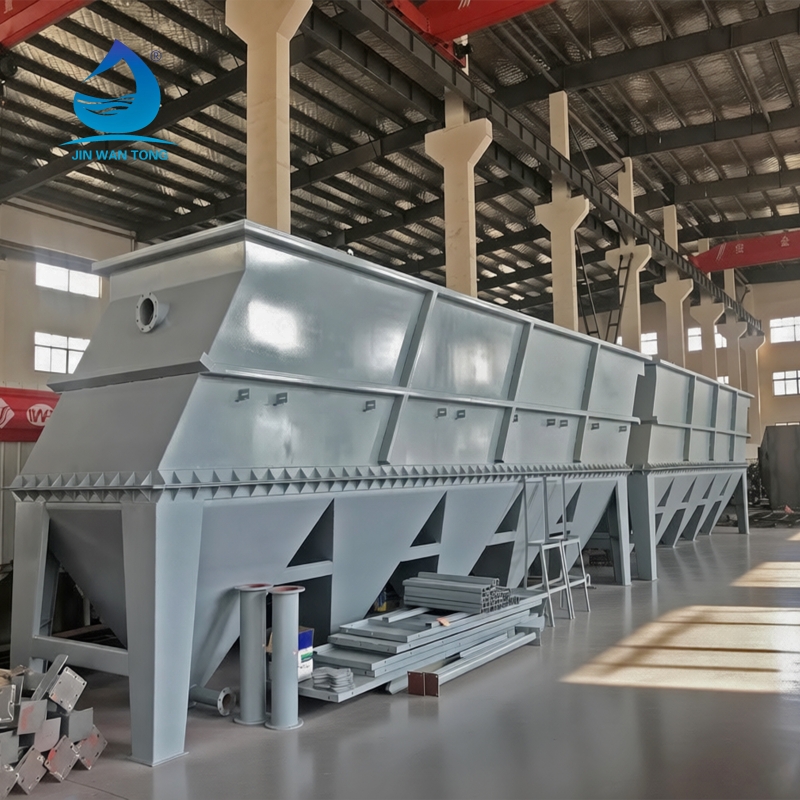
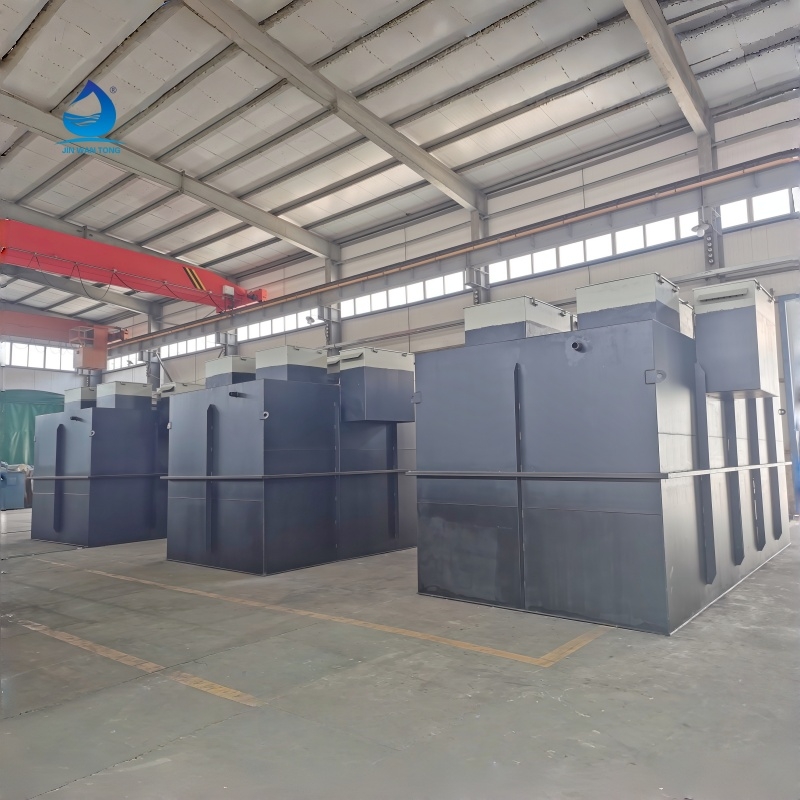
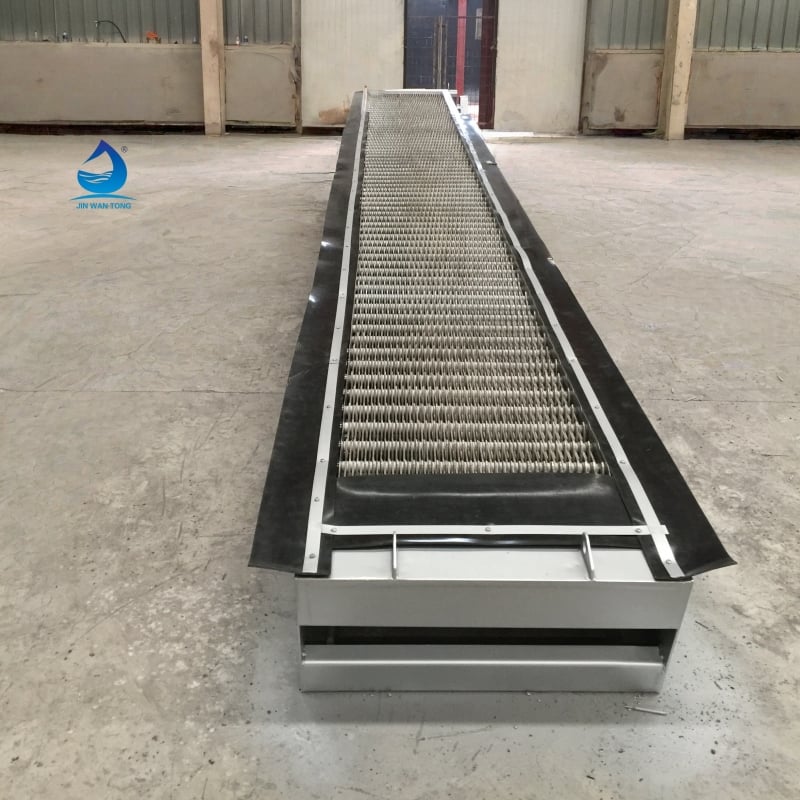
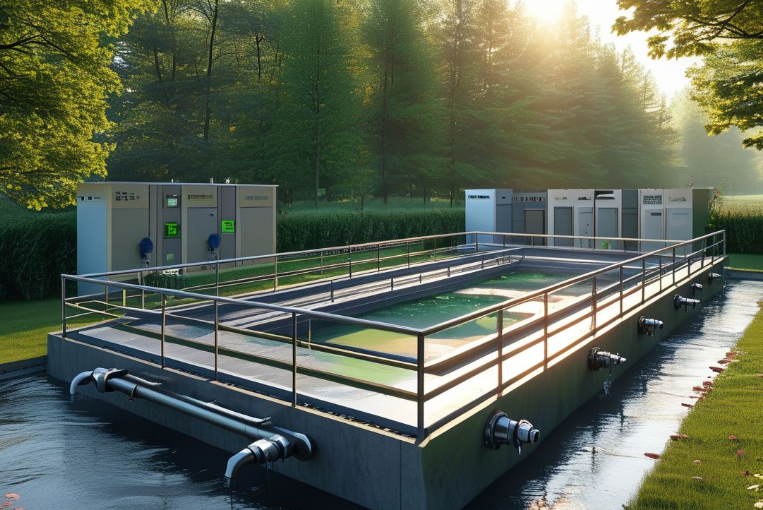
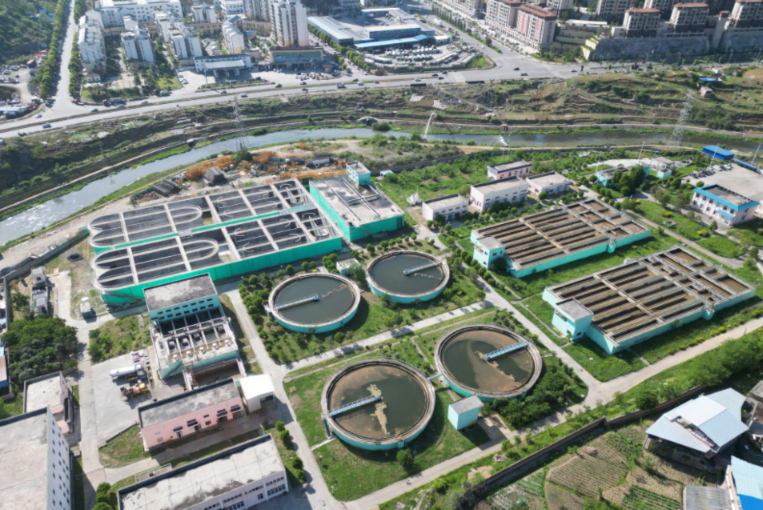
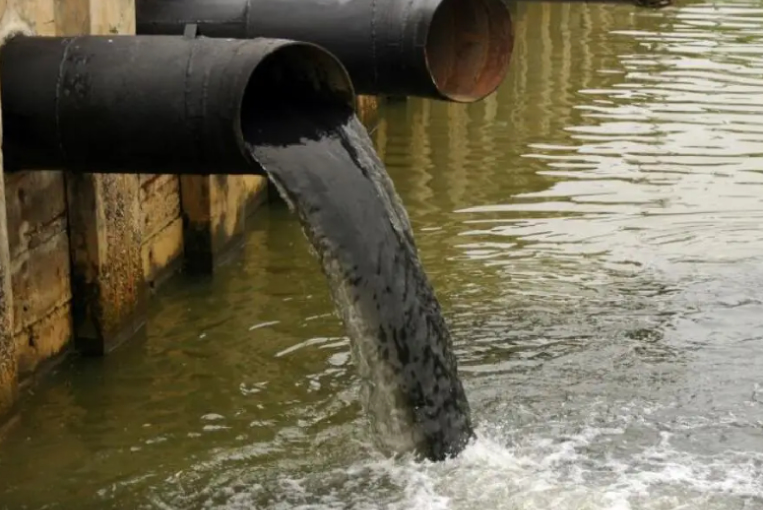
Grease trap price is not determined by one fixed number. For commercial kitchens, restaurants, hotels, central kitchens and food processing plants, the price depends on equipment size, wastewater flow, grease concentration, material, structure and customization requirements. A low-cost unit may look attractive at first, but if it is undersized or difficult to clean, it can lead to pipe blockage, odor, overflow and higher maintenance costs.
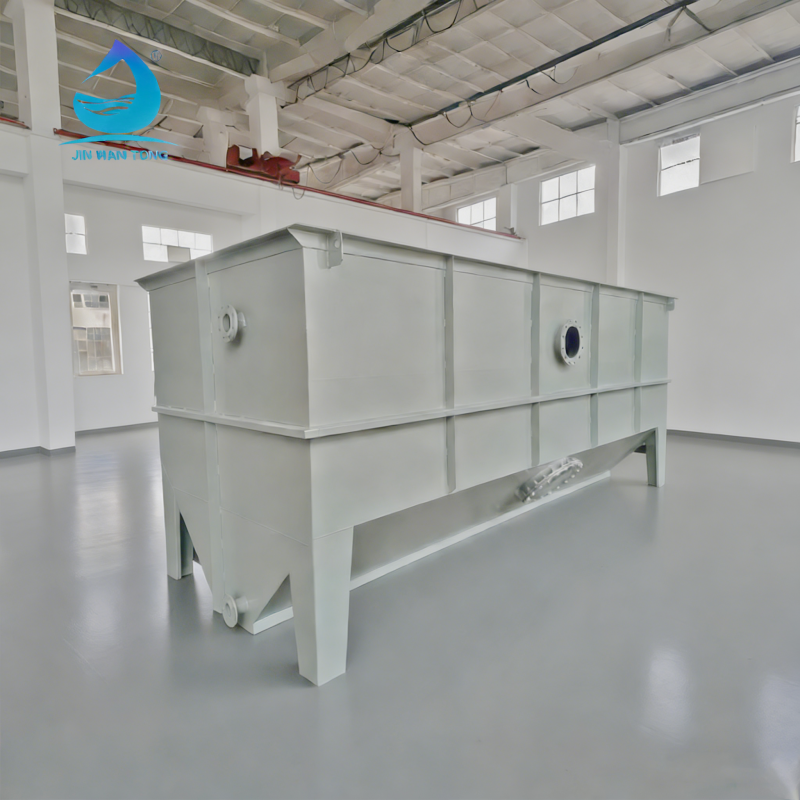
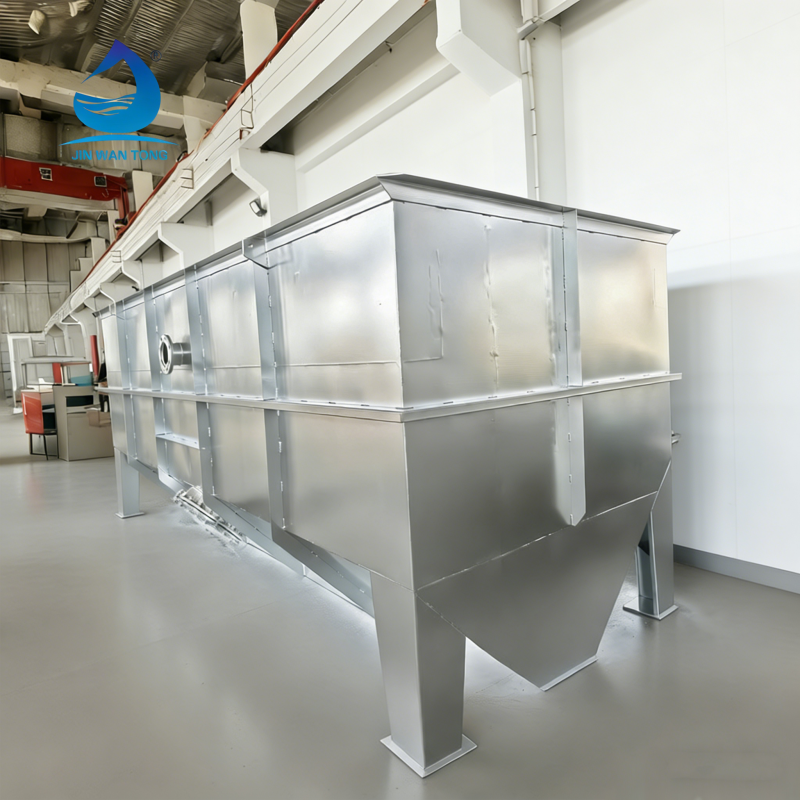
A grease trap, also called a grease interceptor or FOG separator, is used to remove fats, oils, grease, floating scum and part of settleable solids from kitchen or food processing wastewater. Wastewater enters the tank, flow velocity slows down, grease floats to the top, heavier solids settle at the bottom and the middle water layer flows out to drainage or further treatment.
A typical process is:
Oily Wastewater → Inlet Distribution → Grease Separation → Solids Settling → Outlet WaterThe first major price factor is capacity and flow rate. A small under-sink grease trap for a café or light-duty restaurant usually costs less than a large floor-mounted or underground grease interceptor for a hotel, canteen or food factory. Peak flow should also be considered, because wastewater discharge is often uneven during busy kitchen hours.
The second factor is material. Stainless steel is commonly used in commercial kitchens because it is hygienic, corrosion-resistant and easier to clean. Carbon steel with anti-corrosion coating, FRP or other materials may be suitable for larger outdoor or industrial applications. Different materials affect durability, maintenance and total cost.
The third factor is customization. Standard equipment may be suitable for simple projects, but many sites require special dimensions, inlet/outlet elevations, pipe directions, sealed covers, odor control, cleaning ports, sludge discharge design or anti-corrosion treatment. Custom manufacturing increases engineering and production work, but it can reduce installation problems and long-term maintenance difficulty.
The fourth factor is treatment target. A grease trap mainly removes separable FOG and settleable solids. If wastewater contains emulsified oil, high COD, detergents or strict discharge requirements, additional equipment may be needed, such as CPI oil-water separator, DAF dissolved air flotation, chemical dosing, filtration, biological treatment or packaged sewage treatment plant. In that case, the project price should be evaluated as a complete wastewater treatment solution, not only a single tank.
Qingdao Jinwantong provides customized grease traps and supporting wastewater treatment equipment. To get an accurate quotation, buyers should provide wastewater source, flow rate, peak flow, grease load, TSS, pH, temperature, installation space, material preference, discharge target, project location and required quantity.
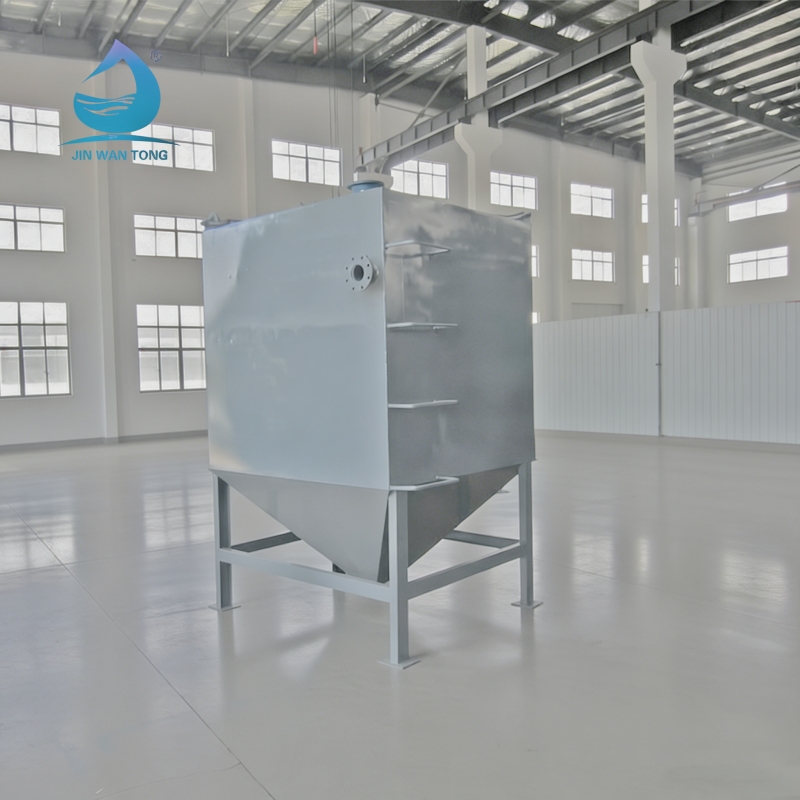
Qingdao Jinwantong provides industrial sewage treatment equipment for global clients. Our MBR, DAF, STP, and oil-water separation systems ensure compliance with national discharge standards. Trusted across 6 continents. Contact us today.
43,Cangnan Road, Cangma Town, Qingdao, Shandong, China
Copyright © 2026 Qingdao Jinwantong Environmental Science And Technology Co., Ltd. All rights reserved. Privacy Policy
 EN
EN