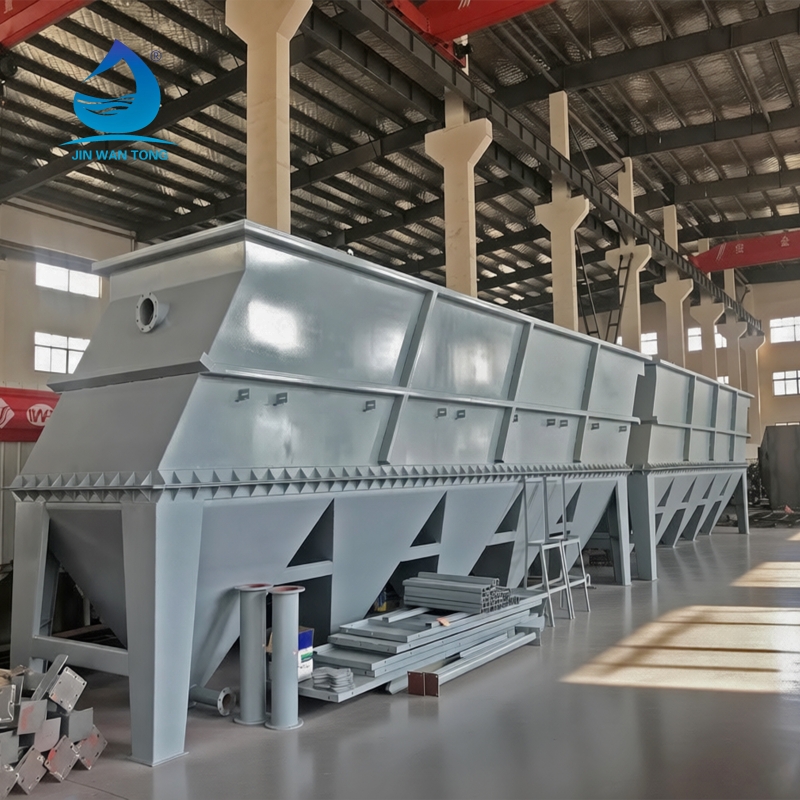
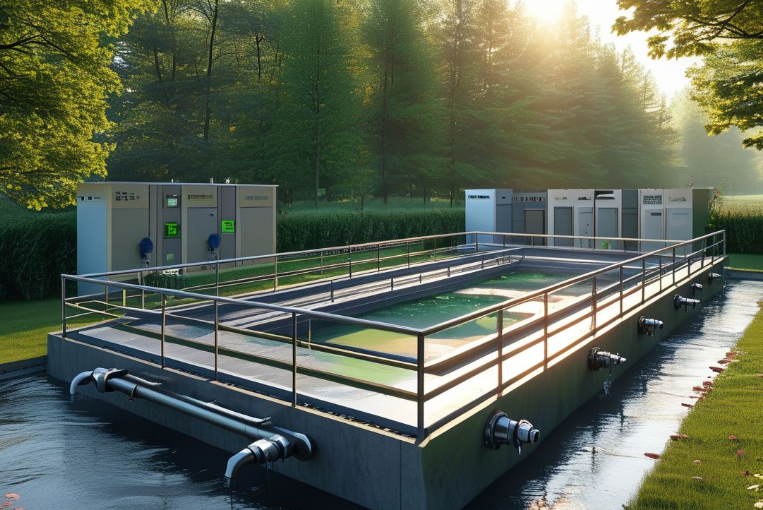
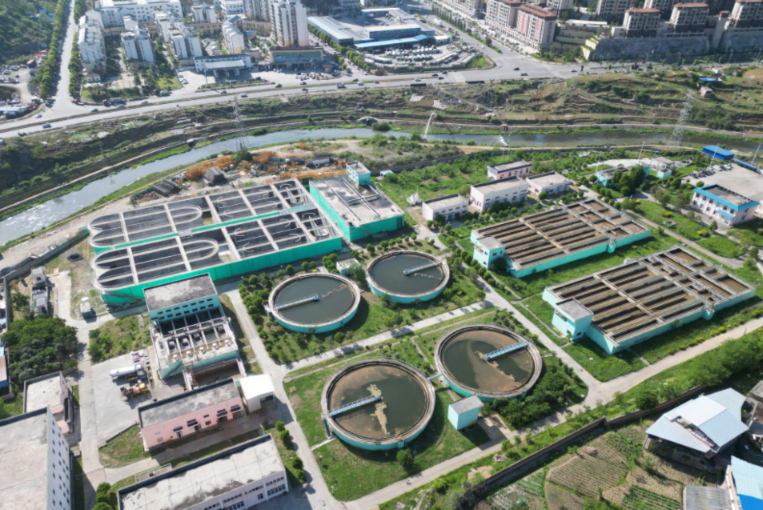
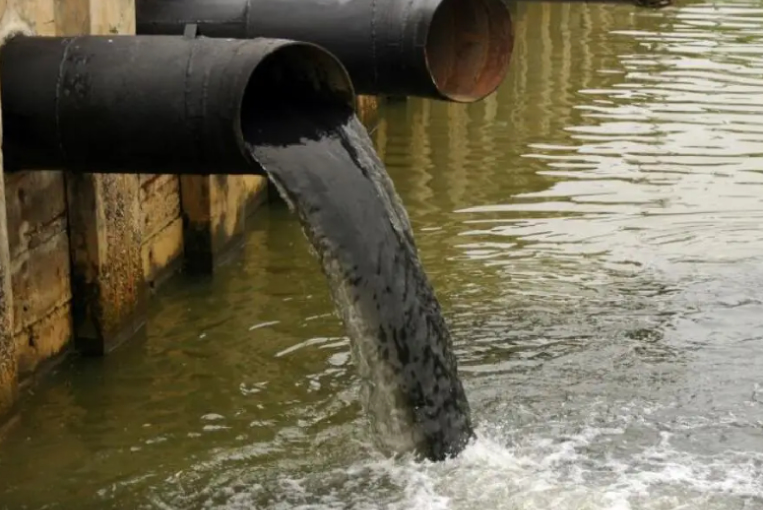
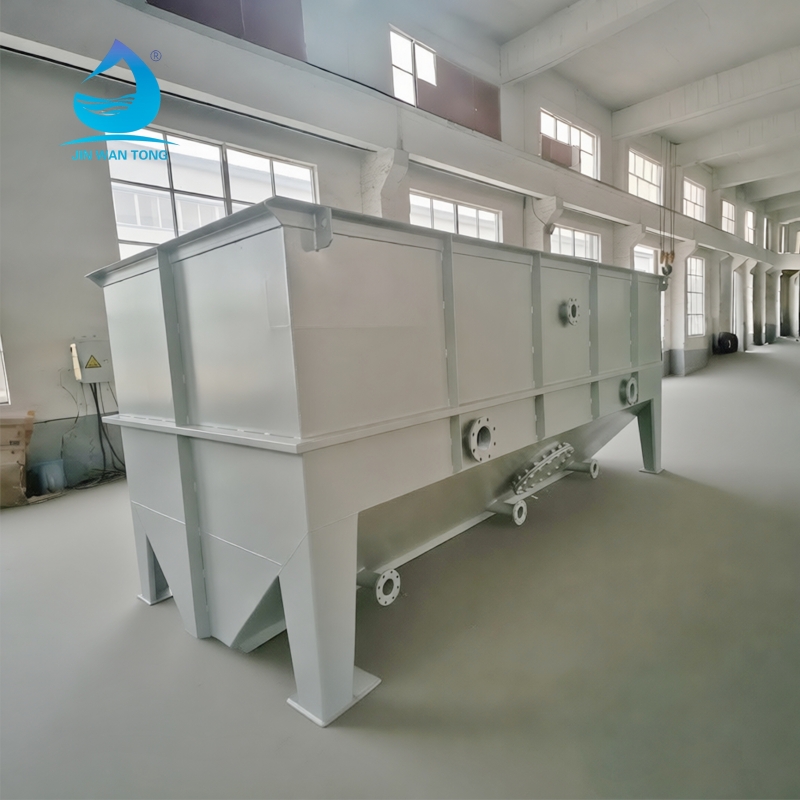
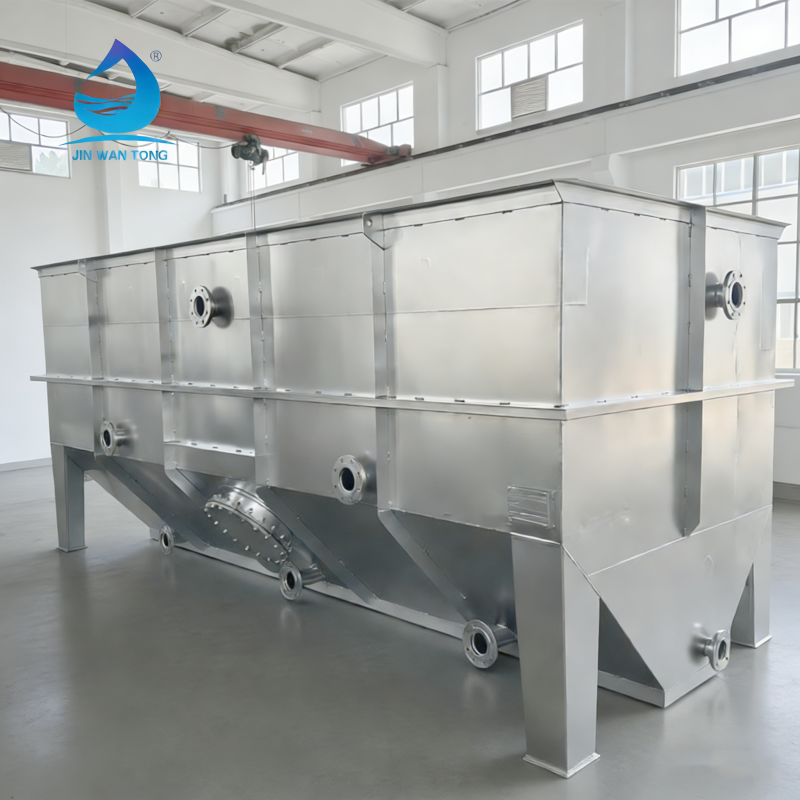
An industrial grease trap is a pretreatment device used to separate fats, oils, grease, floating scum and part of settleable solids from wastewater before it enters drainage pipelines, municipal sewers or downstream wastewater treatment systems. It is also known as an industrial grease interceptor, grease separator or FOG removal unit.
Industrial and commercial wastewater may contain cooking oil, animal fat, vegetable oil, sauces, food residues, detergents, production residues and suspended solids. Common sources include food processing factories, central kitchens, catering facilities, hotels, canteens, meat processing plants, bakeries and other sites where oily wastewater is generated. If grease is discharged directly, it may cool and solidify inside pipelines, causing blockage, odor, sewer maintenance issues and higher treatment costs.
The working principle of an industrial grease trap is based on gravity separation. Wastewater enters the inlet chamber and the flow velocity is reduced. Because grease is lighter than water, it floats to the surface. Heavier food particles and solids settle at the bottom. The middle water layer flows through the outlet to the next treatment stage or discharge point.
A typical process is:
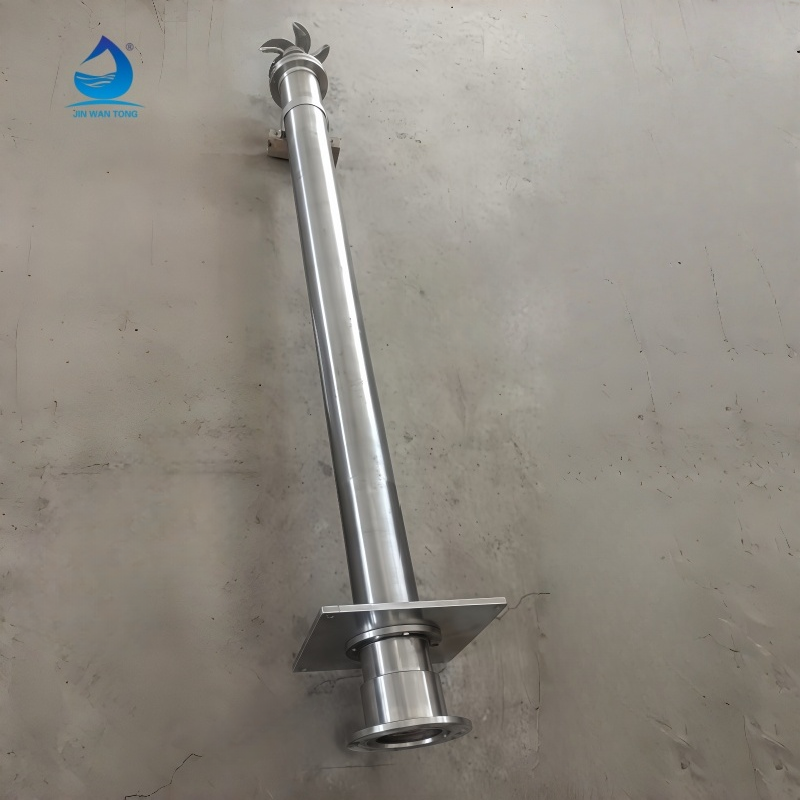
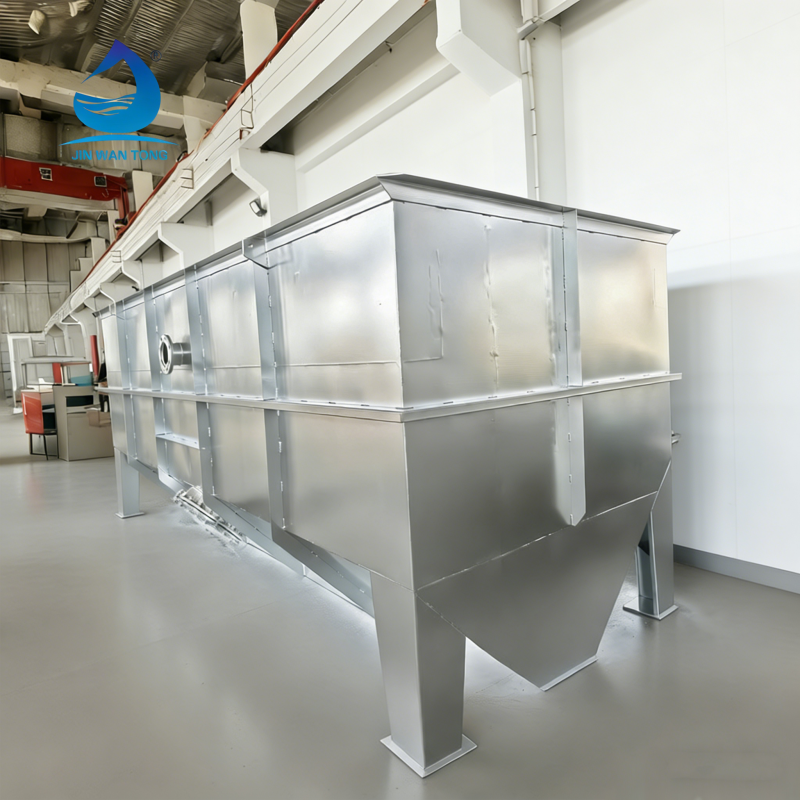
Oily Wastewater → Inlet Distribution → Grease Floating → Solids Settling → Outlet Water → Further TreatmentA complete industrial grease trap may include an inlet pipe, flow baffle, separation chamber, grease storage zone, solids settling zone, outlet pipe, removable cover, cleaning access, sludge discharge section, sealing structure and optional monitoring or control components. For industrial conditions, equipment material is important. Stainless steel is often selected for hygiene and corrosion resistance, while carbon steel with anti-corrosion coating, FRP or other materials may be used depending on wastewater characteristics and installation environment.
Correct selection should consider more than tank volume. Buyers should provide average flow rate, peak flow, grease concentration, suspended solids content, wastewater temperature, pH, operating hours, installation space, indoor or outdoor placement, inlet/outlet elevation, cleaning method and discharge requirements. These parameters affect tank size, retention time, internal structure, material selection and maintenance design.
It is also important to understand the treatment boundary. An industrial grease trap mainly removes separable FOG and settleable solids. It cannot completely remove emulsified oil, dissolved COD, detergents, nutrients or soluble pollutants. If the project has strict discharge standards, the grease trap may need to work with CPI oil-water separation, DAF, chemical dosing, biological treatment, filtration or packaged sewage treatment systems.
Maintenance directly affects separation efficiency. Operators should regularly remove accumulated grease, discharge sludge, clean internal baffles, inspect inlet and outlet flow, and prevent excessive buildup. If maintenance is delayed, grease may escape from the outlet and affect downstream systems.
Qingdao Jinwantong provides customized industrial grease traps and supporting wastewater treatment equipment. Buyers can send wastewater source, flow rate, grease load, TSS, site layout, material preference and treatment target for selection and quotation.

Qingdao Jinwantong provides industrial sewage treatment equipment for global clients. Our MBR, DAF, STP, and oil-water separation systems ensure compliance with national discharge standards. Trusted across 6 continents. Contact us today.
43,Cangnan Road, Cangma Town, Qingdao, Shandong, China
Copyright © 2026 Qingdao Jinwantong Environmental Science And Technology Co., Ltd. All rights reserved. Privacy Policy
 EN
EN