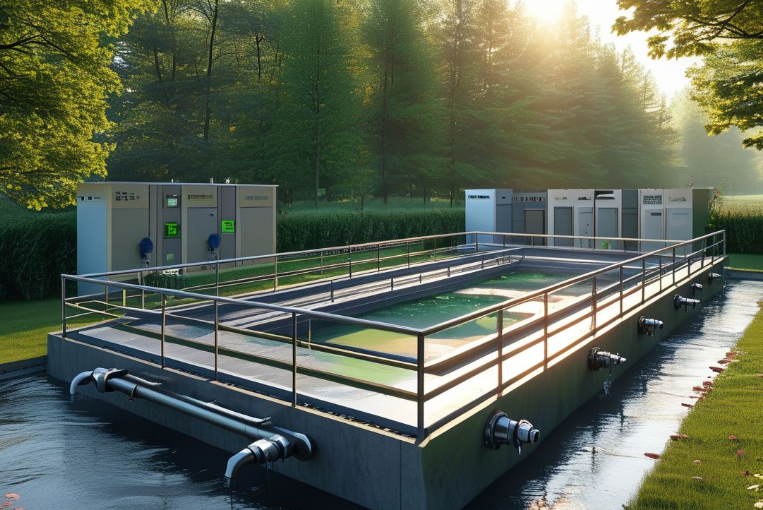
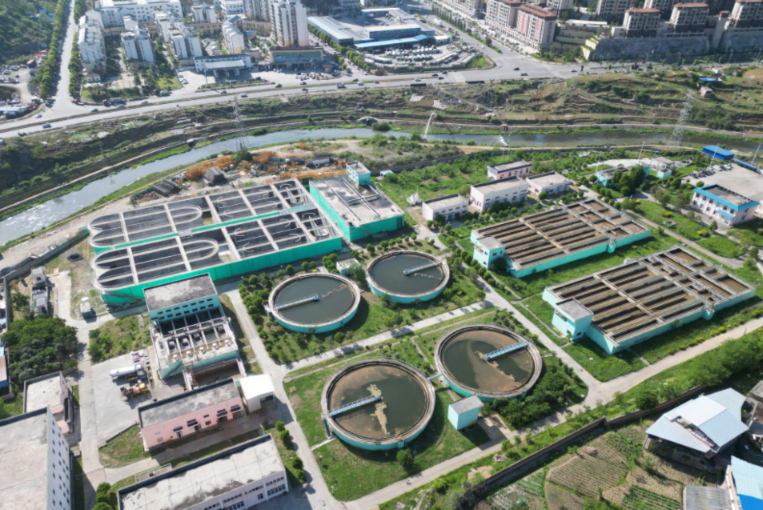
Restaurant grease trap cleaning is a routine maintenance process used to remove accumulated fats, oils, grease, floating scum and settled food solids from a commercial kitchen grease trap. A grease trap, also called a grease interceptor or kitchen oil separator, works by slowing wastewater flow so grease can float to the surface and heavier solids can settle at the bottom.
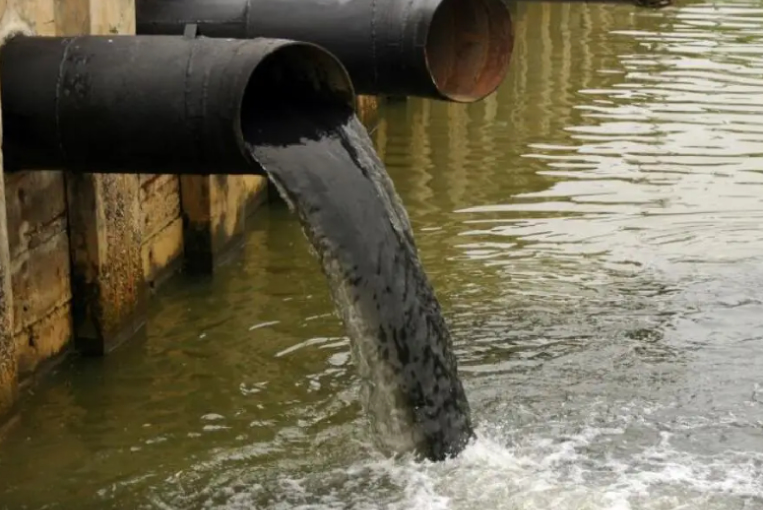
In restaurants, wastewater from dishwashing sinks, food preparation areas and kitchen cleaning may contain cooking oil, animal fat, vegetable oil, sauces, cream, food particles and detergents. If grease is allowed to enter the drainage system directly, it can cool, solidify and build up inside pipes. This often leads to unpleasant odor, slow drainage, pipe blockage, overflow and emergency maintenance costs.
A typical grease trap cleaning process includes:
Stop Water Flow → Open Cover → Remove Floating Grease → Remove Settled Solids → Clean Baffles → Check Inlet/Outlet → ReassembleBefore cleaning, operators should stop wastewater flow and wear suitable protective equipment. After opening the cover, floating grease should be removed first and collected in a proper waste container. Then settled sludge and food solids should be removed from the bottom. Internal baffles, inlet pipes and outlet pipes should be cleaned to prevent clogging. Finally, the cover should be sealed properly and the system should be checked for normal flow.
Cleaning frequency depends on restaurant size, grease load, cooking style, tank volume and local maintenance requirements. A busy restaurant or commercial kitchen may need frequent inspection and scheduled cleaning, while a small café may require less frequent maintenance. A useful practical rule is to clean the grease trap before grease and solids occupy too much of the tank volume, because excessive buildup reduces retention time and allows FOG to escape through the outlet.
It is important to understand that cleaning is not only about removing odor. Regular grease trap maintenance protects the entire wastewater system. If the unit is overloaded, separated grease can be carried into the sewer, DAF system, biological treatment unit or packaged wastewater plant, causing unstable operation and higher maintenance pressure.
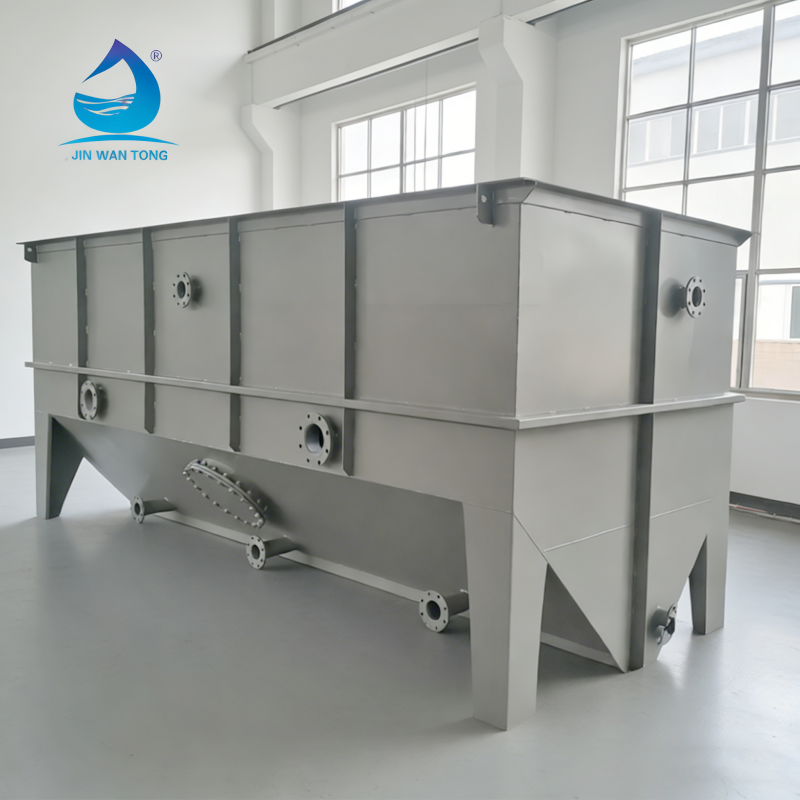
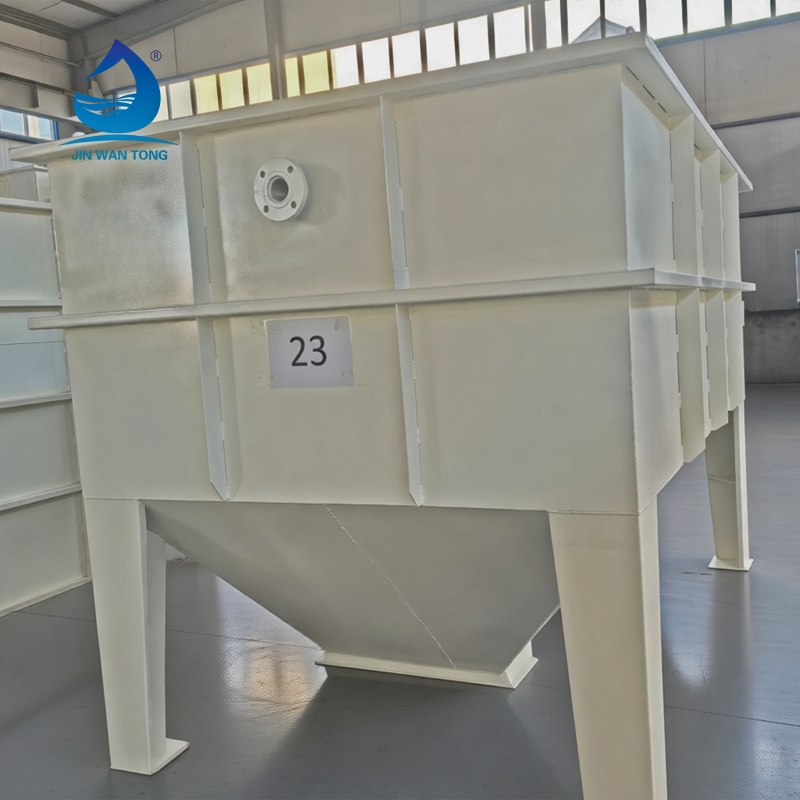
Grease trap design also affects cleaning efficiency. A maintenance-friendly unit should have proper access covers, suitable baffle structure, enough grease storage capacity, easy sludge removal and an inlet/outlet layout that matches site piping. Stainless steel is commonly used in restaurant applications because it is hygienic, corrosion-resistant and easier to clean.
Qingdao Jinwantong does not claim local on-site cleaning service without project confirmation. Instead, we provide grease traps and wastewater treatment equipment designed for easier operation and maintenance. Buyers can send kitchen type, sink quantity, flow rate, grease load, installation space and discharge target for equipment selection and quotation.
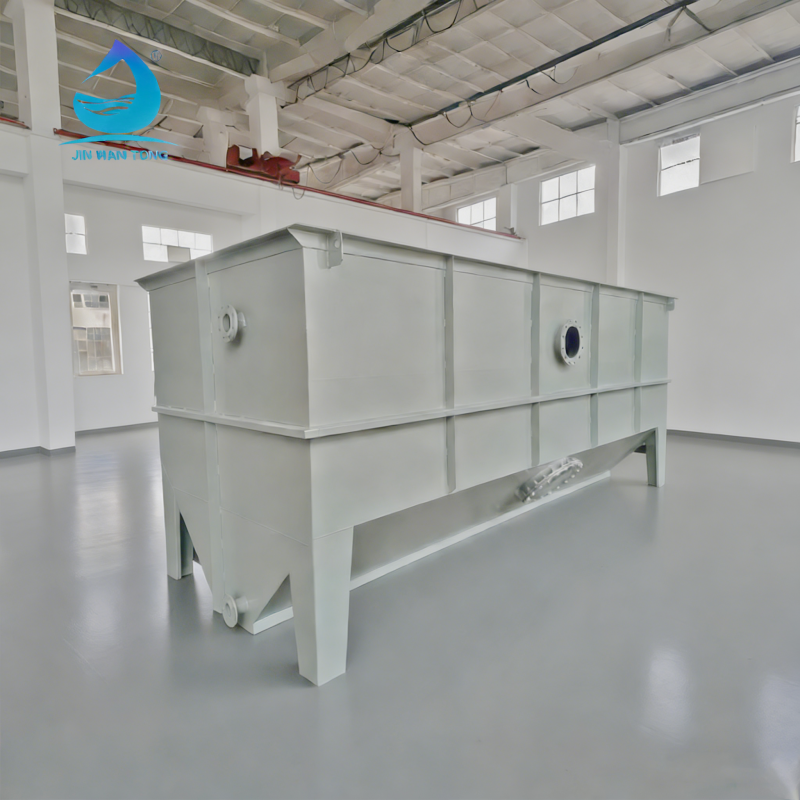
Qingdao Jinwantong provides industrial sewage treatment equipment for global clients. Our MBR, DAF, STP, and oil-water separation systems ensure compliance with national discharge standards. Trusted across 6 continents. Contact us today.
43,Cangnan Road, Cangma Town, Qingdao, Shandong, China
Copyright © 2026 Qingdao Jinwantong Environmental Science And Technology Co., Ltd. All rights reserved. Privacy Policy
 EN
EN