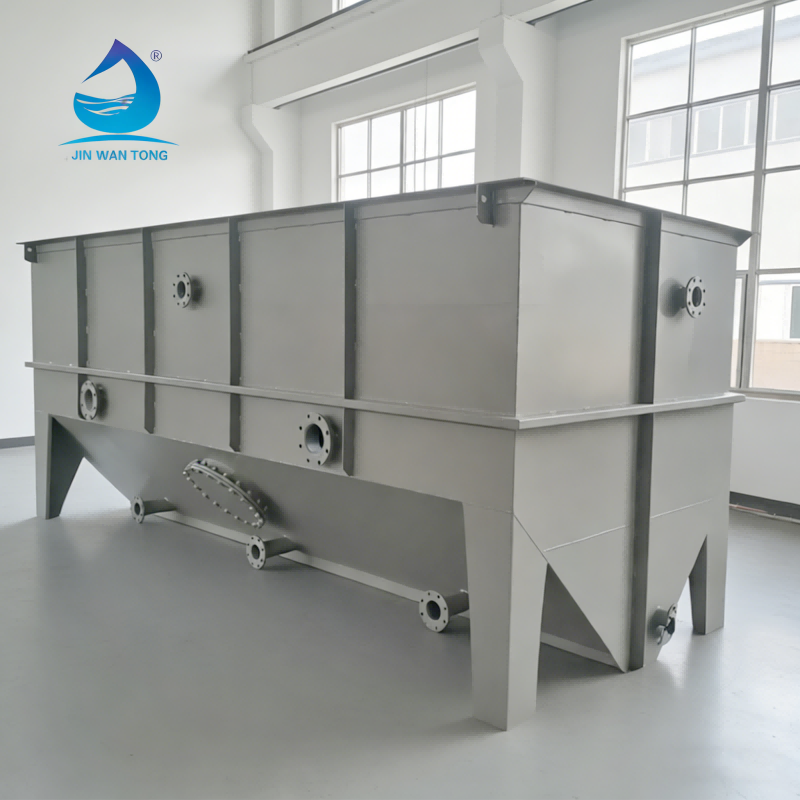
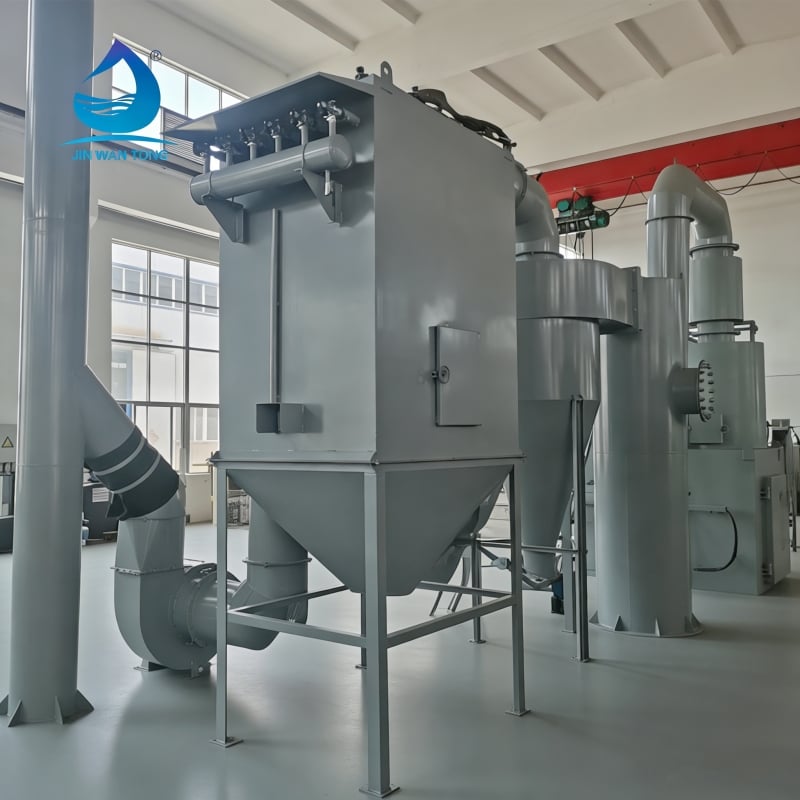
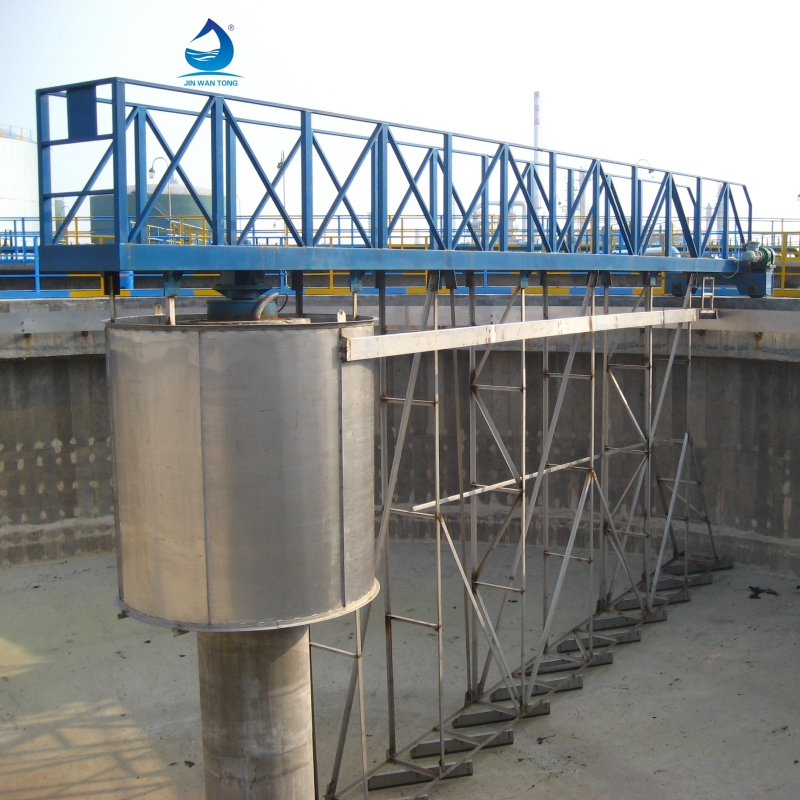
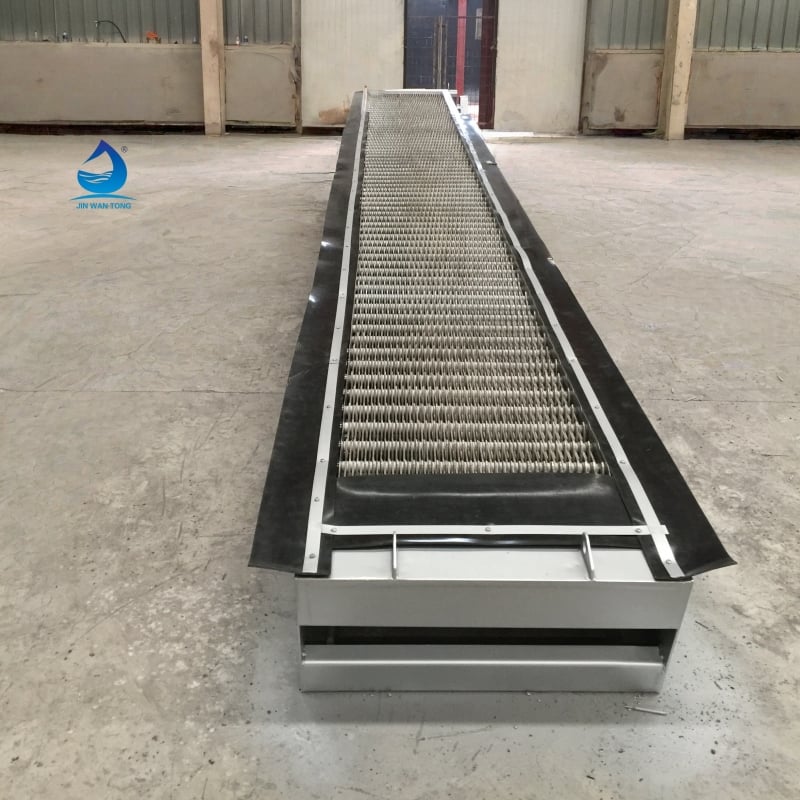
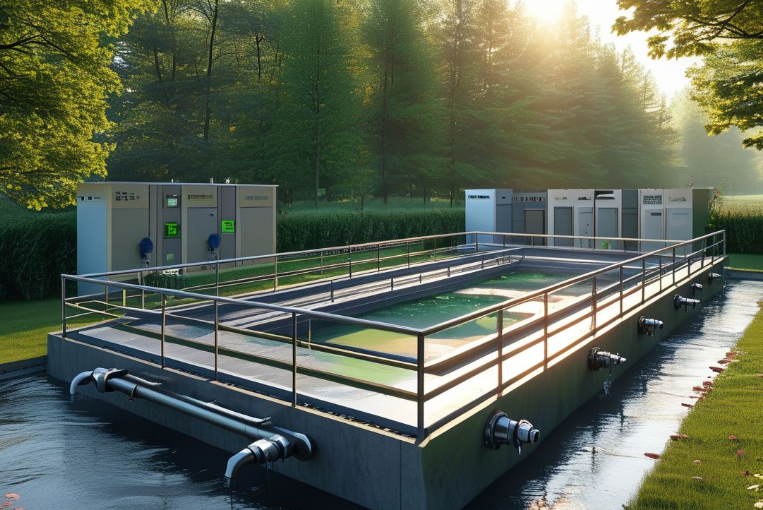
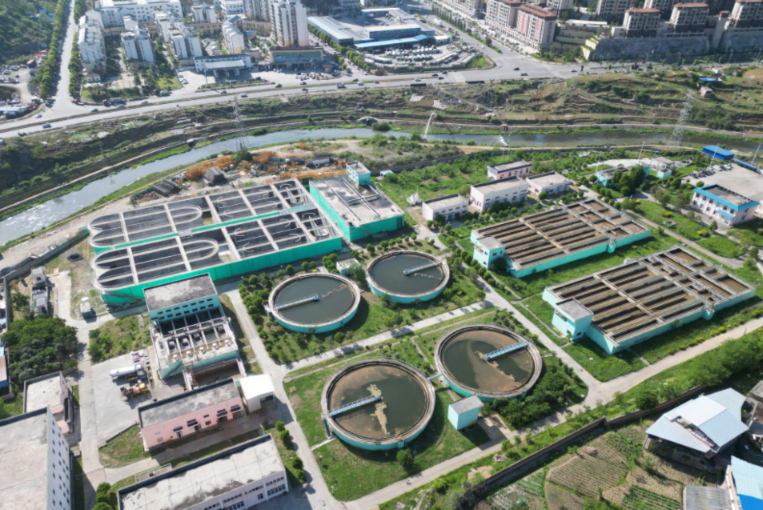
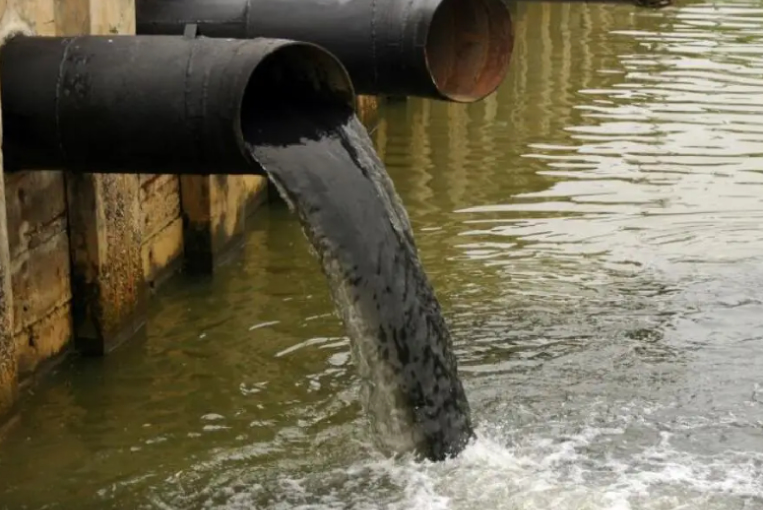
Grease trap wastewater treatment is a common pretreatment method for removing fats, oils, grease, floating scum and settleable food solids from wastewater generated by commercial kitchens, restaurants, hotels, canteens, food courts, central kitchens and food processing facilities. A grease trap is also called a grease interceptor, kitchen oil separator or FOG removal unit.
In food service wastewater, grease is one of the most common causes of drainage problems. Cooking oil, animal fat, vegetable oil, sauces, cream, food residues and detergents can enter the sink drainage system during washing and cleaning. If grease is discharged directly, it may cool, solidify and attach to pipe walls. Over time, this can lead to slow drainage, odor, pipe blockage, sewer maintenance issues and higher treatment pressure.
The working principle of a grease trap is based on gravity separation. Wastewater enters the inlet chamber, where the flow velocity is reduced. Because grease is lighter than water, it floats to the surface. Heavier food particles and solids settle at the bottom. The middle water layer flows through the outlet to the drainage system or to the next wastewater treatment unit.
A typical process is:
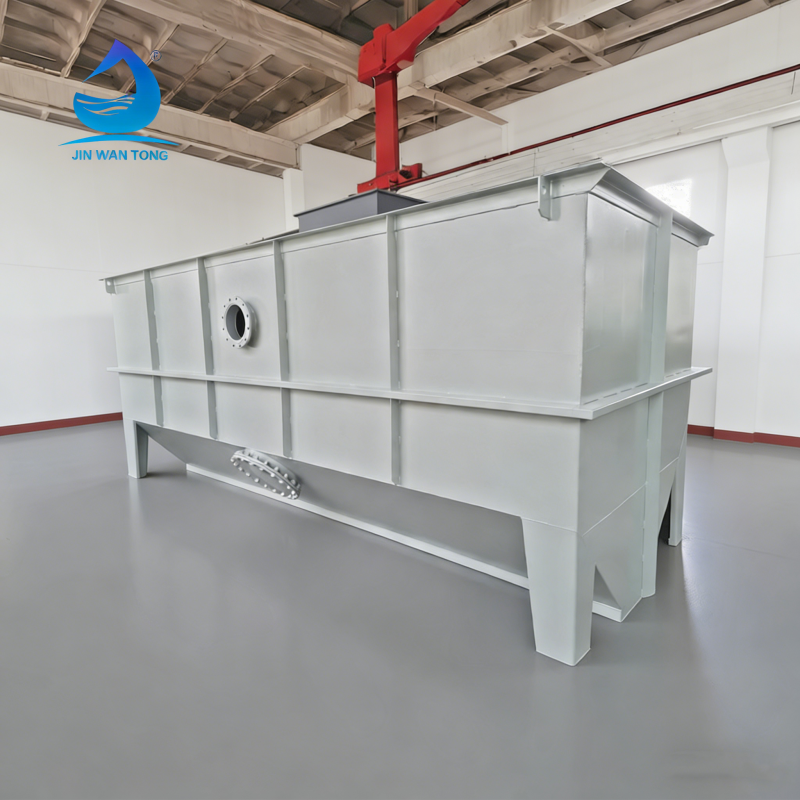
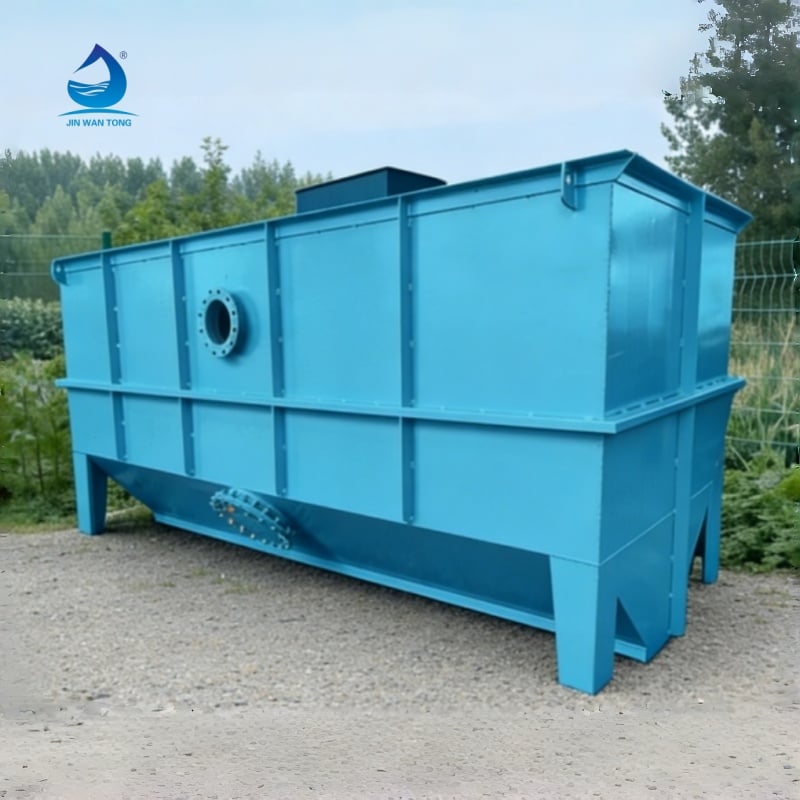
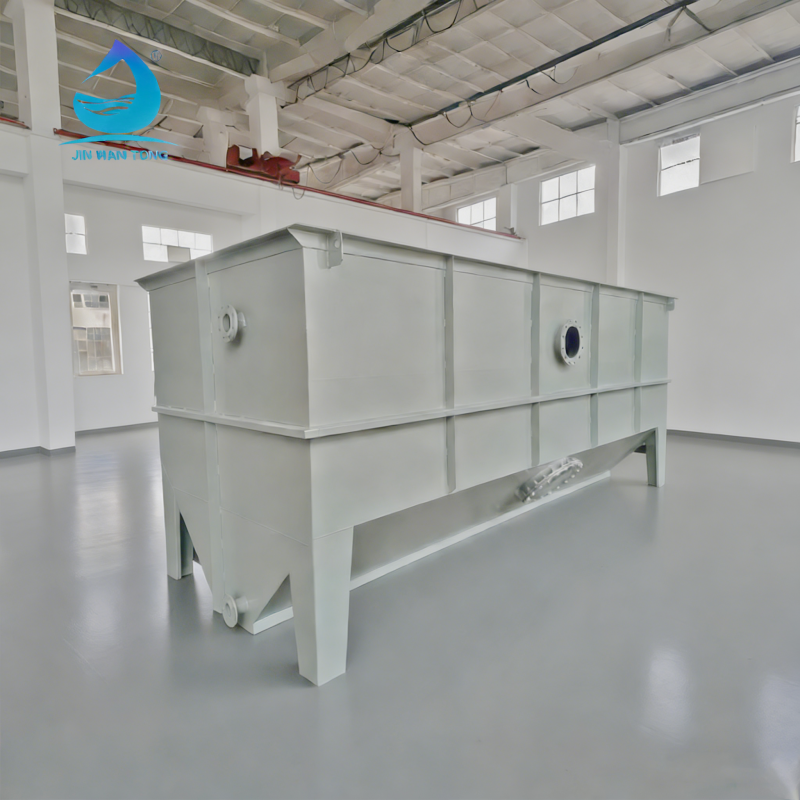
Kitchen Wastewater → Inlet Distribution → Grease Floating → Solids Settling → Outlet Water → Further TreatmentA grease trap wastewater treatment system may include an inlet pipe, flow baffle, separation chamber, grease storage zone, solids settling zone, outlet pipe, removable cover, sealing structure, cleaning port and optional level or control components. For commercial kitchens, stainless steel is commonly used because it is corrosion-resistant, hygienic and easy to clean. For larger outdoor or industrial projects, carbon steel with anti-corrosion coating, FRP or other materials may also be considered.
Correct selection is important. Buyers should consider wastewater flow rate, peak discharge, number of sinks, kitchen operating hours, grease load, food solids content, installation space, indoor or outdoor placement, inlet/outlet height, odor control, cleaning frequency and local discharge requirements. A small under-sink grease trap may be suitable for light-duty use, while hotels, central kitchens and food factories may require larger floor-mounted, underground or integrated oil-water separation systems.
It is also important to understand the treatment boundary. Grease traps mainly remove separable FOG and settleable solids. They cannot completely remove dissolved COD, emulsified oil, detergents, nutrients or soluble pollutants. If the project requires stricter discharge standards, grease trap pretreatment may need to work with dissolved air flotation, chemical dosing, biological treatment, filtration or packaged sewage treatment systems.
Maintenance directly affects performance. Operators should regularly remove accumulated grease and sludge, clean internal baffles, check inlet and outlet flow, and prevent excessive grease buildup. If the unit is not cleaned in time, grease may escape from the outlet and cause odor or blockage.
Qingdao Jinwantong provides customized grease trap wastewater treatment equipment and supporting systems. Buyers can send flow rate, kitchen type, grease load, site layout, material preference and discharge target for technical selection and quotation.
Qingdao Jinwantong provides industrial sewage treatment equipment for global clients. Our MBR, DAF, STP, and oil-water separation systems ensure compliance with national discharge standards. Trusted across 6 continents. Contact us today.
43,Cangnan Road, Cangma Town, Qingdao, Shandong, China
Copyright © 2026 Qingdao Jinwantong Environmental Science And Technology Co., Ltd. All rights reserved. Privacy Policy
 EN
EN