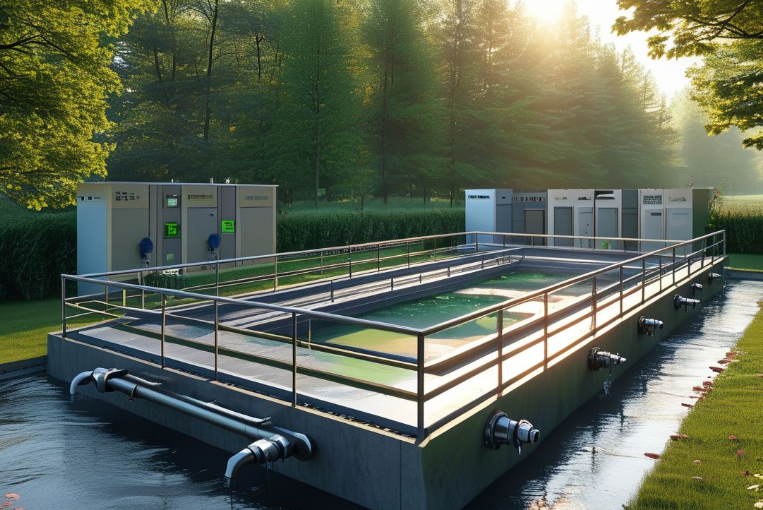
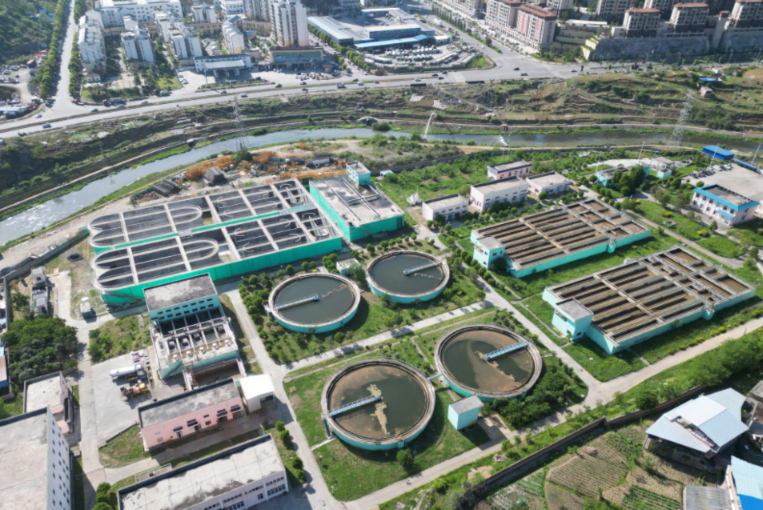
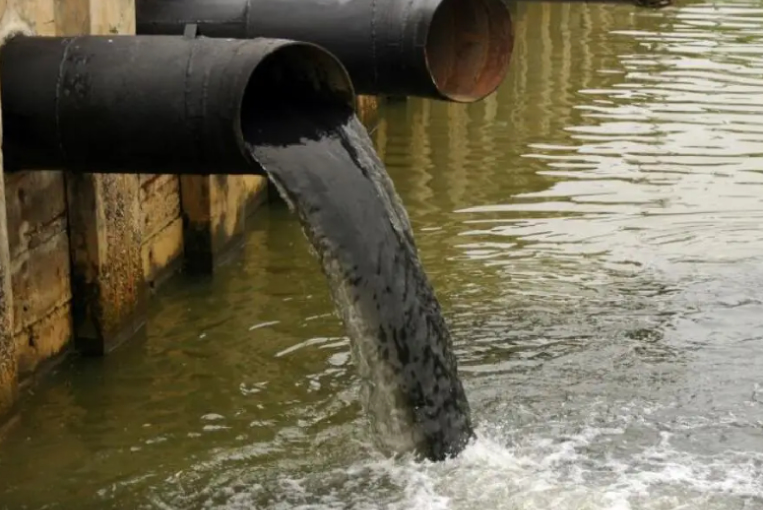
The mbbr wastewater treatment process is a biofilm-based biological treatment method widely used for domestic sewage, municipal wastewater and selected industrial effluent. MBBR stands for Moving Bed Biofilm Reactor. Its core feature is the use of suspended plastic carriers inside an aerated tank. These carriers move freely with airflow and water circulation, allowing microorganisms to attach to the carrier surface and form active biofilm.
A typical MBBR process starts with pretreatment. Wastewater first passes through a mechanical grille or screen to remove large solids, fibers and floating materials. This step protects pumps, pipelines and downstream equipment from blockage. After screening, the wastewater usually enters an equalization tank, where flow and pollutant concentration are balanced before biological treatment.
The next stage is the MBBR biological reactor. In this tank, aeration provides oxygen and keeps the carriers in motion. Microorganisms on the carrier surface degrade organic pollutants such as COD and BOD. With suitable dissolved oxygen, hydraulic retention time and reactor design, the process can also support ammonia nitrogen removal through nitrification. Because biomass grows on carriers rather than relying only on suspended sludge, the system can maintain a high microbial concentration within a relatively compact reactor.
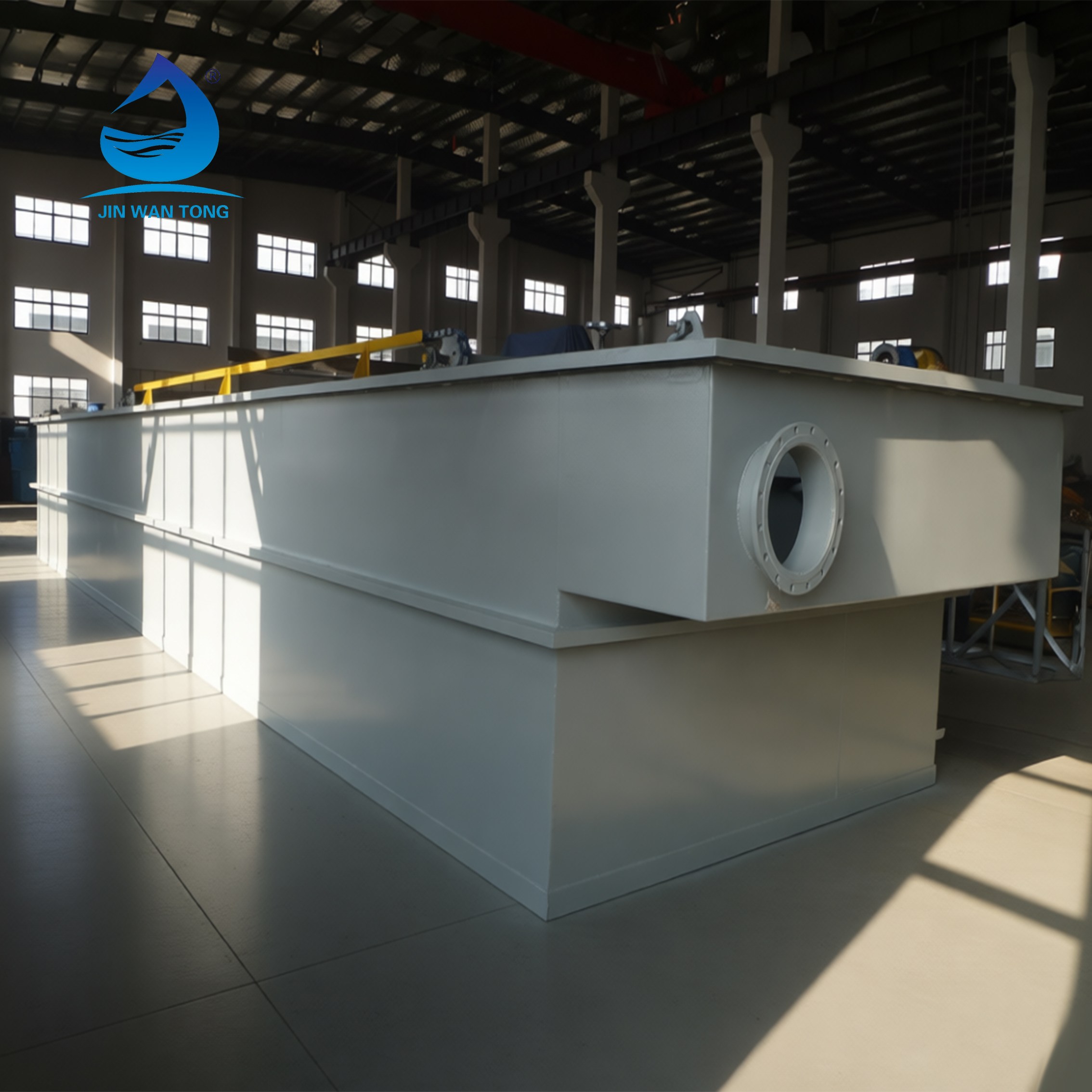
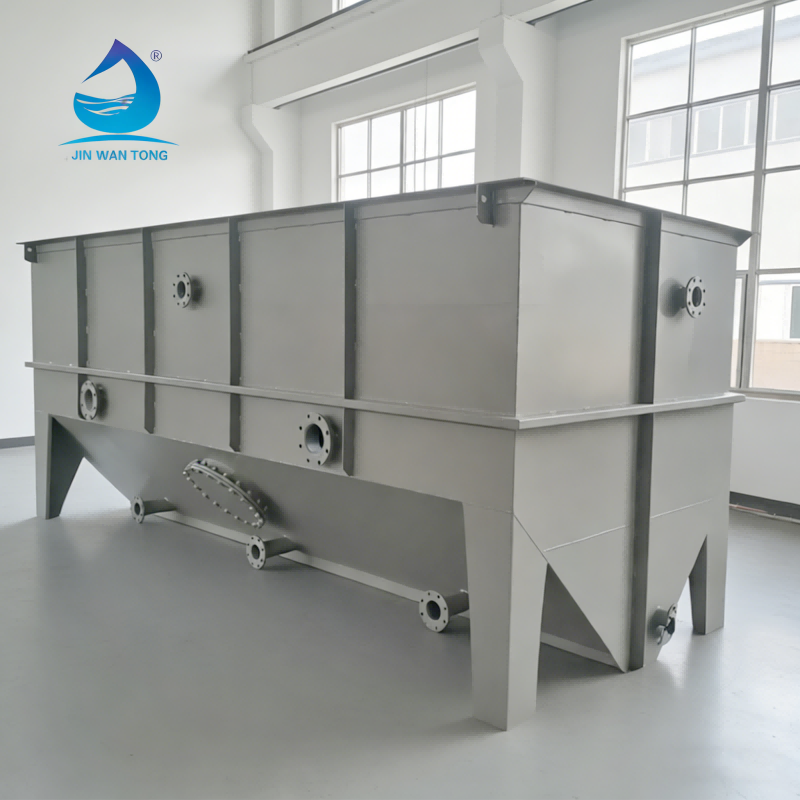
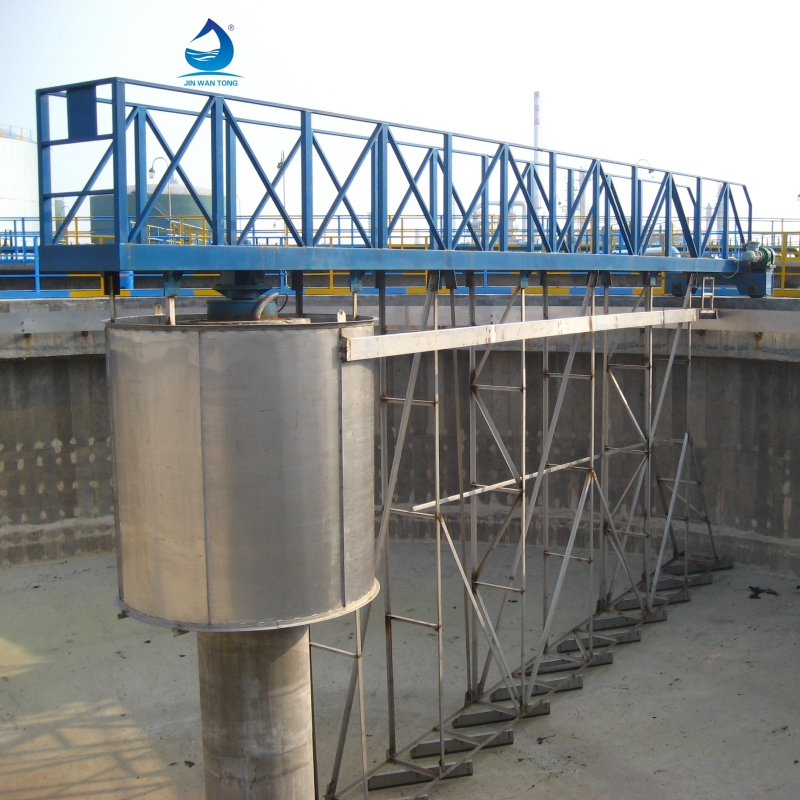
After biological treatment, the mixed water enters a separation stage, such as a sedimentation tank or lamella clarifier. Suspended solids and excess biofilm particles are separated from the treated water. Depending on the discharge requirement, the process may also include chemical dosing, filtration or disinfection. Sludge generated during the process can be discharged and further treated by sludge dewatering equipment.
Screening → Equalization → MBBR Biological Reactor → Clarification → Disinfection → DischargeFor project selection, buyers should provide daily flow rate, peak flow, inlet COD, BOD, SS, ammonia nitrogen, oil content, pH, temperature, discharge standard and installation conditions. These factors influence reactor volume, carrier filling ratio, aeration capacity, material selection and control system design.
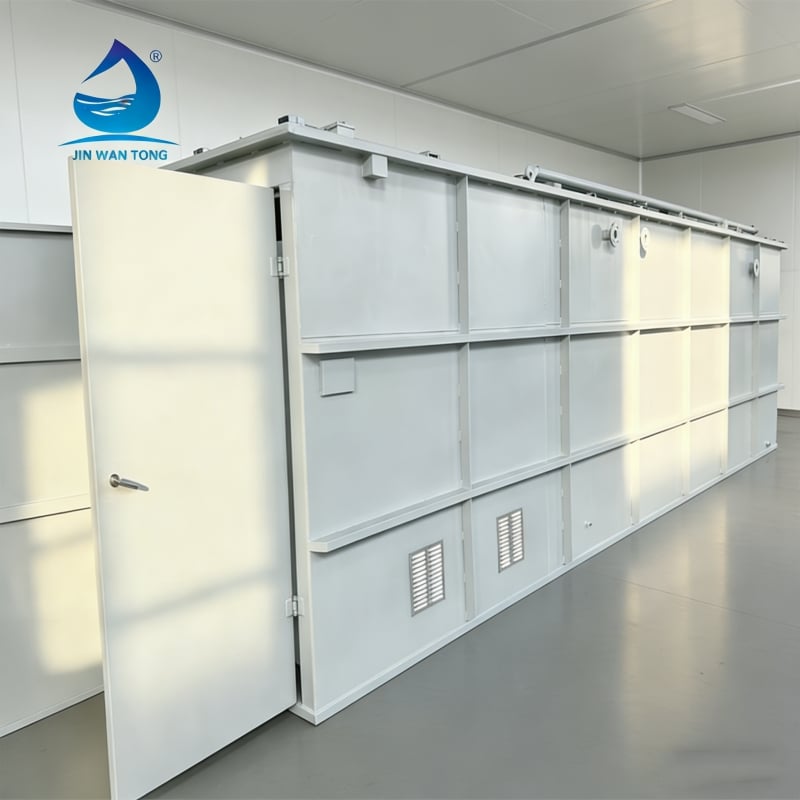
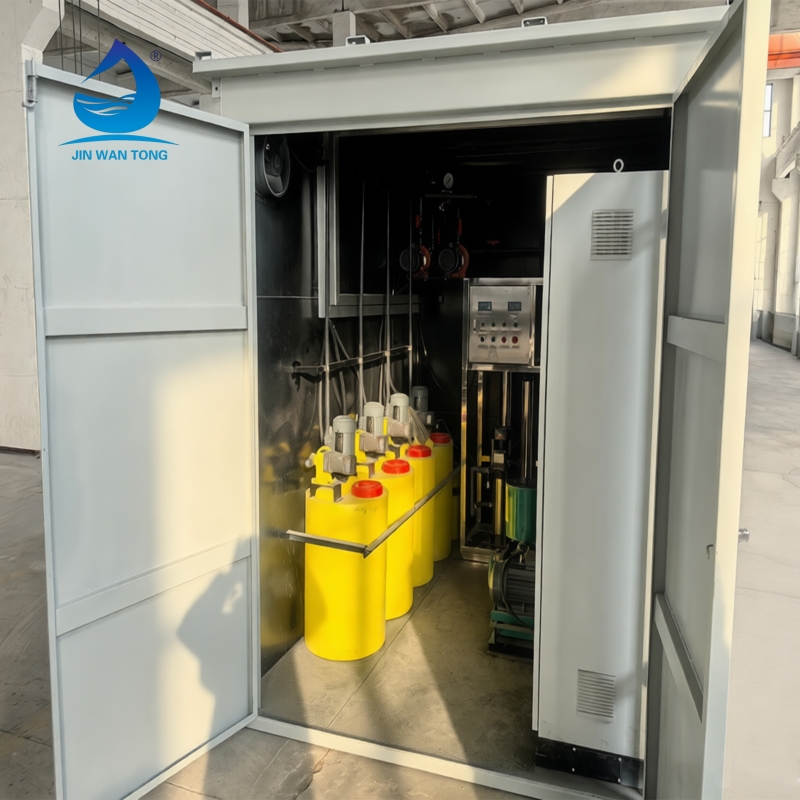
MBBR is suitable for compact sewage treatment plants, decentralized wastewater treatment systems and upgrading existing biological treatment facilities. However, it is not a universal standalone solution. For oily wastewater, CPI oil-water separation or DAF pretreatment may be needed. For high-concentration or toxic industrial wastewater, chemical or other pretreatment may be required before biological treatment. Qingdao Jinwantong can provide project-based MBBR equipment configuration and complete wastewater treatment system support according to actual water quality and site conditions.
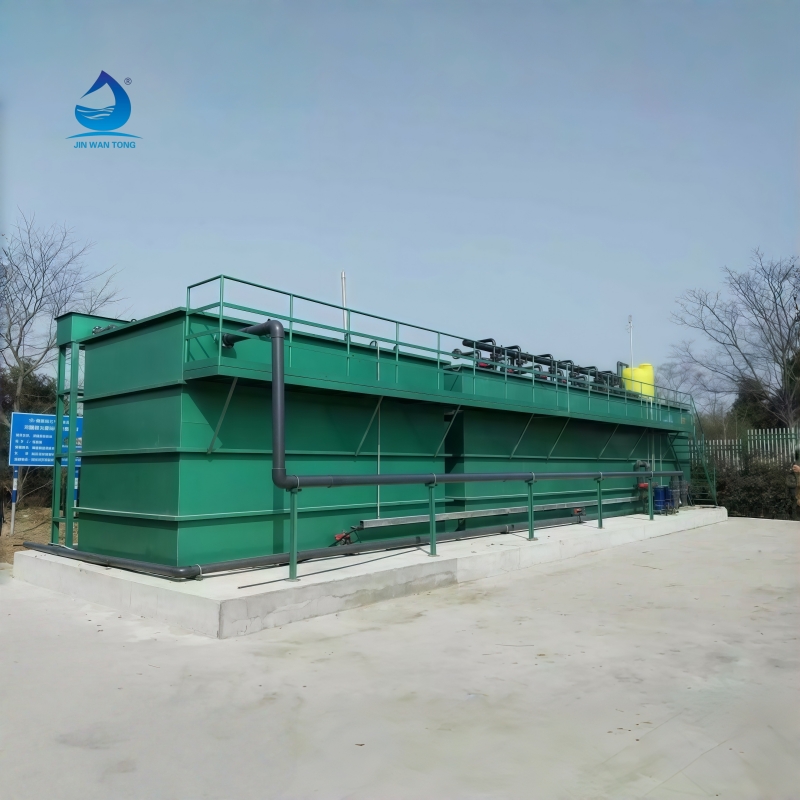
Qingdao Jinwantong provides industrial sewage treatment equipment for global clients. Our MBR, DAF, STP, and oil-water separation systems ensure compliance with national discharge standards. Trusted across 6 continents. Contact us today.
43,Cangnan Road, Cangma Town, Qingdao, Shandong, China
Copyright © 2026 Qingdao Jinwantong Environmental Science And Technology Co., Ltd. All rights reserved. Privacy Policy
 EN
EN