Industrial Water Treatment Plant Solutions: Advanced Technology for Superior Water Quality and Environmental Compliance

All Categories

Get a Free Quote

Our representative will contact you soon.
Email
Name
Company Name
Message
0/1000

industrial water treatment plant

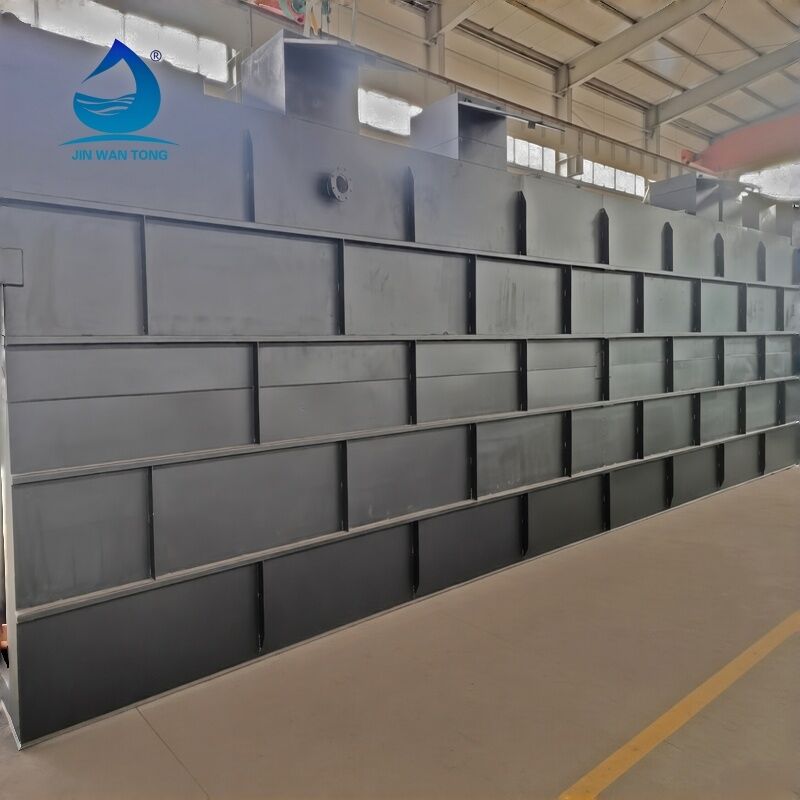
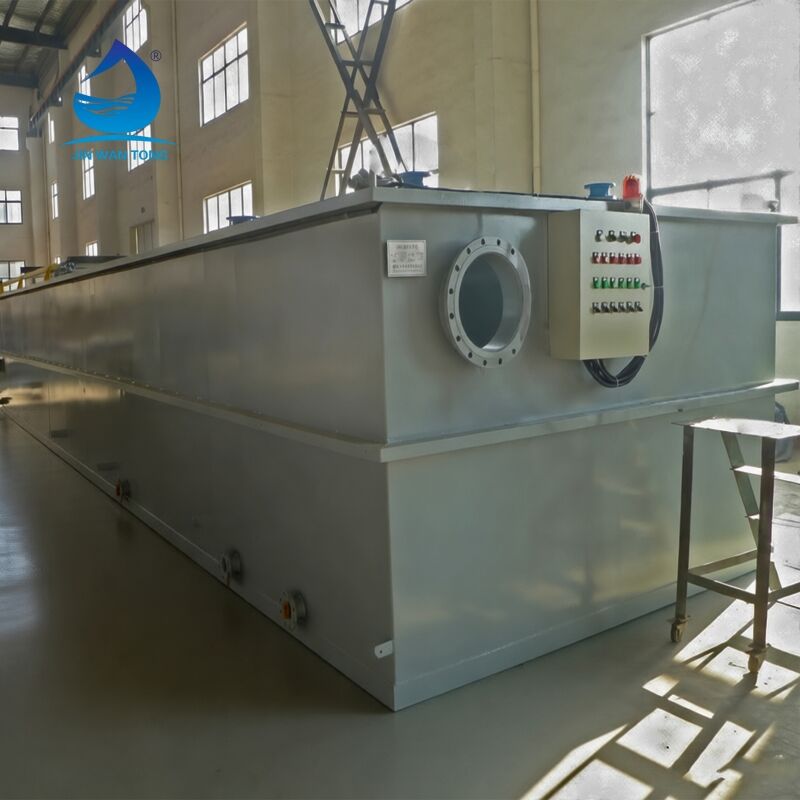
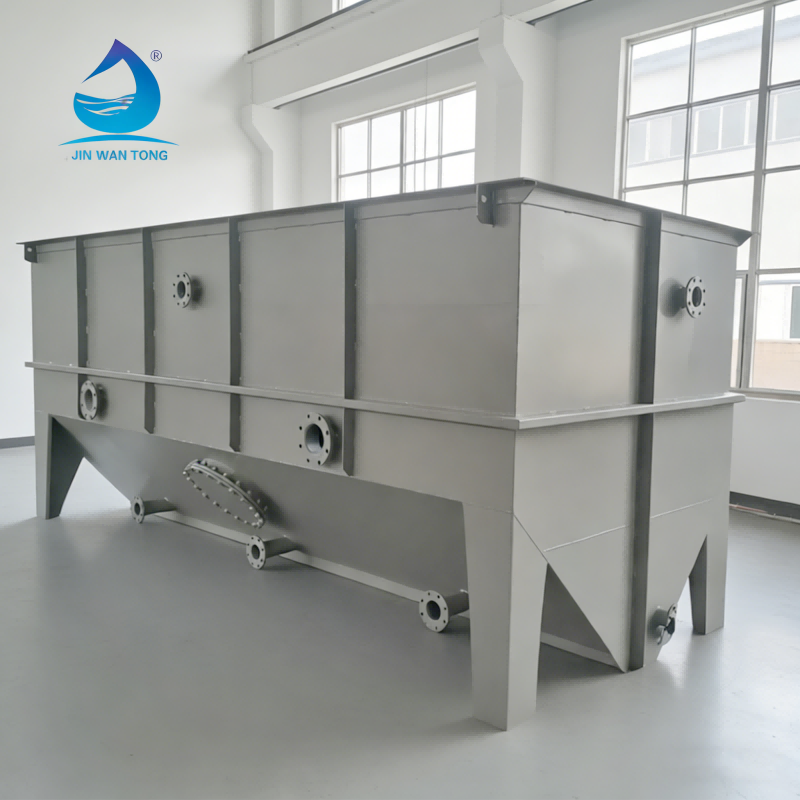
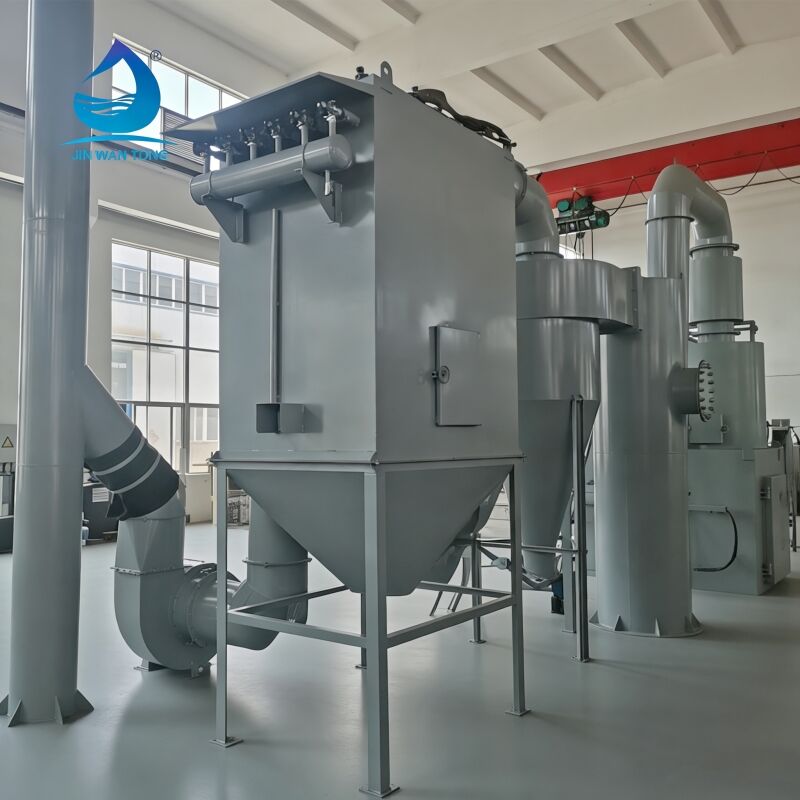
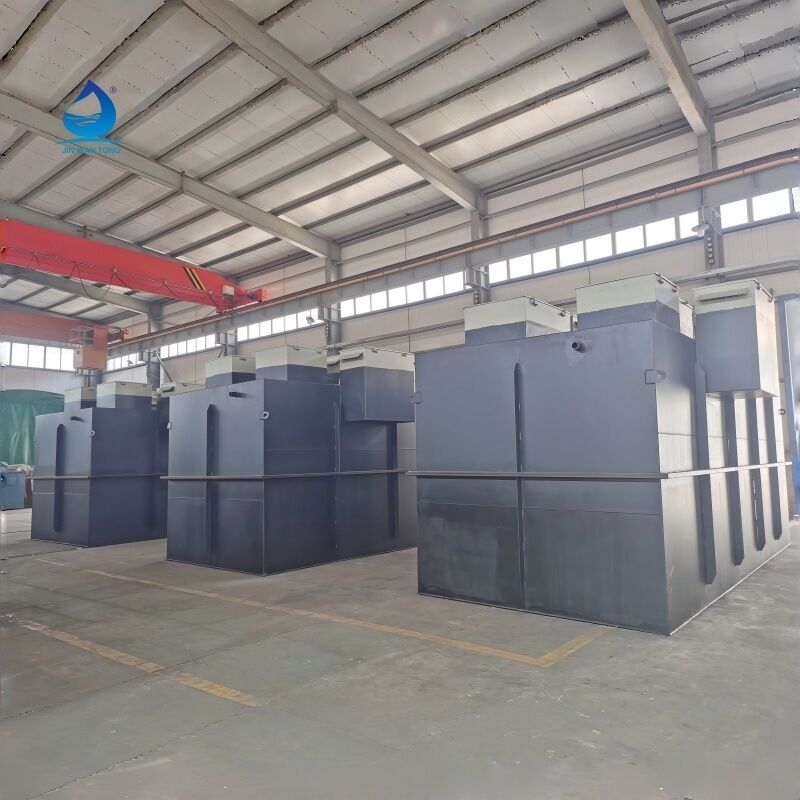
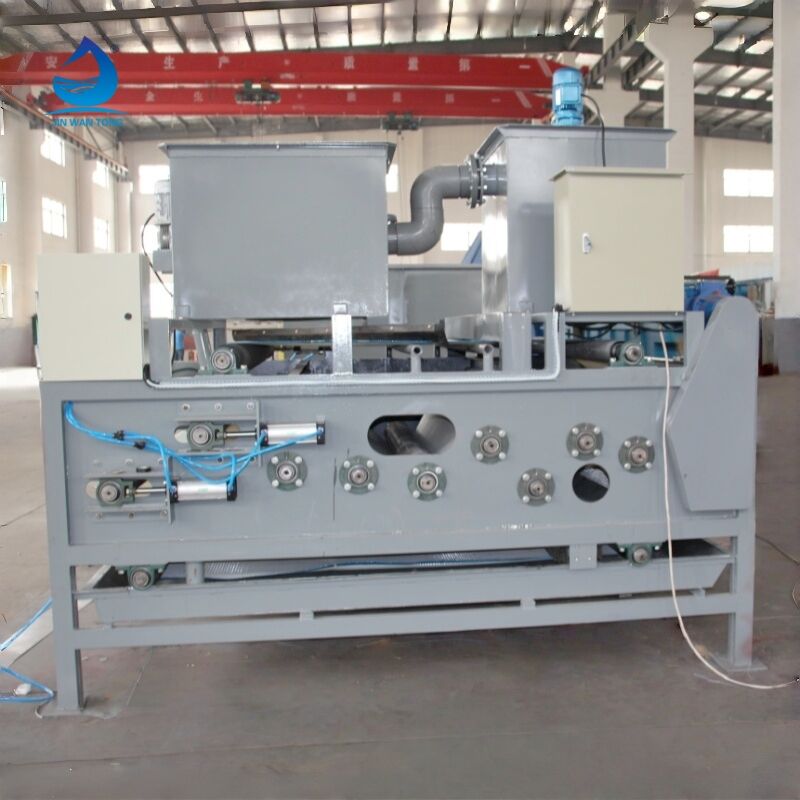
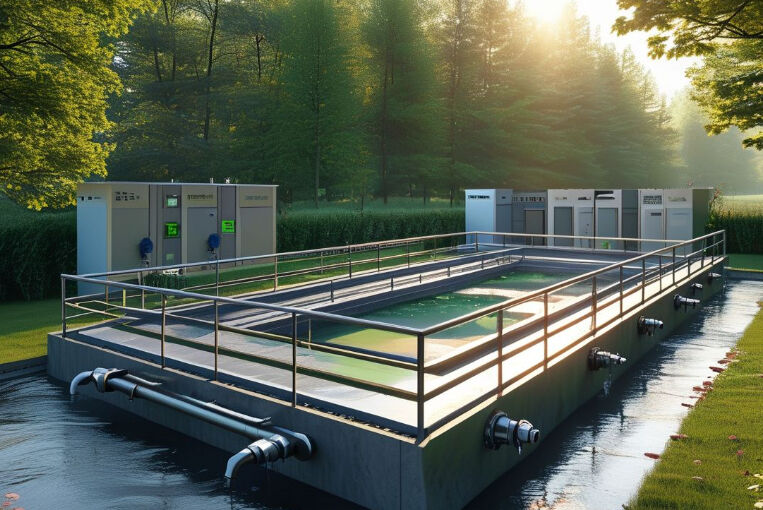
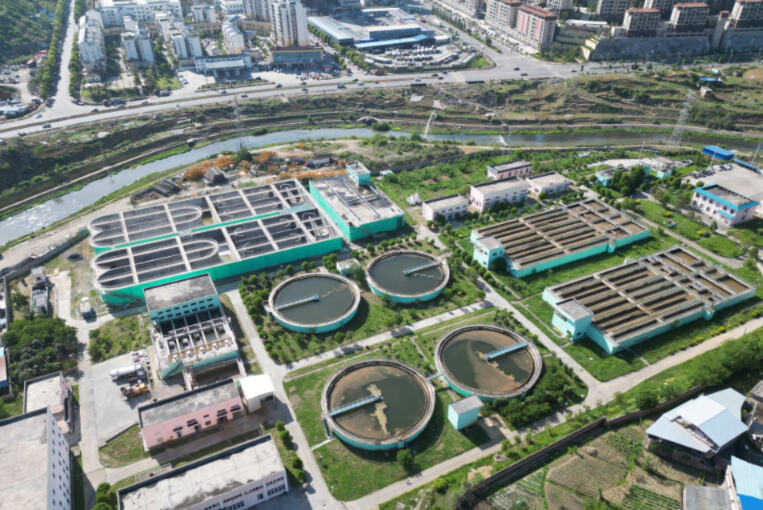
An industrial water treatment plant represents a sophisticated engineering solution designed to purify and process water for various manufacturing and commercial applications. These comprehensive systems serve as the backbone of water quality management in industries ranging from pharmaceuticals and food production to chemical manufacturing and power generation. The primary function of an industrial water treatment plant involves removing contaminants, impurities, and harmful substances from raw water sources to meet specific quality standards required for industrial processes. Modern industrial water treatment plant facilities incorporate multiple treatment stages, including physical filtration, chemical treatment, biological processing, and advanced purification technologies. The technological features of these systems encompass pre-treatment units that remove large particles and sediments, followed by coagulation and flocculation processes that bind smaller contaminants together for easier removal. Advanced oxidation processes, reverse osmosis membranes, and ion exchange resins further enhance water purity levels. Many industrial water treatment plant installations also include disinfection systems using ultraviolet light, ozone, or chlorine compounds to eliminate harmful microorganisms. The applications of industrial water treatment plant technology span numerous sectors, with each industry requiring customized treatment protocols. Manufacturing facilities rely on these systems to prevent equipment corrosion, reduce scaling in boilers and cooling towers, and ensure product quality consistency. The pharmaceutical industry demands ultra-pure water for drug manufacturing, while the electronics sector requires deionized water for semiconductor production. Food and beverage companies utilize industrial water treatment plant systems to maintain taste consistency and safety standards. Additionally, these plants play a crucial role in environmental protection by treating wastewater before discharge, helping industries comply with regulatory requirements and minimize their ecological footprint while maintaining operational efficiency and cost-effectiveness.

New Products

Industrial water treatment plant systems deliver substantial cost savings by reducing water procurement expenses and minimizing equipment maintenance requirements. Companies typically experience 30-50% reductions in water-related operational costs within the first year of implementation. These systems eliminate the need for frequent equipment replacements caused by scale buildup and corrosion, extending machinery lifespan significantly. The consistent water quality provided by an industrial water treatment plant ensures optimal production processes, reducing product defects and waste generation. This reliability translates directly into improved profit margins and enhanced customer satisfaction. Environmental compliance becomes effortless with properly designed industrial water treatment plant installations. These systems help companies meet stringent regulatory standards while avoiding costly fines and penalties associated with water discharge violations. The treatment processes effectively remove heavy metals, chemicals, and other pollutants that could harm local ecosystems. Many facilities achieve zero liquid discharge status, completely eliminating wastewater disposal concerns. Energy efficiency represents another compelling advantage of modern industrial water treatment plant technology. Advanced automation systems optimize chemical usage and reduce energy consumption through intelligent monitoring and control mechanisms. Variable frequency drives and smart sensors ensure equipment operates at peak efficiency levels, minimizing electricity costs while maintaining treatment effectiveness. The scalability of industrial water treatment plant systems allows businesses to expand operations without compromising water quality or treatment capacity. Modular designs enable easy upgrades and modifications as production requirements evolve. This flexibility protects long-term investments and supports business growth strategies. Quality assurance becomes seamless with continuous monitoring capabilities built into industrial water treatment plant systems. Real-time data collection and analysis provide immediate alerts for any quality deviations, enabling rapid corrective actions. This proactive approach prevents contamination issues and maintains consistent product standards. The reduced dependency on external water suppliers enhances operational security and insulates businesses from supply chain disruptions. Companies gain greater control over their water resources while building resilience against market fluctuations and availability challenges that could otherwise impact production schedules.

Tips And Tricks

Overview of the Agricultural Wastewater Treatment Market

17

Dec

Overview of the Agricultural Wastewater Treatment Market

View More
Global Real-Time Wastewater Treatment Update

17

Dec

Global Real-Time Wastewater Treatment Update

View More
Navigating the Waters: The Role of an Industrial Wastewater Treatment Plant

17

Dec

Navigating the Waters: The Role of an Industrial Wastewater Treatment Plant

View More

Get a Free Quote

Our representative will contact you soon.
Email
Name
Company Name
Message
0/1000

industrial water treatment plant

Advanced Multi-Stage Filtration Technology

Advanced Multi-Stage Filtration Technology

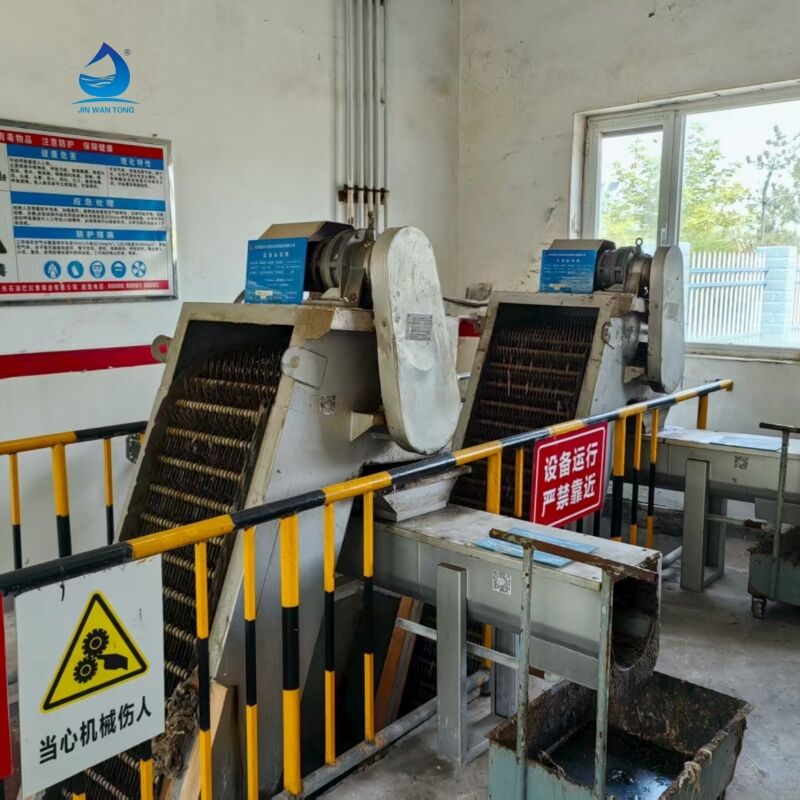
The cornerstone of any effective industrial water treatment plant lies in its sophisticated multi-stage filtration system that combines mechanical, chemical, and biological treatment processes to achieve superior water purity levels. This comprehensive approach begins with coarse filtration units that remove large debris and suspended particles, followed by fine mesh filters that capture smaller contaminants down to microscopic levels. The integration of activated carbon filters eliminates chlorine, organic compounds, and taste-affecting substances, while specialized media filters target specific pollutants based on industrial requirements. Advanced membrane technologies, including microfiltration, ultrafiltration, and reverse osmosis, provide molecular-level separation capabilities that remove dissolved salts, bacteria, viruses, and even individual ions from the water stream. The industrial water treatment plant utilizes intelligent backwashing systems that automatically clean filter media, extending operational lifespans and maintaining consistent performance without manual intervention. Ion exchange resins further enhance water quality by replacing unwanted minerals with harmless alternatives, achieving ultra-pure water standards essential for sensitive manufacturing processes. This multi-barrier approach ensures redundant protection against various contaminants while optimizing treatment efficiency and minimizing chemical consumption. The modular design of these filtration systems allows for customized configurations that address specific industry needs, whether removing heavy metals from mining operations or eliminating pharmaceutical residues from healthcare facilities. Regular monitoring and automated adjustment capabilities ensure optimal filtration performance while reducing operational complexity and labor requirements. The result is consistently high-quality water that meets or exceeds industry standards while providing reliable protection for downstream equipment and processes. This technological sophistication distinguishes professional industrial water treatment plant installations from basic filtration systems, delivering measurable improvements in product quality, equipment longevity, and operational reliability that justify the investment through tangible cost savings and performance enhancements.
Intelligent Process Control and Monitoring Systems

Intelligent Process Control and Monitoring Systems

Modern industrial water treatment plant facilities incorporate state-of-the-art process control and monitoring systems that revolutionize water quality management through real-time data collection, automated adjustments, and predictive maintenance capabilities. These sophisticated control systems utilize advanced sensors and instrumentation to continuously monitor critical parameters including pH levels, turbidity, conductivity, dissolved oxygen, and specific contaminant concentrations throughout the treatment process. The intelligent monitoring network provides operators with comprehensive dashboards that display system performance metrics, trend analyses, and alarm notifications in real-time, enabling immediate response to any deviations from optimal operating conditions. Automated chemical dosing systems precisely control treatment chemical additions based on incoming water quality variations, ensuring consistent treatment effectiveness while minimizing chemical waste and reducing operational costs. The industrial water treatment plant control system integrates seamlessly with existing facility management systems, providing centralized oversight and coordination with other industrial processes. Machine learning algorithms analyze historical performance data to identify patterns and predict maintenance requirements before equipment failures occur, significantly reducing unplanned downtime and repair costs. Remote monitoring capabilities allow qualified technicians to assess system performance and make adjustments from off-site locations, improving response times and reducing staffing requirements. The control system generates comprehensive reports documenting water quality compliance, system efficiency, and operational metrics that support regulatory reporting requirements and internal quality assurance programs. Customizable alert systems notify operators of potential issues through multiple communication channels including email, text messages, and mobile applications, ensuring prompt attention regardless of time or location. Advanced data analytics capabilities help identify optimization opportunities and efficiency improvements that further enhance system performance and reduce operating expenses. The integration of cybersecurity protocols protects sensitive operational data and prevents unauthorized access to critical control systems. This intelligent approach to industrial water treatment plant management transforms traditional reactive maintenance strategies into proactive optimization programs that deliver sustained improvements in reliability, efficiency, and cost-effectiveness while maintaining the highest standards of water quality and system performance.
Environmental Sustainability and Regulatory Compliance

Environmental Sustainability and Regulatory Compliance

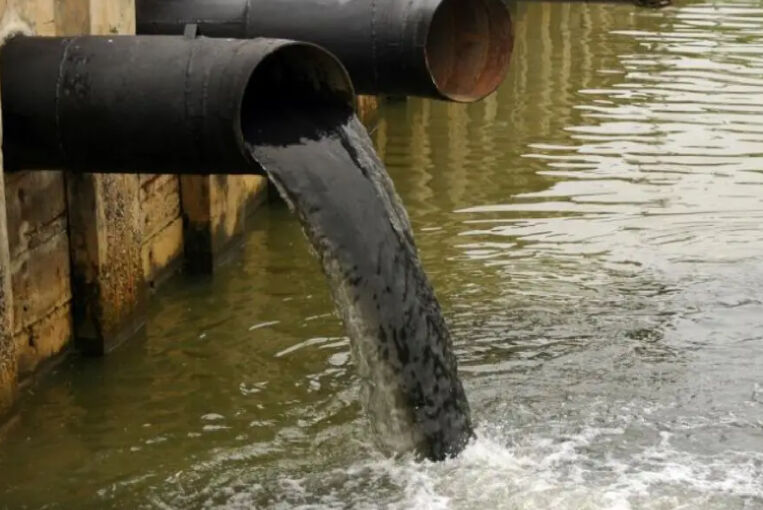
Environmental responsibility represents a fundamental advantage of professional industrial water treatment plant systems, as these installations actively contribute to ecological preservation while ensuring strict adherence to increasingly stringent regulatory requirements. The comprehensive treatment processes employed by modern industrial water treatment plant facilities effectively remove or neutralize a wide spectrum of pollutants, including heavy metals, chemical residues, suspended solids, and biological contaminants that could otherwise harm aquatic ecosystems and groundwater resources. Advanced treatment technologies such as biological nutrient removal, advanced oxidation processes, and membrane bioreactors enable facilities to achieve discharge quality standards that often exceed regulatory minimums, demonstrating corporate environmental stewardship and community responsibility. Many industrial water treatment plant installations incorporate water recycling and reuse capabilities that significantly reduce freshwater consumption while minimizing wastewater discharge volumes, contributing to regional water conservation efforts and reducing strain on natural water resources. The implementation of closed-loop treatment systems enables some facilities to achieve zero liquid discharge status, completely eliminating wastewater disposal concerns and maximizing water resource utilization efficiency. Energy recovery systems integrated into industrial water treatment plant designs capture and utilize waste heat from treatment processes, reducing overall energy consumption and carbon footprint while improving operational sustainability. The documentation and reporting capabilities built into these systems provide comprehensive records of environmental performance metrics, treatment effectiveness, and compliance status that support regulatory submissions and environmental auditing requirements. Automated monitoring and alert systems ensure immediate detection of any treatment anomalies that could compromise discharge quality, enabling rapid corrective actions that prevent environmental incidents and maintain continuous compliance. The professional design and operation of industrial water treatment plant systems help companies avoid costly environmental penalties and legal liabilities while building positive relationships with regulatory agencies and local communities. Advanced treatment capabilities also position companies to adapt quickly to evolving environmental regulations without requiring major system modifications or replacements. This proactive approach to environmental compliance transforms regulatory requirements from operational burdens into competitive advantages that support long-term business sustainability and corporate reputation enhancement.
Industrial Water Treatment Plant Solutions: Advanced Technology for Superior Water Quality and Environmental Compliance

Get a Free Quote

Our representative will contact you soon.
Email
Name
Company Name
Message
0/1000