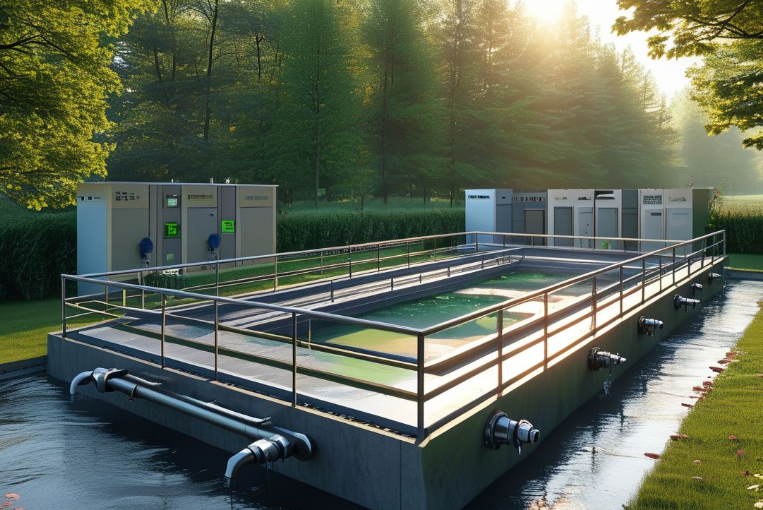
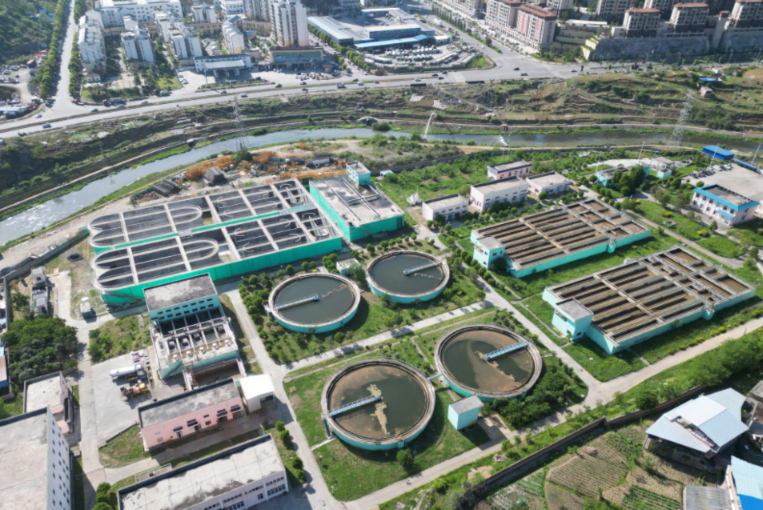
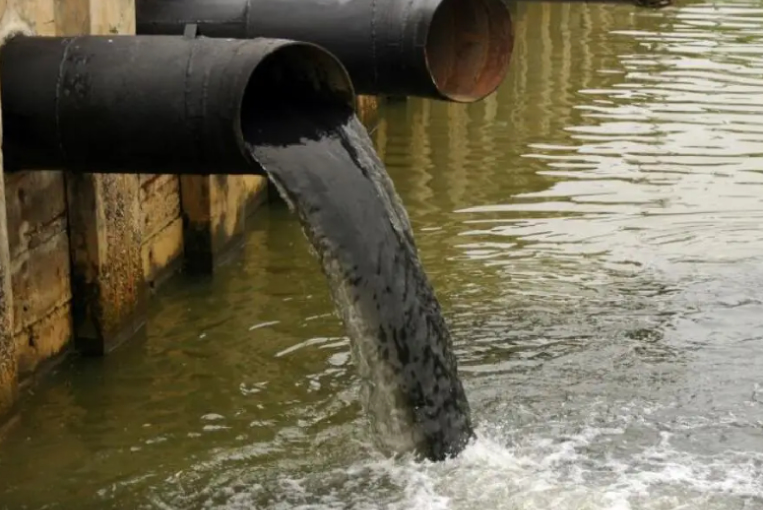
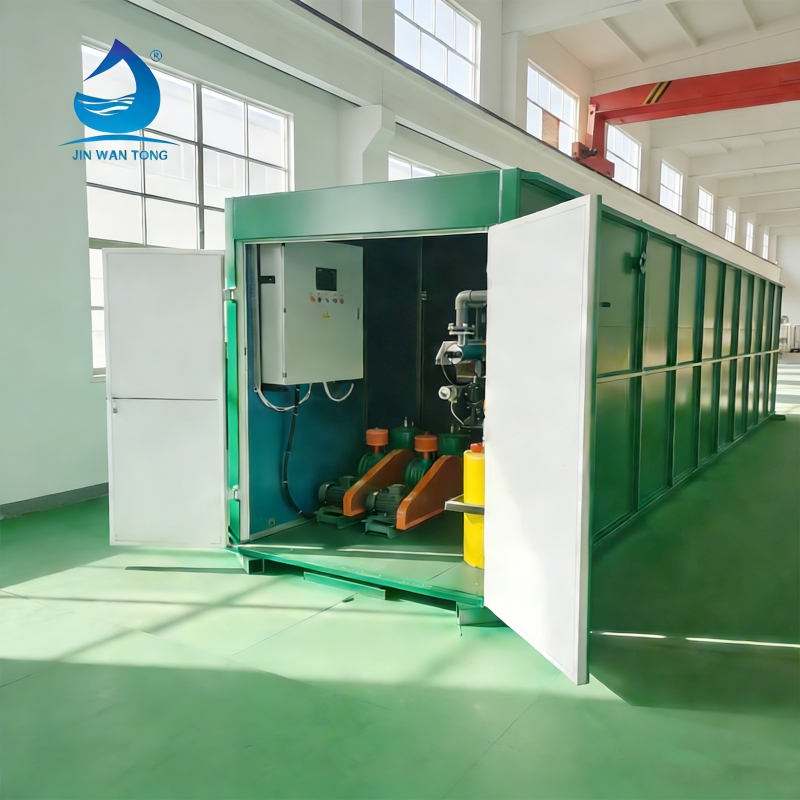
A modular wastewater treatment plant is a wastewater treatment system built with functional modules instead of relying only on large fixed civil structures. Each module can perform a specific treatment function, such as pretreatment, biological treatment, clarification, filtration, disinfection or sludge handling. This design allows the plant to be transported, installed, expanded and adjusted more easily.
A typical modular process may include:
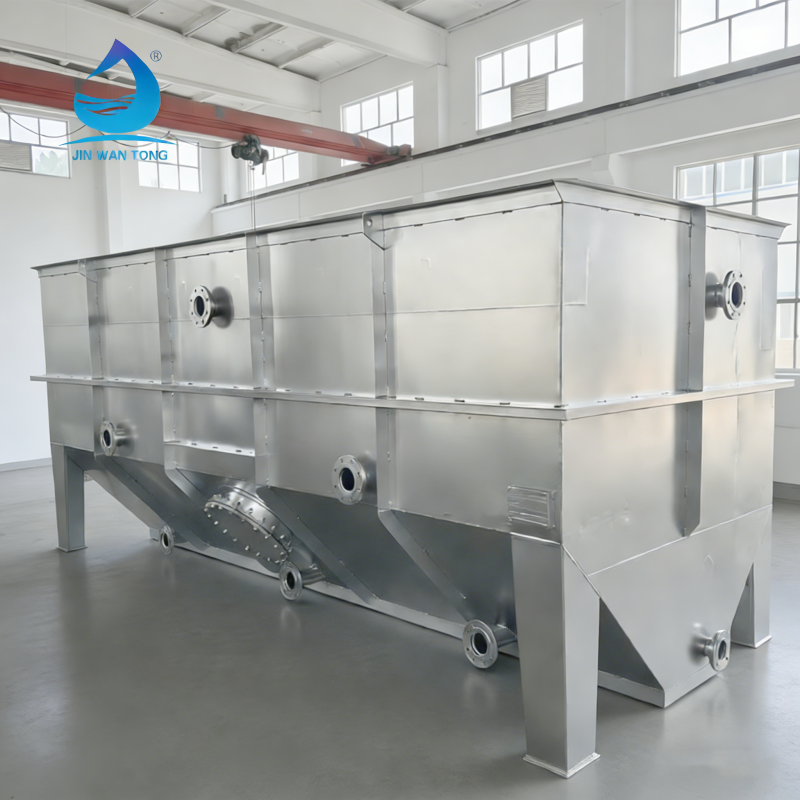
Wastewater → Screening Module → Equalization Module → Biological Module → Clarification / Membrane Module → Disinfection Module → Discharge or ReusePretreatment is the first stage. Screens remove large solids, while equalization tanks balance flow and pollutant concentration. If wastewater contains oil, grease, high suspended solids or floating matter, oil-water separators, chemical dosing or DAF dissolved air flotation modules may be required. Proper pretreatment helps protect downstream biological systems and improves effluent stability.
Biological treatment is usually the core of the system. MBR modules combine activated sludge with membrane separation, making them suitable for compact sites and projects requiring higher effluent quality. MBBR modules use suspended biofilm carriers to increase biomass concentration and improve resistance to load fluctuation. SBR modules operate through timed cycles and are useful for variable-flow projects. The process can be selected or combined according to influent characteristics, land availability and discharge standards.
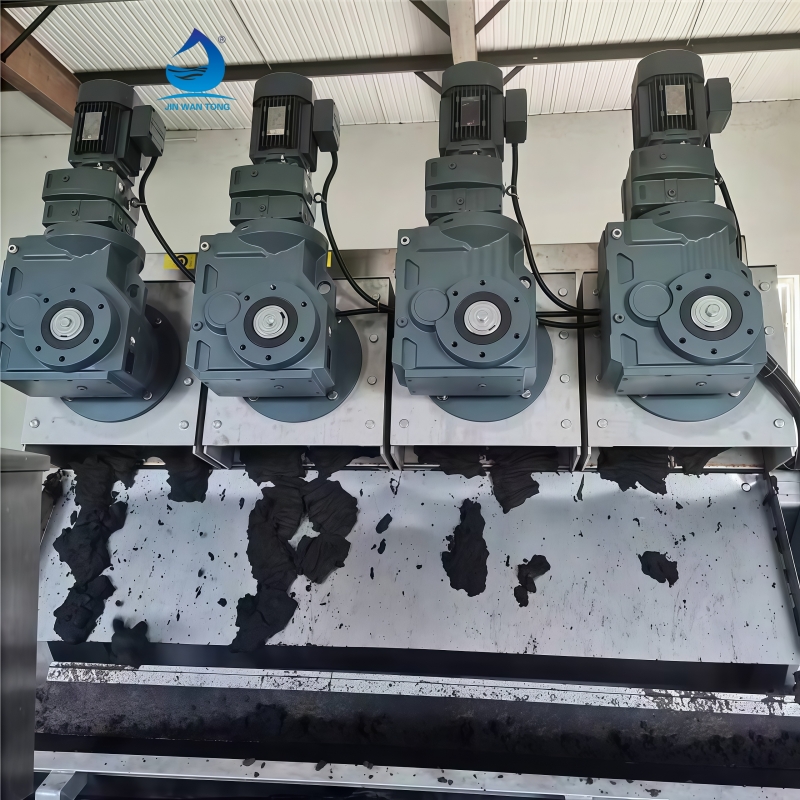
After biological treatment, modular lamella clarifiers, filters and disinfection units can be added for polishing. Sludge generated during treatment can be collected, thickened or dewatered depending on project scale and disposal requirements. For industrial wastewater, additional pretreatment or physical-chemical treatment may be needed before biological modules.
The key advantage of modular design is flexibility. For example, a project may start with one treatment line and add another module when capacity increases. Remote sites, construction camps, mining areas, industrial parks and temporary facilities may also benefit from containerized or skid-mounted wastewater treatment systems because they reduce on-site civil construction.
For correct selection, buyers should provide daily flow, peak flow, wastewater source, COD, BOD, TSS, ammonia nitrogen, oil content, pH, discharge standard, available space, lifting conditions, transportation restrictions, power supply and automation requirements. These parameters affect module size, tank material, process route, blower capacity, membrane area, carrier filling ratio, dosing system and quotation.
It is important to understand that modular does not mean “one standard unit fits all.” A reliable modular wastewater treatment solution still requires process matching, hydraulic design, maintenance access and compliance planning. Qingdao Jinwantong provides customized modular wastewater equipment and related treatment systems. Buyers can send project data and site drawings for technical selection and quotation support.
Qingdao Jinwantong provides industrial sewage treatment equipment for global clients. Our MBR, DAF, STP, and oil-water separation systems ensure compliance with national discharge standards. Trusted across 6 continents. Contact us today.
43,Cangnan Road, Cangma Town, Qingdao, Shandong, China
Copyright © 2026 Qingdao Jinwantong Environmental Science And Technology Co., Ltd. All rights reserved. Privacy Policy
 EN
EN