MBBR System for Wastewater Treatment: Advanced Biological Treatment Technology

All Categories

Get a Free Quote

Our representative will contact you soon.
Email
WhatsApp
Name
Company Name
Message
0/1000

MBBR System for Wastewater Treatment Overview

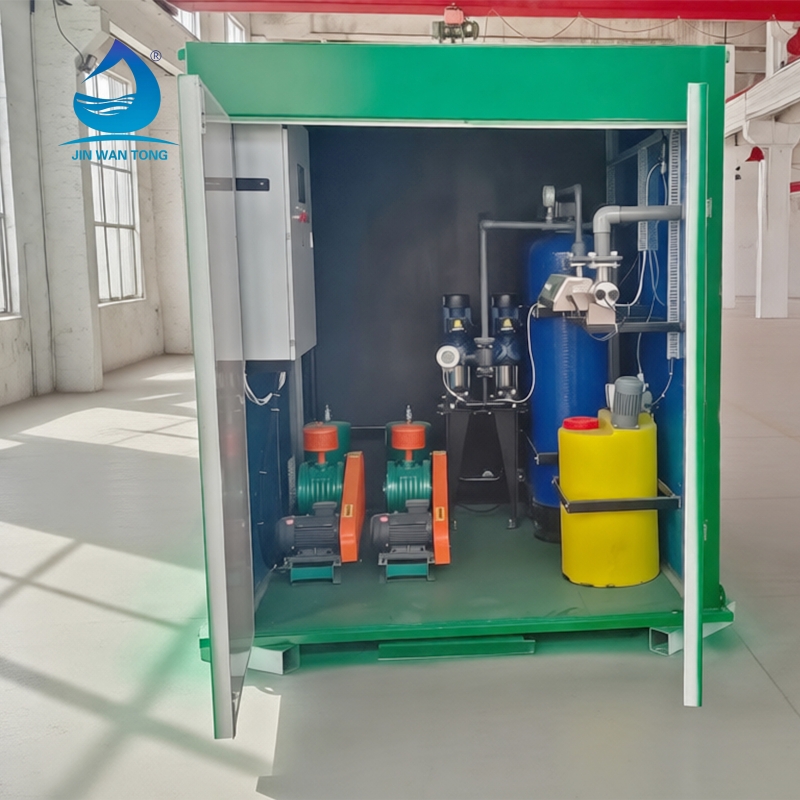
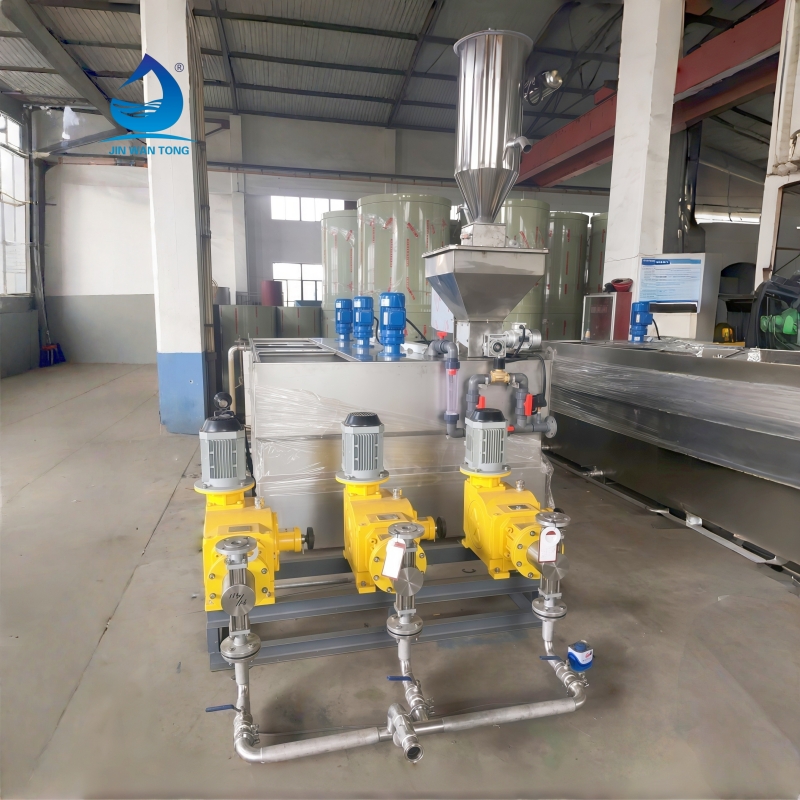
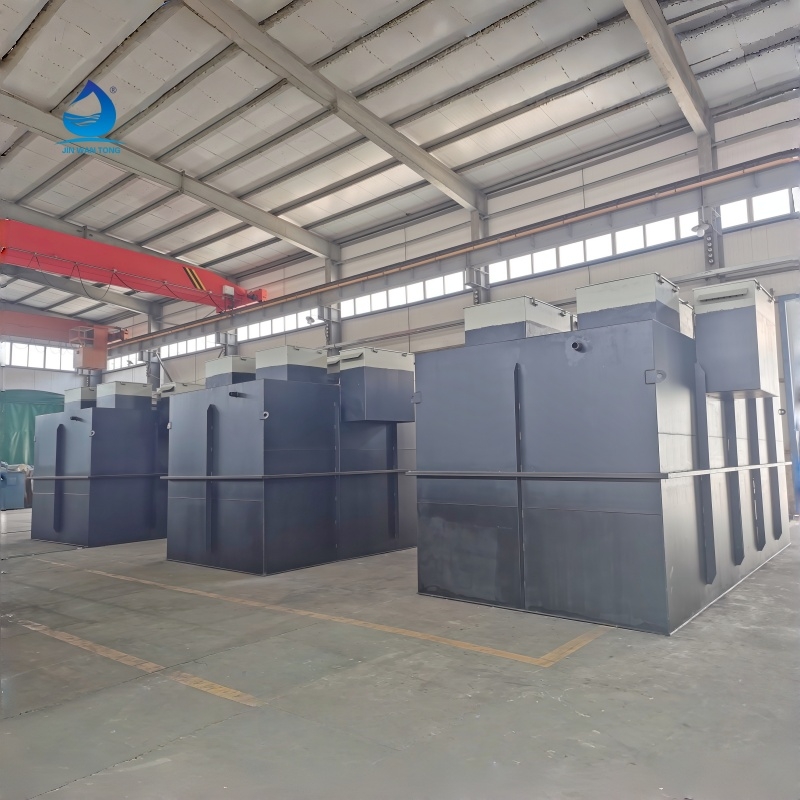
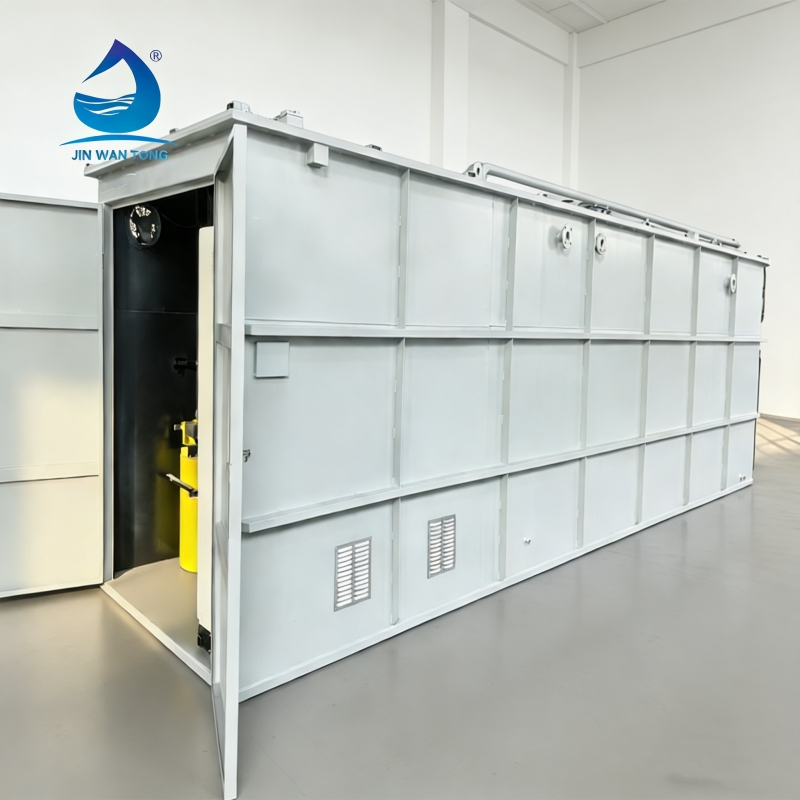
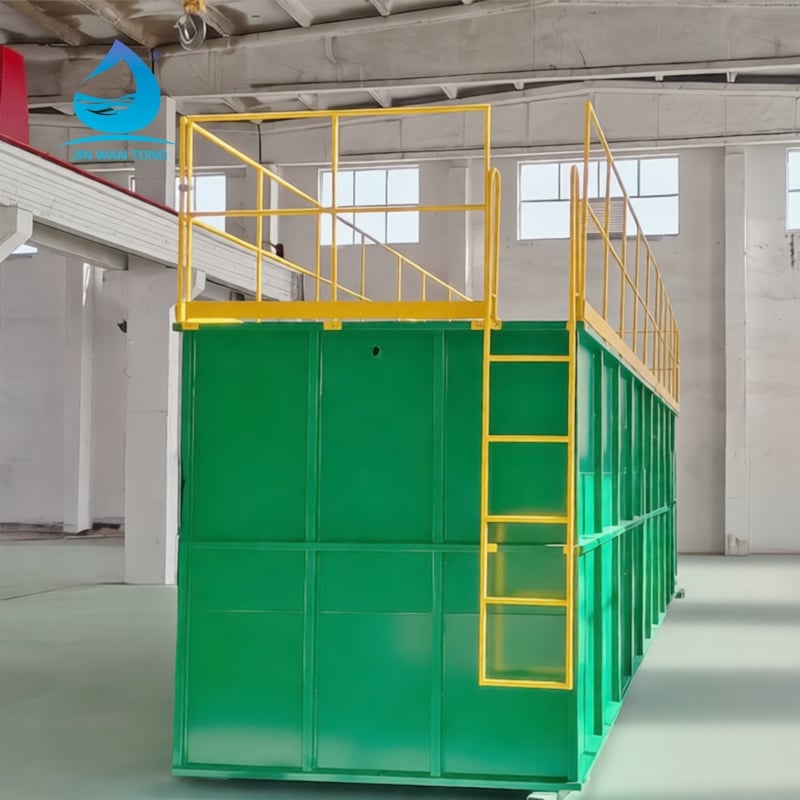
The mbbr system for wastewater treatment is a biological treatment solution using suspended plastic biofilm carriers to remove organic pollutants, ammonia nitrogen and other contaminants from sewage or industrial wastewater. In an mbbr system for wastewater treatment, carriers move continuously in the aeration tank, allowing microorganisms to grow as stable biofilm and achieve efficient degradation. Qingdao Jinwantong supplies customized mbbr system for wastewater treatment solutions for domestic sewage, municipal plants, industrial wastewater and decentralized projects. System selection depends on flow rate, influent COD, BOD, ammonia nitrogen, suspended solids, discharge standard, tank volume, carrier filling ratio, aeration demand and site layout. The mbbr system for wastewater treatment can be used for new plants or upgrading existing facilities, with flexible configuration, compact footprint and stable operation under variable loads.
Core Advantages

Compact System Layout

The mbbr system for wastewater treatment offers high treatment efficiency in a compact reactor because biofilm carriers provide large surface area for microorganisms. Compared with conventional activated sludge systems, the mbbr system for wastewater treatment can reduce land demand and simplify civil construction. It is suitable for space-limited municipal plants, factories, communities and containerized sewage treatment projects.

Stable Biological Treatment Performance

The mbbr system for wastewater treatment maintains stable performance through attached biofilm growth on moving carriers. Microorganisms are less likely to wash out, so the mbbr system for wastewater treatment performs well under fluctuating hydraulic load, organic load and temperature. It can support COD removal, BOD removal, nitrification and partial nitrogen reduction according to process design.

Flexible Parameter Selection

A major advantage of the mbbr system for wastewater treatment is flexible selection according to project data. Key parameters include treatment capacity, influent COD/BOD, ammonia nitrogen, SS concentration, carrier filling ratio, dissolved oxygen, HRT, tank material and automation level. Qingdao Jinwantong can configure the mbbr system for wastewater treatment based on discharge requirements and site conditions.

Easy Operation and Low Maintenance

The mbbr system for wastewater treatment is designed for simple operation, automatic control and reduced sludge management. The moving carriers have self-cleaning characteristics, helping prevent clogging and reducing manual maintenance. For buyers seeking long-term reliability, the mbbr system for wastewater treatment provides lower operating complexity than many traditional biological treatment processes.

Popular Products

The mbbr system for wastewater treatment delivers exceptional advantages that make it an ideal choice for modern water treatment facilities. This innovative technology provides superior treatment efficiency compared to conventional methods, achieving consistent removal rates for organic pollutants, nitrogen compounds, and suspended solids. The mbbr system for wastewater treatment requires significantly less space than traditional treatment systems, making it perfect for facilities with limited land availability or those seeking to maximize their treatment capacity within existing footprints. Operators benefit from reduced maintenance requirements since the self-cleaning action of the moving carriers prevents biofilm buildup and eliminates the need for frequent backwashing procedures. The system handles varying influent loads effectively without compromising treatment quality, ensuring reliable performance during peak demand periods and seasonal fluctuations. Energy consumption remains lower than many alternative treatment technologies because the mbbr system for wastewater treatment optimizes oxygen transfer efficiency and reduces pumping requirements. Installation costs prove competitive due to the modular design that allows phased construction and easy expansion as treatment needs grow. The technology operates effectively across wide temperature ranges, maintaining biological activity even in challenging climate conditions where other systems might struggle. Operational flexibility represents another key advantage, as the mbbr system for wastewater treatment can be easily adjusted to meet changing treatment objectives or regulatory requirements. The robust nature of the biofilm carriers ensures long-term durability and consistent performance over extended operational periods. Troubleshooting becomes straightforward because the system design allows easy access to all components and provides clear visual indicators of system health. The mbbr system for wastewater treatment produces high-quality effluent that often exceeds regulatory standards, reducing compliance risks and potential penalties. Staff training requirements remain minimal due to the intuitive operation and automated control features that simplify daily management tasks. The technology integrates seamlessly with existing treatment infrastructure, allowing facility upgrades without complete system replacement and minimizing operational disruptions during implementation phases.

Frequently Asked Questions

What is an mbbr system for wastewater treatment?

An mbbr system for wastewater treatment is a biological wastewater treatment process that uses moving plastic carriers as biofilm media. Microorganisms grow on the carrier surface and degrade pollutants such as COD, BOD and ammonia nitrogen.
To select an mbbr system for wastewater treatment, buyers should provide daily flow rate, peak flow, influent COD, BOD, ammonia nitrogen, SS, pH, wastewater source, discharge standard, available land area and required automation level.
Yes. Qingdao Jinwantong can customize the mbbr system for wastewater treatment according to capacity, tank structure, carrier type, aeration system, control cabinet, installation space and local effluent requirements. ODM/OEM service is also available.
Yes, the mbbr system for wastewater treatment can be used for domestic sewage, municipal wastewater and selected industrial wastewater. For complex industrial wastewater, pretreatment such as DAF, dosing, sedimentation or oil-water separation may be required.
To request a quotation for an mbbr system for wastewater treatment, send Qingdao Jinwantong your wastewater type, treatment capacity, water quality data, discharge standard, project location and layout requirements. The engineering team can provide configuration and price support.

Latest News

Overview of the Agricultural Wastewater Treatment Market

17

Dec

Overview of the Agricultural Wastewater Treatment Market

View More
Global Real-Time Wastewater Treatment Update

17

Dec

Global Real-Time Wastewater Treatment Update

View More
Navigating the Waters: The Role of an Industrial Wastewater Treatment Plant

17

Dec

Navigating the Waters: The Role of an Industrial Wastewater Treatment Plant

View More

Buyer Evaluation

Project Manager, Municipal Water Engineering Company

We selected Qingdao Jinwantong for an mbbr system for wastewater treatment because their team responded quickly with technical configuration, equipment layout and parameter selection. The system design considered our flow rate, ammonia removal target and limited installation space. Their experience in wastewater treatment equipment and ability to customize the solution made communication efficient and practical.

Get a Free Quote

Our representative will contact you soon.
Email
WhatsApp
Name
Company Name
Message
0/1000

mbbr system for wastewater treatment

Compact Design with Maximum Treatment Capacity

Compact Design with Maximum Treatment Capacity

The mbbr system for wastewater treatment revolutionizes facility planning through its remarkably compact design that delivers maximum treatment capacity within minimal space requirements. This space-efficient technology allows treatment plants to achieve the same or better performance levels compared to conventional systems while using up to 50% less land area. The compact nature stems from the high concentration of active biomass that develops on the moving carriers, creating treatment densities far exceeding traditional activated sludge systems. Facility managers appreciate how the mbbr system for wastewater treatment eliminates the need for large secondary clarifiers and reduces the overall treatment train footprint. The technology proves invaluable for urban treatment facilities where land costs are premium and expansion opportunities are limited. Existing plants can retrofit the mbbr system for wastewater treatment into their current infrastructure, dramatically increasing treatment capacity without requiring additional land acquisition or major structural modifications. The modular design approach allows for incremental capacity increases as communities grow, providing excellent scalability options for future expansion needs. Plant operators benefit from simplified layouts that reduce piping complexity and minimize pumping requirements between treatment stages. The compact configuration also translates to reduced construction costs, shorter installation timelines, and lower long-term operational expenses. Environmental benefits emerge from the smaller facility footprint, which preserves green space and reduces the visual impact on surrounding communities. The mbbr system for wastewater treatment maintains its compact efficiency across various scales, from small decentralized units serving individual developments to large municipal facilities treating millions of gallons daily. This versatility makes the technology suitable for diverse applications while consistently delivering space optimization benefits that enhance project feasibility and economic viability.
Superior Biological Treatment Performance

Superior Biological Treatment Performance

The mbbr system for wastewater treatment achieves superior biological treatment performance through its innovative biofilm technology that creates optimal conditions for diverse microbial communities. The moving carriers provide protected environments where specialized microorganisms can establish stable populations capable of handling complex pollutant removal tasks. This biological diversity enables the mbbr system for wastewater treatment to effectively remove organic compounds, nutrients, and emerging contaminants that challenge conventional treatment methods. The biofilm structure develops multiple layers with different microbial zones, each optimized for specific treatment functions such as carbonaceous biochemical oxygen demand removal, nitrification, and denitrification processes. Treatment performance remains consistently high even during periods of variable influent quality or hydraulic loading, demonstrating the resilience of the established biofilm communities. The mbbr system for wastewater treatment maintains stable operation during temperature fluctuations, seasonal variations, and unexpected loading events that typically disrupt other biological treatment processes. Effluent quality consistently meets or exceeds regulatory standards for multiple parameters, including total suspended solids, biochemical oxygen demand, chemical oxygen demand, ammonia, and total nitrogen. The technology demonstrates particular strength in nutrient removal applications, achieving simultaneous nitrification and denitrification within the same reactor volume. Advanced treatment capabilities extend to specialized applications such as industrial wastewater treatment, where the mbbr system for wastewater treatment can be configured to target specific contaminants through selection of appropriate microbial populations. The biofilm carriers protect sensitive microorganisms from toxic shock loads and provide recovery mechanisms that restore treatment performance quickly after upset conditions. Long-term performance studies show sustained treatment efficiency over operational periods exceeding twenty years, confirming the durability and reliability of the biological treatment mechanisms. The mbbr system for wastewater treatment offers predictable performance characteristics that simplify process design and enable accurate capacity planning for future treatment requirements.
Low Operating Costs and Minimal Maintenance Requirements

Low Operating Costs and Minimal Maintenance Requirements

The mbbr system for wastewater treatment delivers exceptional economic value through low operating costs and minimal maintenance requirements that significantly reduce total cost of ownership. Energy consumption remains substantially lower than conventional treatment alternatives due to efficient oxygen transfer mechanisms and optimized mixing patterns that eliminate unnecessary power consumption. The self-cleaning action of the moving carriers prevents fouling and eliminates the need for costly backwashing procedures that consume significant energy and water resources in other treatment systems. Maintenance activities focus primarily on routine equipment inspections and occasional carrier replacement, tasks that require minimal specialized labor and can be performed by existing plant personnel. The mbbr system for wastewater treatment operates without complex mechanical components prone to frequent breakdown, reducing emergency repair costs and unplanned maintenance shutdowns. Chemical consumption typically decreases compared to alternative treatment methods because the stable biofilm communities require fewer additives for pH adjustment, nutrient supplementation, or process enhancement. Sludge production rates remain lower due to efficient biological conversion processes, reducing disposal costs and associated transportation expenses. The robust carrier design ensures long service life, with typical replacement intervals extending beyond ten years under normal operating conditions. Operational staff requirements remain minimal because the mbbr system for wastewater treatment features automated control systems that handle routine process adjustments and alarm management. Training costs decrease due to simplified operational procedures that new personnel can master quickly without extensive specialized education. The technology eliminates expensive secondary clarifier maintenance associated with traditional activated sludge systems, including scraper mechanisms, sludge return pumps, and clarifier cleaning procedures. Predictable operating costs enable accurate budget planning and eliminate unexpected expenses that can strain facility finances. The mbbr system for wastewater treatment provides excellent return on investment through consistent performance, reduced maintenance expenses, and extended equipment life that maximizes capital asset utilization over multi-decade operational periods.
MBBR System for Wastewater Treatment: Advanced Biological Treatment Technology

Get a Free Quote

Our representative will contact you soon.
Email
WhatsApp
Name
Company Name
Message
0/1000